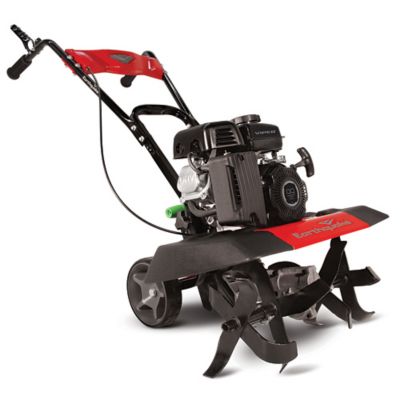
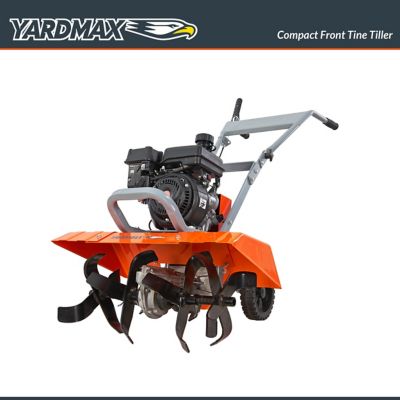
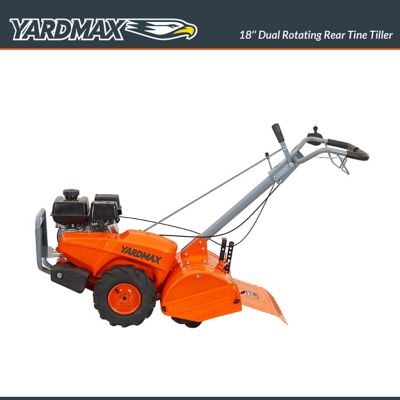
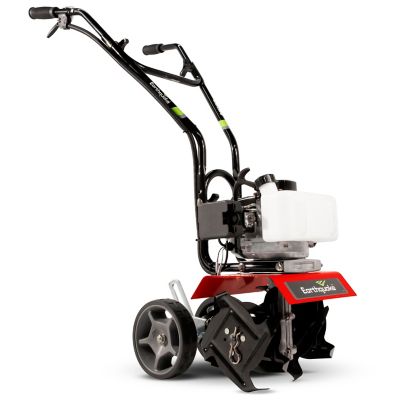
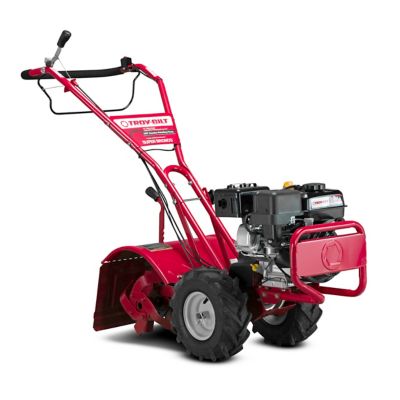
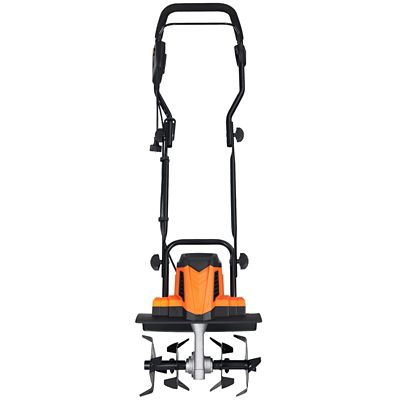
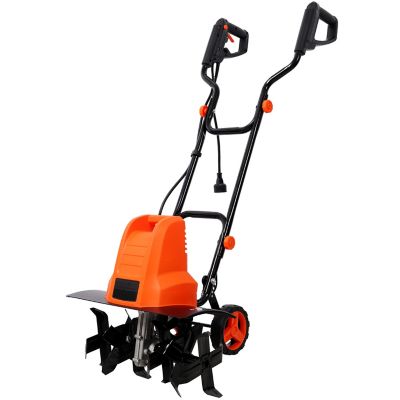
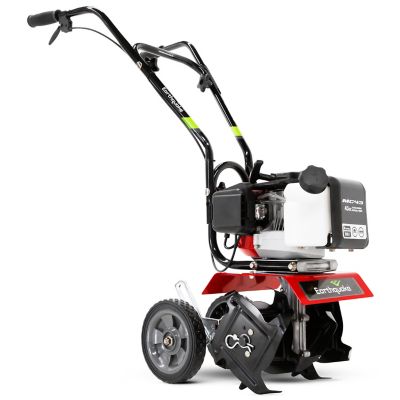
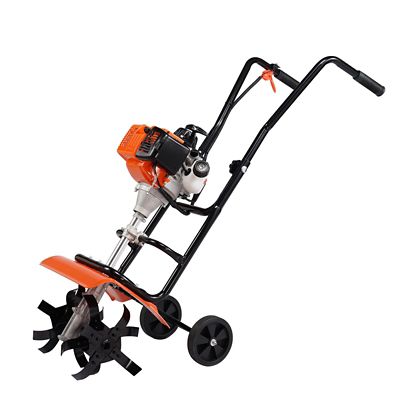
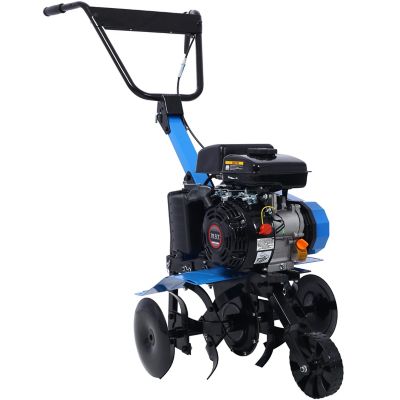
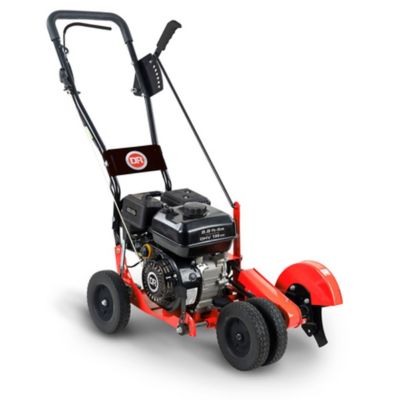
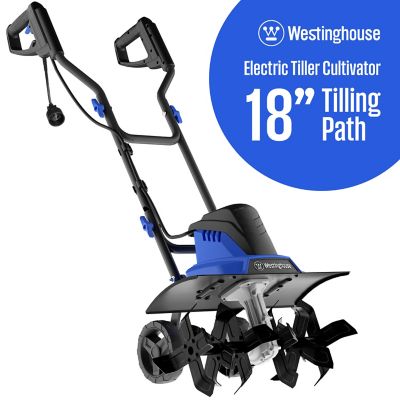
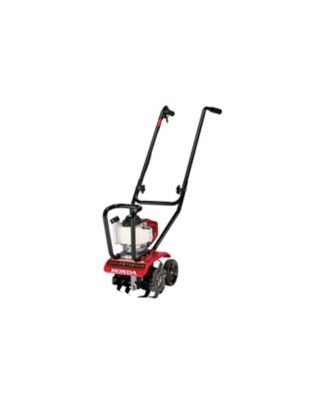
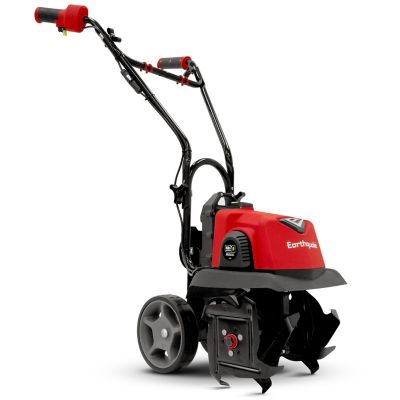
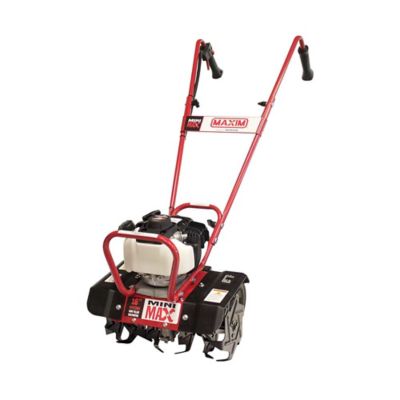
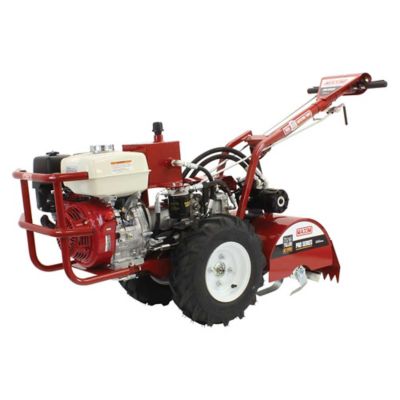
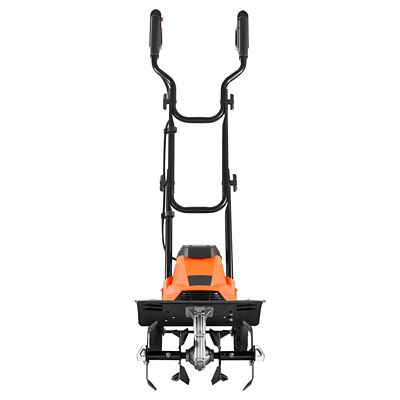
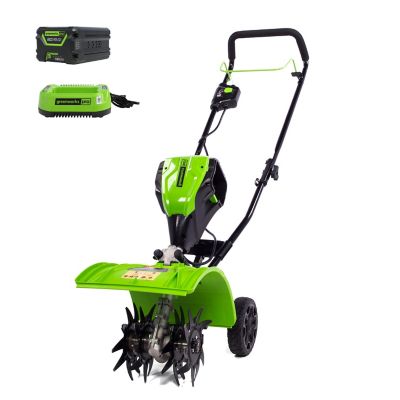
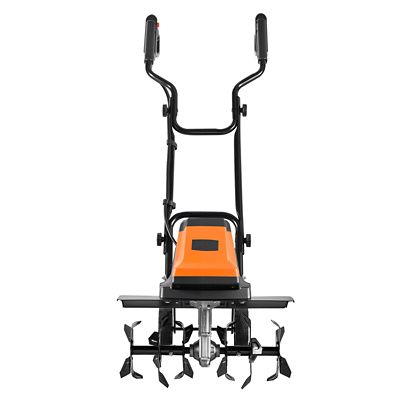
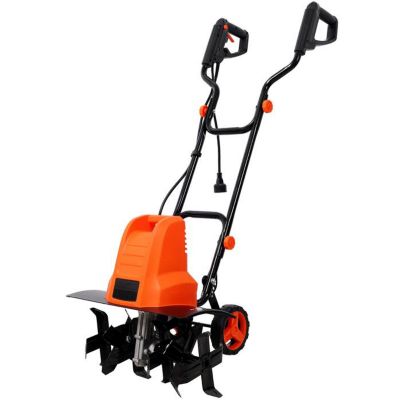
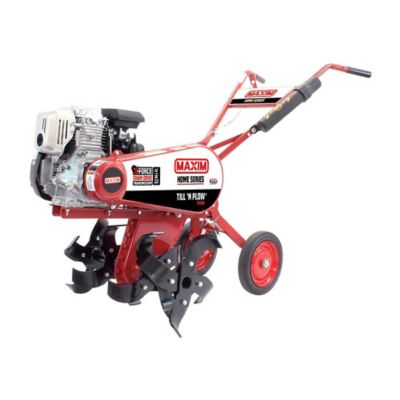
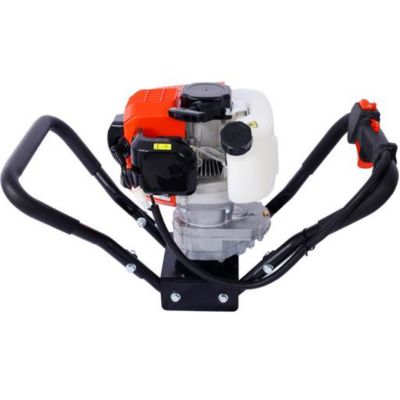
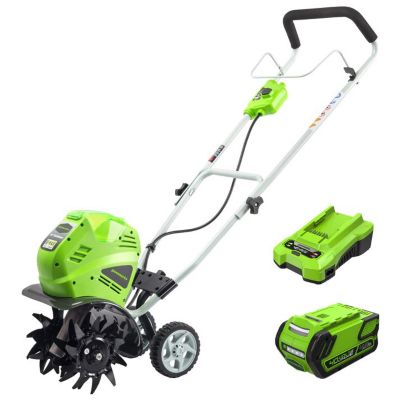
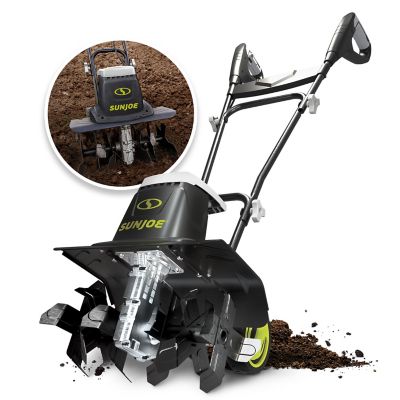
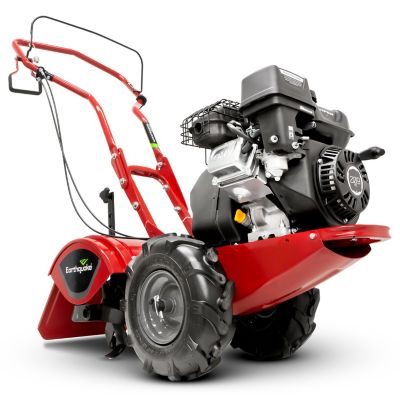
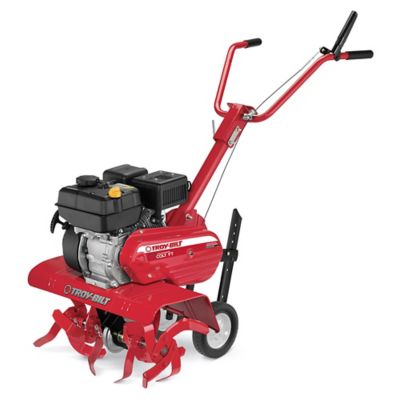
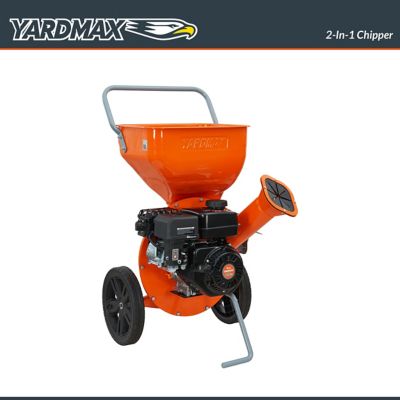
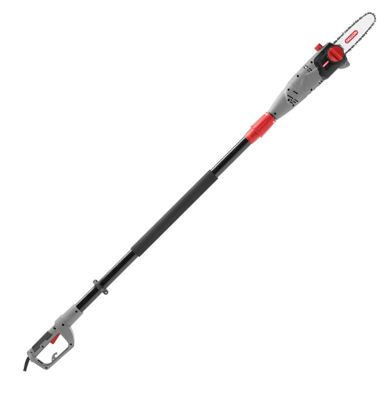
Gardening machines are powered tools that help prepare soil, cut grass, manage weeds, shape shrubs, and clear plant debris with less hands-on effort than manual tools alone. The right fit depends on the ground you tend and the work that comes with it, whether that means a few vegetable rows behind the house or a broad yard bordered by fence lines and planting beds. Garden tillers turn and loosen soil, while cultivators generally handle shallower work, such as stirring an established bed or working between rows where spacing allows. A compact cultivator can be easier to maneuver around a small kitchen garden, but breaking new ground often calls for a tiller with more weight, traction, and digging capability. Working width matters as much as power: a wider machine covers open ground in fewer passes, while a narrower one fits through gates and leaves more room beside tender plants. Adjustable tilling depth helps match the machine to the task without disturbing more soil than necessary. Lawn mowers handle the grassy spaces around the garden, with cutting width, height adjustment, and propulsion affecting how comfortably they cover the property. A push mower can suit a smaller, fairly level yard, while self-propelled equipment reduces the pushing needed over larger stretches. String trimmers reach grass along posts, edges, and other spots a mower cannot comfortably reach. Brush cutters are intended for heavier vegetation within the limits of their cutting attachment and manufacturer specifications; an ordinary string trimmer is not a substitute for equipment rated for that work. Hedge trimmers shape shrubs with reciprocating blades, and their cutting capacity determines the branch thickness they can handle. Leaf blowers gather loose leaves and clippings, while garden shredders and chippers reduce suitable plant material into smaller pieces. Each type has a different job, so matching the machine to the chore beats choosing by motor size alone. For someone tending both a garden patch and the surrounding yard, that distinction helps keep equipment choices practical rather than adding another machine that rarely leaves the shed.
Power source makes a noticeable difference in how gardening equipment fits into a day's work. Corded electric machines draw steady power from an outlet and do not need battery charging or gasoline, though cord reach and routing limit where they can comfortably operate. Outdoor-rated extension cords must meet the equipment maker's requirements, and keeping the cord clear of blades, tines, and walking paths is part of the setup. Battery-powered gardening machines remove that tether and can be convenient for scattered beds or trimming along a long walkway. Runtime varies with the battery, machine, and workload; cutting thick growth or working firm soil generally draws more energy than lighter tasks. Battery compatibility is worth checking closely because matching voltage alone does not establish that a pack fits a particular tool system. Gas-powered equipment can suit longer work sessions or demanding ground work, with the tradeoff of fuel handling, engine maintenance, exhaust, and more noise in many applications. Gas engines belong outdoors, never running inside a shed or garage. Beyond power, consider how the machine feels in the spaces where it will work. A broad tiller might cover a generous vegetable plot efficiently but prove awkward at a narrow gate or tight turn beside the compost bin. Handle height, grip placement, balance, and control layout all influence comfort, especially when the job involves repeated turns. For handheld equipment, total working weight includes the battery or fuel, not just the bare tool. Wheeled machines benefit from tire tread and wheel size suited to the terrain, while slope limits should always come from the operator's manual. Steel decks, housings, blades, and tines bring strength where equipment meets soil or vegetation, while molded polymer components can reduce weight and resist rust in other areas. Construction should suit the task rather than simply look heavy. Accessible adjustment points, replaceable wear parts, and enough storage room also matter over the long haul. A machine that fits through the shed door, turns between garden rows, and has controls within comfortable reach is a better working match than one chosen only for its biggest specification.
Care and upkeep help gardening machines stay ready for the next job and protect the parts that do the hardest work. Soil left packed around tiller tines can hold moisture against metal, and tangled stems can interfere with rotating components. Grass buildup beneath a mower deck can affect cutting performance, while sap and debris on hedge trimmer blades can hinder smooth movement. Cleaning methods differ by machine, so the operator's manual should determine whether a brush, cloth, or water is appropriate. Before clearing a blockage, inspecting a blade, or reaching near moving parts, shut the equipment down, wait for all movement to stop, and disconnect its power source as directed by the manufacturer. Cutting edges, belts, fasteners, guards, and cords need regular attention, with replacement intervals based on condition and the maintenance schedule. Gas engines may need oil changes, filter service, and fuel preparation for extended storage; batteries need charging and storage practices suited to their chemistry and tool system. A sheltered storage space keeps equipment out of the elements, and stable placement protects handles, cables, and attachments from getting bent beneath other gear. Eye protection, hearing protection where needed, sturdy footwear, and fitted clothing belong alongside powered garden equipment, with other protective gear matched to the task. People and pets need to stay outside the machine's stated operating clearance, particularly where blades or cutting line can throw debris. These practical details matter for homeowners keeping a tidy yard, gardeners raising vegetables for the table, and folks caring for a larger country place. Gardening machines can also make a thoughtful gift for an enthusiastic gardener when the recipient's space, physical comfort, and preferred power system are already known. Smaller companions found among
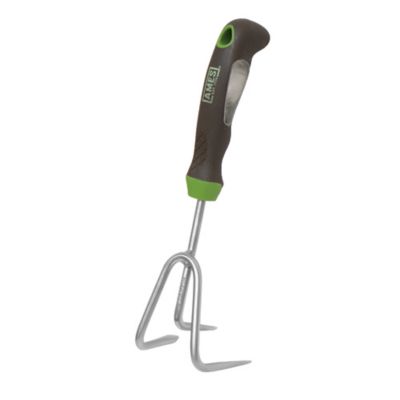
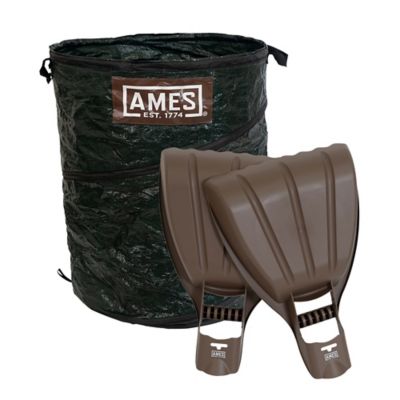
Gardening Gadgets can complement powered equipment for the close-in tasks around planting beds. From loosening a garden patch to trimming the grass beside it, equipment matched to the property helps keep the work manageable and leaves a little more energy for enjoying what grows there.