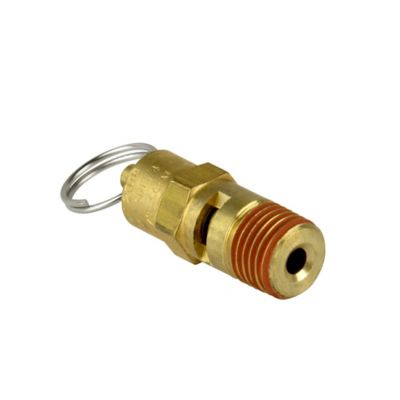
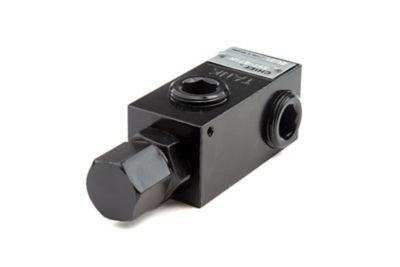
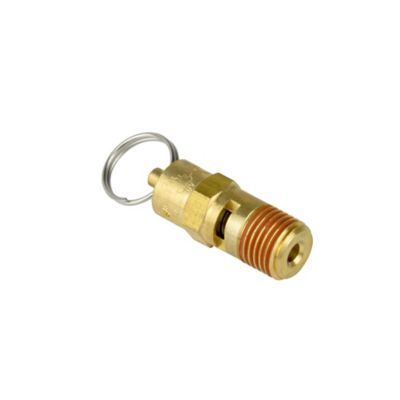
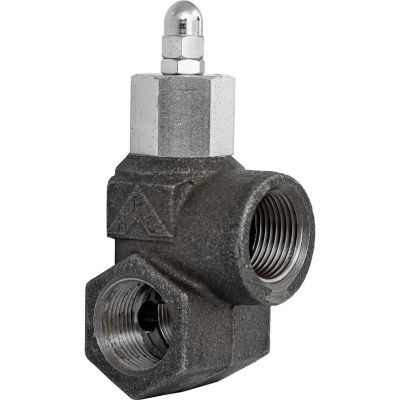
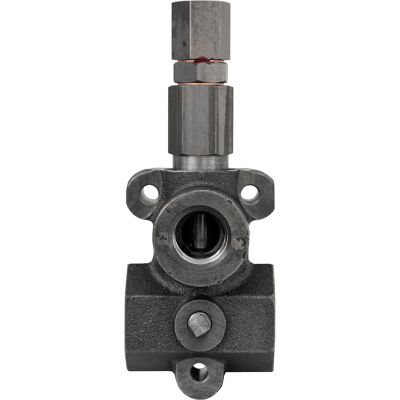
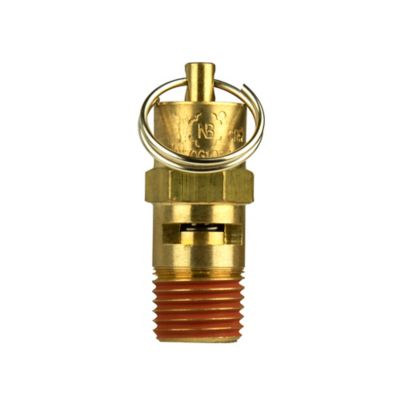
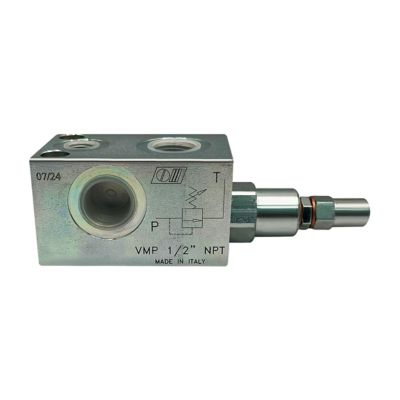
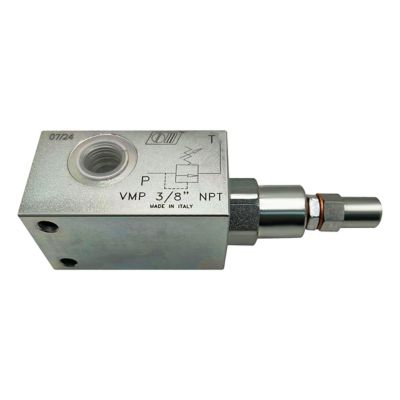
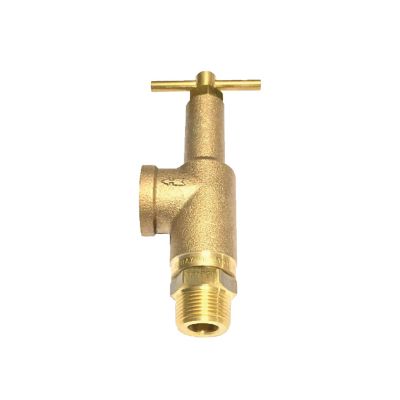
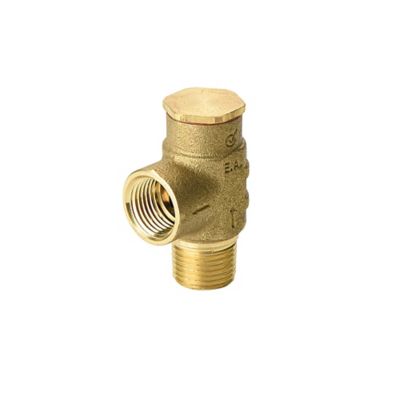
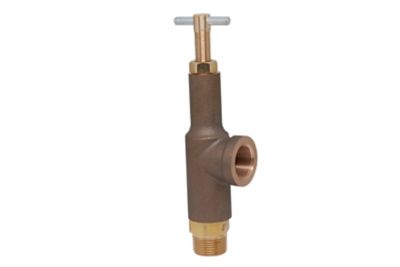
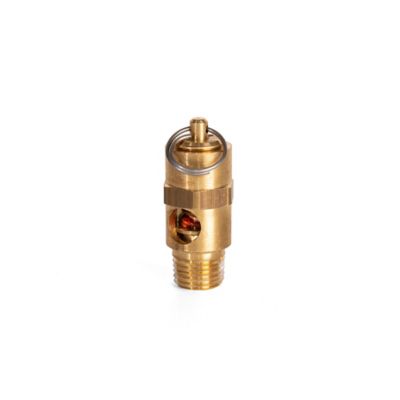
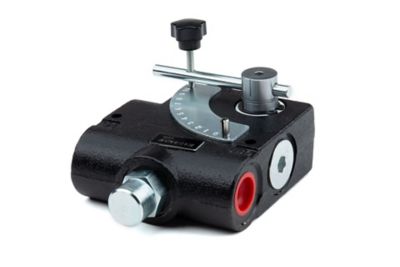
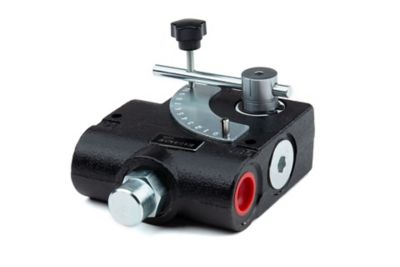
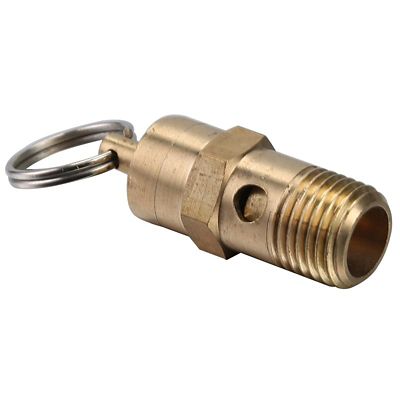
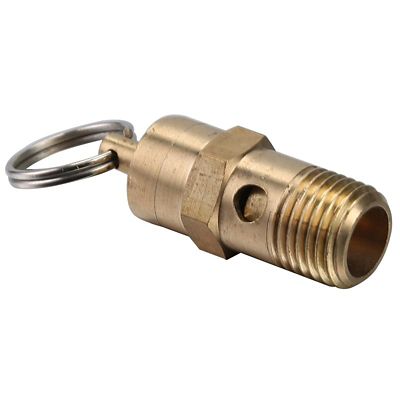
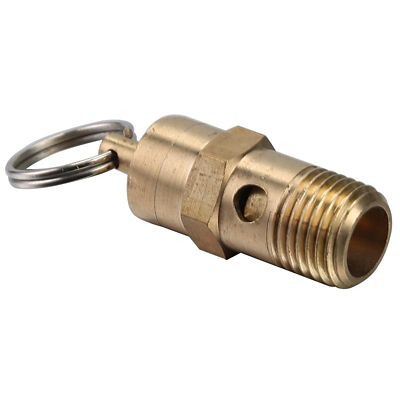
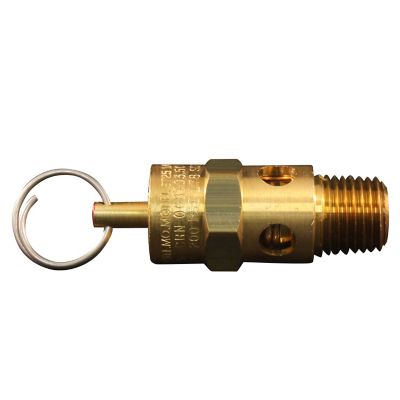
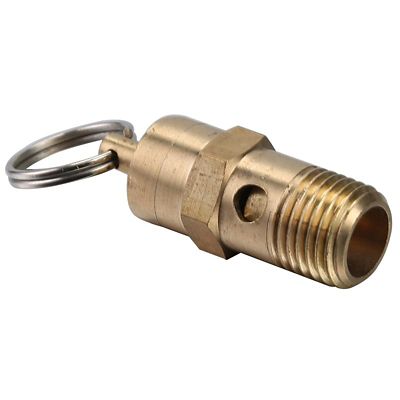
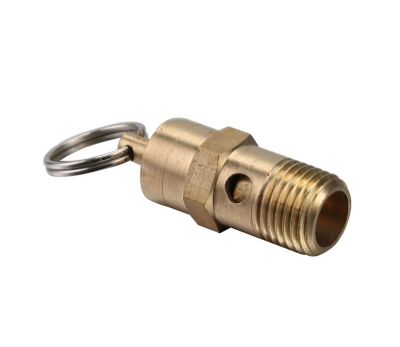
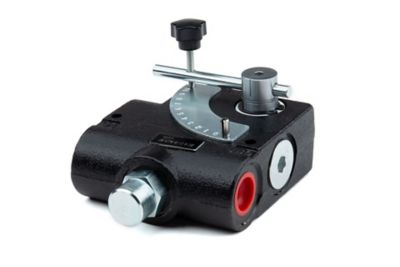
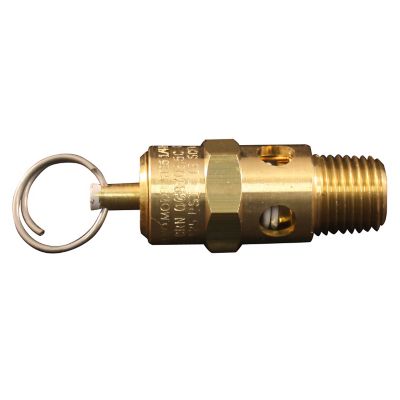
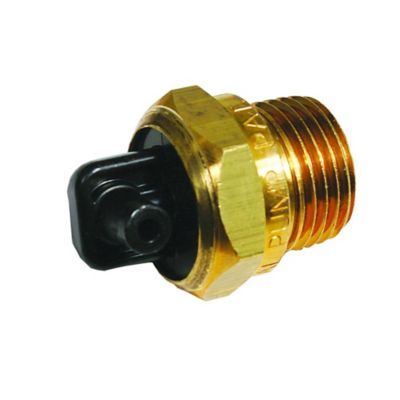
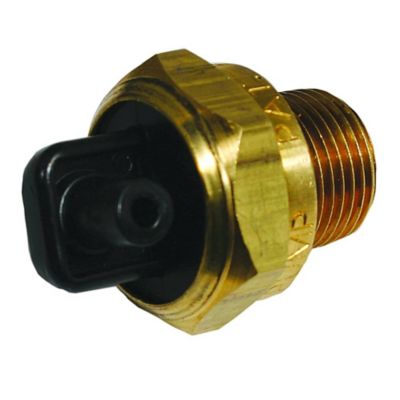
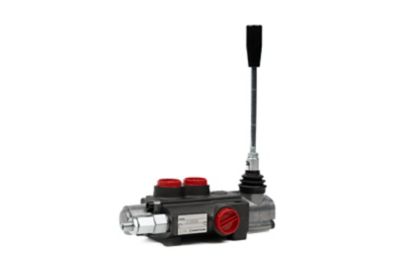
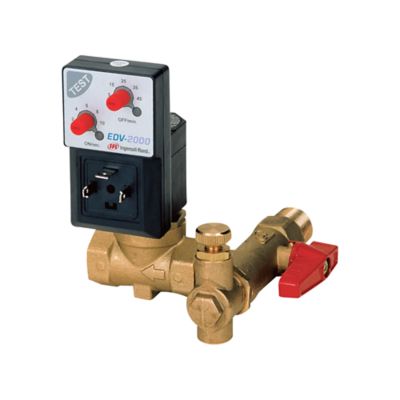
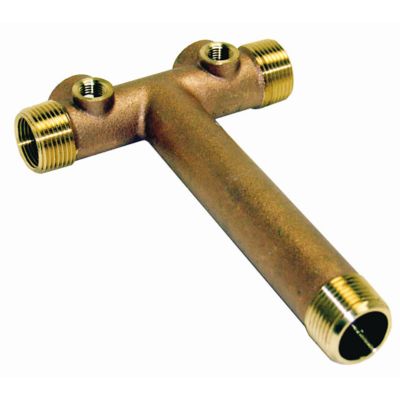
Pressure relief valves are safety devices designed to control or limit pressure in a closed system. They’re commonly used with water heaters, boilers, air compressors, hydraulic equipment, pumps, pressure tanks, irrigation systems, and other equipment where pressure can build beyond a safe operating range. Under normal conditions, a spring, piston, or similar internal mechanism keeps the valve closed. If pressure rises past the valve’s preset limit, that force overcomes the spring or holding mechanism, opening the valve so air, gas, water, oil, or another compatible fluid can escape. Once the pressure drops back into a safe range, the valve is designed to close again. This automatic action helps protect tanks, pipes, fittings, and connected equipment from damage caused by overpressure. For farm owners, ranchers, shop mechanics, maintenance crews, and do-it-yourself property owners, the right pressure relief valve can be an important part of a dependable setup. A valve may also be needed when replacing a worn component, updating an older system, completing a new installation, or preparing equipment for the colder months when heating systems, water lines, and enclosed tanks may see more use. Pressure relief valves are not the same as ordinary shutoff valves; they are safety components meant to respond automatically when pressure reaches a specified point. They also differ from pressure regulators and other control devices that manage pressure during routine operation. To learn about equipment used for everyday pressure adjustment and system management, see
Pressure Control Valves. Before choosing a valve, identify the equipment it will serve and the type of pressure involved. A valve intended for potable water may not be suitable for compressed air, hydraulic fluid, steam, fuel, or other media. Check the manufacturer’s requirements for maximum allowable working pressure, set pressure, temperature range, flow capacity, connection size, connection type, and material compatibility. The set pressure should match the safe limit of the protected vessel or system, not simply the highest pressure the pump or compressor can produce. Choosing a valve with the wrong rating can leave equipment underprotected, while an unsuitable valve may open too often, fail to reseat, or not handle the volume that needs to be released.
When comparing pressure relief valves, start with the pressure rating and make sure it fits the complete system. Pressure is often listed in pounds per square inch, or PSI, but the number by itself does not tell the whole story. Temperature can affect seals, springs, and fluid behavior, and a valve that works well in a cool water application may require different construction for heated water, steam, or high-temperature service. Flow capacity matters as well. If a valve cannot discharge pressure quickly enough, it may not provide the protection the system needs. Direct-acting valves use the force of the system directly against a spring or similar mechanism and are common in smaller or straightforward applications. Pilot-operated valves use a secondary control arrangement to manage pressure in larger systems or applications with higher flow demands. Temperature and pressure, often called T&P, valves are typically associated with water-heating equipment and are designed to respond when pressure or temperature reaches an unsafe level. Always confirm whether the application calls for pressure-only protection, temperature-and-pressure protection, or another specialized design. Pay close attention to the inlet and outlet connections so the valve can be installed correctly without forcing mismatched threads or adding unnecessary adapters. Consider the valve body material, seal material, corrosion resistance, and whether the discharge path needs tubing, piping, or a drain line. A relief valve should never be blocked, capped, or installed where discharged material could create a hazard. In a barn, workshop, utility room, or equipment shed, the discharge should be directed safely away from people, animals, electrical components, walkways, and anything that could be damaged by hot water, oil, air, or steam. Local codes and equipment instructions may require particular valve types, installation positions, drain arrangements, or inspection practices, so those requirements deserve attention before work begins. For a critical, high-pressure, fuel, steam, or commercial system, installation and testing should be handled by a qualified professional. Even a small valve plays a serious role, and an incorrect repair can turn a simple maintenance job into a dangerous failure.
Routine inspection can help spot trouble before it becomes an emergency. Look for corrosion, mineral buildup, leaking around the connection, damaged threads, a missing discharge line, or signs that the valve has opened repeatedly. A valve that drips constantly may be dealing with excessive system pressure, contamination under the seal, thermal expansion, a worn spring, or an incorrect setting. A valve that has opened should not automatically be forced closed or tied shut; first find out why the pressure rose and follow the equipment manufacturer’s service instructions. Never test or replace a relief valve on a pressurized or hot system without taking proper safety steps, including shutting down equipment, isolating energy sources, allowing temperatures to drop, and relieving pressure as directed. Replacement is often the sensible choice when a valve is corroded, leaking, clogged, damaged, past its service life, or missing important markings. Keep the valve’s set pressure, flow rating, application, and connection details handy when shopping, and compare those details with the nameplate or manual for the tank, heater, compressor, pump, or hydraulic unit. Pressure relief valves are practical purchases rather than typical gift items, but they can be a thoughtful choice for someone setting up a farm shop, maintaining a rural home, restoring equipment, or preparing a seasonal heating or water system. The best selection is the one that matches the equipment precisely and gives pressure a safe way out when the system needs it. With the right rating, compatible materials, proper installation, and regular attention, a pressure relief valve can help protect valuable equipment and provide an extra measure of confidence through changing weather and busy work seasons.