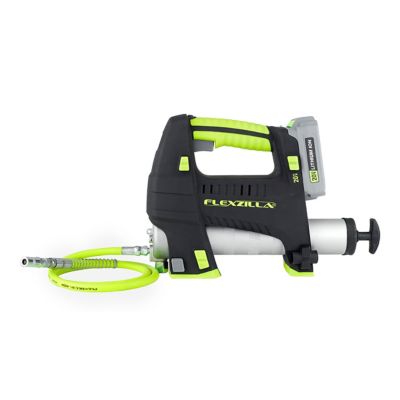
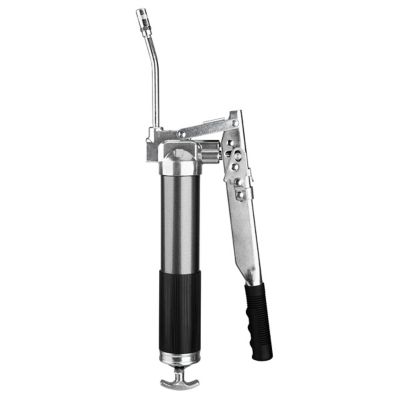
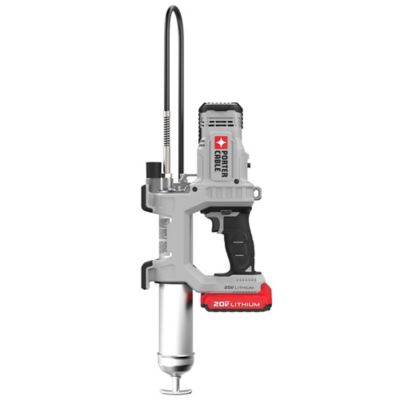
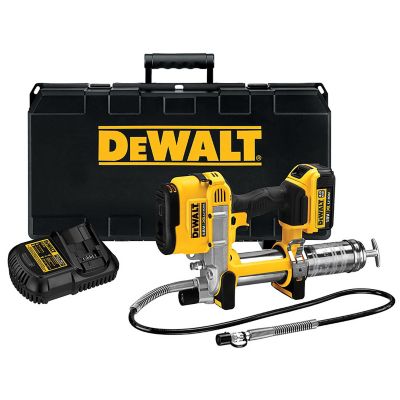
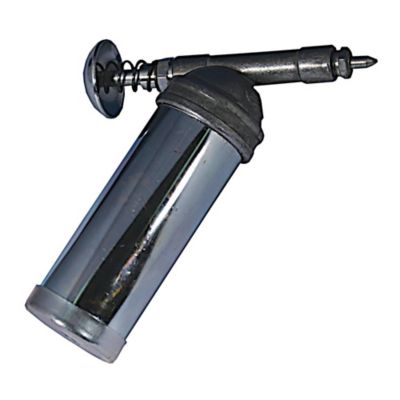
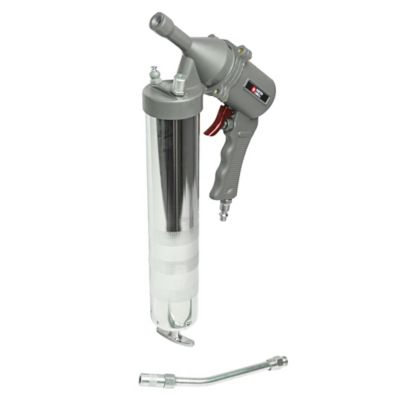
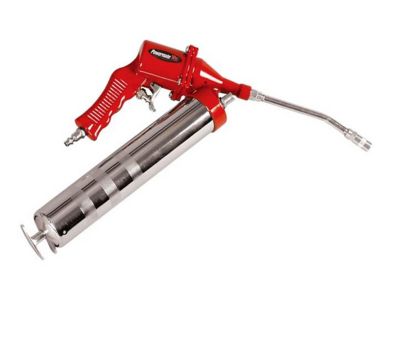
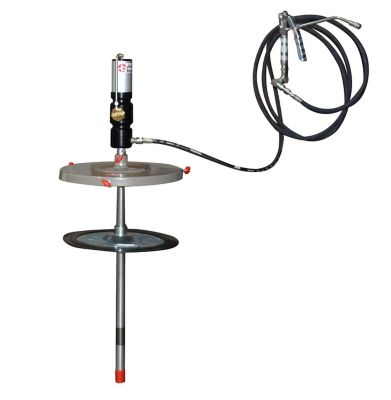
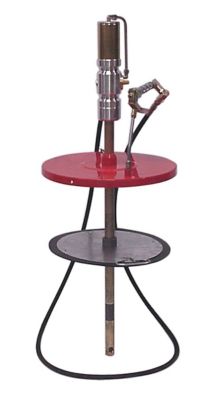
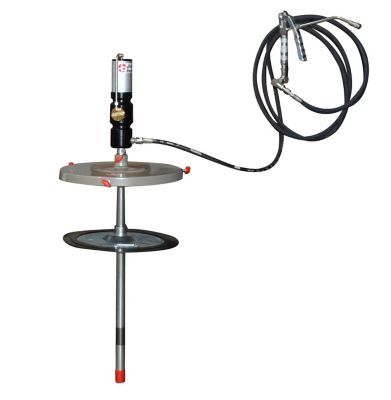
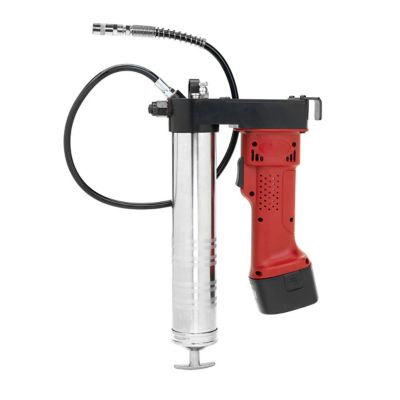
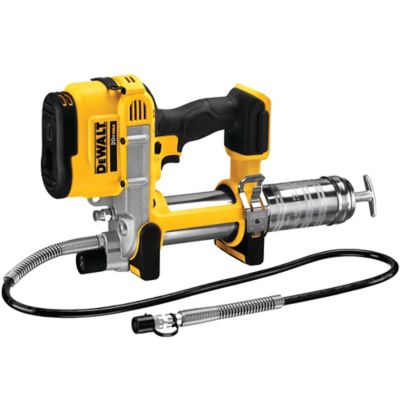
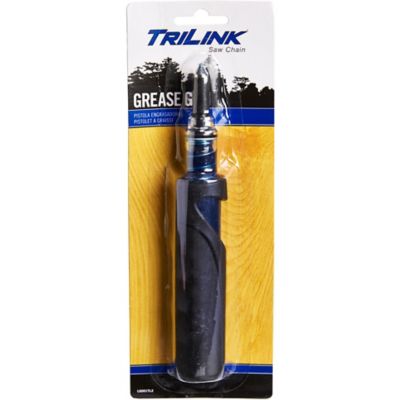
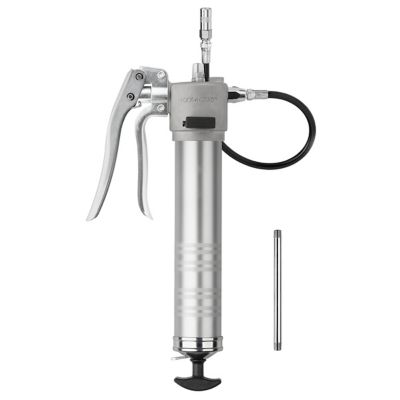
High pressure grease guns deliver lubricant through grease fittings to service points on tractors, loaders, implements, shop equipment and other machinery. Their job is to move the right grease into places where metal parts turn, pivot or slide under load, helping limit friction and wear when paired with the equipment’s maintenance schedule. Pressure ratings vary by design, with many high-pressure models rated around 6,000 to 10,000 pounds per square inch, or PSI, and some specialty tools rated higher. That number describes pressure capability, not the amount every bearing or joint needs. A higher maximum PSI does not automatically make a gun a better match for every chore, and it does not replace the need for clean fittings and open lubricant passages. For a tractor owner working through loader pivot points before a long day moving material, hose reach and a secure coupler may matter as much as pressure. For a mechanic servicing several machines before they head back to work, consistent delivery and comfortable handling can make a bigger difference over the course of the job. These tools fit naturally into farm shops, equipment sheds, construction maintenance areas and home garages where greaseable machinery needs regular attention. During the cooler months, grease can become harder to pump, making lubricant suitability and the tool’s operating temperature range worth checking. The equipment maker’s specified grease type and service interval still come first, whether the machine spends its days feeding livestock, grading a lane or handling hay. A high pressure grease gun is a delivery tool, not a substitute for the correct lubricant. Within the broader selection of
Grease Guns, pressure capability is one useful comparison alongside power source, output, cartridge fit and access to the fittings on your equipment. The best fit is a tool that suits the work without making a straightforward maintenance round more awkward than it needs to be.
Manual, pneumatic and battery-powered designs each bring something different to the shop. A lever-action grease gun offers straightforward hand-powered operation without a battery or air hose, although pumping generally takes both hands once the coupler is attached. A pistol-grip design often allows one-handed pumping, which can help when the other hand needs to steady a hose in a cramped spot. Reach still matters: a fitting tucked behind a loader bracket can be difficult to service if the hose is too short or the coupler body is too large for the opening. Pneumatic grease guns run from a suitable compressed-air supply and can make sense around a shop where an air line already reaches the work area. Their specified air pressure and air consumption need to match the compressor setup; increasing inlet pressure beyond the tool’s rating is not a safe route to more force. Battery-powered grease guns travel more easily between the shed, barn and equipment parked away from an outlet. Powered delivery can reduce repeated hand pumping on machines with numerous service points, while tool weight and battery size affect comfort when reaching overhead or crouching beside an axle. Existing battery-platform compatibility can also influence the choice, but voltage alone does not establish grease pressure or output. Compare maximum pressure with delivery rate, since forcing grease through a resistant passage and moving a larger volume are different demands. Some designs offer selectable operating modes, while others have a single delivery setting. A manageable trigger or handle, a stable grip with work gloves and a hose that reaches without pulling sideways on the fitting all support smoother work. For someone buying a grease gun as a practical gift for a farmer, equipment operator or hands-on property owner, knowing the recipient’s machinery, preferred power source and existing batteries is more helpful than simply choosing the highest pressure rating. The same goes for a second tool intended to stay with a service truck rather than on the shop bench.
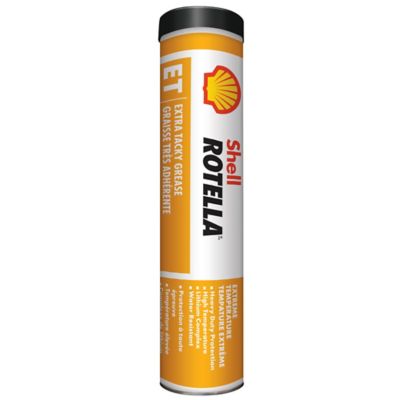
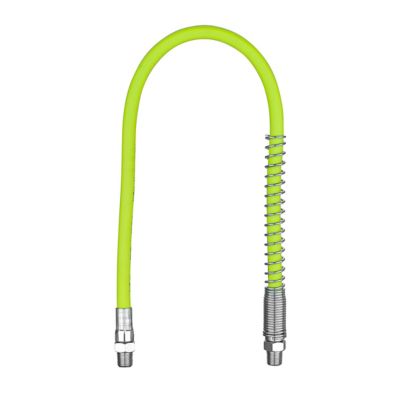
Construction, component fit and everyday care have a lot to do with how a high pressure grease gun holds up around dirt, moisture and repeated handling. Metal barrels and pump components can stand up to demanding shop work, while corrosion-resistant finishes help protect exposed surfaces. Grip shape, barrel texture and overall balance matter when gloves are slick and the tool is held at an angle beside a muddy implement. Flexible hoses offer access around guards and brackets; rigid extensions provide a more direct reach where there is room to line up with the fitting. Every hose, extension and coupler needs a working-pressure rating suitable for the grease gun, along with compatible connections. Coupler fit deserves attention because a poor connection can leave grease around the fitting instead of delivering it to the intended passage. Many full-size designs accept common 14-ounce grease cartridges, but cartridge capacity and filling method should always be confirmed for the individual tool. An air-bleed feature can help release trapped air after loading, and a secure follower mechanism helps keep grease feeding toward the pump. Keeping separate, clearly marked guns for incompatible greases can help prevent mixing lubricants across different machines. Before attachment, wiping dirt from the fitting and coupler helps keep grit out of the joint. Follow the equipment maker’s directions for lubricant quantity rather than pumping until grease appears everywhere; some assemblies can suffer seal damage from excessive pressure or overfilling. A fitting that will not accept grease calls for inspection, not an automatic jump to greater force. Stop and check for a blocked fitting, restricted passage or another mechanical issue according to the service instructions. High-pressure grease can penetrate skin, so never check for leaks with a hand, and seek emergency medical care for a suspected injection injury. Safe care also includes depressurizing the tool as directed before service, replacing damaged hoses and storing the gun with its coupler protected from dirt. Those habits help keep the next maintenance round cleaner and the tool ready when the equipment needs attention.