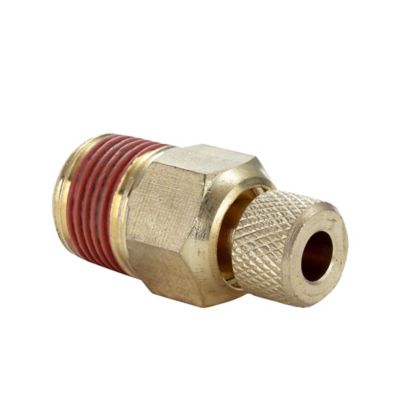
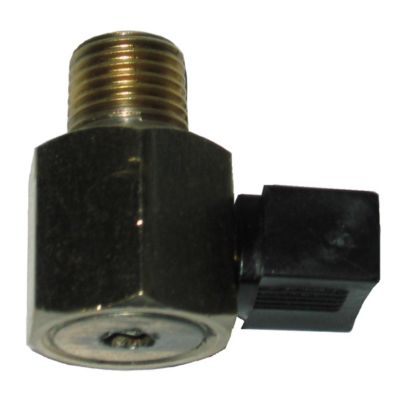
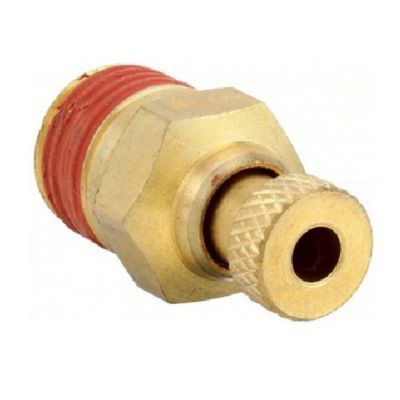
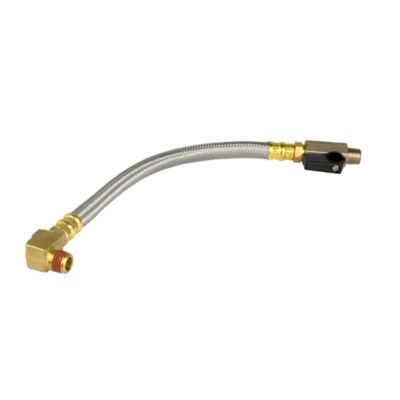
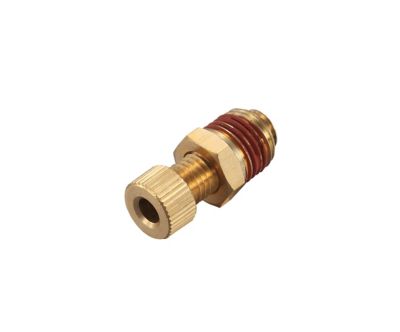
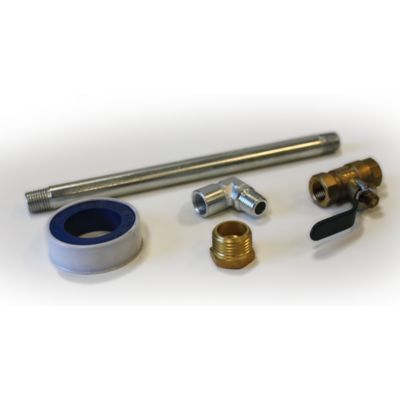
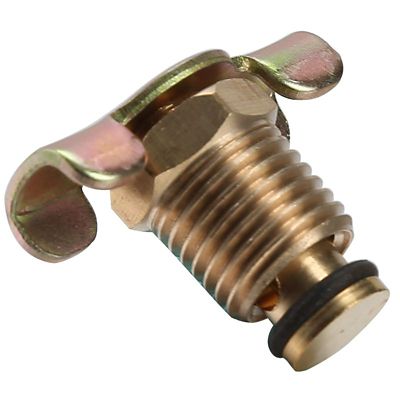
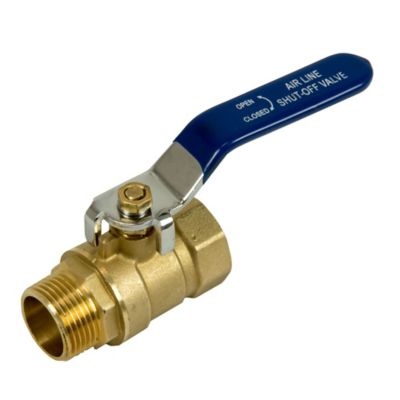
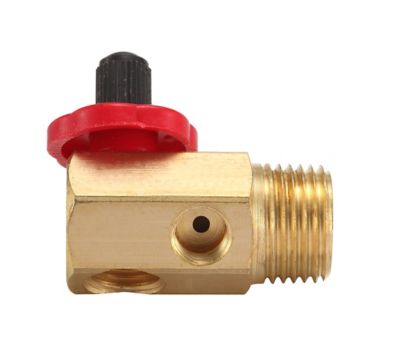
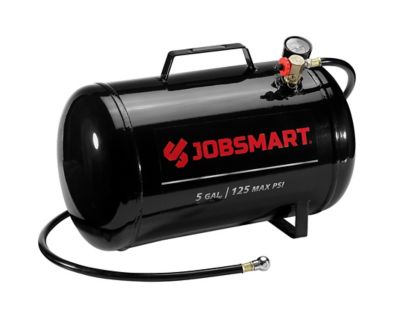
Air compressor drain valves give water and other collected liquid a way out of an air receiver tank, helping limit internal corrosion and moisture carryover into air lines. They typically sit at the tank’s lowest drain connection, where condensation settles between jobs. Compressing air concentrates the moisture already present in it, and that moisture can collect inside the tank as the compressed air cools. Depending on the compressor and the work environment, the liquid may also contain rust particles, debris or traces of oil. A drain valve provides a controlled outlet for that buildup rather than leaving it trapped inside. That makes this small fitting an important part of keeping a compressor ready for jobs around a garage, barn or repair shop. Someone airing up implement tires may only run the compressor occasionally, while a mechanic running impact tools may put it through repeated cycles throughout the day. Both situations call for a drain arrangement that fits the tank and is easy enough to operate as part of regular care. Manual drain valves include compact drain cocks, thumb-operated designs and ball valves with a lever handle. A small drain cock can suit a tight space beneath a portable tank, while a quarter-turn ball valve offers a straightforward open-and-close action when there is room for the handle to move. The best fit depends on more than the size of the compressor. Ground clearance, access beneath the tank and the direction of the drain outlet all affect how the valve works in everyday use. On a low-slung portable compressor, a fitting that hangs too far down can get knocked against a shop floor or trailer ramp. On an upright shop tank, a recessed connection may be hard to reach without kneeling. An appropriately rated extension assembly can bring the drain to a more accessible spot, provided the compressor manufacturer permits that arrangement and the assembly stays protected from impact.
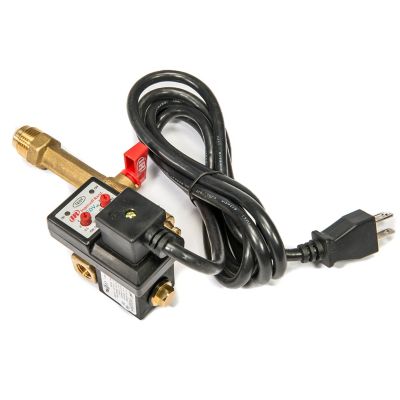
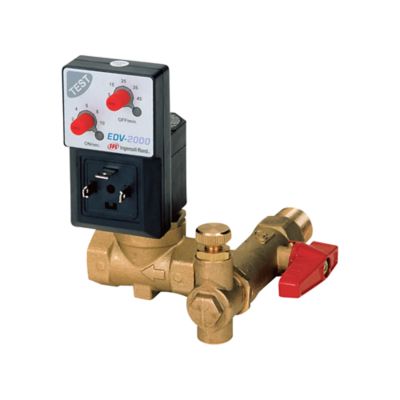
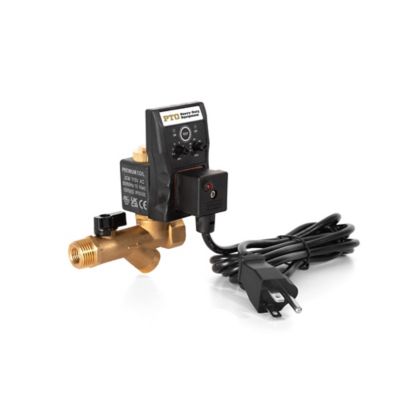
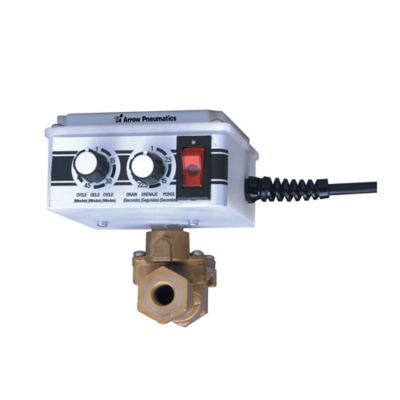
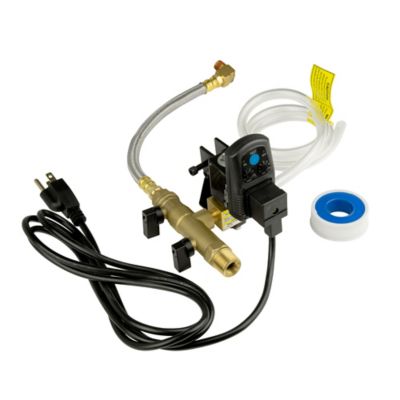
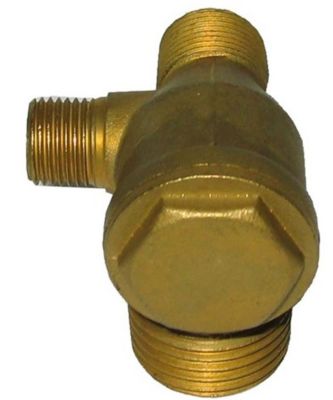
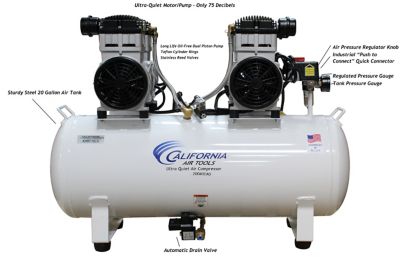
Choosing an air compressor drain valve starts with the tank connection, operating pressure and intended drain setup. Pipe thread size is not the same as the measured outside diameter of the threaded fitting, so the compressor manual or original fitting specifications are better references than a quick glance. Connections such as 1/4-inch NPT appear on many compressors, but that does not make one thread size right for every tank. Thread type, size and male or female connections all need to match; NPT and other pipe thread standards are not automatically interchangeable. A valve’s pressure rating must also meet the requirements of the compressor system. Brass is a common material for drain valve bodies because it offers corrosion resistance and works well in many compressed-air applications. Steel and stainless steel designs may suit other installations, with material choice depending on the system, the condensate and the surrounding work area. Internal seals matter, too, especially where condensate may contain compressor oil. Handle clearance, outlet size and the valve’s flow path deserve attention alongside the body material. A passage that handles collected liquid and small particles can be helpful where sediment tends to gather, though no valve eliminates the need to inspect and maintain the tank. For a compressor that runs frequently, an automatic drain valve can reduce the need to reach under the receiver for every drain cycle. Timed electric drains open at selected intervals for a set duration, while float-operated designs respond to the liquid level in a collection chamber. Their installation requirements differ: an electric model needs a compatible power supply, and a float design may depend on a particular mounting position or operating pressure range. Some automatic designs limit compressed-air loss, but performance varies by mechanism and setup. A farm repair shop with steady air demand may benefit from automatic draining, while a homeowner with an occasional tire-inflation job may prefer the simplicity of a manual valve. Either way, access for inspection and service still matters.
A drain valve should make routine compressor care less of a chore, not add another awkward fitting to work around. Picture a tank tucked beside a workbench, with an air hose running toward a pickup and a drain outlet hidden behind a wheel. In that setup, reach and clearance matter just as much as the valve’s opening action. A suitable remote drain arrangement can make the connection easier to reach, but its hose, fittings and supports must all be rated for the application and routed away from pinch points. Collected liquid also needs a sensible destination. Condensate from an oil-lubricated compressor may require collection and disposal under local rules rather than release onto the ground or into a drain. For manual draining, follow the compressor manufacturer’s directions for frequency and allowable tank pressure; those requirements can vary with the equipment and workload. Replacing or servicing a drain valve is different from routine draining: the compressor needs its power isolated and all stored pressure released before a fitting is loosened. Compatible thread sealant, proper tightening and a leak check help support a sound connection, while overtightening can damage threads or fittings. Persistent leakage, a handle that will not turn freely or a drain passage that repeatedly clogs are reasons to inspect the assembly rather than force it. Heavy rust or suspected tank damage calls for qualified evaluation, not simply a new valve. It is also worth keeping drain valves separate from
air compressor pop off valves: a drain releases collected liquid, while a pressure relief valve helps protect the system from excessive pressure. Neither takes the place of the other. Draining the tank also does not replace air filters, separators or dryers where a tool or finish requires drier air. With the right connection, pressure rating and operating style, a drain valve fits neatly into the upkeep that helps a compressor stay ready for the next repair, fastening job or round of tire checks.