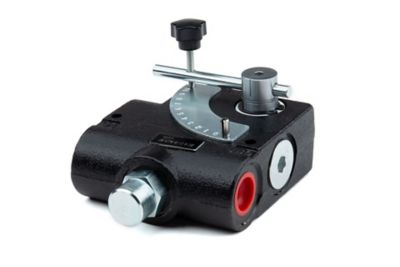
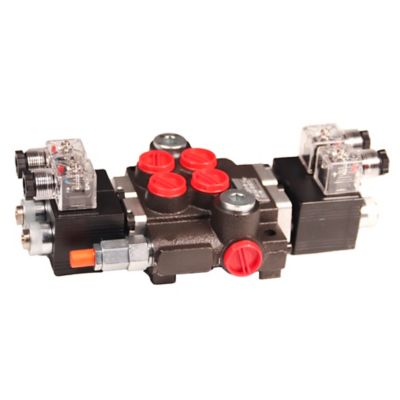
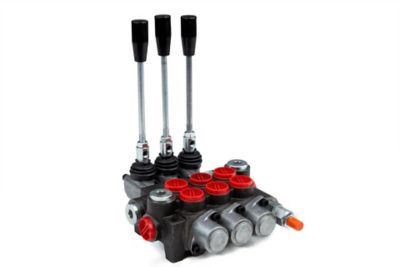
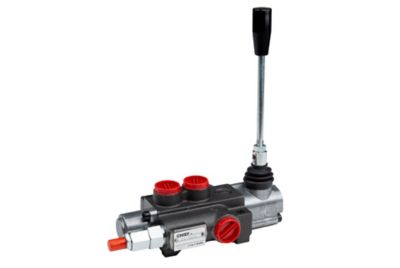
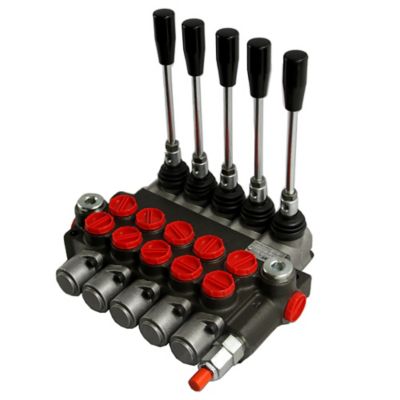
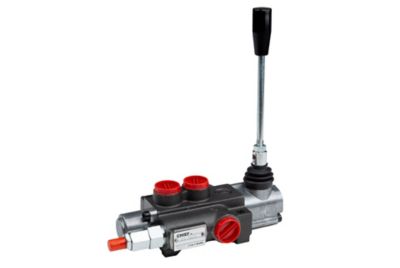
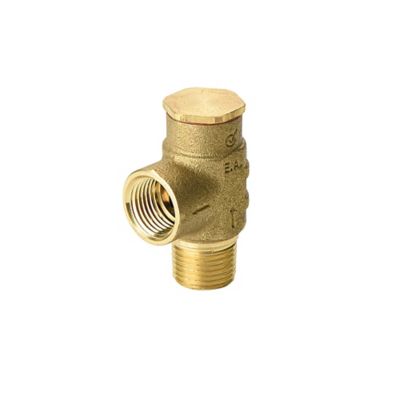
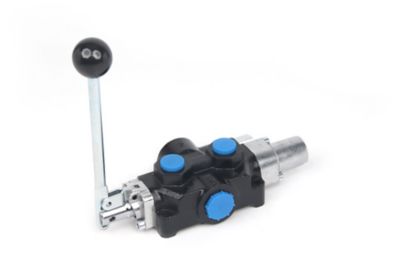
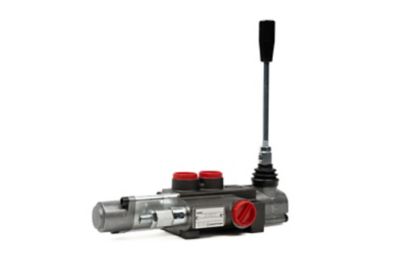
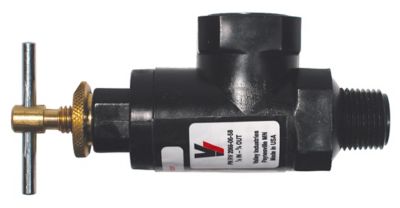
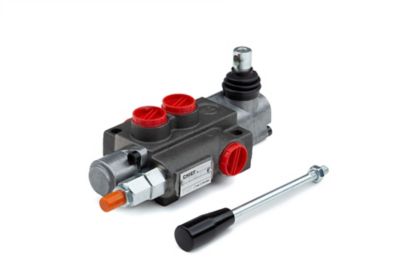
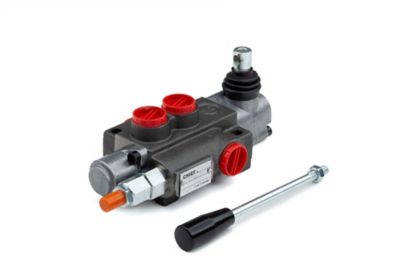
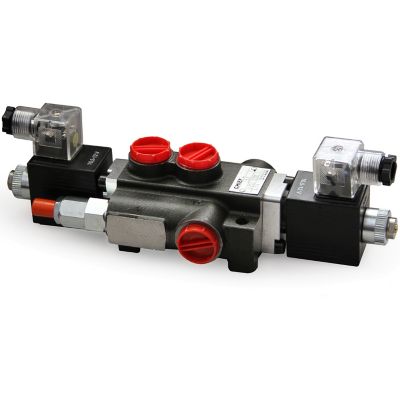
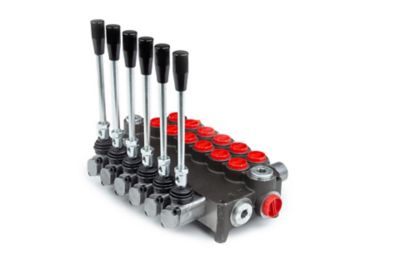
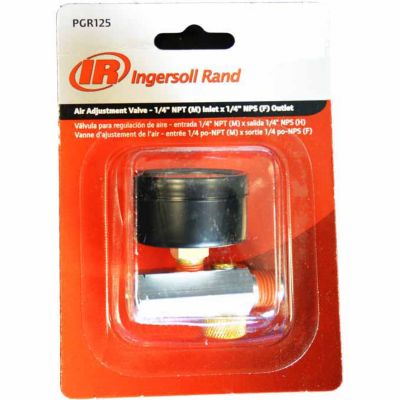
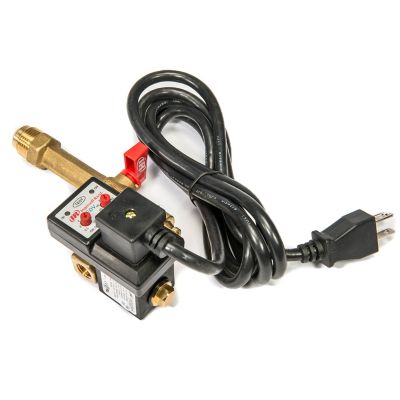
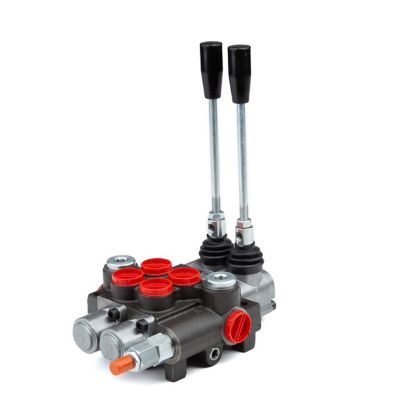
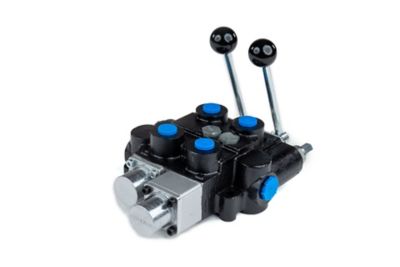
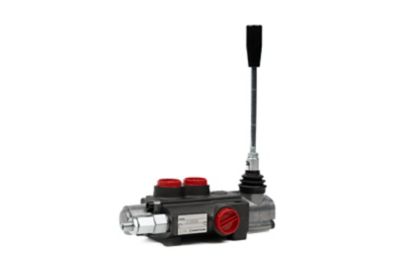
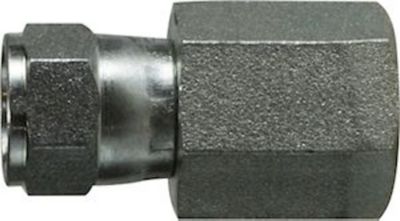
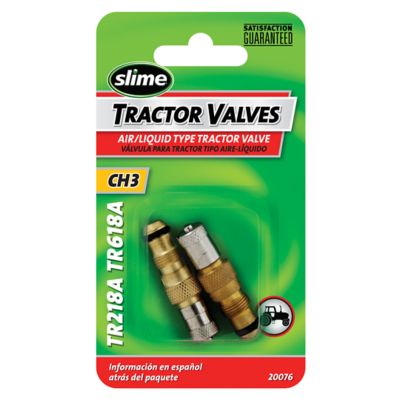
Pressure control valves help keep fluid systems working within a safe, useful range by regulating, limiting, or redirecting pressure as conditions change. You’ll find them in residential plumbing, farm water systems, irrigation setups, shop equipment, industrial hydraulics, HVAC loops, boilers, and many other applications where pumps, pipes, cylinders, or actuators need steady pressure to do their jobs. A pressure reducing valve lowers high incoming pressure and maintains a more consistent pressure downstream, helping protect plumbing, hoses, fittings, appliances, and other components from excessive force. A pressure relief or safety valve stays closed during normal operation, then opens when pressure rises above its set limit to release fluid and help prevent damage. An unloader valve redirects excess pump flow back to a reservoir or low-pressure side when demand stops, while a sequence valve sends flow to a secondary part of a system after the primary function reaches its intended pressure. Choosing the right style starts with identifying the fluid being handled, the normal and maximum operating pressure, the required flow rate, connection size, temperature range, and whether the system needs pressure reduction, relief, unloading, or timed sequencing. These details matter on a working farm or in a busy repair shop, where a valve that is too small can restrict flow and one that is not rated for the system can create a serious safety concern.
Many pressure control valves use a spring-loaded diaphragm, piston, or similar internal mechanism to balance system pressure against an adjustable setting. As downstream pressure rises, the internal element moves to narrow the flow path and hold pressure closer to the selected level. When pressure drops, the spring or control force allows the valve to open farther, helping restore flow. This steady back-and-forth action is easy to overlook when everything is running properly, but it is what helps a sprayer maintain an even application, a hydraulic circuit produce predictable movement, or a household water line avoid harsh surges at faucets and fixtures. For agricultural and utility work, check the valve’s material and construction along with its pressure range, flow capacity, adjustment method, and compatibility with water, hydraulic oil, air, or another working fluid. Threaded, flanged, and other connection styles need to match the existing line, and the valve should be installed in the direction shown by the flow arrow. Keep access to the adjustment point and service area clear, especially when the valve is tucked behind equipment, near a pump, or along a fence-line water system. Before installation or maintenance, shut down the pump or supply, release trapped pressure, and follow the equipment maker’s instructions. A qualified professional should handle systems with high pressure, hot fluid, stored hydraulic energy, or complicated controls. For related applications that manage the direction and movement of hydraulic fluid, browse
Hydraulic Control Valves as well.
Pressure control valves are useful for anyone maintaining equipment, from a landowner protecting a well-fed plumbing system to a livestock operator keeping water delivery dependable, a mechanic troubleshooting a hydraulic circuit, or a facilities worker managing a boiler and heating loop. They can help reduce wear on pumps and downstream components, keep actuator force within a planned range, and make equipment operation more consistent from one task to the next. On a small acreage, a properly selected valve may help prevent a pump from working against an unnecessary pressure spike when a water trough float closes. In a shop, the right pressure setting can support smoother clamping or controlled cylinder movement instead of a sudden jolt that strains fittings. During the warmer part of the year, dependable pressure control can support irrigation, washing, spraying, and stock watering; as cooler weather arrives, it remains important for indoor plumbing, heating equipment, and systems that may see changing demand. When comparing options, consider where the valve will be installed, how often the system cycles, whether the setting needs frequent adjustment, and how easy it will be to inspect or replace seals and other wear parts. Look for clear pressure ratings and connection information, and avoid selecting by pipe size alone. The best match is the valve rated for the complete system, including its fluid, temperature, pressure spikes, and expected flow. With the right fit and careful installation, pressure control equipment provides a quiet layer of protection that helps pumps, pipes, tools, and working equipment perform with fewer surprises.