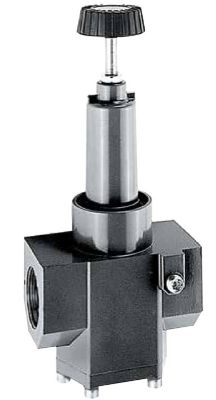
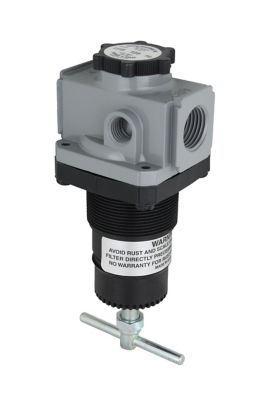
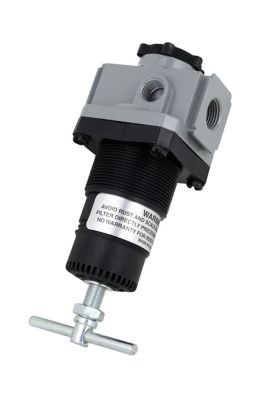
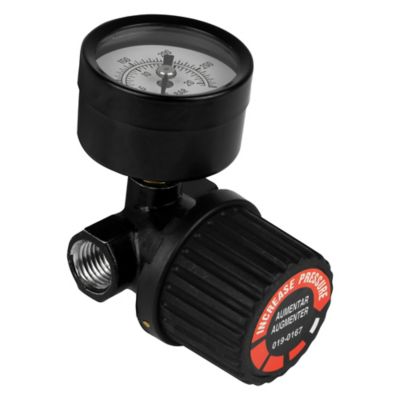
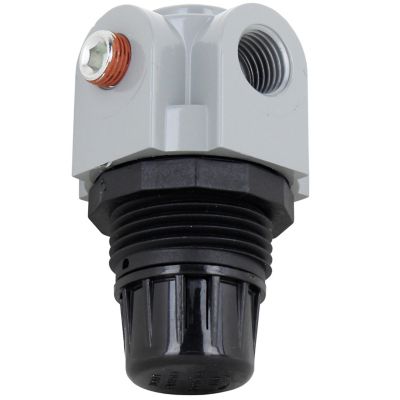
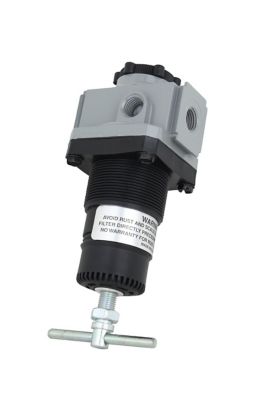
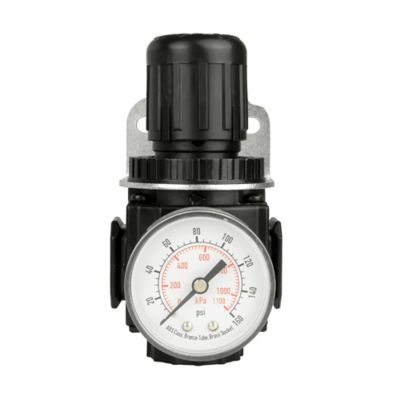
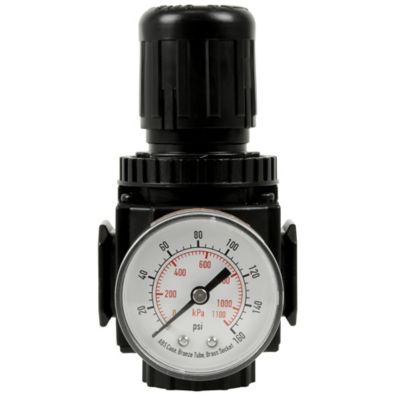
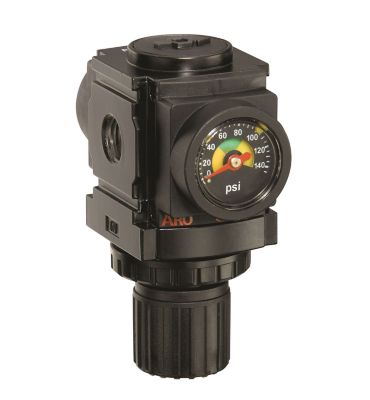
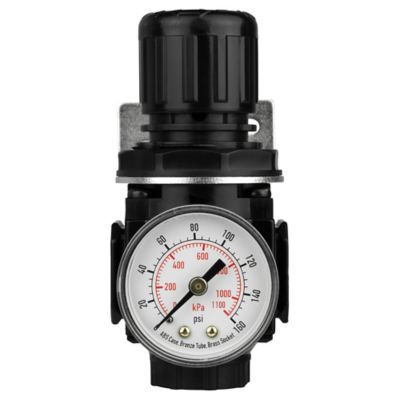
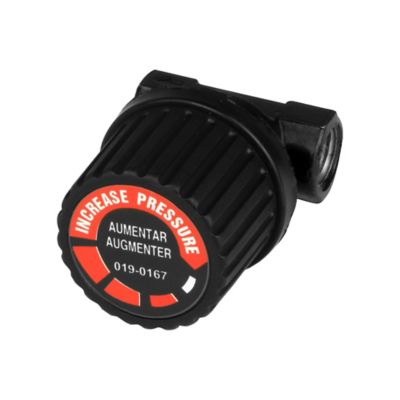
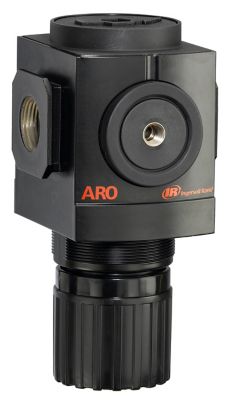
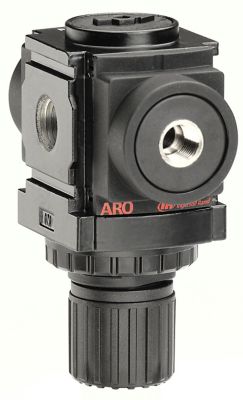
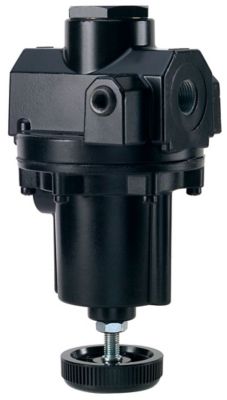
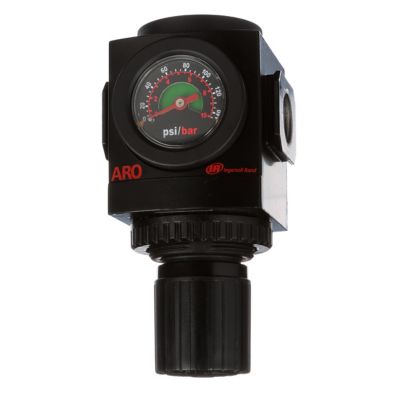
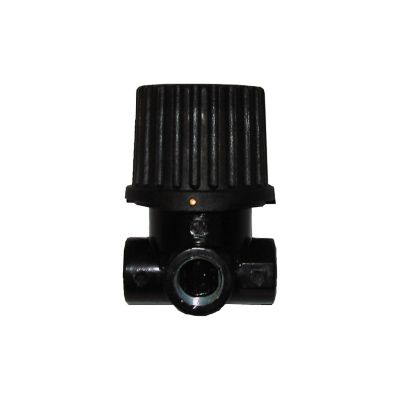
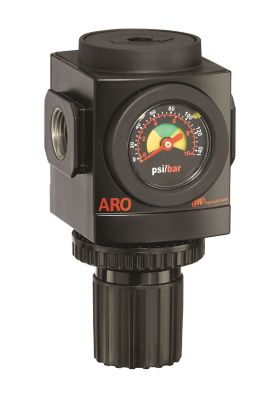
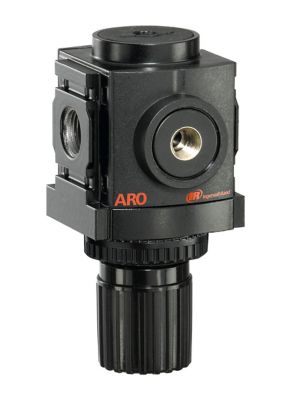
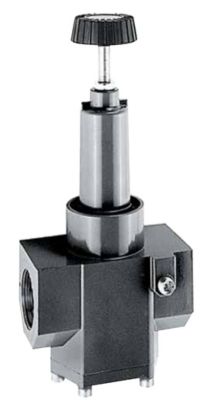
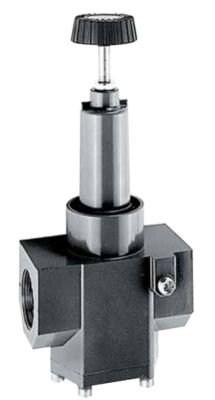
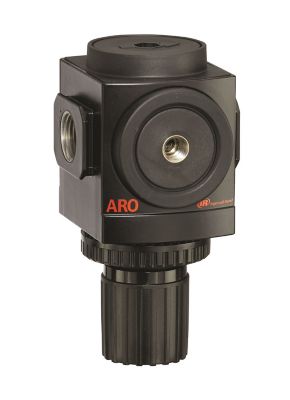
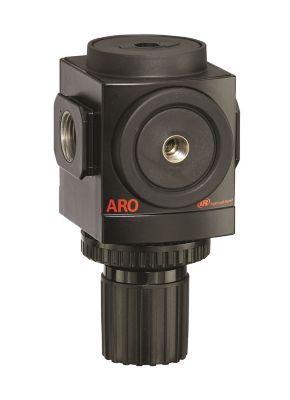
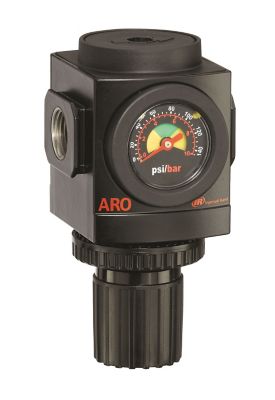
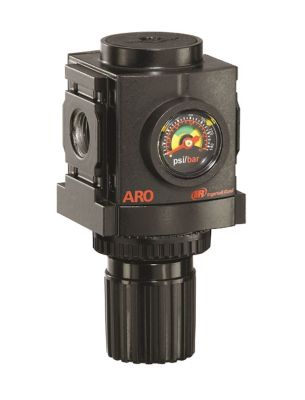
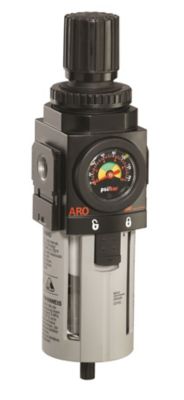
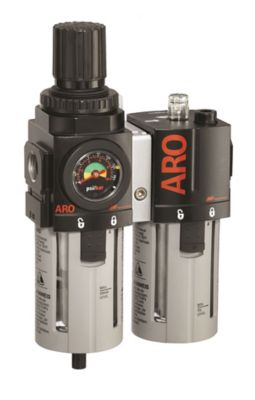
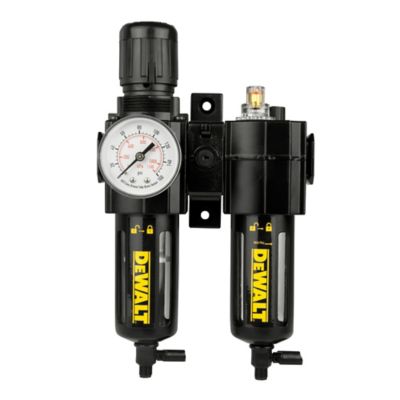
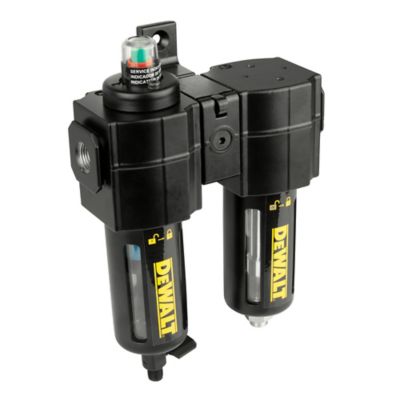
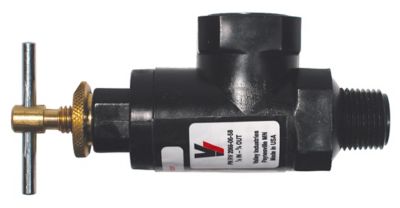
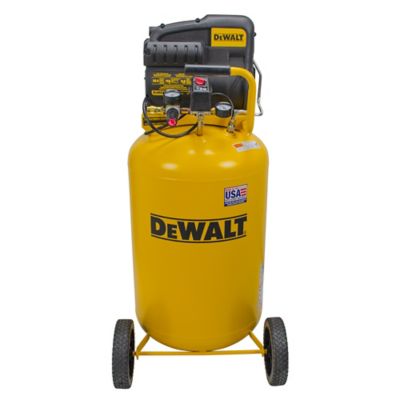
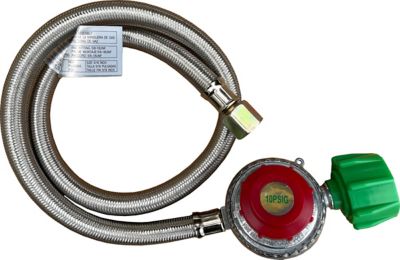
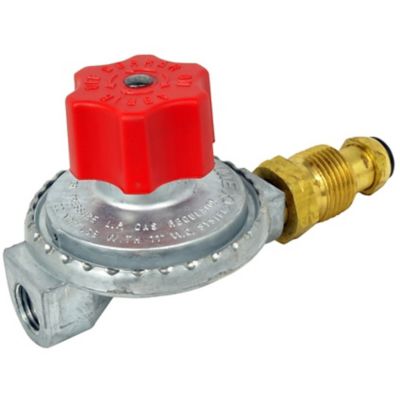
Air pressure regulators help turn the high, changing pressure stored in an air compressor tank into a steady outlet pressure that a pneumatic tool can use safely and consistently. They are useful around the farm, garage, workshop and jobsite wherever compressed air powers nailers, staplers, blow guns, impact tools, paint equipment, tire inflators or other air-operated gear. Inside a typical regulator, a spring and flexible diaphragm work together to move a valve. As downstream pressure changes, the diaphragm responds and opens or closes the valve to maintain the pressure selected at the outlet. Many regulators also include a gauge so you can see the approximate PSI setting at a glance. This steady flow can make a noticeable difference when you are driving fasteners into fence boards, cleaning dust from equipment, inflating trailer tires or running a tool for longer stretches. Without regulation, the pressure coming from a compressor may be higher than the tool calls for, and it can rise or fall as the compressor cycles. A regulator gives you a practical way to match the air supply to the job instead of asking every tool to handle the full pressure in the tank. When shopping, start by checking the pressure range your tools require and the maximum pressure your compressor can provide. A regulator should be rated for the compressor’s working pressure, with a suitable adjustment range for the tools you plan to use. Airflow matters, too. A small regulator with a narrow passage may work well for a nail gun or light-duty inflator but restrict the volume needed by a high-demand impact wrench, grinder or paint sprayer. Look at the regulator’s recommended CFM or airflow rating along with the inlet and outlet size. Common connections include 1/4-inch and 1/2-inch NPT fittings, but the right size depends on the compressor, hose, couplers and tool in the complete air line. Matching connection sizes helps avoid unnecessary adapters and possible flow loss. It is also worth checking whether the regulator has a locking adjustment knob, an easy-to-read gauge, a pressure-relief feature or mounting holes for a more permanent shop setup. A compact unit can be handy at the end of a hose or near a single tool, while a larger unit may be better suited to a compressor line that supplies several work areas.
For the most dependable setup, install the regulator in the air line before the tool, with the airflow direction matched to the markings on the body. Use fittings that are rated for compressed air, and seal threaded connections as recommended for the fitting type without blocking the inside passage. After connecting the hose, turn the adjustment knob counterclockwise to reduce the setting, then start the compressor and slowly turn the knob clockwise to increase outlet pressure. The gauge reading is most useful while air is moving, so pull the tool trigger briefly or open the air valve while making the final adjustment. This shows the working pressure under load instead of only the pressure sitting in a quiet line. Always follow the tool manufacturer’s recommended PSI and avoid raising the setting simply because more pressure feels stronger; too much pressure can damage seals, drive fasteners too deeply, affect paint or finish quality and create unnecessary wear. A regulator does not replace the compressor’s tank pressure switch, safety valve or other built-in protections, and it should not be used to repair a damaged hose, fitting or tank. Drain moisture from the compressor as directed, especially during cooler months when condensation can collect in the tank and air lines, and keep dust, oil and water out of tools that require clean, dry air. If moisture control is important, a filter or water separator used with the regulator can help protect air tools and improve results, while lubricated tools may need an appropriate in-line oiler installed according to the manufacturer’s instructions. Those shopping for a complete air-control setup may also want to compare
Air Tank Regulators for options designed to manage pressure closer to the compressor tank. Air pressure regulators make a practical addition to a working shop and can be a thoughtful gift for someone setting up a home garage, maintaining livestock equipment, building fence, restoring machinery or tackling weekend repairs. Whether the job is a quick tire top-off before heading down a gravel road or a long afternoon of fastening boards in the barn, choosing a regulator with the right PSI range, airflow capacity, connection size and construction helps keep compressed air controlled, useful and ready for the work ahead.