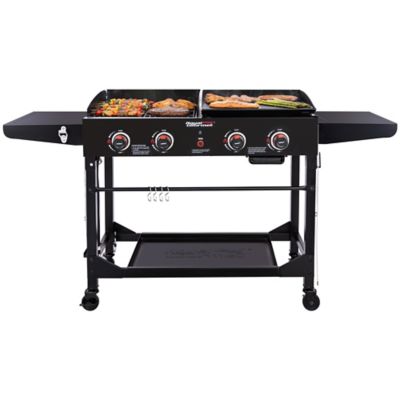
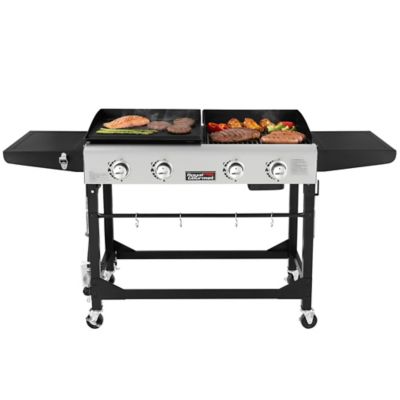
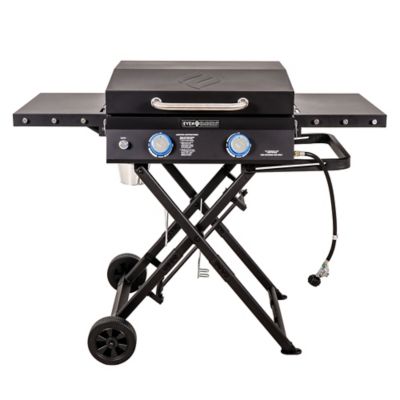
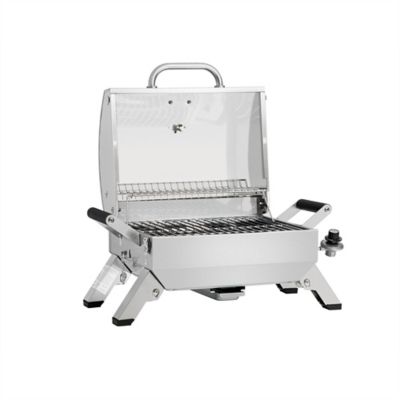
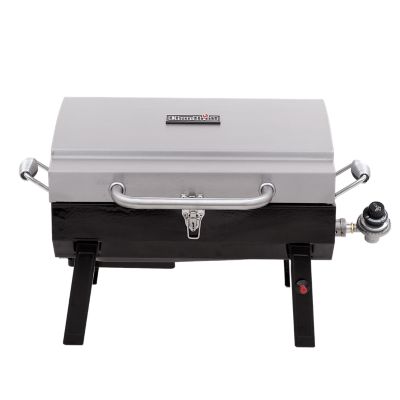
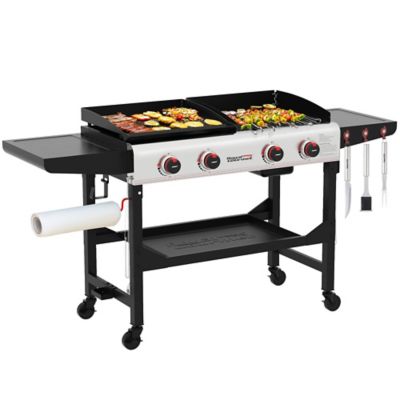
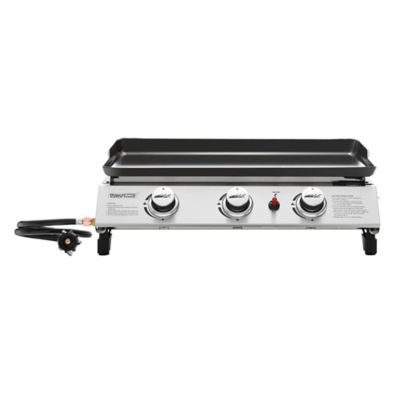
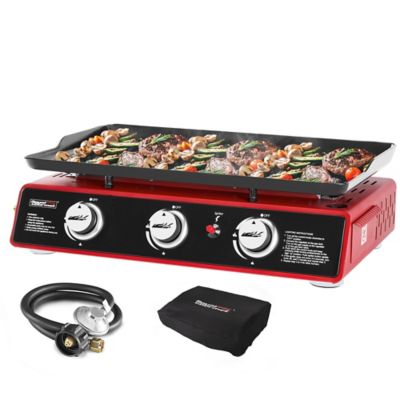
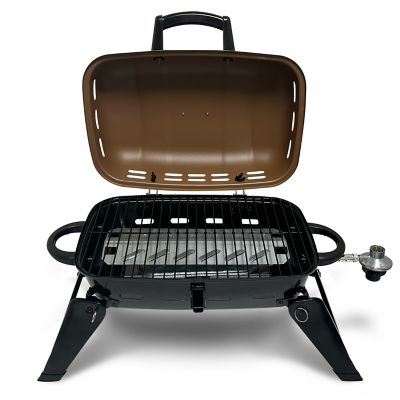
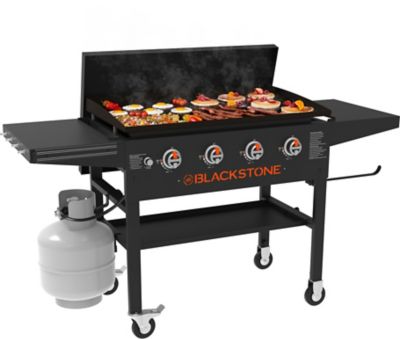
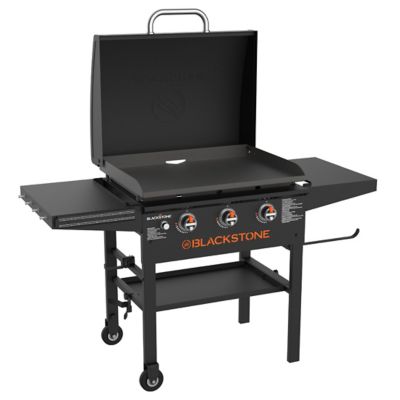
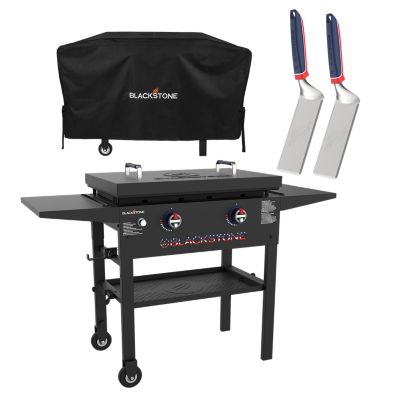
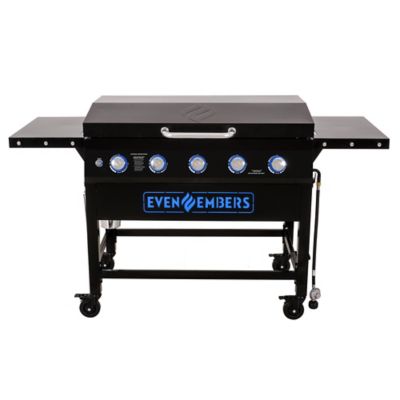
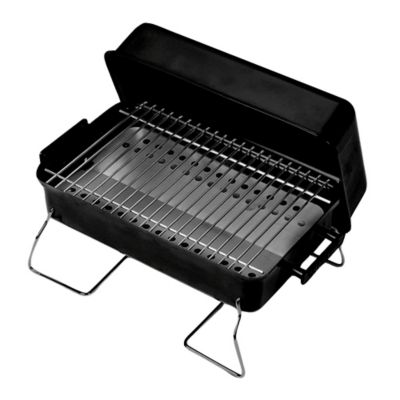
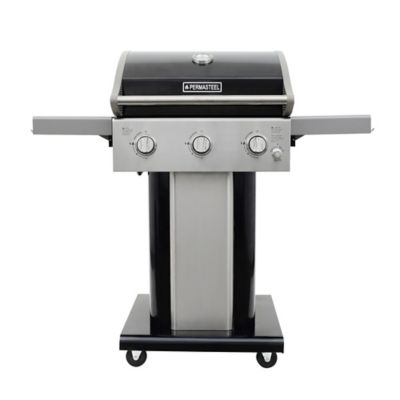
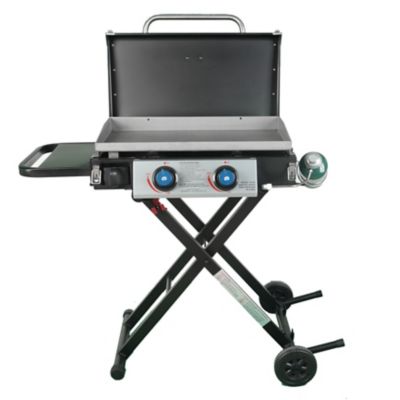
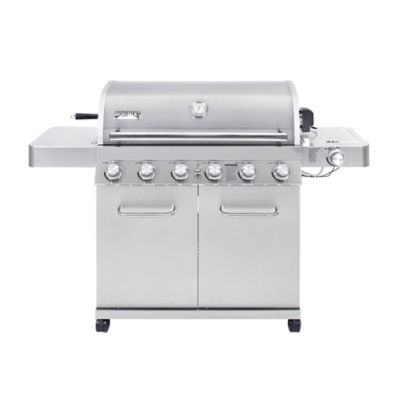
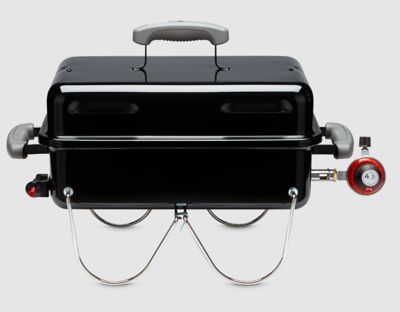
Outdoor portable gas grills bring a familiar cookout setup to campsites, tailgates, picnic spots and smaller backyard spaces without taking up the room of a full-size backyard grill. Most run on propane, with burners that light through a push-button or rotary ignition system and controls that adjust the flame for different foods. That makes them a practical fit for burgers after a day on the lake, breakfast sausage at camp or a few chicken breasts for supper on the patio. The main styles include tabletop grills, compact grills with folding legs and wheeled models with collapsible stands. A tabletop design keeps the setup simple when a sturdy, heat-safe surface is part of the plan, while an attached stand provides a cooking height without needing a separate table. Wheels can ease the trip across a parking lot or campsite, though wheel size and ground clearance matter on gravel and uneven ground. Carry weight tells only part of the portability story: handles, balance, folded dimensions and a secure lid latch all affect how manageable a grill feels when loading it into a vehicle. A compact grill still needs enough space for its lid to open, its controls to remain within reach and its required clearances from nearby surfaces. The size that fits neatly in a pickup bed may take more planning to fit beside coolers and camping gear in a smaller vehicle. For regular travel, attached parts and a straightforward folding mechanism mean fewer loose pieces to keep track of between stops. For a grill that mostly stays near the house, an easy-to-move cart may matter more than the lightest possible carry weight. Whatever the setting, these grills belong outdoors in an open area, never inside a tent, vehicle, garage or other enclosed space. Placement should follow the manufacturer’s instructions and any campsite, property or local rules.
Cooking space, burner layout and grate construction help distinguish outdoor portable gas grills that otherwise look similar. A smaller single-burner grill can suit a couple cooking a straightforward meal, while a broader cooking surface gives a family more room for burgers, corn and sliced vegetables without working through as many batches. The stated cooking area is worth viewing alongside the grate’s shape: a narrow surface may fit several sausages but leave less room for larger cuts or a skillet. Separately controlled burners can provide different heat zones, making it easier to sear food on one side and finish it more gently on the other. Indirect cooking depends on the grill’s layout and the manufacturer’s guidance, so multiple burners alone do not guarantee every cooking method. BTU ratings describe fuel energy input rather than proving how evenly a grill cooks; burner placement, lid design and heat retention also influence results. A lid thermometer gives a reading near its sensor, while a separate food thermometer checks whether meat has reached a safe internal temperature. Grate materials bring their own trade-offs. Cast iron retains heat well and can produce a strong sear, but bare cast iron needs appropriate cleaning, drying and seasoning to limit rust. Porcelain-coated grates have a smooth finish that needs care to avoid chips, while stainless steel grates offer another approach to everyday cleanup. For shoppers comparing body and grate materials,
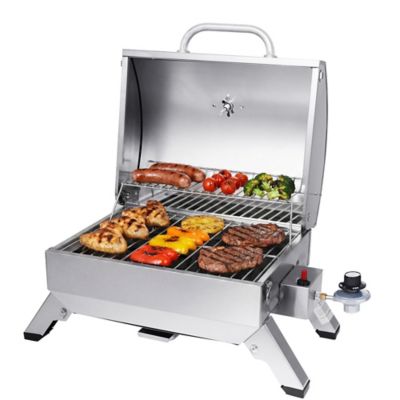
Stainless Steel Portable Gas Grills are worth a closer look for their corrosion resistance and straightforward care. Stainless steel still needs cleaning and is not immune to staining or rust, particularly around neglected grease and food residue. Cast aluminum bodies are another construction option, often paired with a compact shape that travels well. Sturdy hinges, a well-supported lid and steady legs matter as much as the finish when a grill moves from storage to the picnic table time after time.
Fuel connections and cleanup features make a difference over the long haul, especially for folks who cook away from home. Many portable propane grills connect to small 1-pound cylinders, while some accept a larger refillable tank through a manufacturer-approved hose and regulator arrangement. Compatibility depends on the grill, not just whether a fitting appears to connect. An RV propane connection may require a different approved setup, so a standard tank adapter is not automatically the right match. Fuel consumption varies with burner output, control settings and cooking time; a cylinder that handles several short suppers may not cover an extended afternoon of cooking for a crowd. Secure, upright transport and storage of propane cylinders should follow the cylinder label, grill instructions and applicable rules. A stable base, accessible shutoff controls and room to keep children and animals away from hot surfaces are useful parts of any setup. After the meal, a removable grease tray can simplify cleanup, and a design with accessible cooking surfaces makes it easier to clear away food scraps before the next outing. Grease should not be left to build up, and cleaning tools need to match the grate material so coatings stay intact. Once everything has cooled, dry surfaces and a properly fitted cover help protect the grill between trips. Hoses, fittings, burner openings and ignition components also need routine inspection according to the owner’s manual, including a leak check with the recommended method whenever connections change; an open flame is never a leak-testing tool. A little attention before packing means less fuss when everyone is ready to eat. Portable gas grills can also make a useful gift for campers, tailgate cooks, RV travelers or someone setting up an outdoor cooking space. The best fit comes down to how that person travels, how many mouths they usually feed and how much equipment they want to carry. A manageable footprint, comfortable working height and room for the usual meal help turn a portable grill into a regular part of getting together outside.