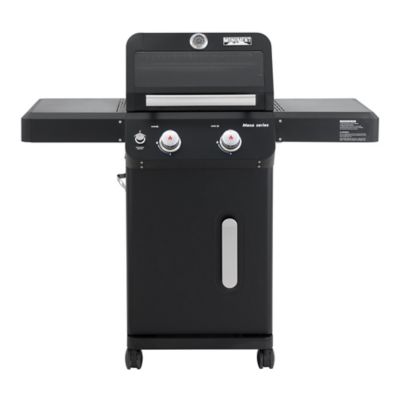
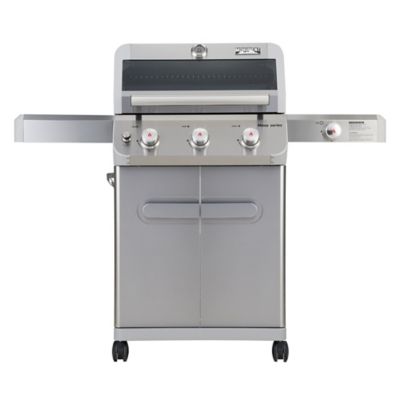
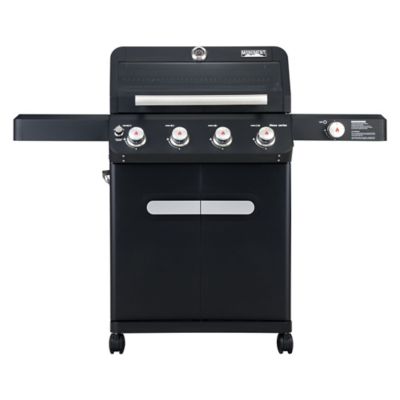
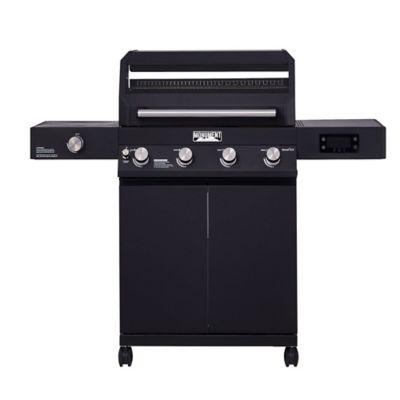
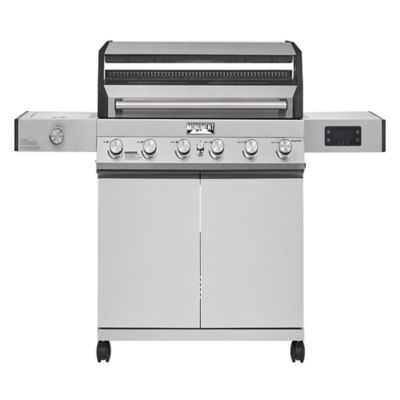
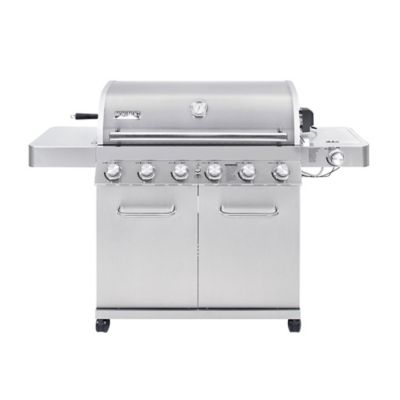
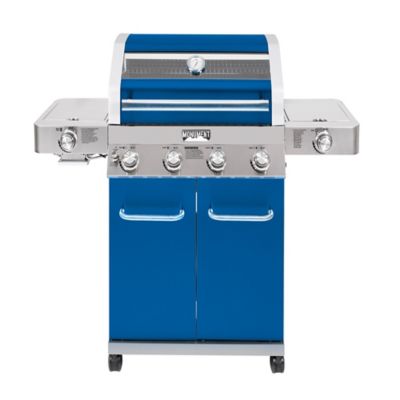
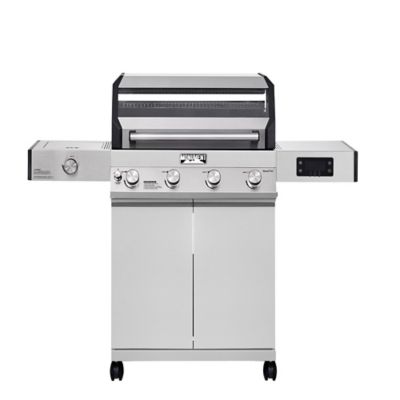
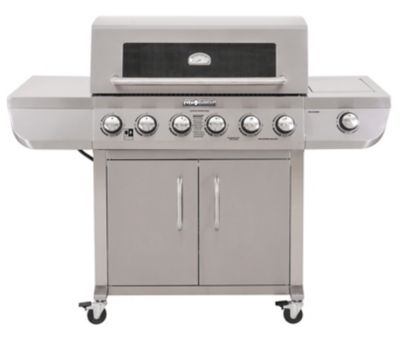
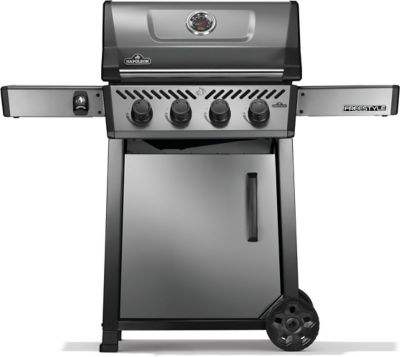
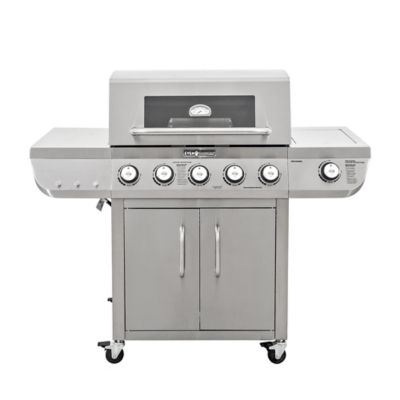
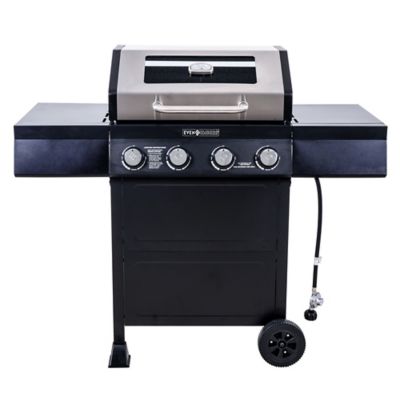
Gas grills for outdoor kitchens bring the good parts of cooking outside into one comfortable, permanent setup. Instead of rolling a grill across the patio or keeping it tucked in the shed, a built-in gas grill can fit into an island made from stone, stucco, brick, concrete, or outdoor-rated stainless steel cabinets. These grills are designed to slide securely into a prepared cutout, creating a neat cooking station with room below for fuel, tools, serving trays, and seasonings. They work well for folks who cook for the family most nights, host neighbors on the weekend, or simply enjoy standing by the fire while supper comes together. A gas grill can handle everything from burgers, brats, chicken, and steaks to vegetables, fish, and foil-wrapped potatoes. The quick start-up and steady heat are especially handy when you want dinner on the table without hauling charcoal, waiting for coals to ash over, or cleaning up loose fuel afterward. During the cooler months, an outdoor kitchen can still be a useful gathering spot when paired with good lighting, a covered area, and a warm drink nearby. A built-in gas grill may also make a thoughtful gift for someone finishing a patio project, building a backyard entertaining area, or spending more time cooking at home. Before choosing one, take a close look at the outdoor kitchen plans and measure the opening carefully. Built-in grill heads are not the same as freestanding grills, and the width, depth, height, and clearance requirements need to match the island cutout. Most options fall into compact widths around 25 inches, while larger models commonly measure about 32 to 42 inches. A smaller grill can suit a couple or a tight patio, while a wider cooking surface gives a busy household more room to keep burgers on one side and vegetables or chicken on the other. More space also comes in handy when company gathers around the table. Leave enough room around the grill for safe movement, hot pans, utensil handles, and a landing spot for cooked food.
Fuel choice is another important part of planning a gas grill for an outdoor kitchen. Propane grills use a refillable tank, often stored in a vented cabinet or a pull-out drawer beneath the cooking area. Propane can be a practical choice for homes without an existing gas line, and extra tanks can be kept on hand so a cookout does not end early. Natural gas grills connect to a household gas supply line, which can provide a steady fuel source without changing tanks. A natural gas installation needs to be planned with a qualified professional, and the grill must be built for that fuel type; propane and natural gas connections are not interchangeable without the proper equipment. Check local codes, manufacturer requirements, and the location of shutoff valves before construction begins. For either fuel, look for burners that offer dependable ignition and easy-to-adjust controls, since precise heat makes it easier to sear a steak, gently cook chicken, toast buns, or keep food warm while guests are still arriving. Separate burner controls let you create different heat zones across the cooking surface. That means one side can run hot for caramelized edges while another side stays at a lower temperature for slower cooking. High-output sear areas can be useful for steaks and chops, while an infrared rear burner may support a rotisserie setup for whole chickens, roasts, or holiday meals. A warming rack helps keep finished food at serving temperature, and interior lights or illuminated controls can make evening cooking easier when daylight fades. Heavy-duty stainless steel construction is popular for outdoor kitchens because it can stand up to sun, moisture, grease, and changing temperatures. Look for well-made grates, sturdy hood hinges, smooth control knobs, and surfaces that are easy to wipe down. A strong hood helps hold heat around the food and directs smoke away from the cook, while built-in thermometers provide a quick reading without lifting the lid. Features such as ceramic briquettes or heat shields can help distribute heat more evenly and protect burners from drippings, though regular cleaning is still part of keeping any grill ready for the next meal.
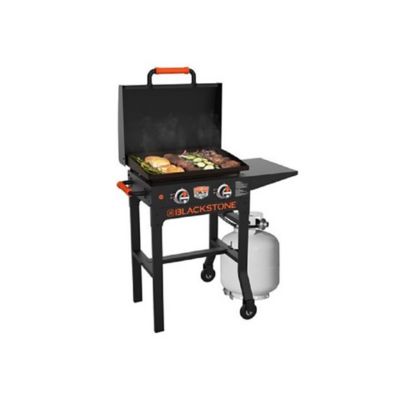
When comparing gas grills for outdoor kitchens, think about how you actually cook rather than choosing features just because they sound impressive. A family that mostly prepares burgers and vegetables may value a broad, easy-clean cooking surface and reliable temperature control. Someone who enjoys weekend briskets, roasts, or rotisserie chicken may prefer extra depth, a rear burner, and a hood with plenty of clearance. If outdoor meals often stretch into the evening, internal lighting can be more useful than a feature that rarely gets used. For a small island, measure the available space for the grill head, side shelves, refrigerator, drawers, and access doors before settling on a size. The grill should have enough room to open fully without striking a wall, roof support, cabinet, or nearby seating. Think about airflow, too. Gas appliances need the ventilation and clearances specified for safe installation, especially when enclosed by cabinetry. Plan for a durable countertop with room to set down a platter, and keep combustible materials, curtains, decorations, and stored supplies away from hot surfaces. A grill cover can help protect the exterior between uses, but it should only be used after the grill has cooled and should allow moisture to escape. Clean cooking grates regularly, empty grease trays as needed, and inspect fuel connections at the start of each season. If you like the idea of cooking outdoors but want a smooth, griddle-style surface for pancakes, breakfast sausage, chopped vegetables, or smash burgers, browse
Flat Top Grills For Outdoor Kitchens as another option for completing the cooking area. The right built-in gas grill becomes more than an appliance; it serves as the center of a practical outdoor room where supper can be shared, farm-fresh produce can be put to good use, and family recipes can be made with a little fresh air around them.