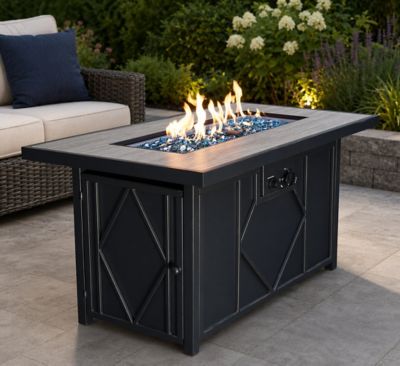
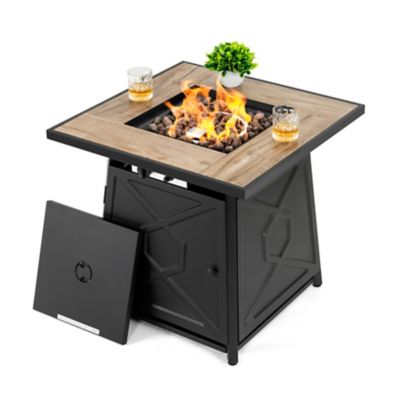
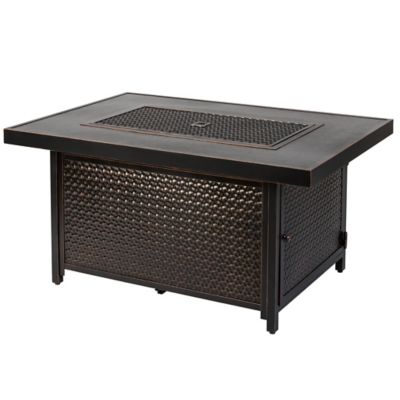
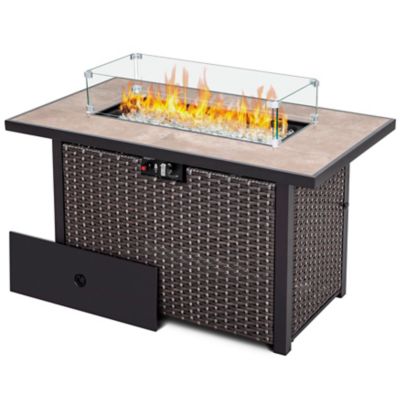
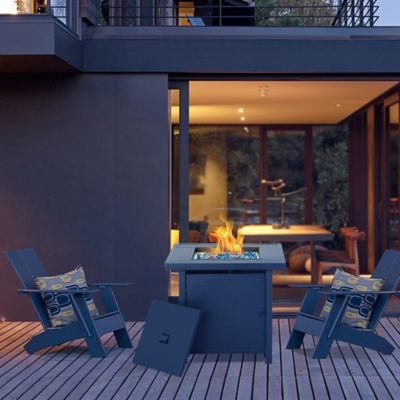
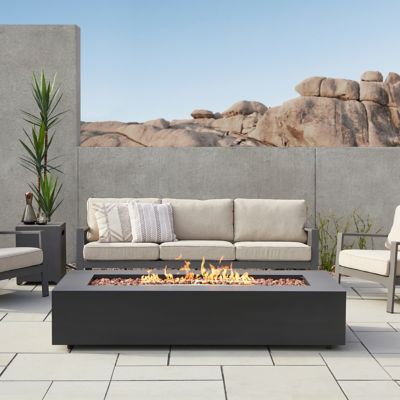
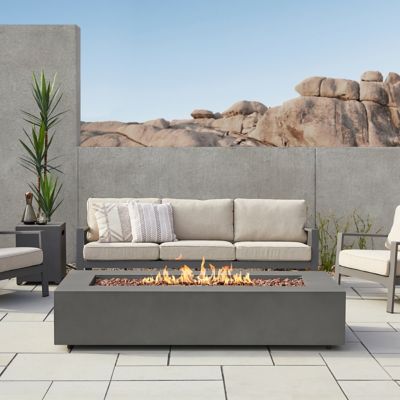
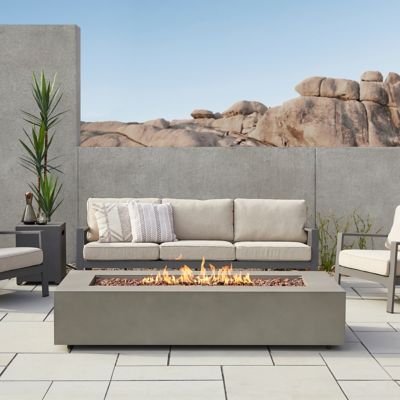
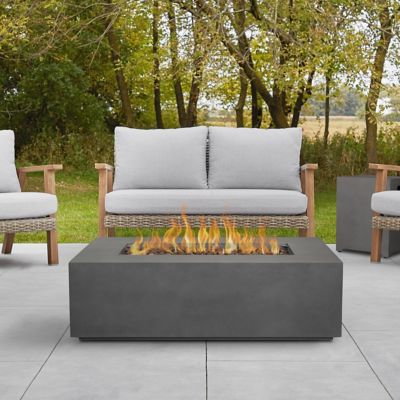
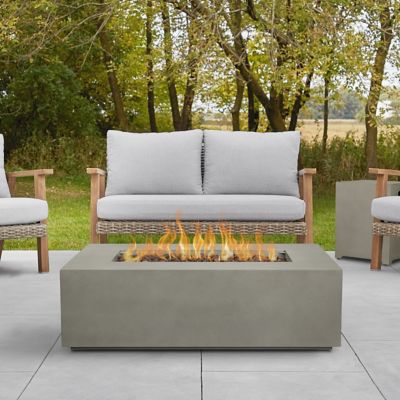
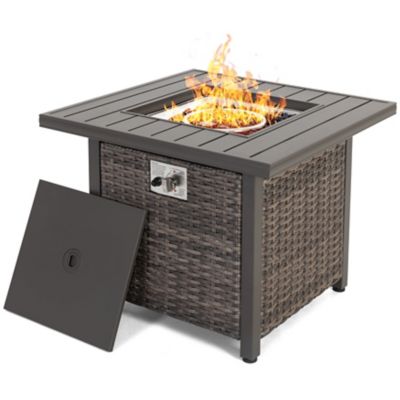
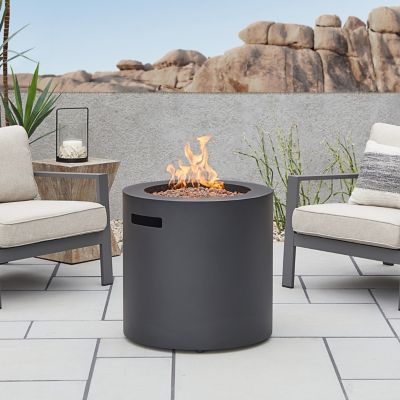
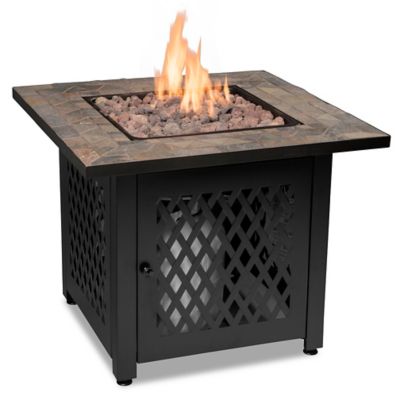
Patio fire tables bring a fire feature and an outdoor tabletop together in one gathering spot, with a recessed burner surrounded by space for drinks and small plates where the design permits. They give a backyard seating area a natural center, whether that means a pair of chairs beside a farmhouse patio or a full outdoor sofa set overlooking the pasture. Unlike a traditional wood-burning fire pit, a gas patio fire table runs on propane or natural gas, so there are no logs to stack or ashes to shovel. The flame adds light and warmth while leaving more time for catching up after chores, visiting with neighbors or settling in after supper. Propane fire tables connect to a refillable cylinder, sometimes tucked inside the base and sometimes positioned outside the table in a separate enclosure. Natural gas fire tables connect to a fixed gas supply, making them better suited to a planned, permanent gathering area with a connection installed by a qualified professional. For a closer look at these fuel-powered designs,
Gas Fire Tables brings together the same practical mix of flame and tabletop function. Fuel compatibility matters: a propane appliance cannot simply connect to a natural gas line, and conversion is appropriate only when the manufacturer permits it with the specified equipment. Many designs offer adjustable flame controls and push-button or electronic ignition, though lighting procedures and battery requirements vary. Heat ratings commonly appear in British thermal units, or BTUs, and generally describe the burner’s fuel input rather than the warmth every seat will receive. Burner shape, flame setting and seating distance also affect the experience. A higher number alone does not tell the whole story. For a family that wants a comfortable spot to talk without tending a wood fire, the combination of a controlled flame and a usable table edge is often the main appeal.
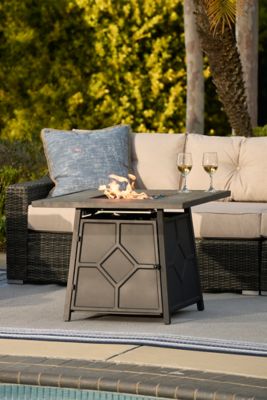
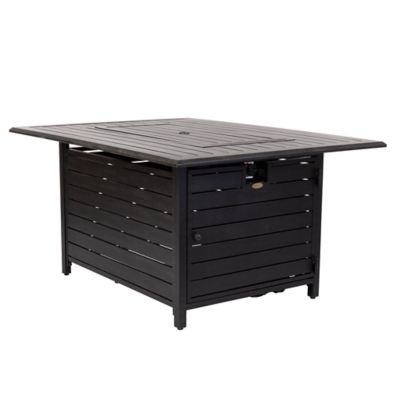
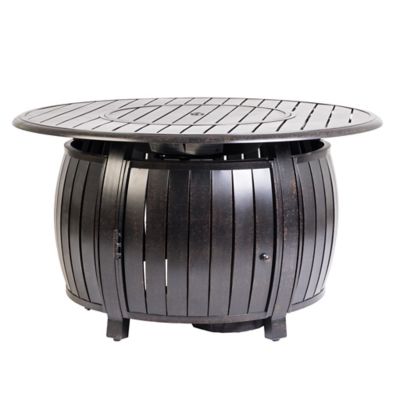
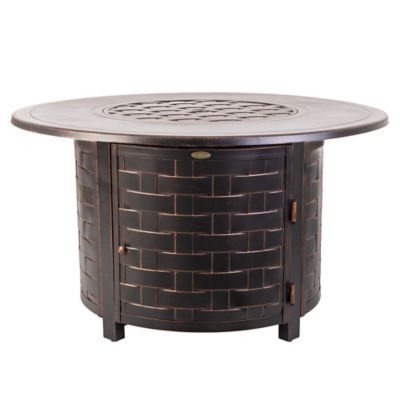
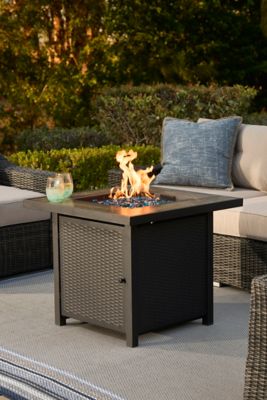
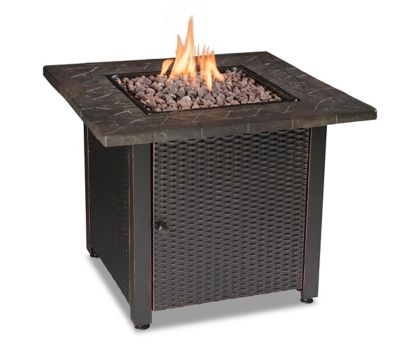
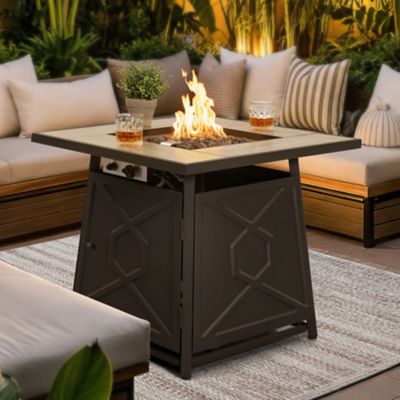
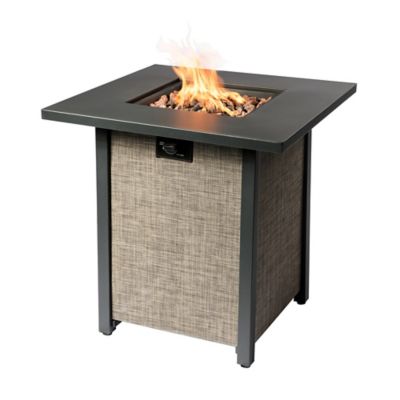
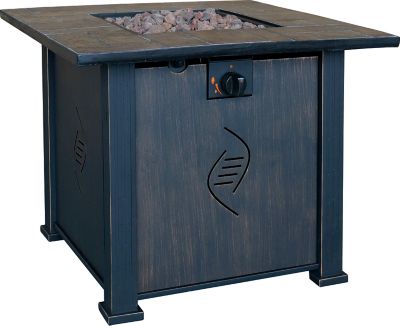
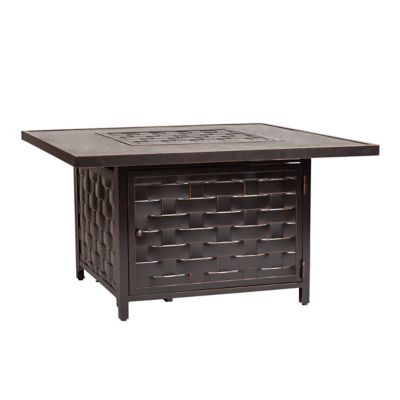
The right proportions help a patio fire table feel like part of the seating arrangement rather than an obstacle in the middle of it. Rectangular designs sit naturally alongside an outdoor sofa, while square tables work well between evenly spaced chairs. Round shapes can soften a corner-heavy layout and make conversation feel less divided into sides. Coffee-table-height designs suit lounge seating, while taller configurations need chairs that match their intended height and use. Overall dimensions are only part of the fit: the burner opening takes up some of the surface, so a wide table does not necessarily provide a wide resting area for a mug or plate. Tabletop space designated for serving should remain clear of the flame and hot components. A fitted burner lid can create a more continuous surface when the burner is off and completely cool, provided the table is designed for that purpose. Materials influence both appearance and upkeep. Powder-coated steel brings a substantial feel, but scratches in its finish need attention according to the care instructions to help limit corrosion. Aluminum generally weighs less and resists rust, while still benefiting from routine cleaning and protection for its finish. Concrete and composite stone designs give the seating area a grounded look, though their weight can make placement a job for more than one person. Tile surfaces offer another texture and may require attention around grout lines and edges. Resin wicker-style bases pair easily with woven outdoor chairs; the woven material forms the surround, not the fire chamber. Stainless steel burner components also benefit from cleaning, since stainless steel is not maintenance-free. Access doors, leveling feet, tabletop edges and the location of controls deserve as much attention as the finish. A propane cylinder door that opens toward a sofa can turn a simple tank change into a furniture-moving chore, while a heavy table may be impractical on a patio that gets rearranged often.
A patio fire table works best as a gathering piece with its own clear space, not as an extra surface squeezed into a busy walkway. On a country property, that might mean keeping the route from the back door to the yard open for someone carrying a feed bucket or leading a pet outside. Enough room around the seating lets people stand up and pass behind chairs without stepping close to the burner. These appliances are intended for outdoor use, never inside a home, garage or enclosed porch. Placement on a deck or beneath any overhead structure depends on the appliance’s listing, required clearances and installation instructions; an open side does not automatically make a covered location suitable. A stable, level supporting surface, separation from combustible materials and unobstructed ventilation around the base all matter. For gas appliances, certification by a recognized testing organization to an applicable standard, such as ANSI Z21.97/CSA 2.41, provides a useful point of comparison. Glass wind guards, where approved for the table, surround the burner but are not childproof barriers and can become hot. Children and pets need supervision, and throws, cushions and loose clothing belong away from the flame. Fire glass and lava rock must be the type and quantity specified for the burner; ordinary stones or glass are not substitutes. Unless the manufacturer expressly allows cooking, a fire table is a place to gather around, not a grill or a marshmallow-roasting station. Everyday care usually includes wiping the tabletop with a compatible cleaner, clearing debris from the burner area when cool and checking accessible components as directed in the manual. A fitted cover can help keep dirt and yard debris off the table after it has fully cooled. Shut down the appliance and its fuel supply according to the instructions after each gathering. For a housewarming or a shared family gift, a patio fire table makes the most sense when the recipient’s space, fuel setup and seating plans are already known. With those details settled, it can become the spot where an ordinary evening stretches into another good conversation.