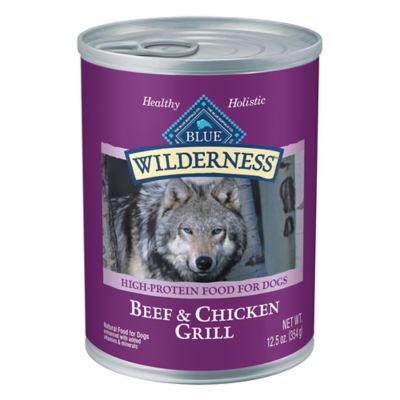
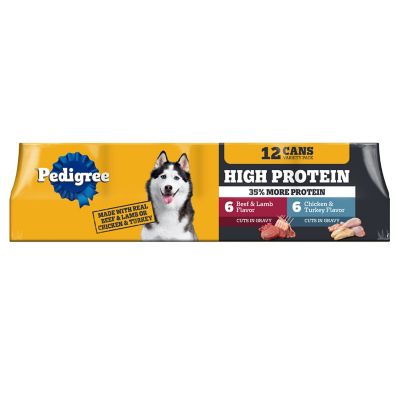
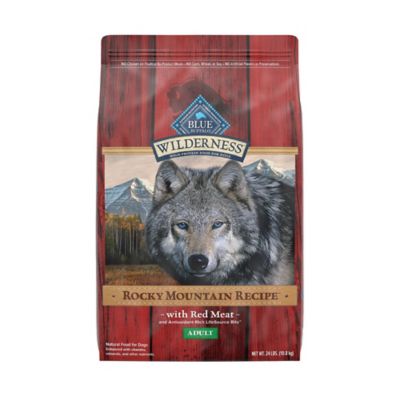
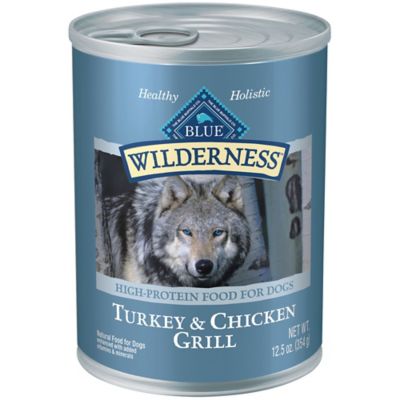
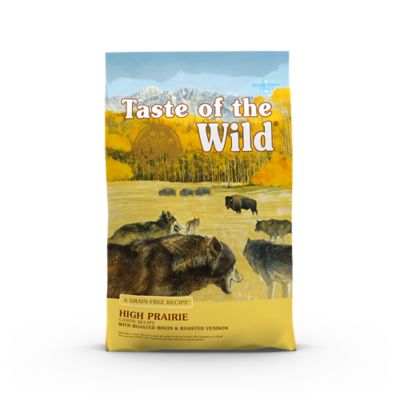
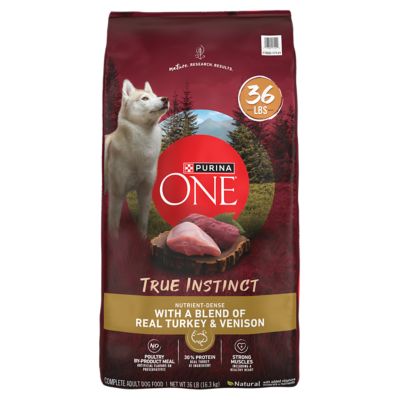
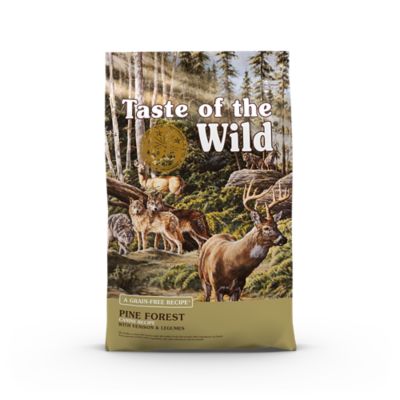
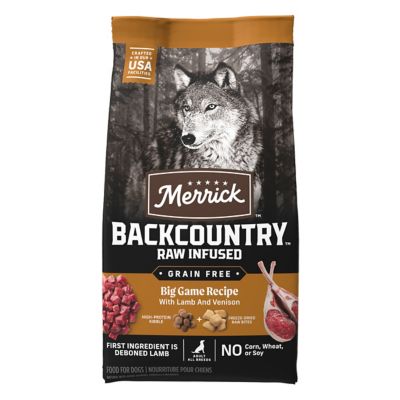
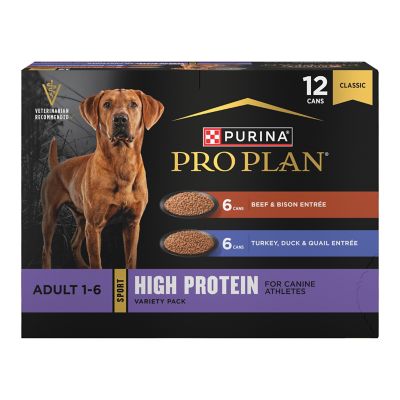
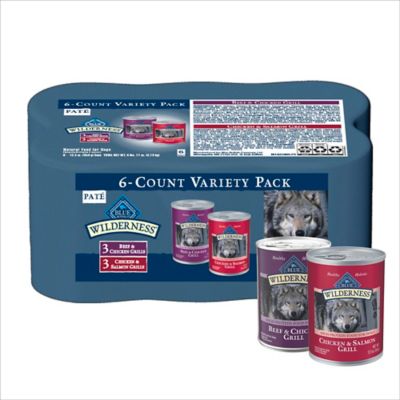
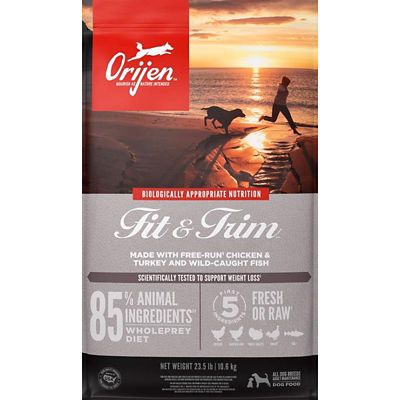
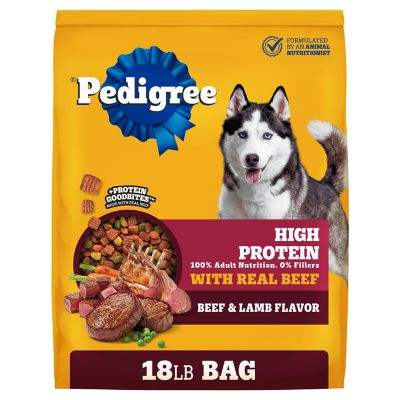
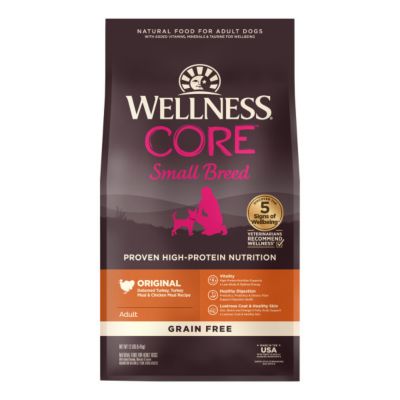
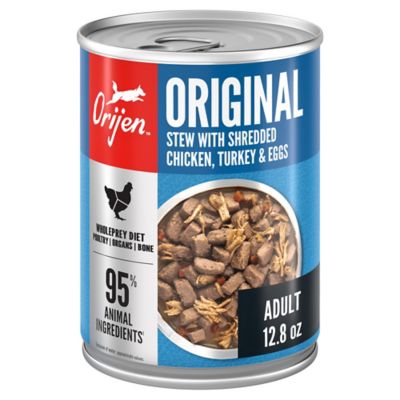
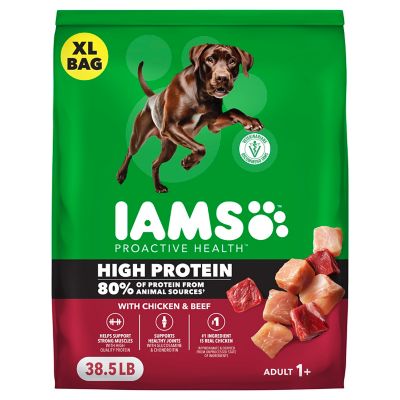
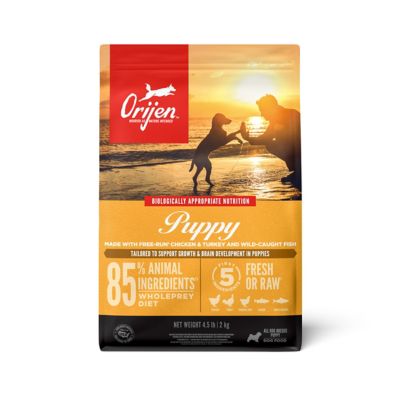
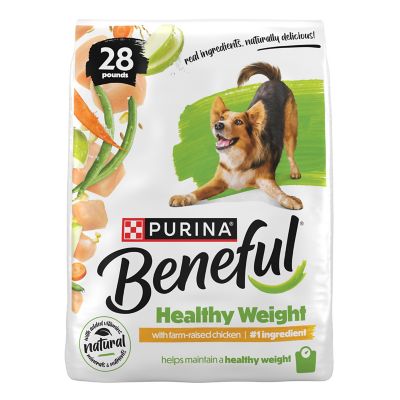
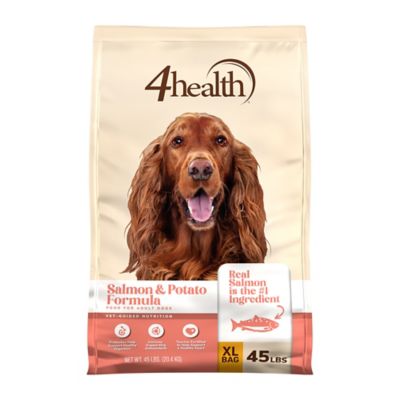
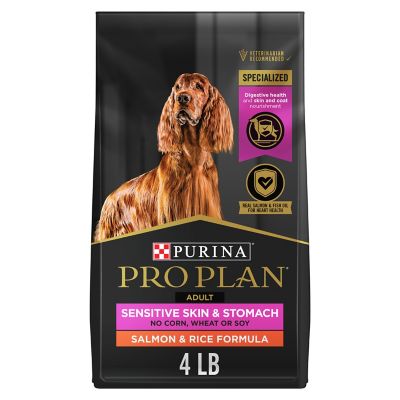
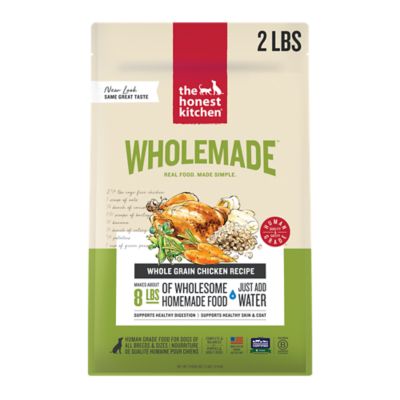
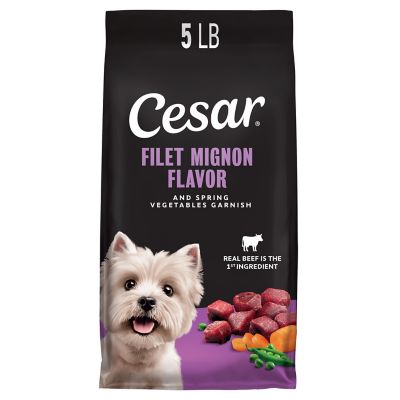
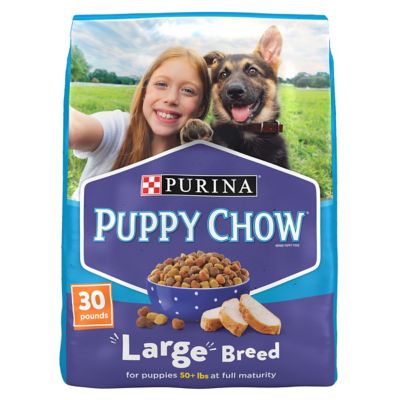
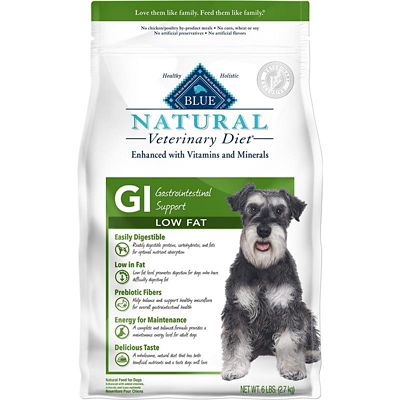
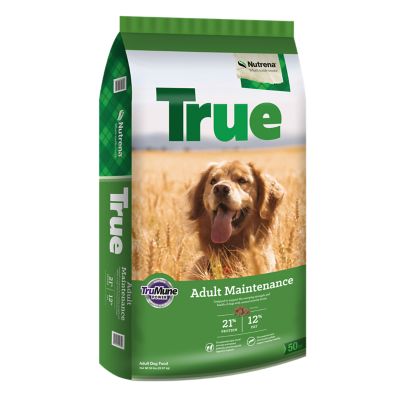
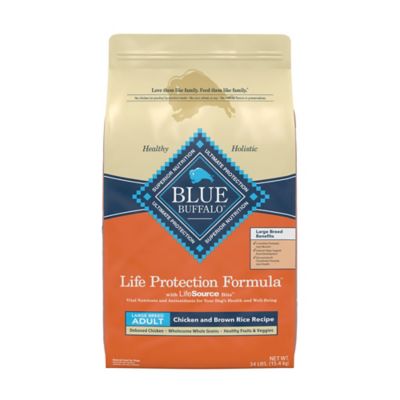
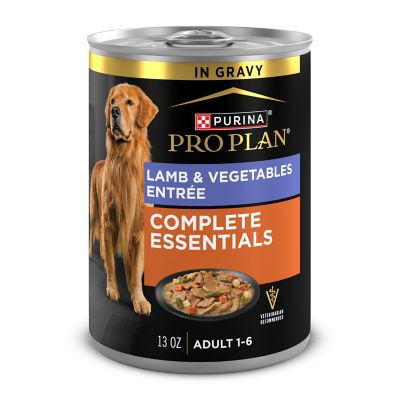
Multi protein dog food brings more than one protein source to the bowl, with combinations that may include chicken, beef, lamb, turkey, fish, or eggs. For the dog that rides along for chores and the one that settles beside the kitchen table, these recipes offer different flavors and textures within an everyday feeding routine. Protein supplies amino acids that help maintain muscles, skin, and coat, but a blend of meats is only one part of the meal. The full recipe matters, including its fat content, carbohydrates, fiber, vitamins, and minerals. Multiple protein sources do not automatically mean a food contains more protein, and a higher protein percentage does not automatically make a recipe the right fit for every dog. Some blends lean toward poultry, while others combine red meat and fish or bring several animal ingredients together. The ingredient list gives a fuller picture than the recipe name alone, especially when the front of the bag highlights just two of several protein sources. Dry kibble makes portioning straightforward and fits many daily routines, while wet food brings more moisture and a softer texture. Some dogs take readily to crunchy bites; others do better with a softer meal because of dental needs or a veterinarian’s recommendation. Kibble size matters, too: a small dog and a broad-jawed farm companion may handle the same bite differently. For households serving both wet and dry food, the combined calories matter more than the amount of either food on its own. Comparisons between the two formats also need to account for moisture, since the protein percentages printed on a can and a bag are not directly comparable. Taken together, recipe composition, texture, calorie content, and feeding suitability give a clearer picture of how a multi protein food might fit the dog at the end of the leash.
A good match starts with the dog’s life stage and everyday needs, whether that means a growing pup, a full-grown companion, or an older dog whose routine has slowed down. A nutritional adequacy statement identifying a food as complete and balanced for the appropriate life stage is more useful than a bold claim about meat on the package. Foods intended only for intermittent or supplemental feeding are not meant to serve as the entire daily diet. Puppy nutrition deserves particular attention because growing dogs need the right balance of energy and nutrients, not simply extra meat. Households feeding a young dog can also explore
High Protein Puppy Food while checking that any recipe suits the puppy’s expected adult size. Large-breed puppies need food appropriate for their growth, including controlled mineral levels, so the label’s growth statement is especially important. Among adult dogs, the energetic companion covering ground alongside the family may need a different calorie allowance than the dog keeping watch from the porch. Body size alone does not tell the whole story; activity, body condition, reproductive status, and health all affect feeding needs. A veterinarian can help sort out those differences when weight or medical concerns enter the picture. Multi protein recipes also call for careful ingredient review when a dog has a known food allergy. A meal described as beef and fish may contain chicken, egg, or another animal ingredient elsewhere in the recipe, and combining proteins does not make a food less likely to trigger a reaction. Dogs following a veterinary elimination diet generally need a more tightly controlled approach. Grain-inclusive and grain-free recipes are separate choices from the number of protein sources, too. Neither description, on its own, explains whether a food meets an individual dog’s needs. For dogs with ongoing itching, ear trouble, vomiting, or loose stools, a conversation with the veterinarian is more helpful than repeatedly changing protein combinations and hoping one sticks.
Once a recipe fits the dog’s needs, the everyday details help make feeding manageable. Calorie content can vary considerably between multi protein foods, even when the kibble looks similar or the feeding chart suggests a familiar scoop size. Measuring portions with a kitchen scale gives a more consistent amount than a heaping cup, and package directions provide a starting point rather than a fixed serving for every dog. Treats, training rewards, toppers, and anything slipped from the dinner table add to the daily total. That matters in a busy household where one person fills the bowl before chores and another hands out snacks later. A shared feeding routine helps keep those extras from quietly becoming another meal. Changes in food generally go more smoothly with a gradual transition over several days, unless a veterinarian recommends otherwise. Mixing increasing amounts of the new food into the previous food gives the digestive system time to adjust, while appetite and stool changes help signal whether the pace needs to slow. Storage deserves the same attention as serving. Dry food stays best protected in its original bag, tightly closed and placed inside a clean, food-safe container if desired. Keeping the package also preserves the lot information and best-by date. Rather than pouring a fresh bag over old crumbs, an emptied storage container benefits from washing and thorough drying before the next refill. Opened wet food belongs in the refrigerator, covered and handled according to its package directions, with unfinished portions discarded as directed. Clean bowls and fresh drinking water belong alongside any feeding plan. In homes with several dogs, separate meals can make it easier to track portions, prevent food stealing, and notice when one dog loses interest in supper. The right multi protein dog food fits into that whole routine: suitable nutrition, a texture the dog can manage, portions that support a healthy body condition, and storage and serving habits that keep each meal ready for the next feeding.