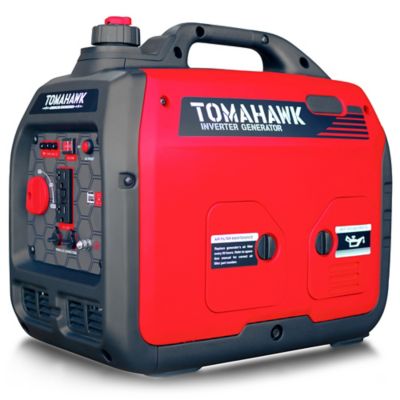
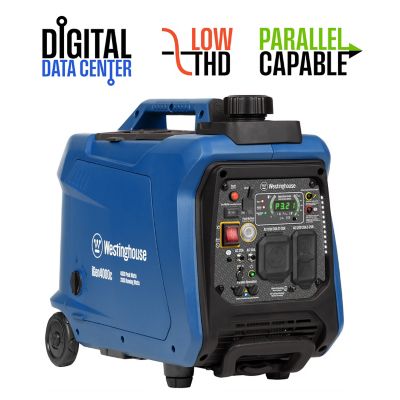
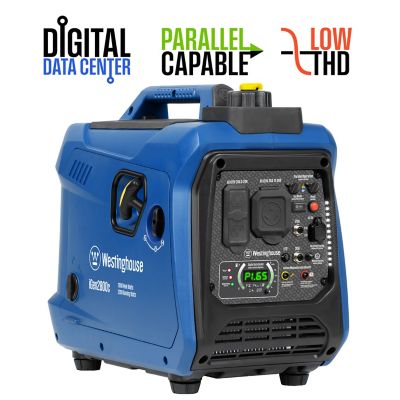
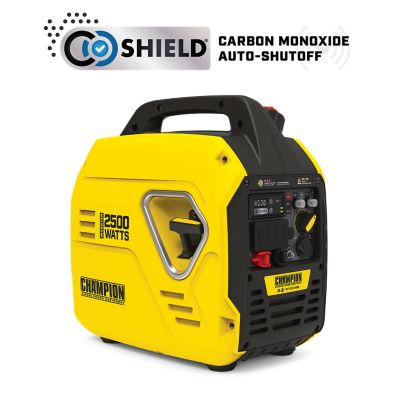
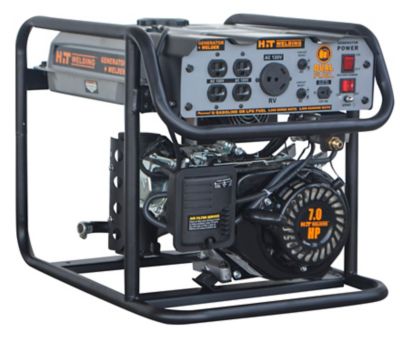
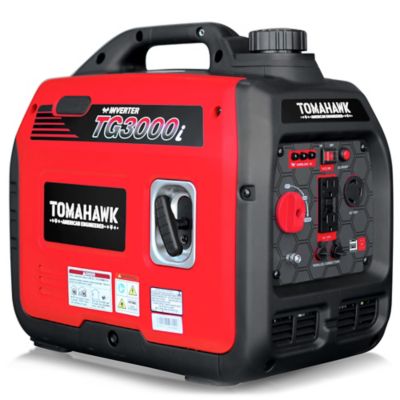
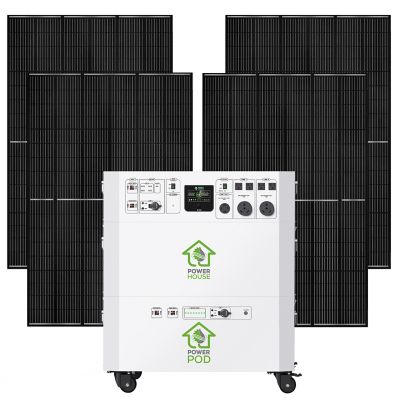
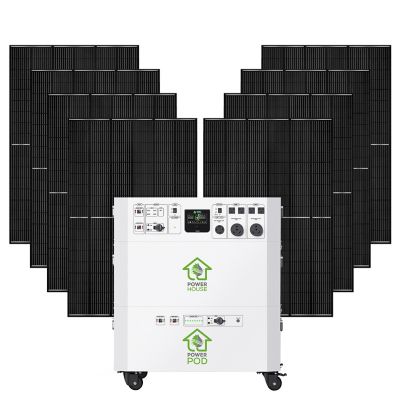
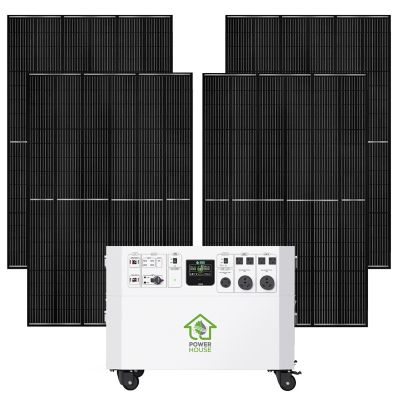
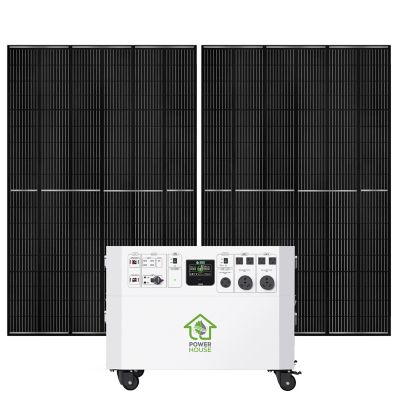
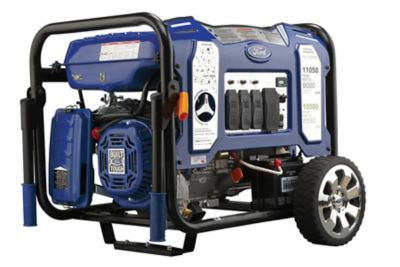
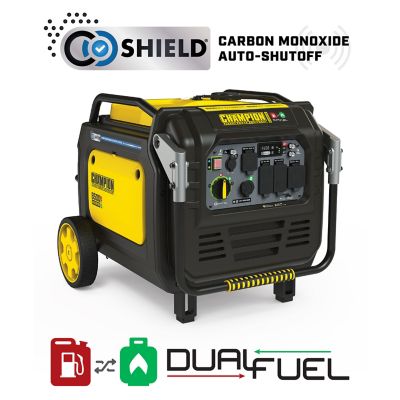
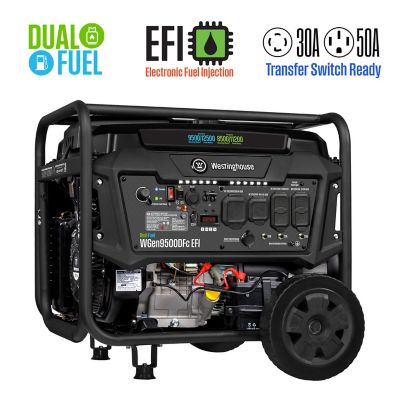
Small generators for home use offer a practical way to keep a few important things running when the power goes out. A compact unit can help charge phones, tablets, laptops and rechargeable lanterns, keep a Wi-Fi router going, power a fan or LED lights, and support a small refrigerator or car fridge for a limited time. Many people choose a portable generator for the kitchen counter, workshop, barn office, camper or emergency shelf because it can be stored without taking up much room and brought out when needed. A small gas inverter generator commonly falls in the 1,000- to 1,500-watt range, while battery power stations are available in several capacities to match different needs. Portable units in this class may weigh roughly 25 to 35 pounds, making them manageable to carry from a garage or shed to a safe outdoor operating spot. Inverter generators are often valued for quieter operation and steady power that is suitable for sensitive electronics, including computers and phone chargers. A rechargeable battery power station produces no exhaust while it is running and does not require gasoline, oil changes or engine maintenance, though it must be charged ahead of time and recharged after use. Solar panels can add another charging option for battery units, especially for households that want a gas-free backup setup; shoppers comparing those choices can also explore
Solar Generators For Home Standby. Small generators are also handy outside an outage. They can provide power for a tailgate, hunting cabin, weekend campsite, roadside tool setup or outdoor gathering where an outlet is out of reach. A rancher might use one to charge a phone and run a small light near a remote gate, while a homeowner may keep one ready for storms, equipment troubleshooting or a late-season gathering on the porch. They can make a thoughtful gift for a new homeowner, camper, traveler, college student living off campus or anyone building a basic emergency kit. During warmer weather, a compact generator can support a fan, lights and device chargers in a garage or outbuilding; during cooler months, it can help keep communication tools and lighting available when wind, ice or heavy rain interrupts service.
The best small generator for home use depends on the items you want to run, how long you expect to use them and whether you prefer fuel-powered equipment or a rechargeable battery. Start by writing down the running watts for each item, then check the starting or surge watts for anything with a motor, such as a refrigerator, fan or pump. Add the running watts together and leave some extra capacity so the generator is not working at its limit. A 1,000- to 1,500-watt unit may handle phones, lights, a router and other small electronics, but it generally will not run a central air conditioner, electric furnace, standard kitchen refrigerator along with several other appliances, water heater or large power tool. A small fridge or car fridge may be possible for a few hours, depending on its startup demand, the generator's available output and the condition of the battery or fuel supply. Runtime varies with the load, fuel tank size, battery capacity, weather and operating settings, so product specifications are worth reviewing before purchase. For occasional use, look for easy-start controls, clear wattage information, low-noise operation, a convenient handle and outlets that match the cords you already own. Battery stations should be checked for charge time, usable watt-hours, recharge methods and storage recommendations. Gas models call for fresh fuel, proper oil and routine maintenance, while battery models should be stored charged according to the maker's instructions and protected from extreme temperatures. Safety matters with every type of generator. Operate a gasoline generator outdoors, well away from doors, windows, crawl spaces and other openings, and never use it inside a home, garage, barn, shed or enclosed porch because carbon monoxide can build up quickly. Keep the generator dry, place it on a stable surface, allow hot parts to cool before refueling and follow the owner's manual for grounding and maintenance. Use outdoor-rated extension cords with the correct gauge and capacity, and connect appliances directly to the generator unless a qualified electrician installs an approved transfer setup. Never connect a portable generator to a household wall outlet or attempt to feed power back through home wiring. A battery power station does not create exhaust during operation, but its charger and connected equipment still need dry, well-ventilated storage and careful handling. Keeping a charged phone, flashlight, spare batteries, refrigerator thermometer and a short list of priority appliances nearby can make an outage less stressful. With the right size and a safe operating plan, small generators for home can provide dependable backup power for the essentials without the bulk, fuel use or installation requirements of a whole-home system.