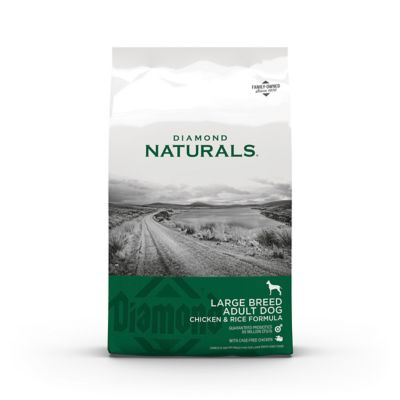
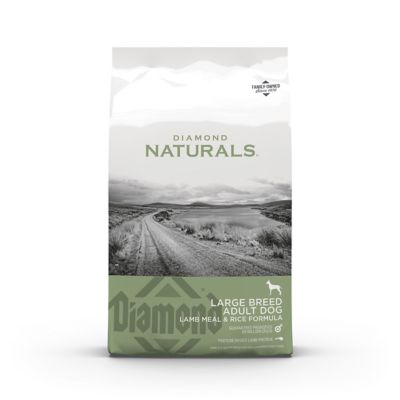
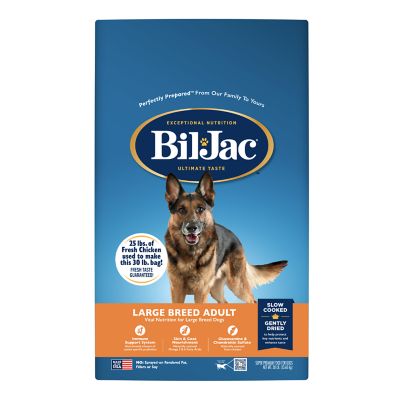
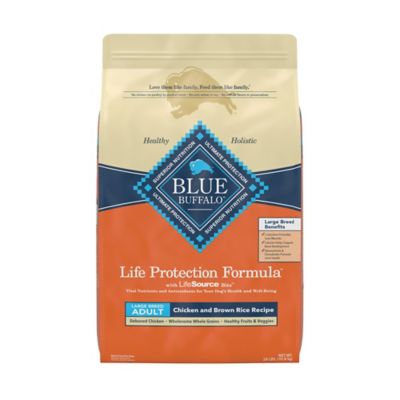
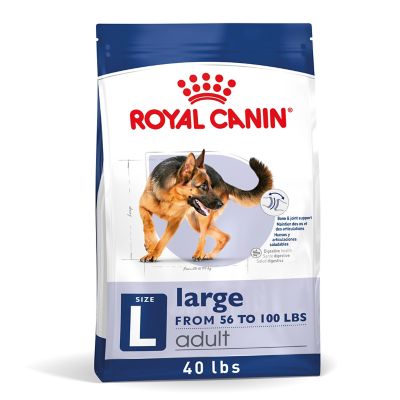
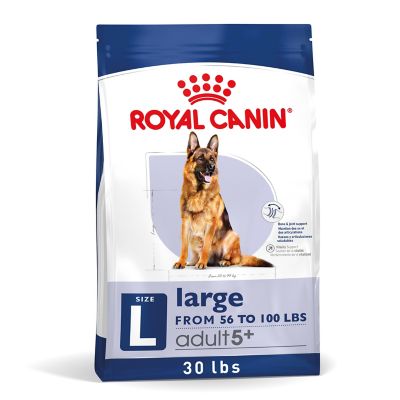
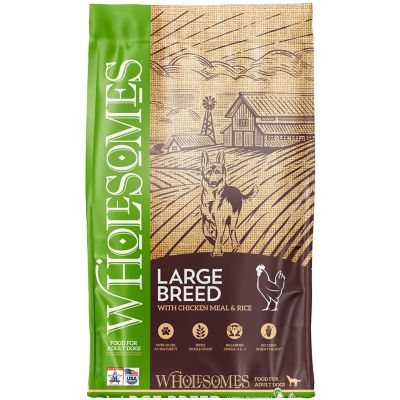
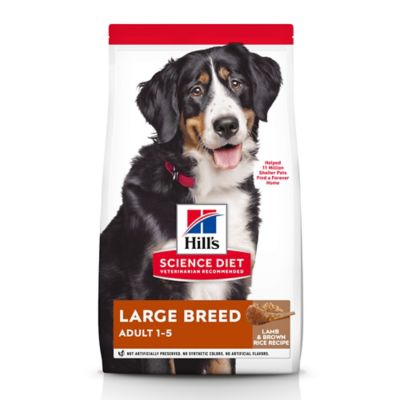
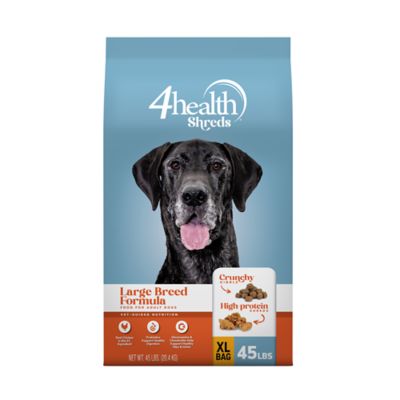
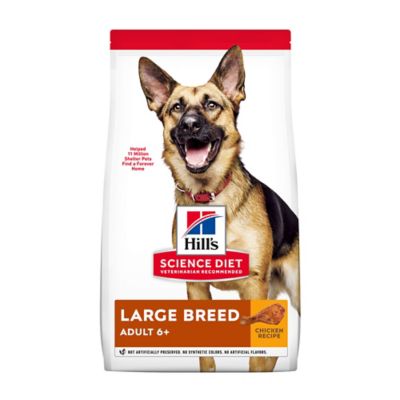
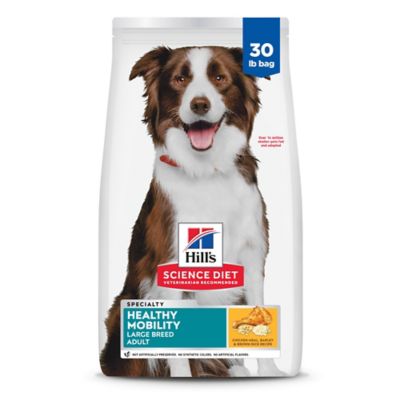
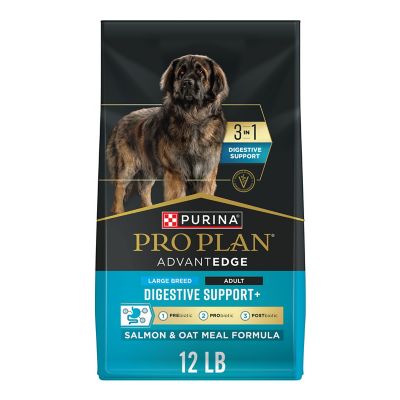
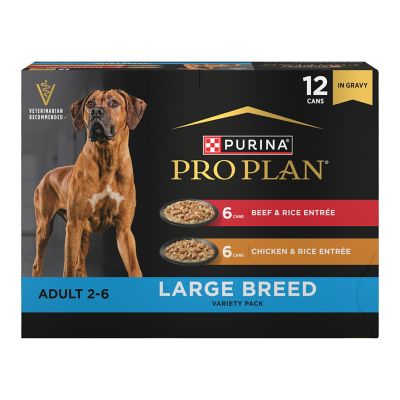
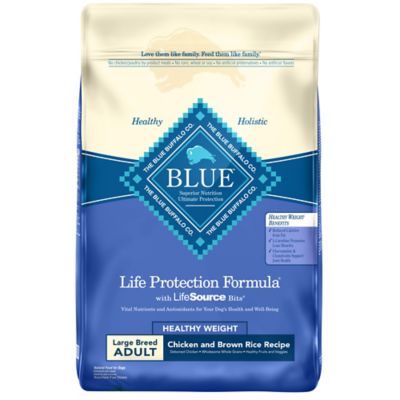
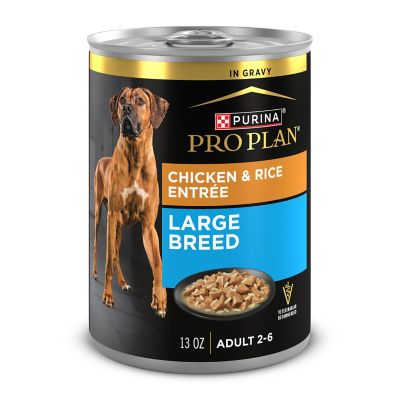
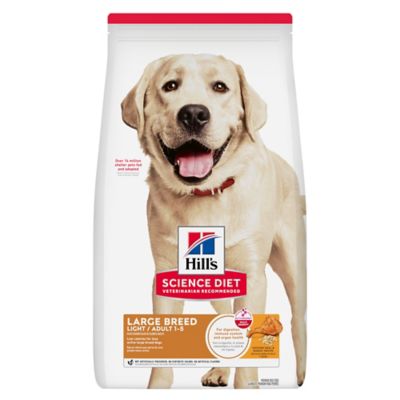
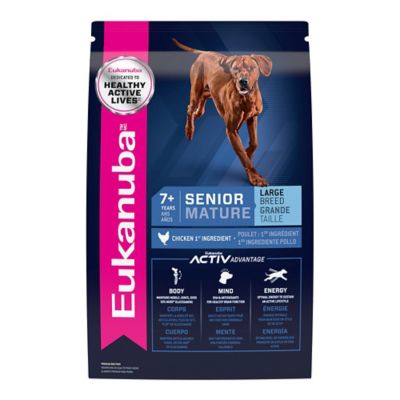
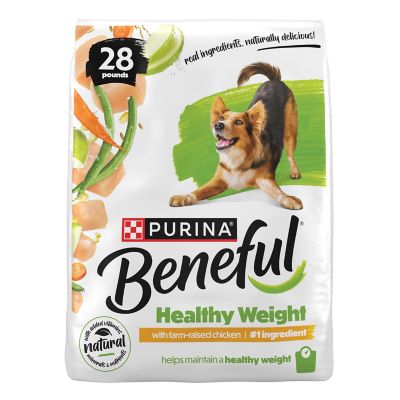
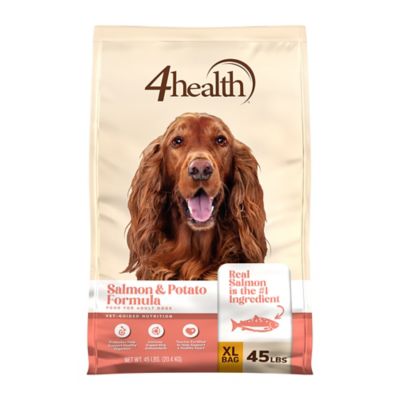
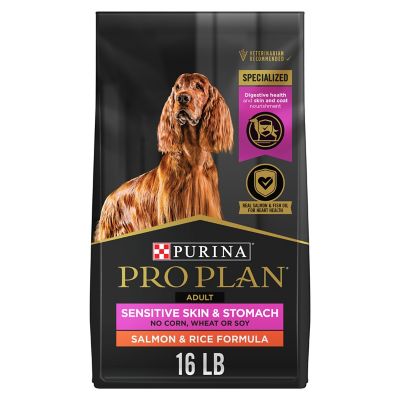
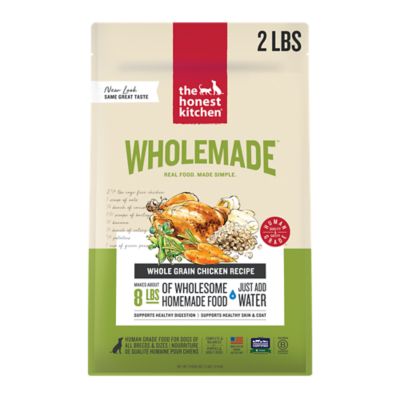
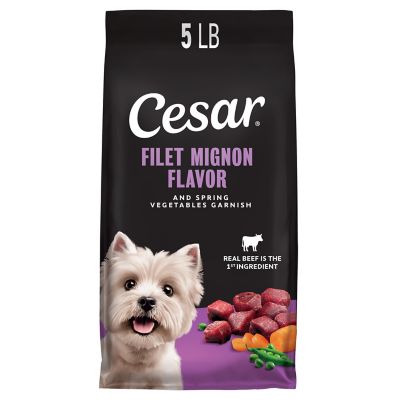
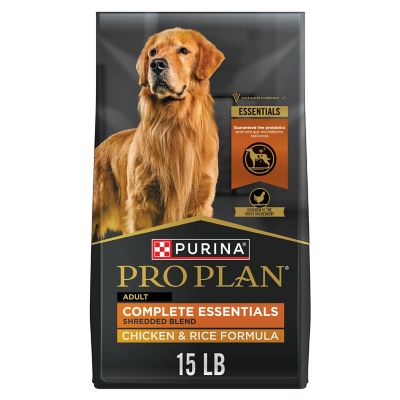
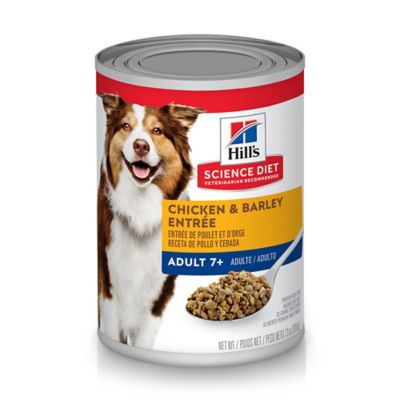
Large breed dog food is formulated for the nutritional needs of dogs with bigger frames, with recipes suited to growth, adult maintenance, or later life. Depending on the formula, that may mean carefully balanced minerals for growing bones, calorie levels that help manage body weight, and ingredients that support digestion or joint health. The right fit depends on more than the size of the feed bowl. A young shepherd stretching into long legs, a grown retriever making rounds along the fence, and an older mastiff napping beside the back door have different energy needs. Protein supplies amino acids that help maintain muscle, while fat provides energy and essential fatty acids. Carbohydrate sources such as rice, oats, and barley can supply energy, and fiber helps support normal stool consistency. Chicken, lamb, beef, and fish are common animal protein sources, but the overall nutritional balance matters more than any single ingredient on the front of the bag. A statement of nutritional adequacy identifies whether a food provides complete and balanced nutrition for a particular life stage, so it deserves a close look alongside the ingredient list and feeding directions. Dry large breed dog food offers straightforward measuring and storage, while complete and balanced wet food can bring extra moisture and a different texture to the bowl. Feeding both can work, provided the total daily calories account for each portion. Some large breed dry formulas have bigger kibble pieces, though size alone does not guarantee slower eating or cleaner teeth. A dog’s mouth, chewing habits, and comfort with the texture matter, too. For a big dog that gulps supper before the boots come off, a suitable slow-feeding bowl may be more helpful than changing kibble size alone. Whether a dog spends the day moving around the property or mostly keeping company indoors, food should match that dog’s actual activity and body condition rather than the appetite that shows up at mealtime.
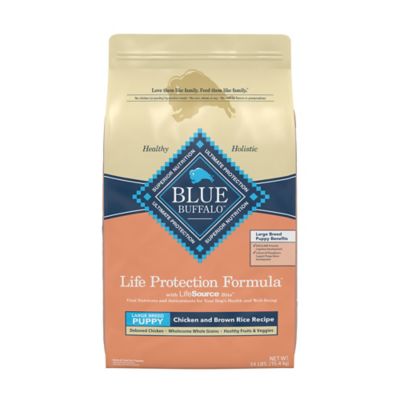
Large breed puppy food calls for particular attention because growing a bigger skeleton takes controlled, steady nutrition—not simply larger servings. These formulas balance calcium, phosphorus, energy, and other nutrients to support growth without encouraging excess weight gain. On foods intended for puppies expected to reach 70 pounds or more as adults, look for a nutritional adequacy statement that specifically includes growth of large-size dogs. Some foods labeled for all life stages exclude that category, making the full statement more useful than the front label alone. Extra calcium should not be added to a complete and balanced large breed puppy diet unless a veterinarian directs it. Adult maintenance food is not a substitute for an appropriate growth formula, either. The change to adult large breed dog food belongs around physical maturity, which varies by breed and can come later for giant dogs; a veterinarian can help set that timing. Once grown, big dogs generally need fewer calories per pound of body weight than small dogs, but daily needs still vary considerably. A lean working dog covering ground through the cooler months may need a different portion from a dog spending longer afternoons stretched out near the heater. Feeding charts provide a starting point, with measured portions adjusted to keep ribs easy to feel beneath a light covering and a waist visible from above. Keeping excess weight off helps limit added stress on weight-bearing joints. Some recipes include glucosamine and chondroitin for joint support, while others supply omega-3 fatty acids from sources such as fish oil. Their amounts and potential benefits vary, and food is not a replacement for veterinary care when a dog is stiff, limping, or reluctant to rise. Senior large breed dog food may offer changes in calories, fiber, or other nutrients, but an older dog still needs sufficient protein to maintain muscle. Age alone does not tell the whole story; appetite, mobility, body condition, and health concerns all help determine the best nutritional fit.
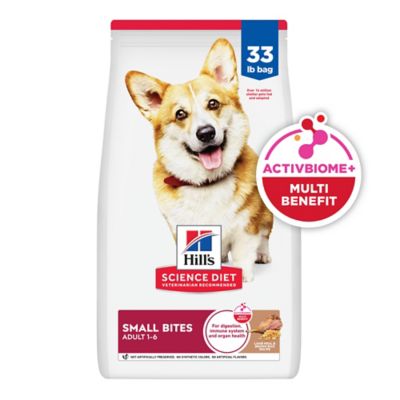
Everyday feeding habits make a difference in how well large breed dog food fits life at home. A measured meal served on a regular schedule makes changes in appetite easier to spot than a bowl kept full all day. Splitting the daily ration into two or more meals can keep individual portions manageable, especially for dogs inclined to bolt their food. Large, deep-chested dogs have an increased risk of bloat and stomach twisting, so meal routines and individual risk are worth discussing with a veterinarian; food shape or feeding equipment cannot guarantee prevention. Treats, training rewards, chews, and table scraps also contribute calories, even when the main meals stay the same. Keeping extras to no more than about 10 percent of daily calories helps leave room for complete and balanced food. For dogs with sensitive digestion, the amount and type of fiber, fat content, and protein sources may influence tolerance. Some formulas contain prebiotic fibers or added probiotics, though repeated vomiting, loose stools, or itching calls for veterinary attention rather than a string of food changes. A lamb recipe is not automatically appropriate for every dog with a suspected food sensitivity, and a veterinarian-directed diet trial is a better way to investigate a possible food allergy. When making an ordinary food change, gradually mixing increasing amounts of the new recipe into the previous food over about seven to ten days often helps ease the transition. Storage matters once the bag comes home: keep dry food in its original bag inside a clean, tightly closed container in a cool, dry place, away from damp feed-room floors and direct heat. Follow package directions for refrigerating opened wet food, wash bowls regularly, and keep fresh water within easy reach. In a household with dogs of different sizes, separate portions and feeding spaces help each dog get the intended meal;
small breed lamb dog food offers a separate category to consider for a smaller companion. Matching each bowl to the dog eating from it keeps the focus on steady nourishment, comfortable meals, and a healthy body condition.