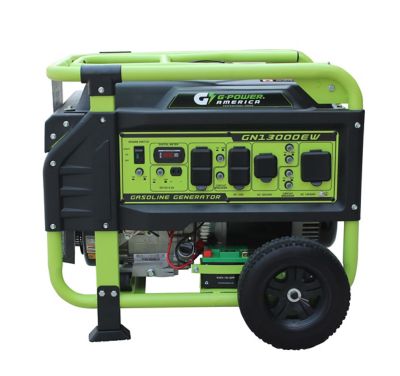
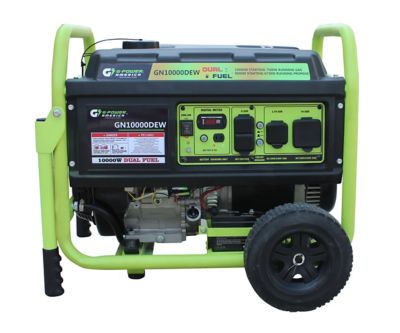
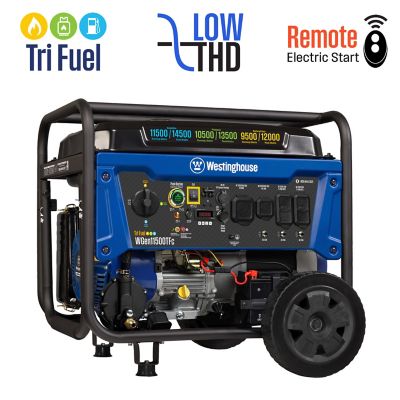
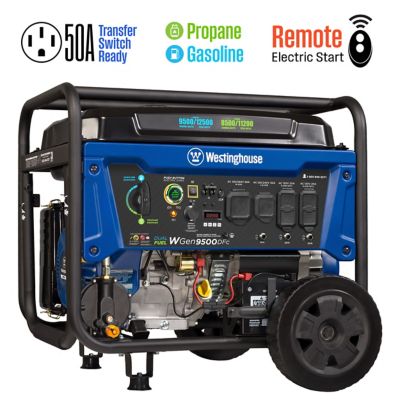
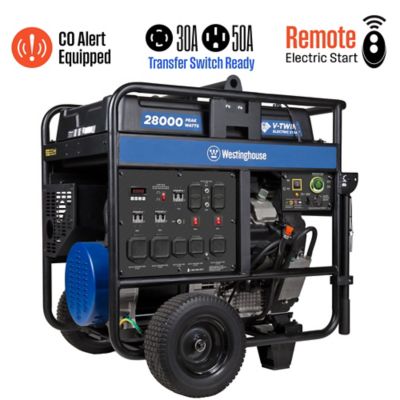
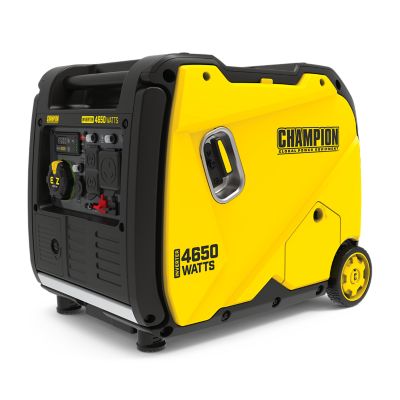
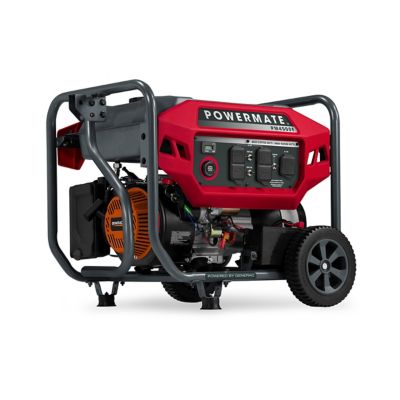
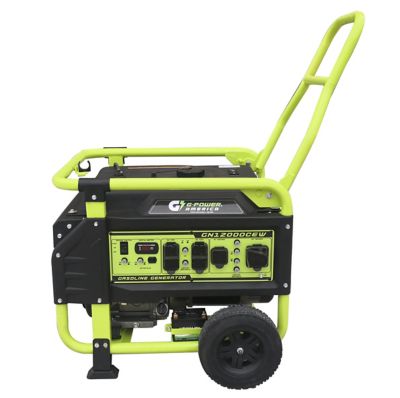
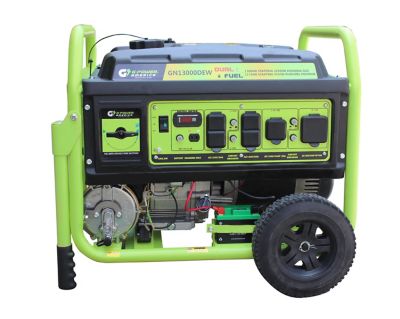
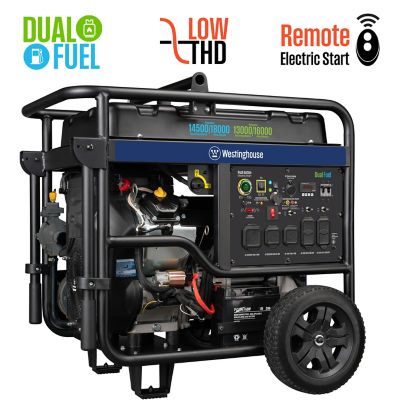
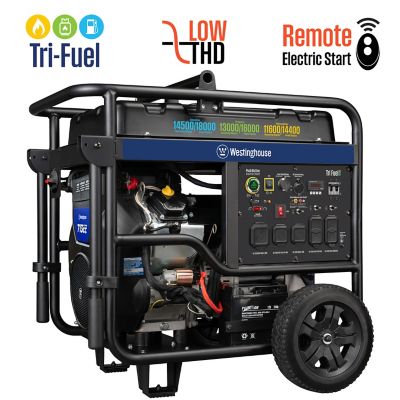
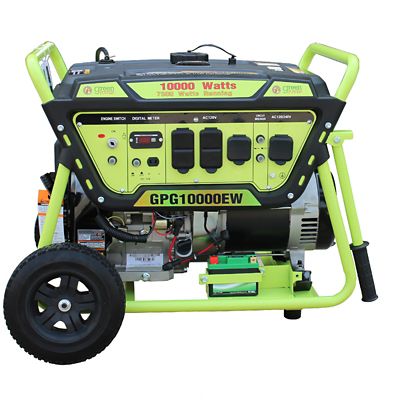
A 10,000-watt generator brings substantial backup power to homes, farms, workshops, and jobsites where an outage or a distant outlet can stop the day’s work. This size can help keep a refrigerator cold, a freezer full of venison frozen, and essential lights on while leaving room for other loads, depending on their electrical requirements. The important distinction is starting watts versus running watts: a generator labeled 10,000 watts may deliver that amount only briefly to start motor-driven equipment, rather than continuously. Many generators in this class provide roughly 7,600 to 8,000 running watts, though ratings vary by model and fuel source. Others carry a 10,000-watt continuous rating, so both numbers matter when comparing equipment. A well pump, sump pump, air compressor, or refrigerator needs an extra burst of power when its motor starts, and that demand counts alongside everything already running. For a country home with a private well, keeping water flowing may take priority over powering a clothes dryer or electric range. Around the barn, lighting and properly connected equipment may be the main concern. A generator in this range can support several essential circuits, but the wattage label alone does not make it a whole-home power solution. Electric heat, water heaters, and central air conditioning can create substantial loads; compatibility depends on the equipment’s starting demand, continuous draw, voltage, and connection requirements. Powering necessities in a planned sequence can leave more room for a pump or compressor to cycle on without overloading the generator. For shoppers weighing a nearby power class,
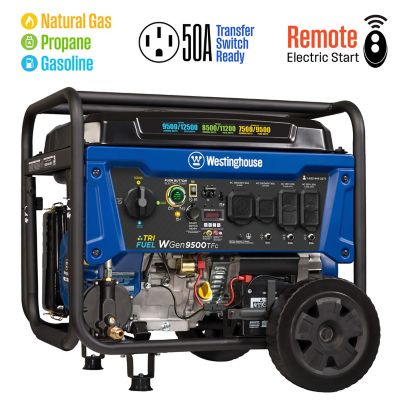
9500 Watt Generators offer another comparison point, with running output, starting capacity, and outlet ratings providing a clearer picture than the headline number alone. The right fit comes down to the appliances and equipment that need electricity, whether that means protecting food during a cooler-weather outage or keeping tools working at a fence repair site beyond the reach of utility power.
Fuel choice, run time, and electrical connections shape how 10,000-watt generators fit everyday work and backup plans. Gasoline-powered generators pair a familiar fuel source with portable operation, while dual-fuel designs can run on gasoline or propane. Some configurations support additional fuels, but compatibility must be stated by the manufacturer; fuel systems are not interchangeable. Output often differs between gasoline and propane operation, making fuel-specific running and starting ratings worth a close look. Gasoline requires safe storage and attention to freshness, while propane avoids some gasoline storage concerns but needs a correctly sized cylinder, proper connections, and enough fuel for the expected load. Cold conditions can also affect propane delivery, especially with smaller cylinders and high demand. Run time is another specification that needs context. Some generators in this size range can operate for about eight to twelve hours at half load on a full gasoline tank, but tank capacity, engine design, and connected equipment can move that figure considerably. A stated half-load run time is not a promise of the same hours while powering equipment near maximum output. For a long outage, fuel planning matters as much as wattage. Outlet layout matters, too: household receptacles, locking outlets, and 120/240-volt connections serve different needs, and the generator’s full output may not be accessible through a single receptacle. A 240-volt well pump requires an appropriate voltage supply and properly rated connection, not just enough total watts. Home circuit connections belong on an approved transfer switch or interlock arrangement installed by a qualified electrician and compliant with local requirements. A generator must never feed a home through a wall outlet. For computers, electronic controls, and other sensitive loads, published power specifications and the equipment manufacturer’s requirements help establish compatibility. Inverter technology can provide cleaner electrical output, but neither a large wattage rating nor an inverter label replaces checking those requirements. Electric starting, readable operating displays, and accessible controls can also make a difference when the yard is dark and getting essential power restored is the priority.
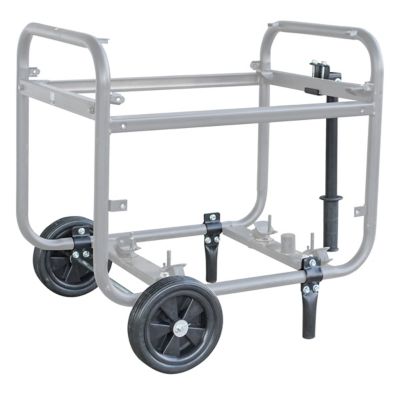
Construction, handling, and routine care determine how well a generator fits life around a busy property. Many portable generators in this power class have steel frames surrounding the engine and alternator, with finishes that help resist corrosion during normal operation and handling. Portable does not necessarily mean easy to lift: machines in this range can weigh well over 200 pounds before fuel, so wheel size, handle placement, and the route between storage and operation deserve attention. Larger wheels can make packed gravel easier to cross, but deep mud, steps, and rough pasture still present obstacles. A firm, level operating spot supports stable placement and proper lubrication. Because engine-driven generators produce carbon monoxide, outdoor operation is essential, at least 20 feet from the house, with exhaust directed away from windows, doors, vents, and nearby occupied buildings. Garages, barns, sheds, and porches are not safe operating locations, even with doors open. Working carbon monoxide alarms inside the home add an important layer of protection, and an automatic carbon monoxide shutoff does not replace safe placement. Wet weather calls for a manufacturer-approved operating shelter that keeps electrical components dry without trapping exhaust or restricting cooling airflow; a storage cover is not an operating shelter. Outdoor-rated cords must match the load and distance, since undersized or overly long cords can overheat and cause voltage drop. Beyond setup, accessible oil drains, service points, and air filters make scheduled maintenance less of a chore. Oil checks, filter care, battery attention on electric-start equipment, and periodic operation according to the owner’s manual help keep a generator ready between outages. Before refueling, the engine needs to be shut down and allowed to cool, with fuel kept in approved containers away from ignition sources. Noise also deserves consideration when choosing a location, especially near livestock or neighboring homes, without compromising safe exhaust clearance. With the right electrical capacity, practical handling features, and regular upkeep, a 10,000-watt generator can cover essential household loads or support demanding work where utility power does not reach.