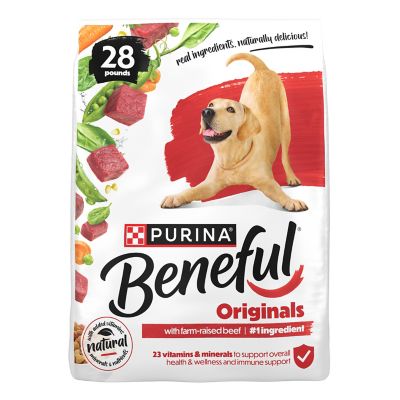
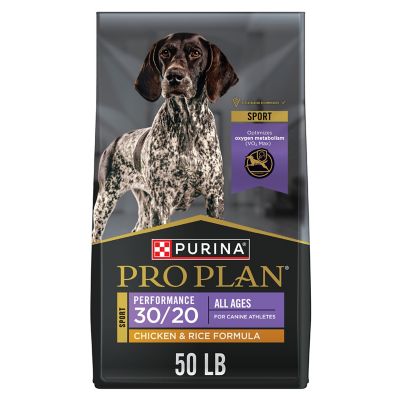
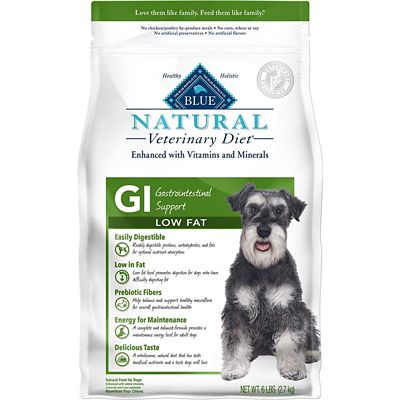
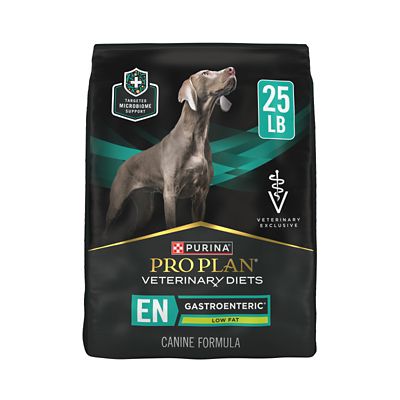
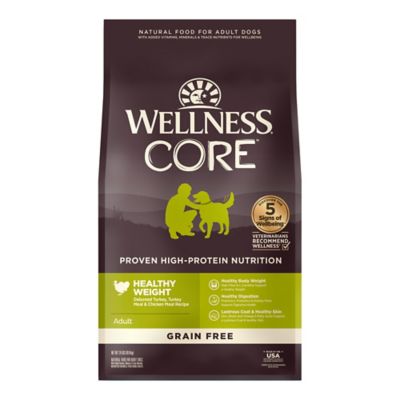
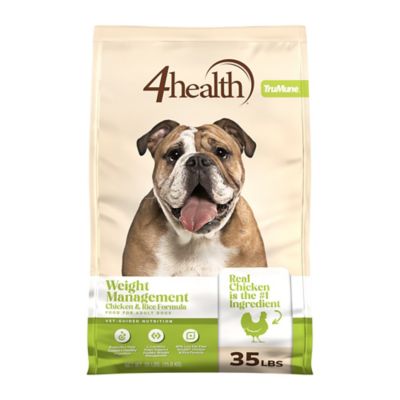
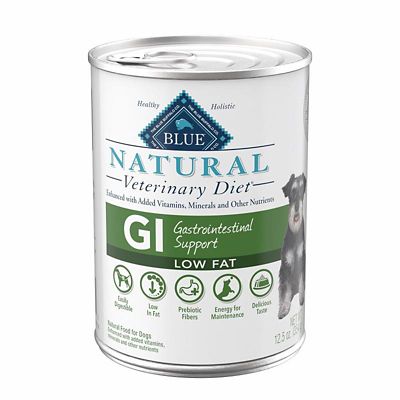
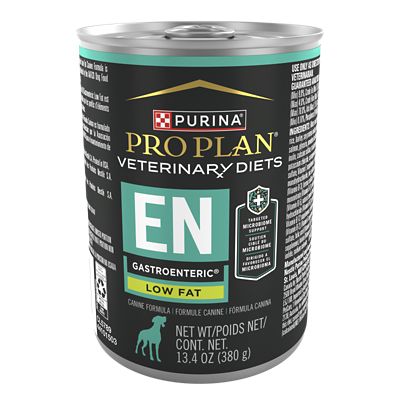
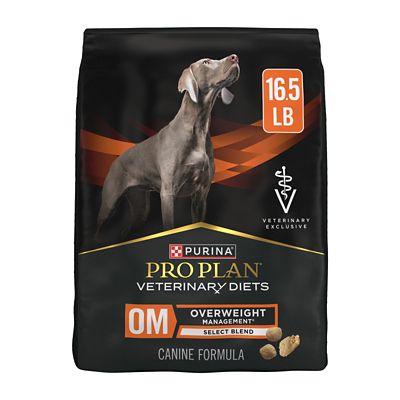
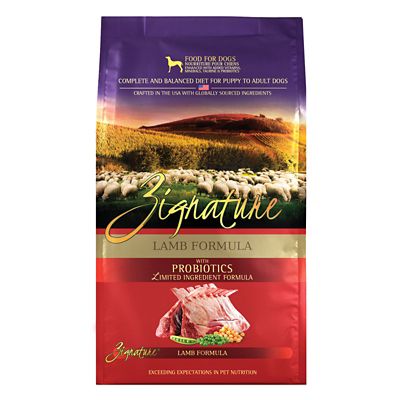
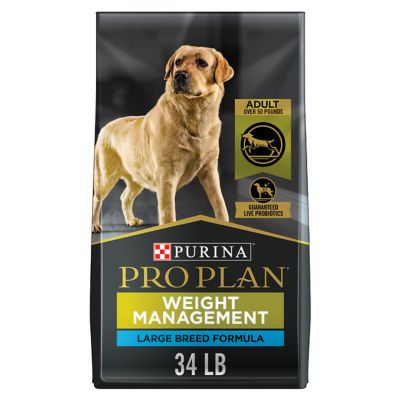
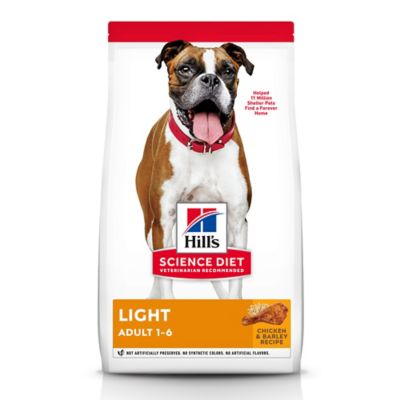
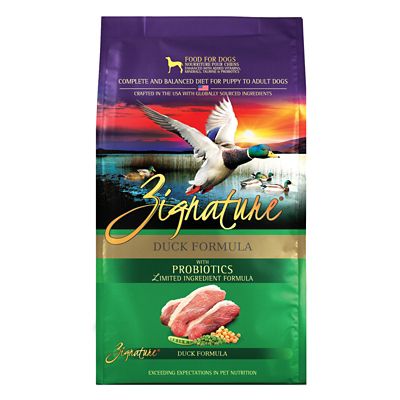
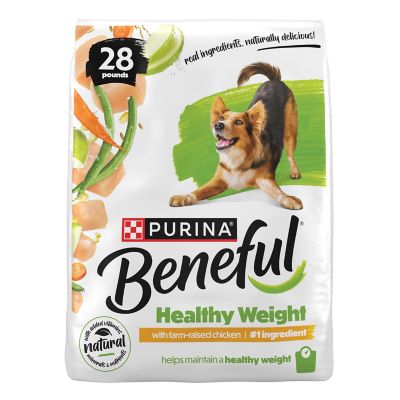
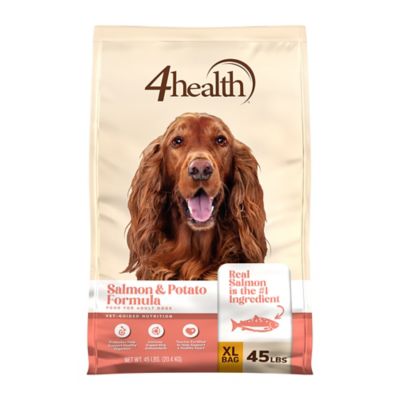
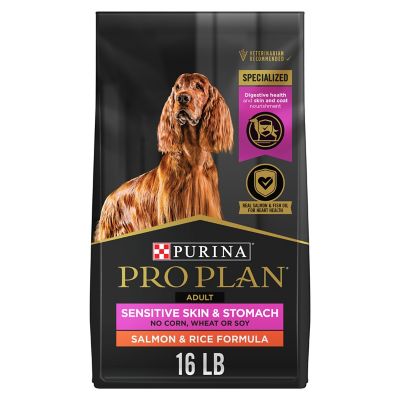
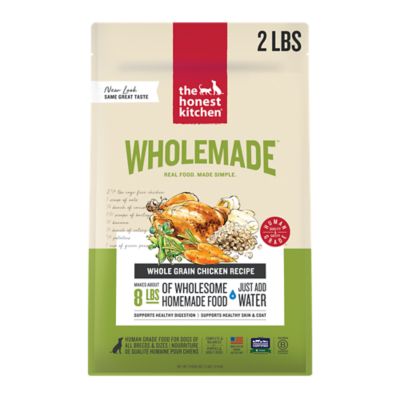
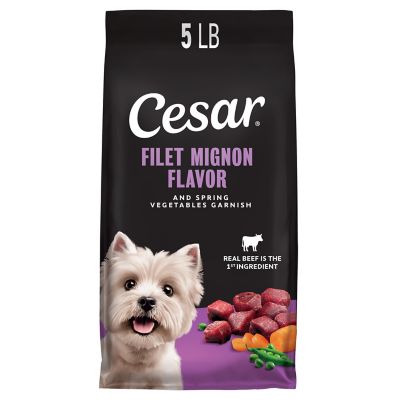
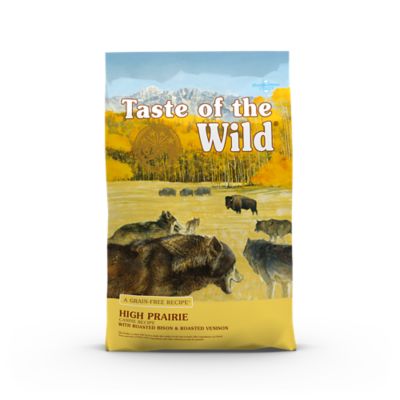
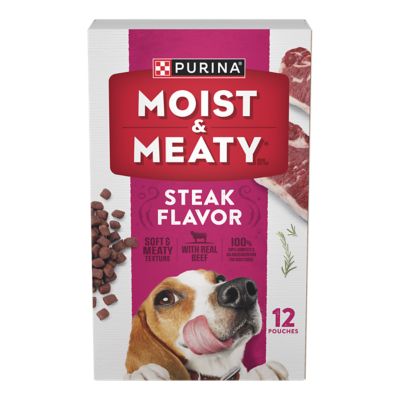
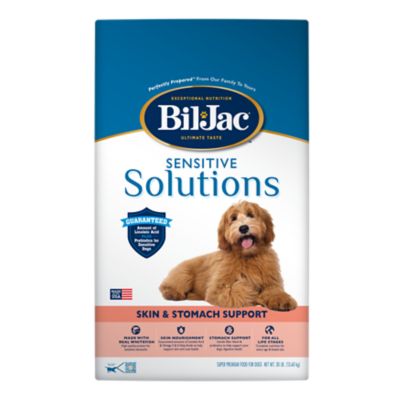
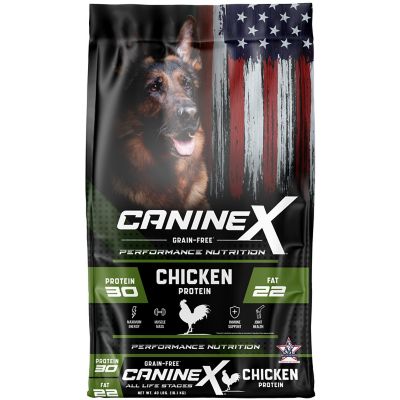
Low fat dog food can be a helpful choice for dogs that need a little extra care around digestion, calorie intake or fat metabolism. In general, low-fat formulas contain less than 10% crude fat as listed on the guaranteed analysis, though the actual amount can look different when moisture levels vary. For a fair comparison, check the fat content on a dry-matter basis, especially when comparing canned food with kibble; many veterinary nutrition professionals consider roughly 7% to 8% fat or less on a dry-matter basis to be a low-fat range. Dogs with a history of pancreatitis, hyperlipidemia, recurring digestive upset or difficulty tolerating rich foods may be placed on a lower-fat diet by their veterinarian. These recipes may also help with weight management when paired with measured portions, regular activity and an overall calorie plan. They are not all made alike, and a food that works well for one dog may not be right for another. A dog that has had a bout of pancreatitis, for example, may need a carefully controlled veterinary diet rather than a general everyday weight-control food. Before changing meals, talk with your veterinarian about your dog's age, breed, body condition, activity level, medical history and current medications. A sudden switch can lead to loose stool or stomach trouble, so most dogs do better when the new food is mixed in gradually over several days. Keep an eye on appetite, stool quality, energy and body weight during the transition, and contact a veterinary professional if your dog shows vomiting, diarrhea, belly pain, weakness or refuses food.
When comparing low-fat dog food, start with the guaranteed analysis, feeding directions and calorie information rather than relying on words such as “light,” “healthy” or “sensitive” on the front of the bag. Look for a complete and balanced statement appropriate for your dog's life stage, along with a protein source your dog handles well. Highly digestible proteins and carbohydrates can be useful for dogs with touchy stomachs, while added prebiotic fibers may support a balanced gut environment. Some formulas use poultry, fish or other animal proteins, and a poultry-free recipe may be worth considering when a dog has a known sensitivity or simply does better without chicken ingredients. Grain-free food is not automatically lower in fat or easier to digest, so read the label instead of assuming the recipe fits your needs. Fat is an important nutrient that supports skin, coat, taste and energy, which means a dog should not be placed on an extremely restricted diet without professional guidance. Portion size matters just as much as the percentage printed on the package: a food with a modest fat level can still provide too many calories if the bowl is filled by guesswork. Use a measuring cup or kitchen scale, account for table scraps and chews, and adjust portions for a dog that is gaining or losing weight. During cooler months, some working dogs spend long hours outside and may have different energy needs, while an older house dog may be less active and need fewer calories. Fresh water should always be available, and food should be stored in a cool, dry place with the bag sealed tight to help preserve freshness. For a dog that needs a reward between meals, choose treats made with the same nutrition goals in mind and keep extras to a small part of the daily diet. Our selection of
Low Fat Dog Treats can make it easier to keep training and snack time aligned with a lower-fat feeding plan.
The right choice depends on why your dog needs less fat and how that dog responds from day to day. A growing puppy, a senior dog with a slower stride, a stock dog that burns calories working around the farm and a couch-loving companion may all need different portions and nutrient levels, even if they share the same need for a lower-fat recipe. Dogs managing pancreatitis or another diagnosed condition may need a prescription low-fat food selected by a veterinarian, while dogs needing everyday calorie control may do well with a complete maintenance formula that offers a lower fat-to-protein ratio. Some options provide around 5% to 7% crude fat, while other weight-management recipes may fall closer to 8% to 11%; the best fit depends on the formula's moisture level, calories per cup and your veterinarian's recommendation. Keep an eye on the ingredient list, but remember that ingredients alone do not tell the whole nutrition story. A food should supply the protein, vitamins, minerals and energy your dog needs without adding more fat than the situation calls for. If your dog has a sensitive stomach, introduce new food slowly and avoid piling on rich leftovers, greasy scraps or several new treats at once. A simple routine often helps: measure the morning meal, portion the evening meal, and save a small amount of the daily ration for rewards during walks, chores or training. As the weather shifts and family routines change, that steady approach can help maintain a healthy body condition without leaving your dog feeling left out at supper. With the right food, sensible portions and guidance from a veterinary professional when medical concerns are involved, low-fat dog food can be a practical part of supporting comfortable digestion, healthy weight and everyday tail-wagging energy.