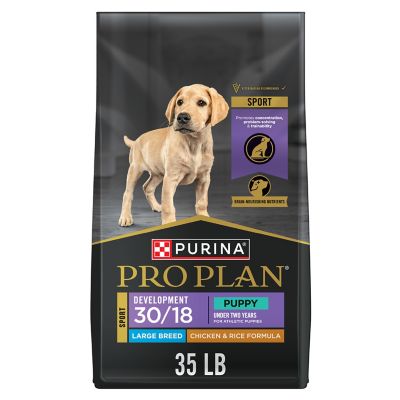
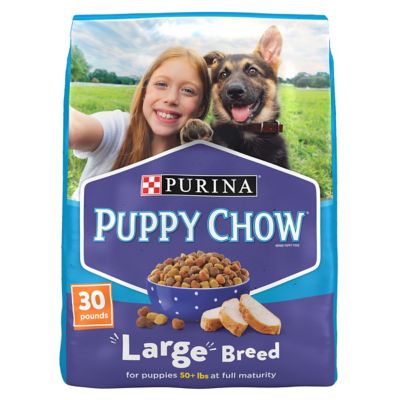
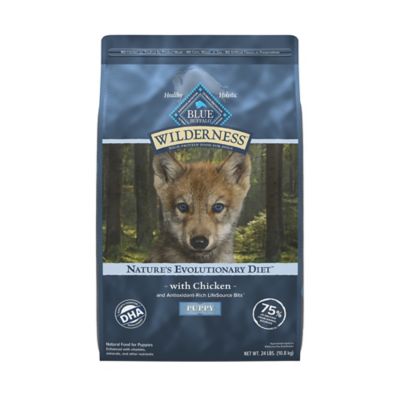
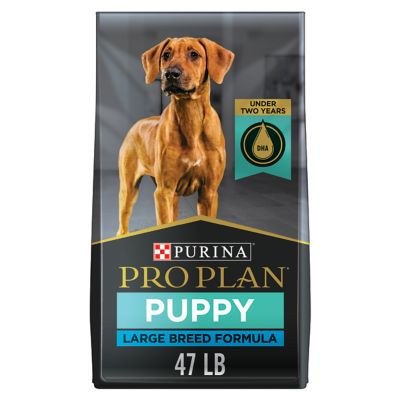
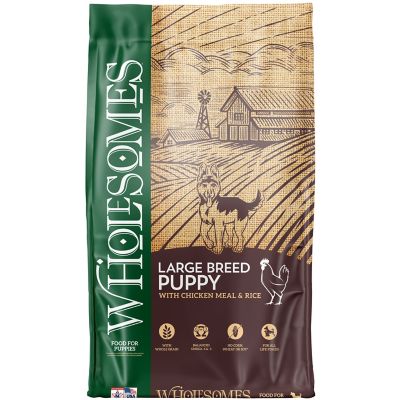
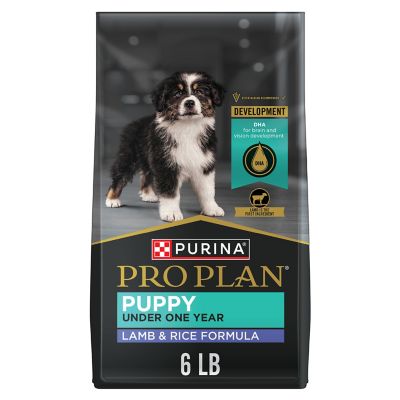
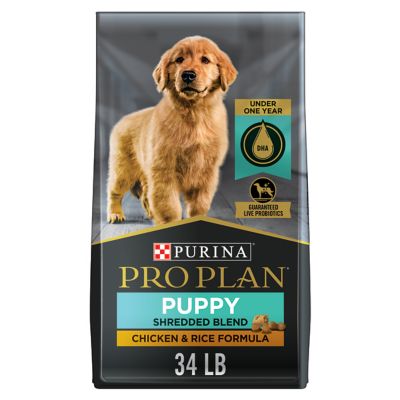
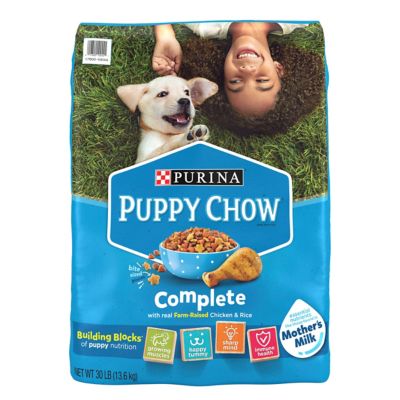
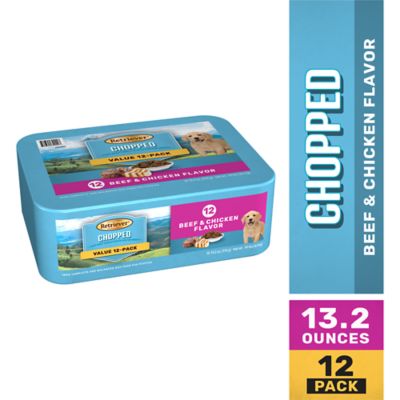
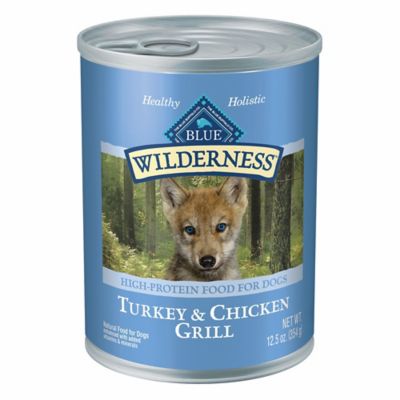
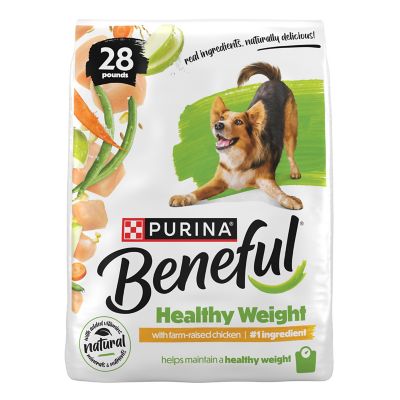
High protein puppy food supports growing dogs with amino acids needed for muscle development, tissue repair, and normal immune function. From a little pup learning to settle beside the kitchen table to a lanky farm companion following along during chores, puppies need nutrition built for growth, not just a smaller serving of adult dog food. Protein is an important part of that nutrition, but it works alongside fat, carbohydrates, vitamins, and minerals to support the whole dog. A higher protein percentage alone does not make a recipe the right fit. The strongest starting point is a nutritional adequacy statement identifying the food as complete and balanced for growth or all life stages, with suitability for the puppy’s expected adult size. An adult maintenance formula does not meet the same nutritional profile as puppy food, even when its protein number looks impressive. Chicken, beef, lamb, fish, and eggs can supply protein, while other ingredients contribute additional amino acids and nutrients. Named meat meals are concentrated protein sources, so their presence on an ingredient list is not, by itself, a reason to pass over a recipe. Likewise, a meat ingredient listed first tells only part of the story; the finished food’s nutrient balance and digestibility matter more than any single ingredient. The guaranteed analysis lists crude protein as a minimum percentage, but that figure does not describe how readily a puppy can digest the protein or how well its amino acid profile meets growth needs. There is also no single protein percentage that makes every puppy food “high protein.” For context, the Association of American Feed Control Officials’ nutrient profile for canine growth and reproduction sets a minimum of 22.5% crude protein on a dry matter basis. That baseline is not a target to exceed as far as possible. A puppy’s age, expected adult size, body condition, and health help determine which complete diet makes sense.
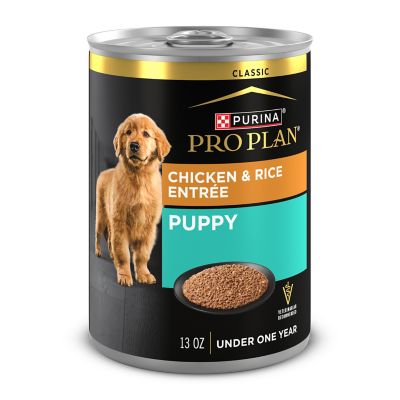
Dry puppy food, wet puppy food, and feeding plans that combine the two offer different textures and serving options. Dry kibble is easy to measure and tuck into a treat pouch for short training sessions, while wet food brings more moisture and a softer texture to the bowl. Kibble size and shape matter for a small mouth: a newly weaned puppy should be able to pick up and chew each bite comfortably. A larger puppy may do better with pieces sized for its jaw, though a dog that gulps meals may also benefit from an appropriate slow-feeding bowl. Protein percentages on wet and dry food labels cannot be compared directly because their moisture levels differ. Comparing them on a dry matter basis removes that moisture difference and gives a clearer picture of protein concentration. Calorie content deserves just as much attention, especially when measuring meals by the cup. Two puppy recipes can have similar protein percentages but deliver different amounts of energy in the same serving. Small-breed puppies have little stomach room and need portions suited to their size, often divided into several meals. Large- and giant-breed puppies need particular care with calorie intake and mineral balance to support steady skeletal development. For a puppy expected to weigh 70 pounds or more as an adult, look for a nutritional adequacy statement that includes growth of large-size dogs. Excess calories and inappropriate calcium intake are concerns during this growth period; simply choosing more protein is not a shortcut to stronger bones. Calcium supplements generally should not be added to a complete and balanced puppy diet unless a veterinarian recommends them. Other recipe features may include DHA, an omega-3 fatty acid that supports brain and vision development, as well as fiber sources or probiotics intended to support digestion. These features can help distinguish feeding options, but they belong within a balanced formula rather than taking the place of one. The broader
Healthy Puppy Food category offers another way to consider growth nutrition beyond protein content alone.
The right high protein puppy food also needs to fit everyday life at the feed bowl. A pup spending part of the day practicing leash manners and part of it napping still needs measured meals, even if it seems ready to eat anything within reach. Feeding directions provide a starting amount, not a fixed prescription for every dog. Regular weight checks and body-condition assessments help keep portions in step with growth: ribs should be easy to feel beneath a light covering, and a waist should be visible from above. A veterinarian can help interpret those signs for a puppy’s breed and stage of development. Food set aside from the daily ration can reward a sit at the back door or a calm moment near livestock without adding a string of extra snacks. Treats and toppers should generally supply no more than 10% of daily calories so they do not crowd out balanced growth nutrition. When changing recipes, a gradual transition over about seven to ten days often helps limit digestive upset, though some puppies need a slower change. Persistent loose stools, vomiting, itching, or poor growth call for veterinary advice rather than repeated switches between protein sources. A different meat does not automatically solve a food sensitivity, and grain-free food is not inherently a better match for a growing dog. Practical care matters after the bag or can comes home, too. Keep dry food in its original packaging inside a clean, tightly closed container, follow storage directions, and retain the lot information. Wash bowls regularly, refrigerate opened wet food as directed, and keep fresh drinking water within easy reach. Package size should suit how quickly the puppy gets through the food while it stays within the manufacturer’s storage recommendations. As the puppy approaches maturity, the timing of a move to adult food depends on breed size and growth, not simply an empty bag. A well-matched puppy formula supports that stretch from early meals to a full-grown companion with balanced nutrition and sensible portions.