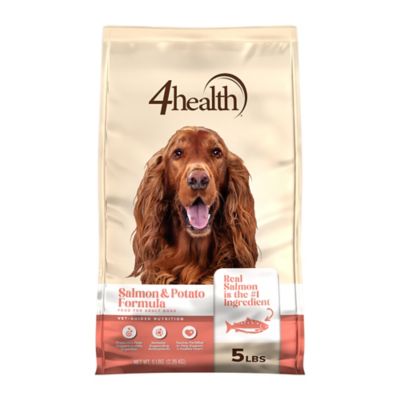
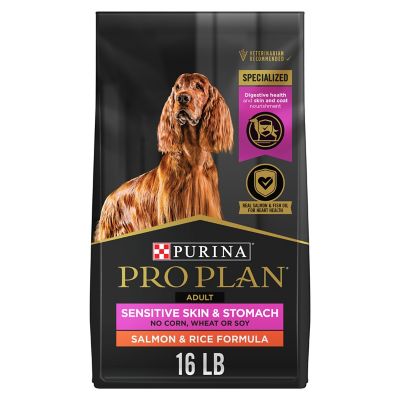
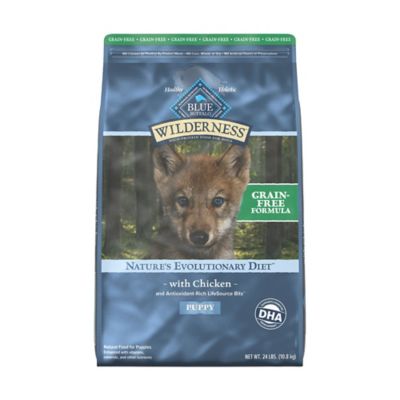
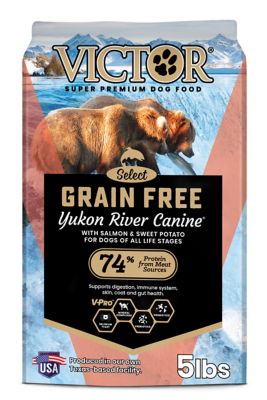
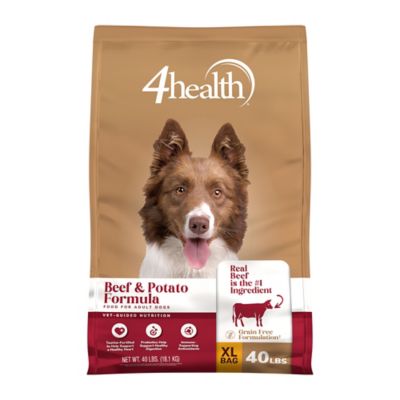
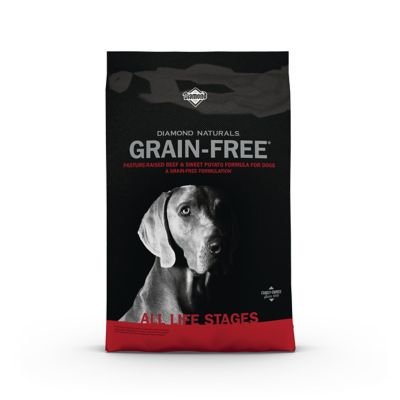
Dog food with omega fatty acids supplies fats that help support healthy skin, a shiny coat and normal body functions, making it a practical choice for dogs that spend their days anywhere from the back pasture to the living room rug. Omega-3 and omega-6 fatty acids serve different roles, and both belong in a balanced diet. Omega-6 fats, including linoleic acid, help maintain the skin’s protective barrier, which helps hold moisture in and keep irritants out. Omega-3 fats support cell function, and certain types play a role in normal inflammatory responses. Common omega-3 sources in dog food include fish, fish oil, flaxseed and algae-derived ingredients. Fish oils provide EPA and DHA, while flaxseed supplies ALA, a plant-based omega-3 that dogs convert to EPA and DHA only in limited amounts. That distinction matters when comparing recipes: a food containing flaxseed does not necessarily deliver the same forms of omega-3 as one containing fish oil. Chicken fat and plant oils, such as sunflower oil, can contribute omega-6 fatty acids. These ingredients may appear in dry kibble or wet food, alongside proteins, carbohydrates, vitamins and minerals that round out daily nutrition. A fish-based recipe is not the only way to get omega fatty acids into the bowl; foods built around other animal proteins may include fish oil or other fat sources. The whole formula matters more than a single ingredient pictured on the package. When omega levels appear in a guaranteed analysis, those figures give a clearer picture of what the food provides than coat-related wording alone. Not every label lists EPA and DHA separately, and a total omega-3 figure does not reveal how much of each type the recipe contains. For the dog trotting along the fence line or stretching out beside the kitchen table, the goal is steady, complete nourishment that supports the skin beneath the coat as well as the shine on top.
The right fit also depends on age, size, activity and how well a dog handles the recipe. Puppies need food formulated for growth, with the appropriate balance of calories and nutrients for developing bodies. DHA is an omega-3 fatty acid that supports brain and eye development, making it especially relevant when comparing puppy nutrition.
Dog Food With DHA offers a closer look at foods centered on this particular nutrient. Large-breed puppies have additional growth considerations, so the nutritional adequacy statement should indicate that the food is appropriate for their expected adult size. Adult dogs need a formula suited to maintenance, while older dogs may benefit from adjustments based on body condition, appetite and veterinary advice rather than age alone. A cattle dog covering ground beside the barn can have very different calorie needs from a little companion whose biggest outing is a walk to the mailbox. Fat contributes calories as well as fatty acids, so more fat is not automatically a better choice. Feeding amounts, treats and toppers all count toward the daily total. Kibble size and texture matter, too: small mouths may do better with smaller pieces, while dogs with dental discomfort may need a softer food recommended by their veterinarian. Wet recipes contribute moisture and can offer a different texture for dogs that turn away from dry food. For everyday feeding, look for a nutritional adequacy statement identifying the food as complete and balanced for the appropriate life stage. Foods labeled for intermittent or supplemental feeding serve a different purpose and should not replace a complete daily diet without veterinary direction. Dogs with food sensitivities also need attention to the full ingredient list, not just the omega source. A salmon-forward recipe may still contain chicken ingredients, and grain-free wording alone does not establish whether a food suits a particular dog. Matching the entire recipe to the dog’s needs keeps skin and coat support part of a sensible feeding plan rather than the only consideration.
Everyday handling helps protect the fats in dog food and keeps meals consistent from the first scoop to the last. Oils can deteriorate with exposure to heat, air and light, so dry food belongs in a cool, dry spot rather than a sunlit porch or a shed that swings between temperature extremes. Keeping kibble in its original bag inside a clean, tightly closed container preserves the feeding directions, lot information and best-by date while adding another barrier against moisture and pests. Wash and dry the container between bags instead of continually pouring fresh food over crumbs and oily residue. Wet food needs handling according to its package directions, including prompt refrigeration after opening and attention to how long portions sit in the bowl. Package size should match how quickly the household goes through food; a single small dog and a pair of hard-running farm dogs will empty a bag at very different rates. When changing recipes, a gradual transition over about seven to ten days often helps limit digestive upset, with a slower pace when a veterinarian recommends it. Mixing increasing amounts of the new food with the previous food gives the dog time to adjust to changes in fat, fiber and protein. Skin and coat changes take time, so a shinier coat should not be expected after just a few meals. Regular brushing, parasite prevention and attention to skin folds, paws and ears remain important alongside nutrition. During the cooler months, indoor heating and changes in outdoor routines can coincide with dry-looking skin or shifting calorie needs, but persistent itching, hair loss, odor or redness calls for veterinary attention rather than another food change alone. Extra fish oil is not automatically necessary when a complete food already supplies omega fatty acids; added supplements can change calorie intake and may cause digestive trouble or interact with medications. A well-matched omega fatty acid dog food fits into ordinary chores without much fuss: measured meals, fresh water, sensible storage and a feeding routine that suits the dog waiting at the bowl.