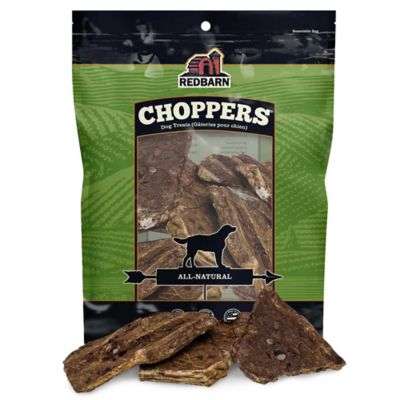
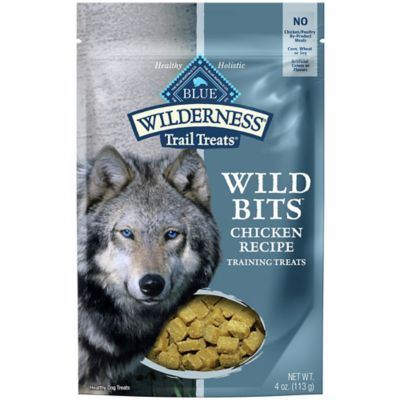
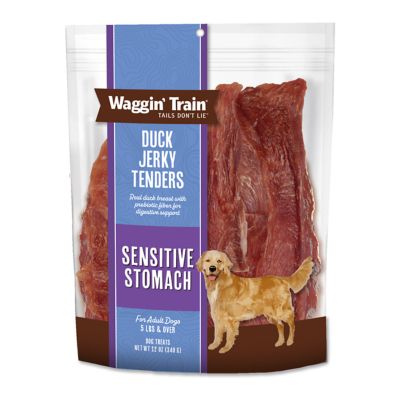
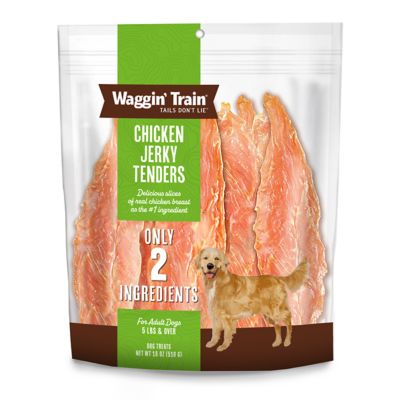
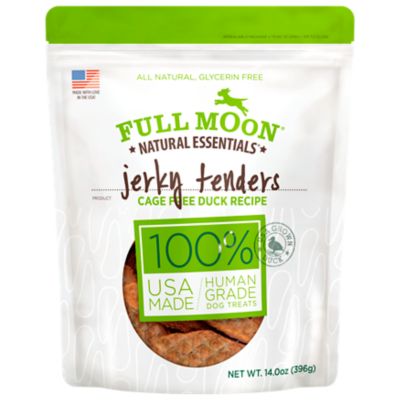
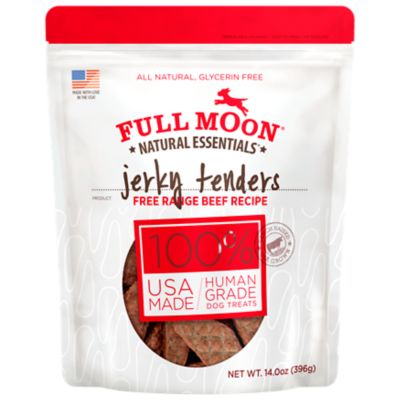
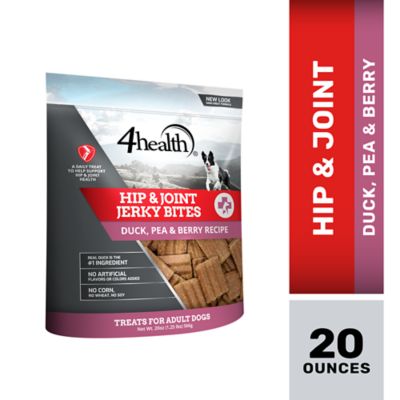
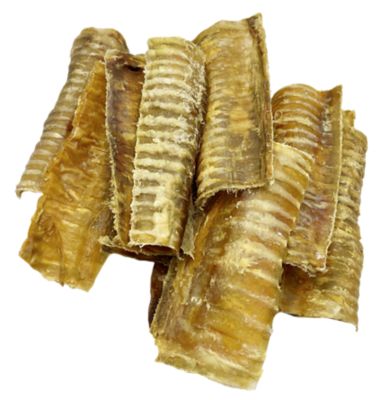
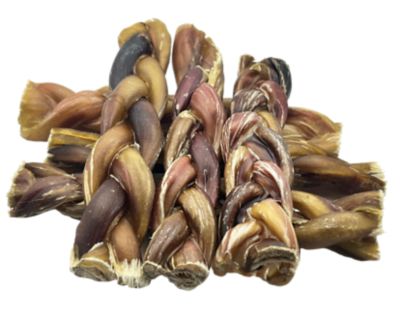
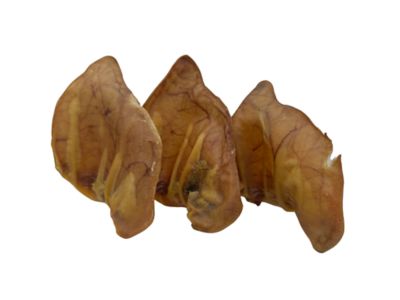
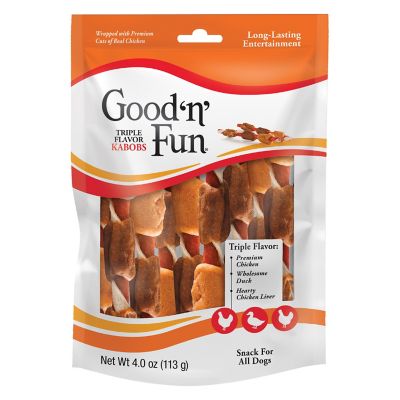
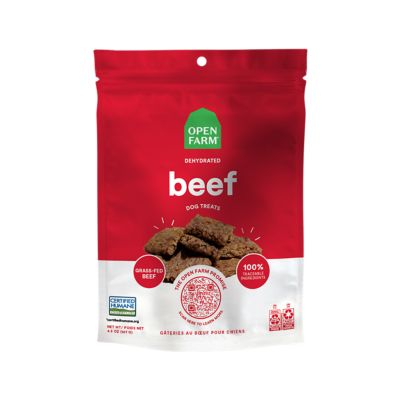
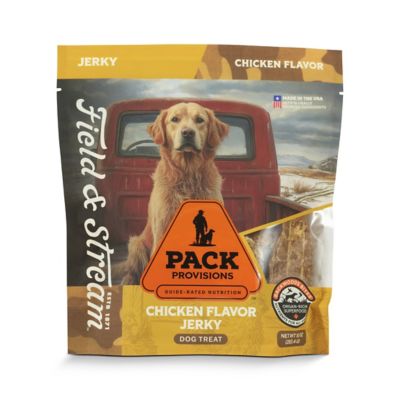
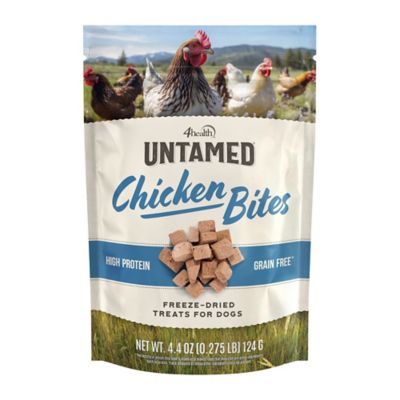
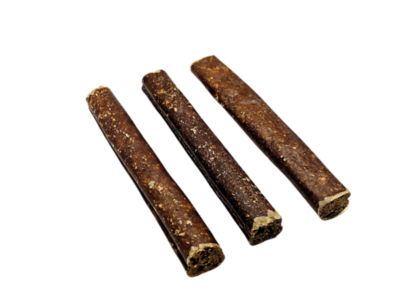
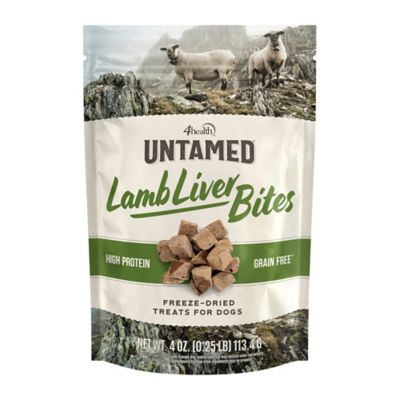
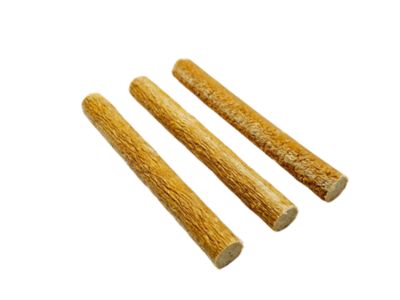
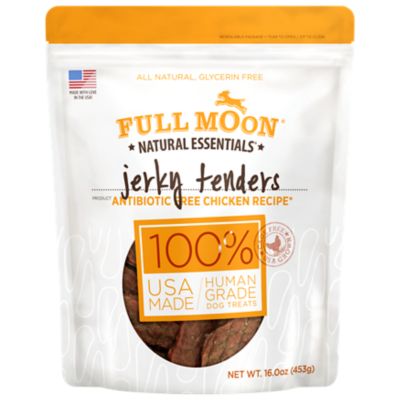
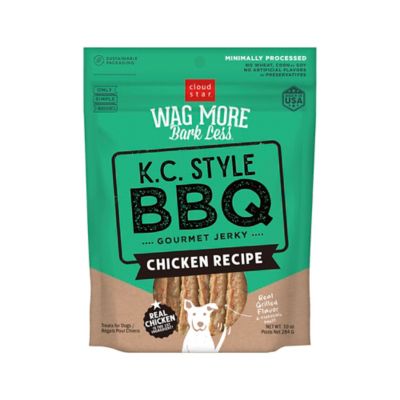
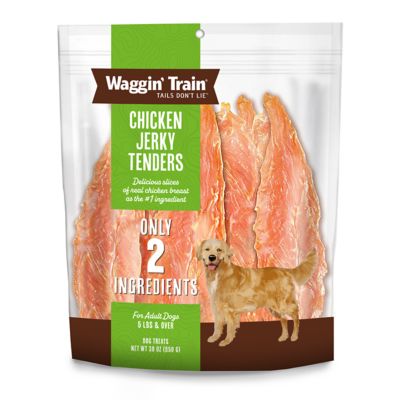
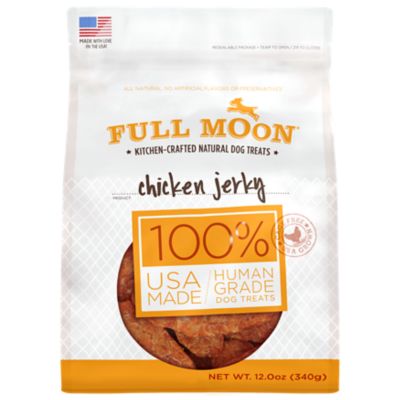
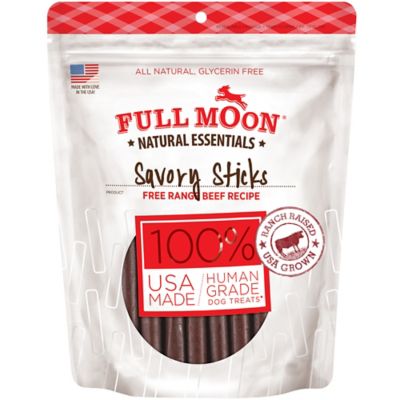
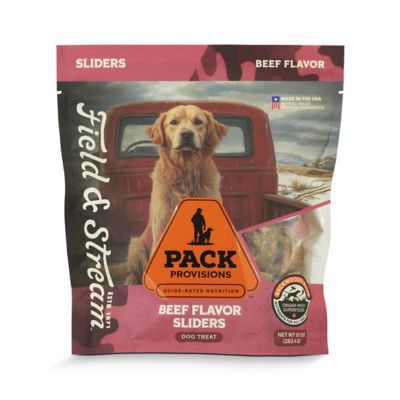
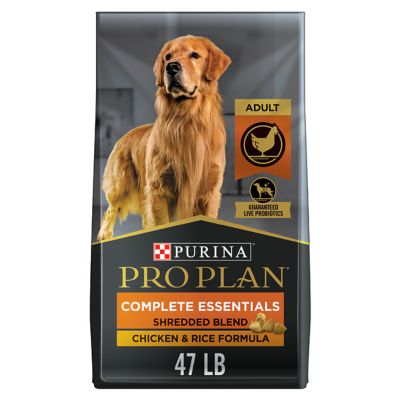
Protein dog treats make a handy addition to the treat jar for dogs that spend their days working, training, exploring, or simply keeping the family company. They may feature real beef, chicken, turkey, duck, salmon, pork, or another named animal protein, with options ranging from crunchy baked bites to chewy jerky-style pieces and freeze-dried organ meats. A good place to start is the ingredient panel: look for a clearly named meat, fish, or organ meat near the top of the list rather than relying only on front-of-package words such as “high protein” or “natural.” Treats made with a single animal ingredient can be a practical choice for households keeping an eye on food sensitivities, while recipes that combine meat with grains, vegetables, or other ingredients offer different textures and flavors for dogs with broader diets. For an assortment centered on a familiar, hearty protein, browse
Beef Dog Treats. The right texture depends on the dog in front of you. A young dog learning the basics may do best with small, soft pieces that can be swallowed quickly during a training session, while an older dog may appreciate a tender treat that is easier to chew. Crunchy snacks can add variety and may suit dogs that enjoy a little more time working through each bite. Break larger treats into smaller portions when needed, especially for little dogs, and always provide fresh water nearby. Treats should complement a complete, balanced diet rather than replace regular meals, with the daily amount adjusted to fit the dog’s size, activity level, and overall feeding plan.
High-protein treats are especially useful for positive-reinforcement training, whether you are teaching a puppy to come in from the yard, helping a newly adopted dog settle into the house, or polishing the manners of a seasoned farm dog. A tiny bite delivered at the right moment can make a clear connection between good behavior and a worthwhile reward. During the warmer part of the year, they can tuck into a training pouch for walks, trail rides, outdoor chores, and long games of fetch. As the weather turns cooler, they can be useful for rewarding a dog that waits patiently by the back door, rides calmly in the truck, or comes in from checking the fence line. Active dogs, growing puppies, and working companions may have greater nutritional demands, but more protein does not automatically mean a treat is right for every dog. Read the guaranteed analysis, serving guidance, and calorie information when available, and count snacks as part of the day’s total intake. Rich treats, particularly those made with organ meats or dense whole-muscle cuts, can contain more calories than their small size suggests. Reducing the regular meal slightly may help keep portions in balance, but any major diet change should be discussed with a veterinarian. Dogs with kidney, liver, digestive, or other health concerns may need a specific feeding plan, and dogs with known allergies should receive treats made without their problem ingredients. Introduce unfamiliar treats gradually and watch for itching, vomiting, diarrhea, or other signs that the food is not agreeing with them. For puppies, senior dogs, and pets with dental trouble, choose a size and texture that matches their ability to chew safely.
Protein dog treats also make an easy, thoughtful gift for a dog owner, especially when you know the household enjoys training, hiking, hunting, traveling, or spending time outside with its four-legged companion. They fit neatly into a care package for a new puppy, a recently adopted shelter dog, or a friend welcoming home a working breed. A small selection of different textures can give the recipient useful choices, but it is wise to check whether the dog has dietary restrictions before gifting food. Keep treats sealed in a cool, dry place and follow the package directions for storage and freshness; resealable packaging helps preserve flavor and keeps curious noses from helping themselves. Never substitute human protein bars, jerky, seasoned meat, or fitness snacks for dog treats. These foods may contain too much salt or fat, along with ingredients such as onion, garlic, or xylitol, also known as birch sugar, that can be dangerous for dogs. Supervise pets as they eat, particularly when offering a new shape or a larger chew, and discard anything that becomes moldy, stale, or difficult to handle. Whether a dog is earning a reward beside the garden, riding along for a trip to the feed store, or curled up near the woodstove during cooler months, a thoughtfully chosen protein treat can add variety to the day while supporting training, bonding, and good routines.