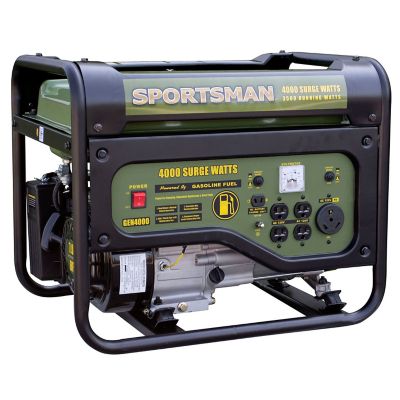
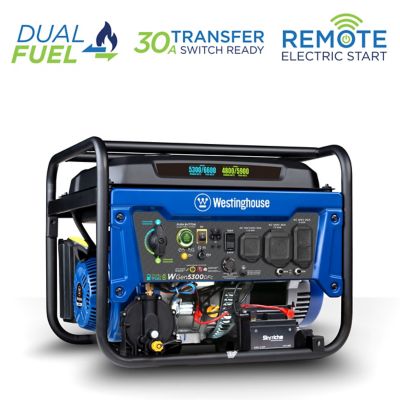
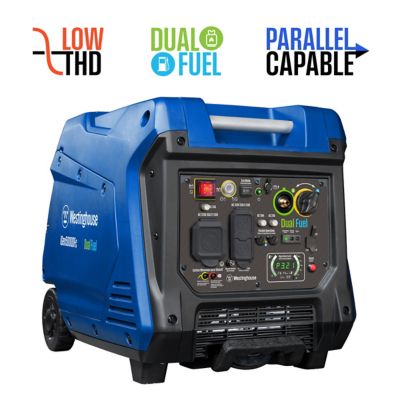
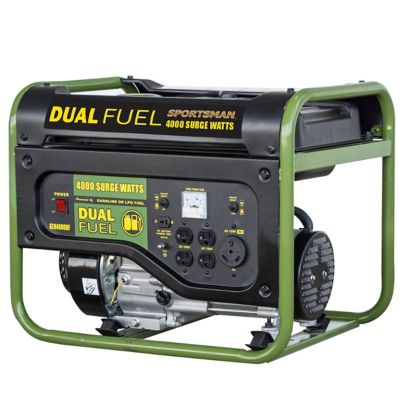
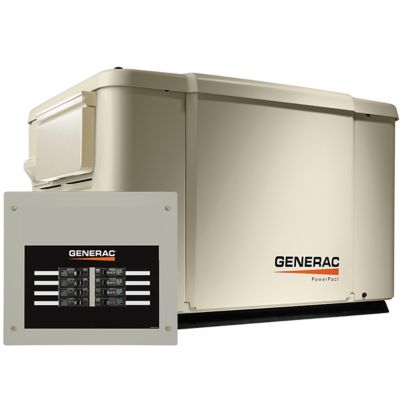
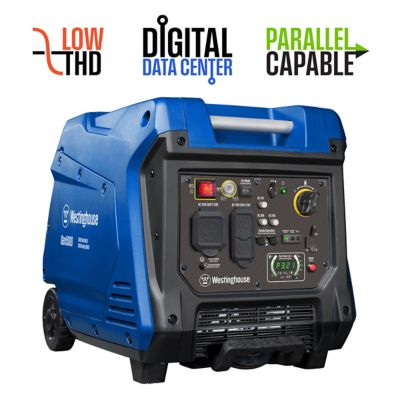
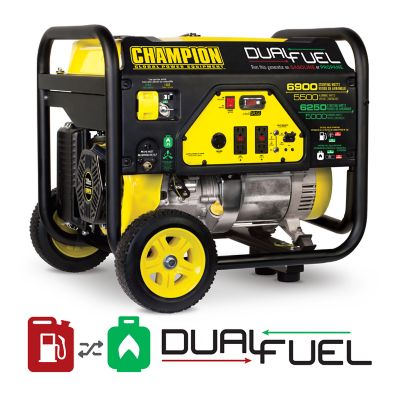
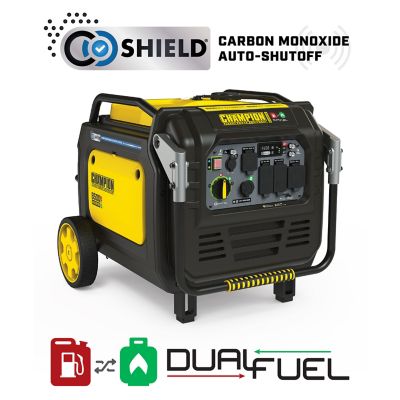
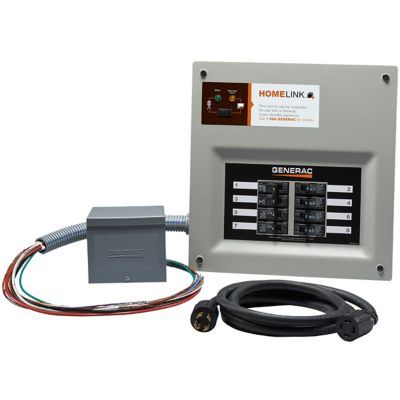
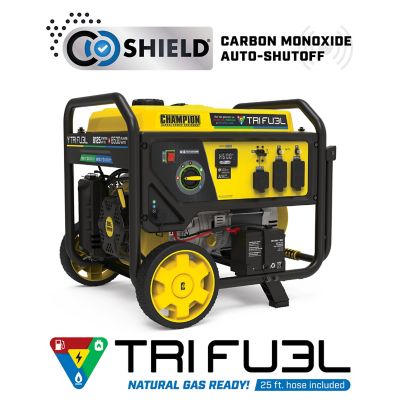
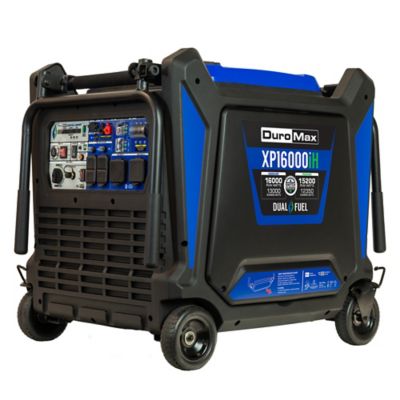
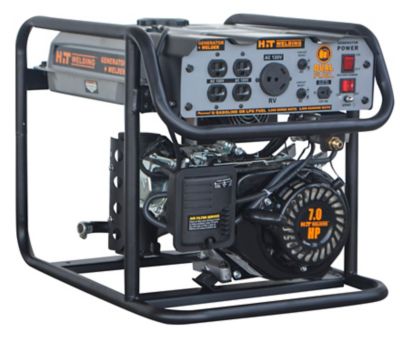
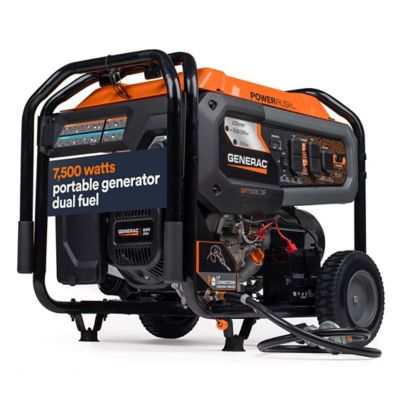
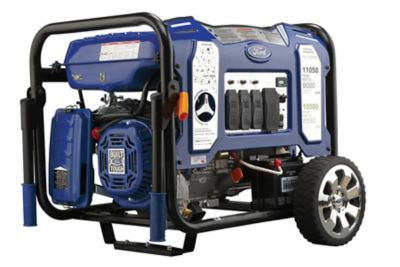
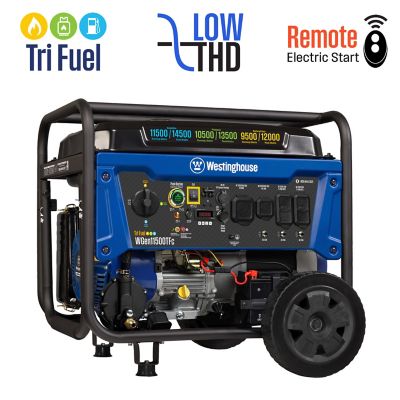
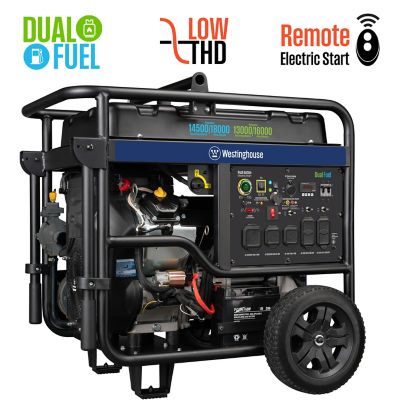
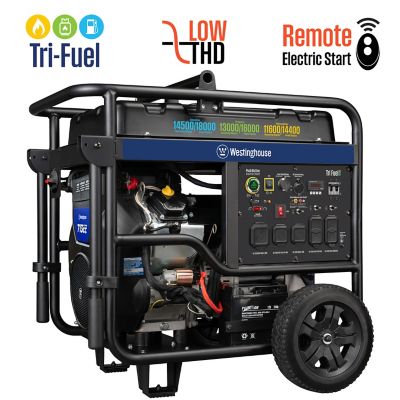
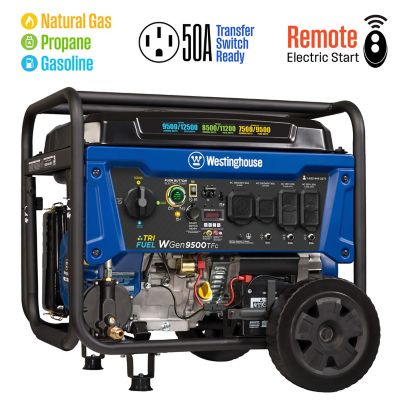
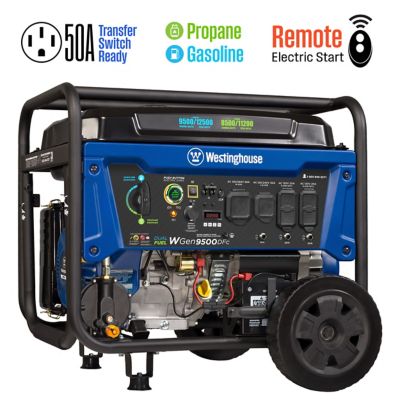
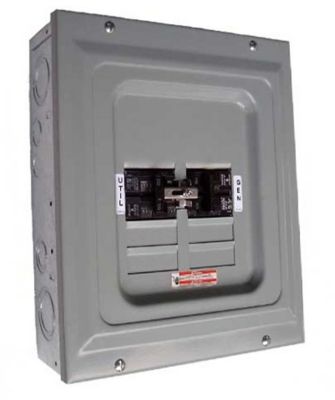
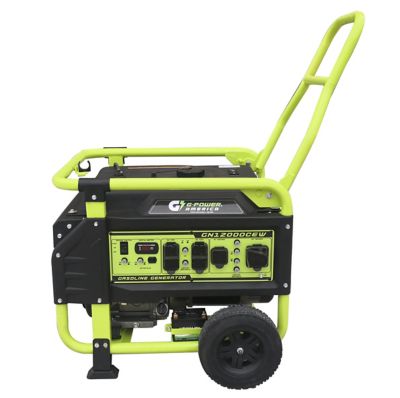
A generator for emergencies supplies backup electricity when utility power goes out, helping keep essential appliances and household systems running until service returns. On a rural property, that can mean keeping a freezer full of food cold, maintaining water from an electric well pump, or powering the furnace blower during a stretch of cold weather. Different types of emergency generators suit different jobs, from a few outlets’ worth of backup power to a permanently connected home system. Portable generators run on fuel and can supply selected appliances through properly rated extension cords or designated household circuits through a professionally installed transfer switch. Their flexibility suits homeowners who need backup power at the house but also have occasional electrical needs around an outbuilding or worksite. Inverter generators adjust engine speed as demand changes and typically offer lower noise levels and lower electrical distortion than conventional portable generators. That makes them worth considering when phones, computers, and other sensitive electronics are among the essentials, though equipment requirements still matter. Battery-powered portable power stations store electricity rather than generate it from an engine. They operate without combustion exhaust and can support indoor needs within their output and battery capacity limits; charging may come from an outlet or compatible solar panels. Permanently installed standby generators connect to a home’s electrical system through an automatic transfer switch and commonly run on propane or natural gas. They can start automatically after an outage, making them a practical fit for households that need backup coverage even when nobody is home to roll a machine outside. Whole-home coverage depends on system sizing and load management, not simply on choosing a standby configuration. Across these categories, the right fit comes down to which loads matter most, how long they need power, and how much setup a household can reasonably handle when the lights go dark.
Electrical capacity is one of the biggest distinctions among emergency backup generators. Running watts describe the power a generator can supply continuously, while starting watts account for the brief surge needed by equipment with motors or compressors. A refrigerator humming along after startup demands less power than it may need when its compressor first kicks on. Well pumps, sump pumps, and heating equipment can create similar starting loads, so appliance nameplates and manufacturer specifications are better reference points than a room count or the square footage of a house. A smaller portable generator may cover a refrigerator, a few lights, and device charging if the combined running and starting requirements stay within its ratings. Supplying those loads alongside a well pump or several other large appliances calls for more capacity and the right electrical connections. Many well pumps and household systems require 240-volt service, which not every portable generator provides. Electric resistance heating, water heaters, and central cooling equipment can place substantial demands on a backup system, especially when several loads overlap. For household-focused options,
Generators for Residential Backup brings that intended use into focus. Fuel type also shapes how a generator fits everyday life. Gasoline-powered units need an appropriate fuel supply and attention to storage life. Propane offers another fuel option, but cylinder or tank capacity, cold-weather performance, and the generator’s fuel-specific output rating all deserve a look. Dual-fuel generators provide a choice between supported fuels, with wattage and runtime often differing by fuel. Natural gas standby systems depend on continued gas service and adequate supply capacity. Runtime figures are generally tied to a stated load, so a published runtime at one-quarter load does not describe operation near full output. For battery power stations, watt-hours indicate stored energy, while watts indicate output capability. Actual runtime also reflects conversion losses, temperature, and the connected equipment’s changing demand. Those distinctions matter when a brief interruption turns into a long night.
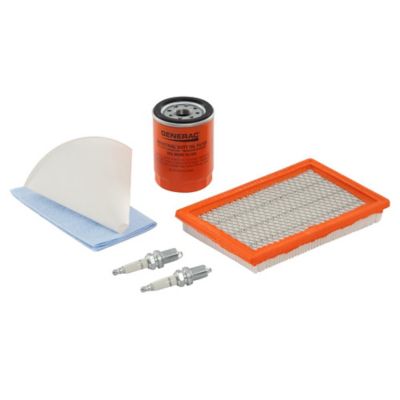
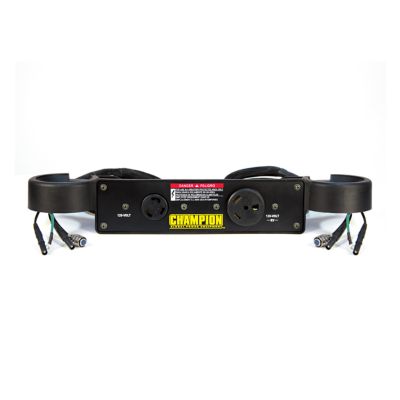
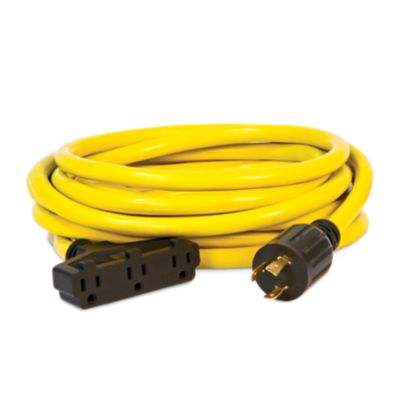
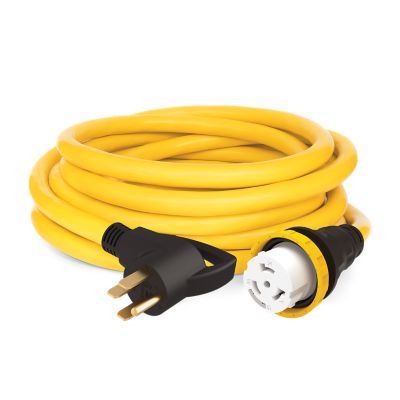
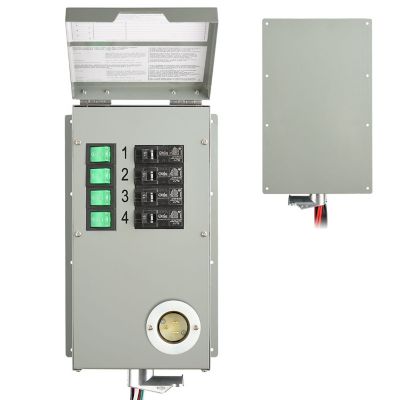
The physical build and operating features of an emergency generator matter just as much when it is time to put backup power to work. Steel frames can help protect portable equipment during handling, while wheel size, handle placement, and total weight affect the trip from storage to a suitable outdoor operating spot. A unit that rolls easily across a concrete floor may be harder to move over gravel, soft ground, or uneven barnyard paths. Electric start can ease startup, although its battery needs attention between outages; recoil starting requires enough reach and pulling strength. Clearly marked controls, accessible oil-fill points, and readable fuel gauges make routine checks less of a chore. Outlet type and amperage need to match the planned connections, and outdoor-rated cords must have sufficient capacity for both the load and cord length. For standby equipment, enclosure materials, corrosion resistance, service access, and the installation site affect how the system handles years of outdoor exposure. Noise ratings deserve context, too, since testing distance and operating load influence the numbers. Safe placement is essential for every fuel-burning generator: operation belongs outdoors, at least 20 feet from the home, with exhaust directed away from buildings, windows, doors, and vents. Garages, barns, sheds, crawl spaces, and covered porches are not safe operating locations, even with doors open. Working carbon monoxide alarms inside the home remain essential, and an automatic carbon monoxide shutoff does not replace proper placement. Protection from rain or snow must follow the manufacturer’s instructions without trapping exhaust or restricting airflow. A qualified electrician should handle connections to household wiring with approved transfer equipment; plugging a generator into a wall outlet can send electricity back onto utility lines and endanger line crews. Before refueling, the engine needs to be shut down and allowed to cool. Following the specified oil changes, filter service, fuel-storage practices, and test-run schedule helps keep backup equipment ready for the next outage. For homes that depend on powered medical equipment, generator selection also belongs within a backup plan developed with the equipment provider, rather than resting on wattage alone.