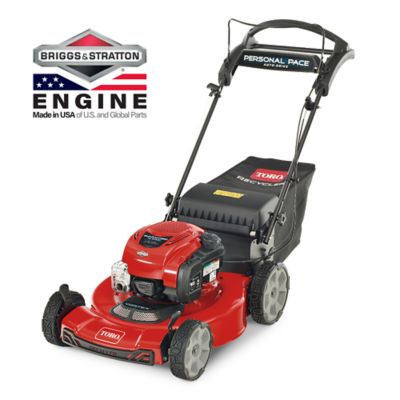
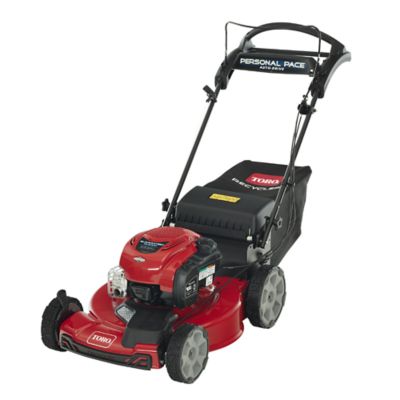
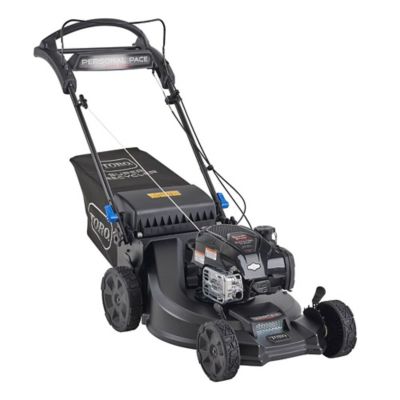
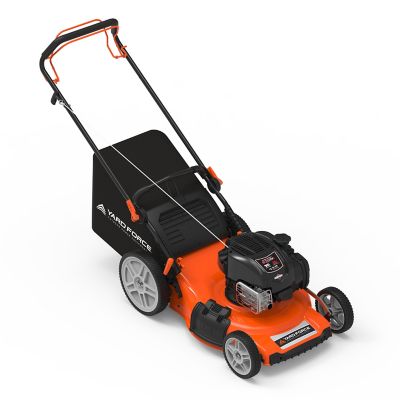
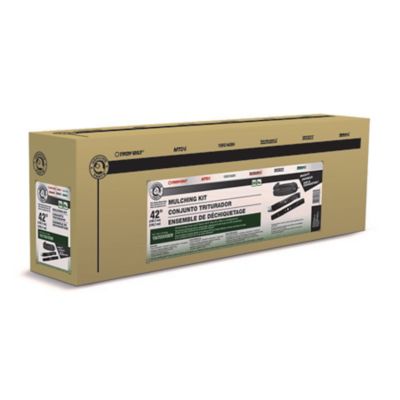
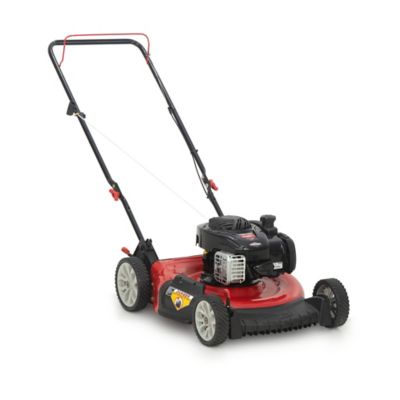
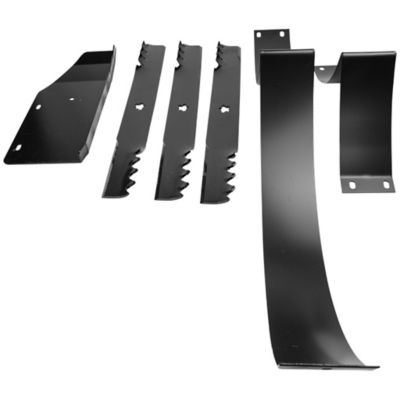
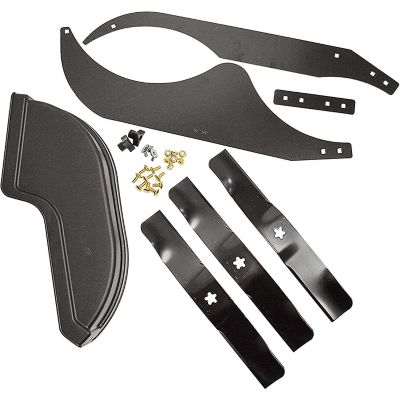
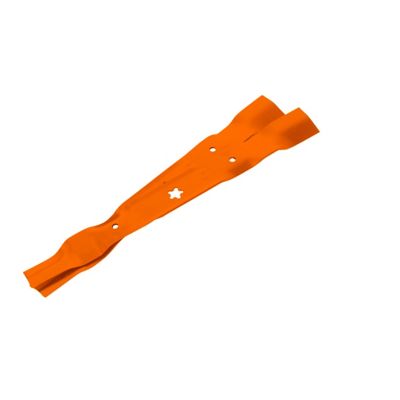
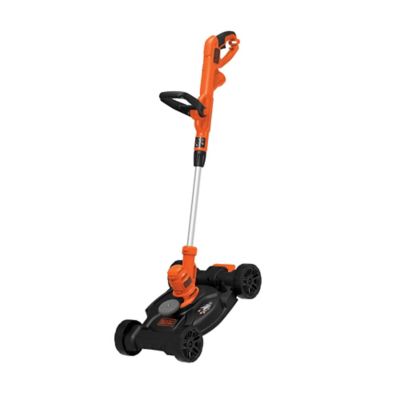
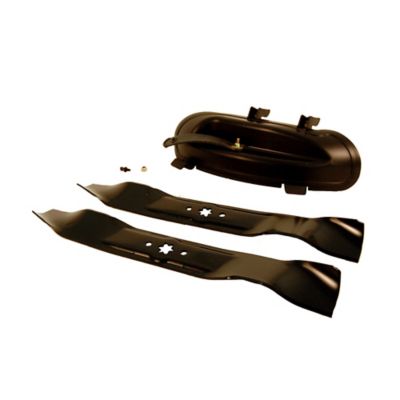
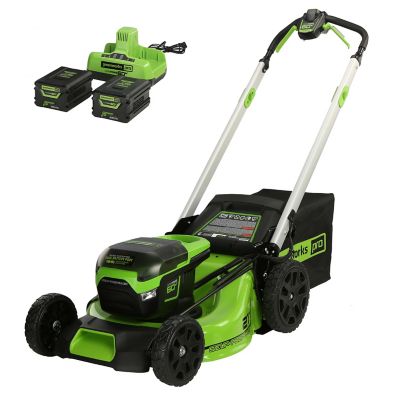
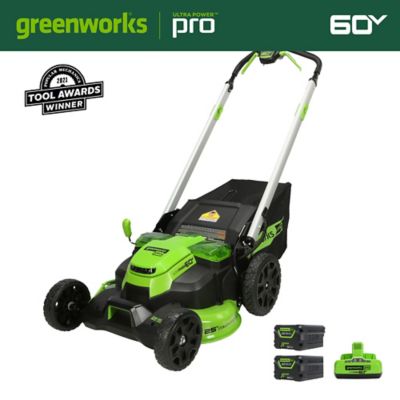
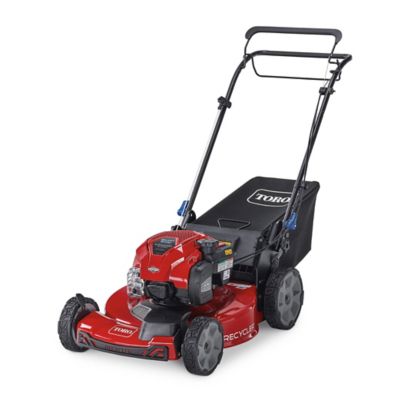
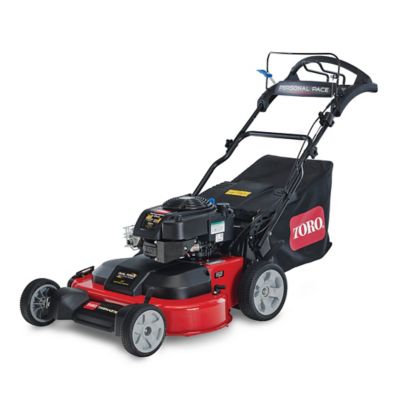
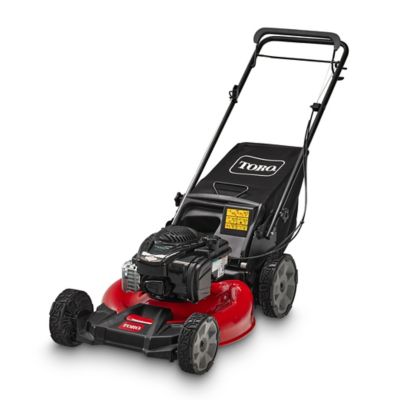
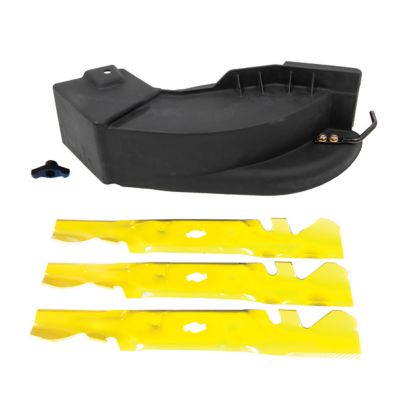
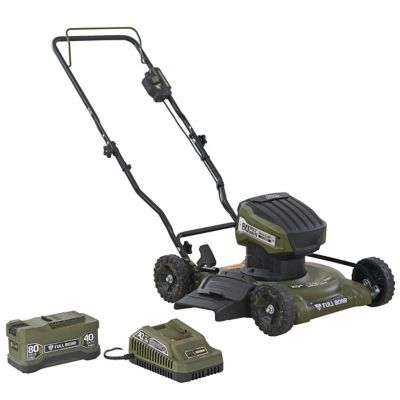
Mulching lawn mowers cut grass and recirculate the clippings beneath the deck, where the blade chops them into smaller pieces before they settle back into the lawn. Those fine clippings break down and return organic matter and nutrients, including nitrogen, to the soil. That makes mulching a practical option for keeping a yard tidy without stopping to empty a grass catcher or hauling away every load of clippings. It can also reduce the need for supplemental fertilizer, though the lawn’s needs still depend on soil conditions, grass type, and how the property is maintained. The difference between mulching and ordinary side discharge comes down to how the blade, cutting chamber, and discharge opening work together. A mower designed for mulching keeps clippings circulating long enough for additional cutting rather than sending them straight out the side. Some lawn mowers offer mulching, bagging, and side-discharge settings, giving property owners more flexibility when grass gets tall or clippings need collecting. A mulching plug or cover may be part of that setup, but the correct blade and compatible deck are just as important. Gas, battery-powered, and corded electric mowers can all offer mulching capability. Gas power suits people who want to keep mowing with fuel on hand, while battery power avoids gasoline handling and generally brings fewer routine power-system maintenance tasks. Corded electric options depend on access to an outlet and an outdoor extension cord matched to the mower’s requirements. No single power source guarantees a better mulched finish. Blade condition, deck design, cutting height, and the amount of grass entering the deck all affect the result. Engine displacement and battery voltage describe parts of a mower’s power system, but neither number alone tells how well it will handle a thick patch beside the driveway. Matching the machine to the lawn matters more than chasing one large number on a specification sheet.
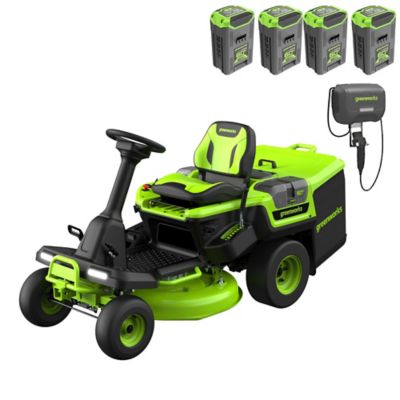
The right fit starts with the ground being mowed and the person behind the handle or in the seat. A compact walk-behind mower can make sense around garden beds, fence corners, and narrow passages, while a wider cutting deck covers more ground on an open lawn. Gate openings, shed doors, and the space between trees can limit deck size, even when the yard itself is large. Riding mowers equipped with compatible mulching blades and kits can serve bigger turf areas, provided the equipment matches the mower’s deck and manufacturer requirements. Push mowers leave propulsion to the operator; self-propelled mowers help move the machine along and can take some effort out of longer mowing sessions. Variable-speed controls are useful when a walking pace changes between an open stretch and a tight turn near the porch. Rear-wheel drive often helps maintain traction as the collection of slopes and turns gets more demanding, but slope limits and operating directions still depend on the individual mower. A self-propelled drive system does not make steep ground safe. Wheel size, tread, handle height, and the placement of drive controls also affect how comfortable a mower feels over uneven turf. Deck materials bring their own considerations. Steel decks need attention where scratches expose bare metal, while composite and aluminum decks resist rust. Weight, construction, and protection against impacts vary by model, so deck material is only one part of the picture. Cutting-height adjustment matters just as much for the finished lawn. Grass types have different preferred heights, and mulching works best when each pass removes a modest amount of growth rather than leaving the deck packed with long stems. The common recommendation to remove no more than about one-third of the grass blade helps explain why regular mowing produces finer clippings. Tall or damp grass is more likely to clump, and a mower with alternate discharge or collection settings offers another option when mulching would leave piles behind.
Everyday care helps a mulching mower keep cutting cleanly instead of tearing grass or dropping uneven trails of clippings. A sharp, properly balanced blade and a clear underside give the cutting system room to do its job. Grass buildup beneath the deck interferes with clipping movement, so access for cleaning is worth considering alongside deck width and drive type. Cleaning methods vary, and a washout port does not replace the mower manufacturer’s directions for safe cleaning and storage. Before blade work or clearing a blockage, the mower needs to be shut down and isolated from its power source as directed in the manual, whether that means removing a battery, unplugging a cord, or disconnecting a spark-plug lead. Gas models also bring engine care, including the specified oil, air-filter attention, and fuel-storage requirements. Battery-powered models need compatible batteries and chargers, along with a storage location that meets their stated requirements. Runtime depends on more than battery capacity: thick grass, frequent starts, cutting height, and self-propelled operation can all affect how much lawn gets finished on a charge. For a larger yard, battery compatibility and charging time may matter as much as the mower itself. Sound is another consideration near homes, livestock areas, and neighboring property lines;
Quiet Lawn Mowers can be worth a look when noise is high on the list. Electric power avoids combustion-engine noise, but the blade and motor still produce sound, and hearing protection should follow the equipment’s guidance. Folding handles and approved upright-storage designs can help a mower share a shed with feed bins, garden tools, and other equipment, though not every mower supports vertical storage. For someone keeping a small home lawn neat or maintaining a broad stretch around a farmhouse, the best match balances cutting performance, maneuverability, storage space, and upkeep. Mulching lawn mowers belong on maintained turf; woody brush, hidden debris, and rough pasture call for equipment built for those conditions.