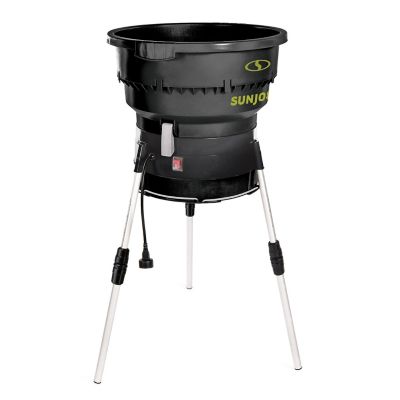
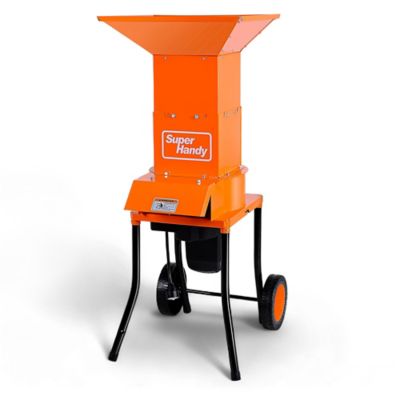
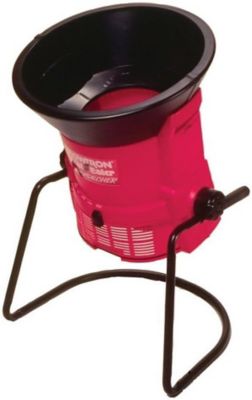
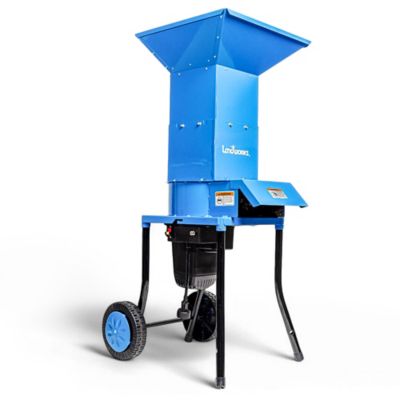
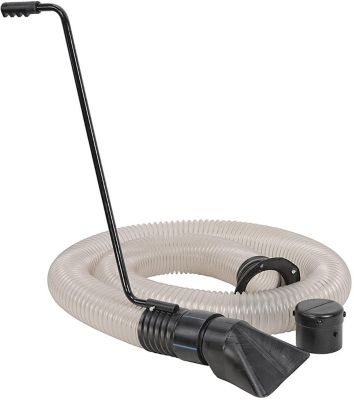
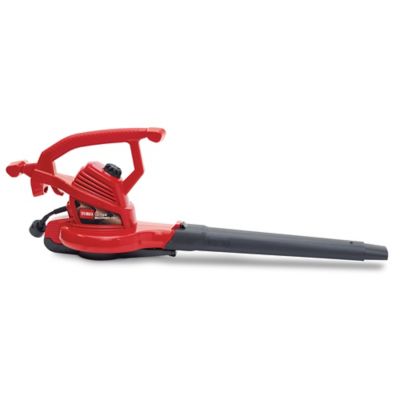
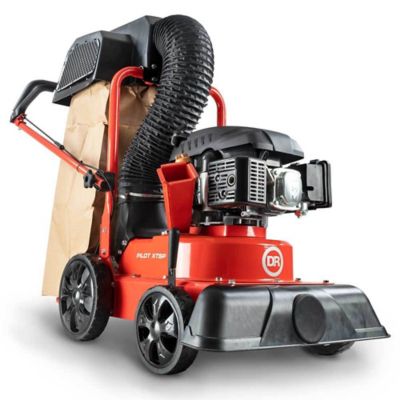
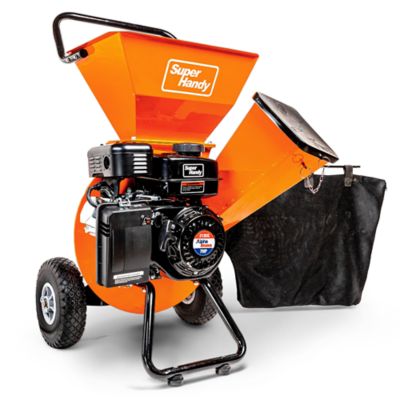
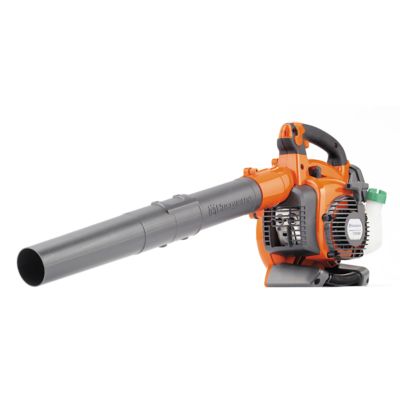
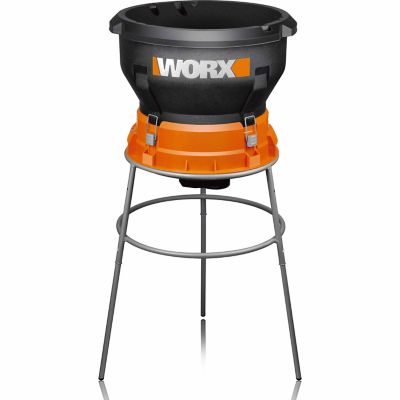
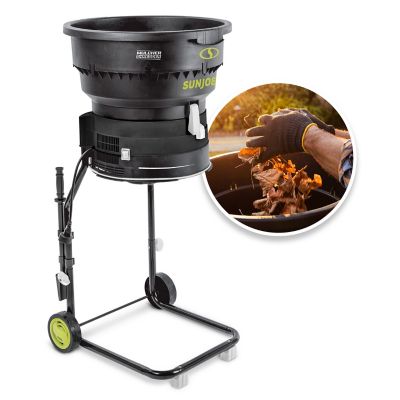
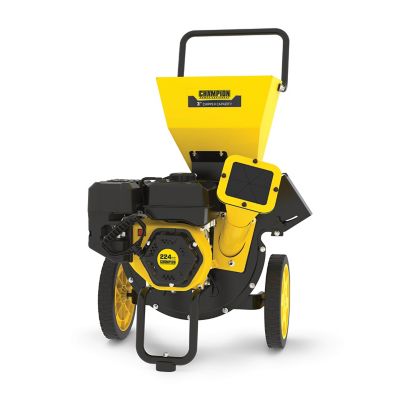
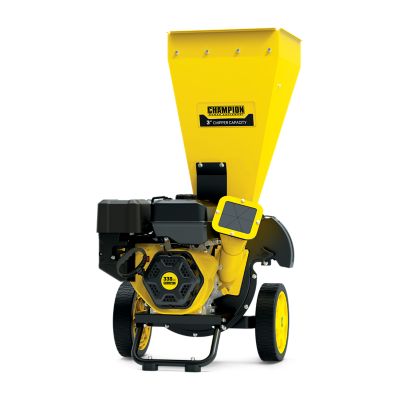
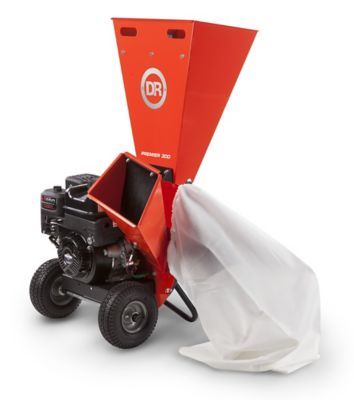
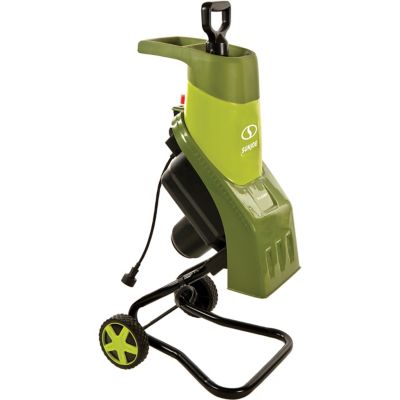
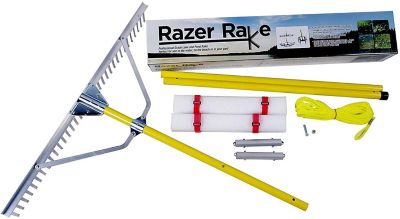
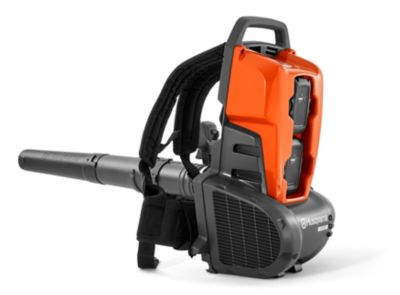
Leaf mulching machines shred fallen leaves into smaller pieces for garden mulch, compost piles and easier yard cleanup. By reducing the volume of a leaf pile, they can cut down on the number of bags headed to the curb and turn material from beneath the trees into something useful around the property. Shredded leaves settle more evenly than whole leaves, and their smaller pieces generally break down faster when moisture, air and composting conditions are suitable. As that material decomposes, it adds organic matter and returns nutrients to the soil. That makes a leaf mulcher a practical piece of equipment for homeowners with mature shade trees, gardeners tending several beds and acreage owners who would rather keep leaf material on their land. The main machine styles handle that job in different ways. A freestanding leaf shredder usually accepts leaves through a top hopper and drops the shredded material into a bag or collection area below. It fits a cleanup routine built around raking or gathering leaves in one place. A blower vacuum with a mulching function combines leaf pickup and shredding in a handheld machine, with a collection bag that fills as the operator moves around the yard. Some chipper shredders also process leaves, but their leaf-handling performance and permitted branch sizes depend on the machine’s design. A dedicated leaf mulcher is not automatically a wood chipper, even when both reduce yard debris. Matching the equipment to the actual pile matters: loose maple leaves from a lawn create a different workload than a mixed pile swept from beneath shrubs. For a yard with several big trees, the benefit is often less hauling and fewer trips between the lawn and compost area. For a smaller property, the appeal may be keeping a manageable supply of leaf mulch for beds without needing a large processing setup.
Power source, cutting mechanism and collection design all affect how a leaf mulching machine fits the work. Corded electric machines need access to a suitable outlet and an outdoor extension cord sized according to the equipment’s requirements. That arrangement can work well near the house or shop, while cord reach becomes a bigger consideration along a distant fence line. Battery-powered equipment offers more freedom of movement, though runtime changes with the battery, workload and operating setting. Gas-powered machines provide another option for work beyond an outlet’s reach, with engine upkeep and fuel storage added to the care routine. Inside the machine, some leaf shredders rely on replaceable nylon cutting line, while others have a blade or impeller system. The cutting mechanism helps determine which materials the machine can accept and which replacement parts it will need over time. Metal components can offer resistance to wear, while molded housings can help keep carrying weight down; the overall construction and intended workload matter more than either material alone. Hopper height, handle position, carrying weight and bag attachment also deserve attention. A handheld machine that feels manageable with an empty bag can feel different once that bag fills with shredded leaves. On freestanding equipment, a steady base and a collection opening that works with the intended container can make a long cleanup session less awkward. Wheels, folding supports or removable sections may help with moving and storing larger equipment, depending on the design. Published reduction ratios describe how much leaf volume a machine may compress, but leaf type, moisture and packing can change the result. A stated ratio is not a promise that every pile will shrink by the same amount. Broad, dry leaves generally move through equipment differently than damp leaves packed into heavy clumps. Feed capacity and the kinds of debris permitted by the manufacturer are better measures of whether a machine suits an ordinary afternoon’s work around a particular yard.
Leaf mulching equipment earns its place in the shed when the finished material has somewhere useful to go. Around garden beds, shredded leaves can help cover bare soil, reduce moisture loss and limit weed growth when applied appropriately. A loose layer is generally more useful than a thick, compressed blanket, and keeping mulch away from trunks and plant crowns helps avoid holding moisture against them. In a compost pile, leaves supply carbon-rich material that can be balanced with nitrogen-rich ingredients such as grass clippings and suitable kitchen scraps. Shredding increases the exposed surface area, but it does not replace the moisture and air that composting organisms need. Autumn leaf cleanup can therefore support soil care well beyond the day the yard gets cleared. Leaf mulching machines also fit alongside the broader selection of
Mulching Tools for gathering, moving and spreading material around the property. Keeping that work manageable starts with separating leaves from stones, wire, litter and other objects that could damage the equipment or become flying debris. Even small sticks may be unsuitable for a machine intended only for leaves. Eye protection, hearing protection when called for, and clothing that stays clear of moving parts belong with the job, along with any additional protection specified in the manual. Dust can be a consideration when processing very dry leaves, especially near walkways or buildings. Routine care commonly includes clearing buildup, checking collection bags for tears and inspecting cutting components for wear, always with power disconnected and moving parts fully stopped. Battery removal or engine shutdown procedures vary by machine, so the manual remains the reference for safe maintenance. Clean, dry storage helps protect electrical connections, metal parts and collection bags between jobs. A machine matched to the property’s leaf load, the operator’s handling needs and the available storage space can make recurring cleanup feel less like moving the same pile twice.