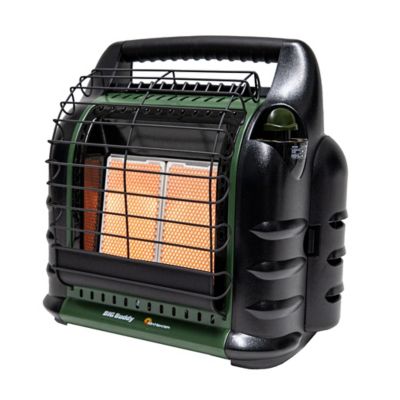
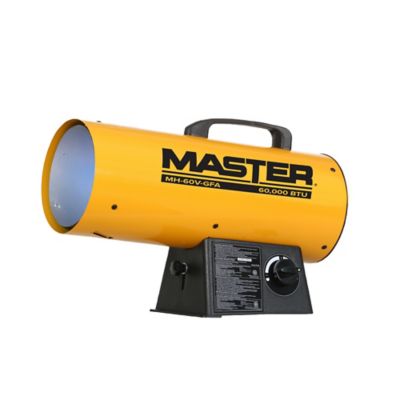
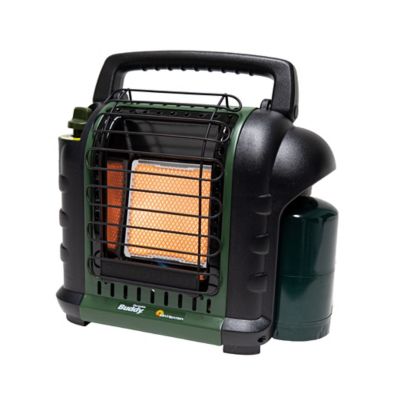
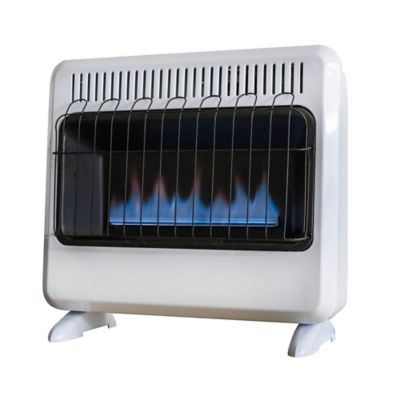
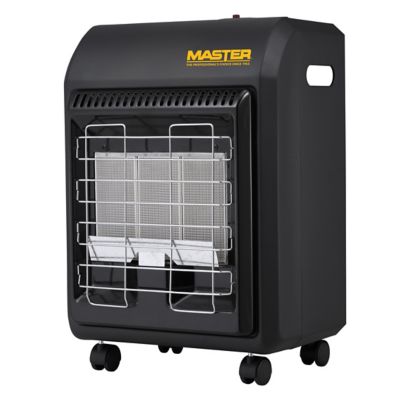
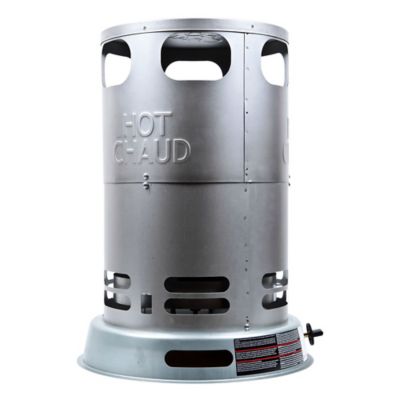
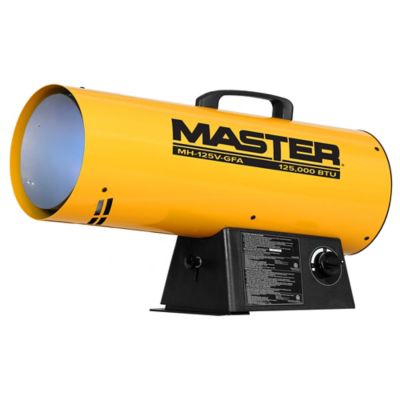
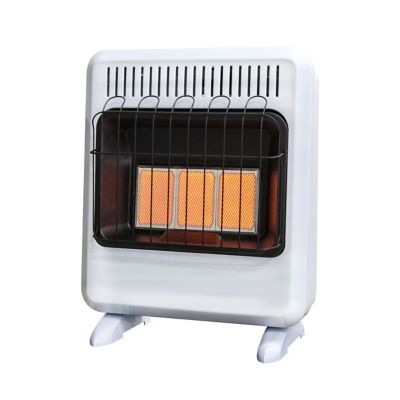
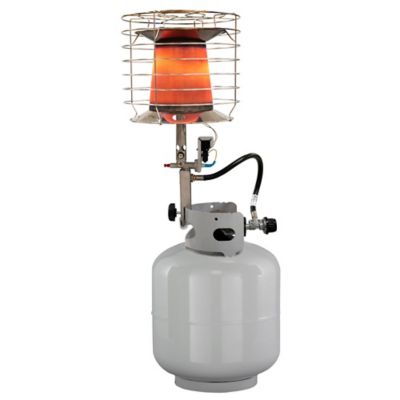
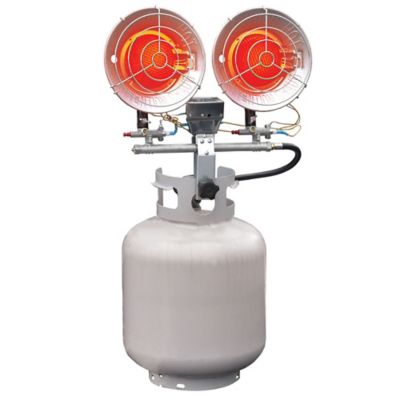
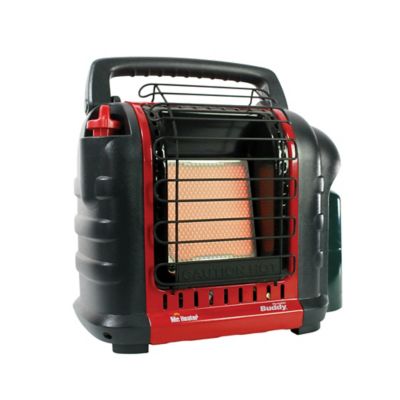
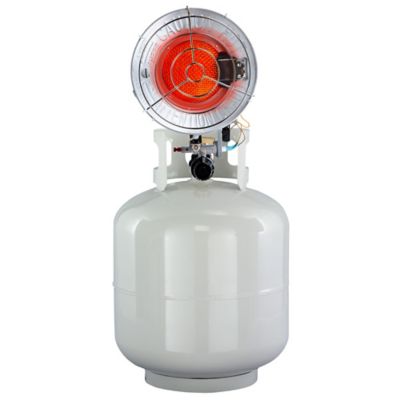
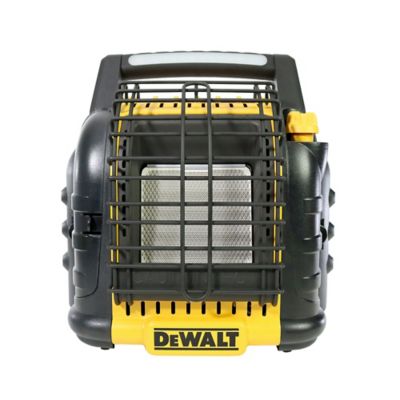
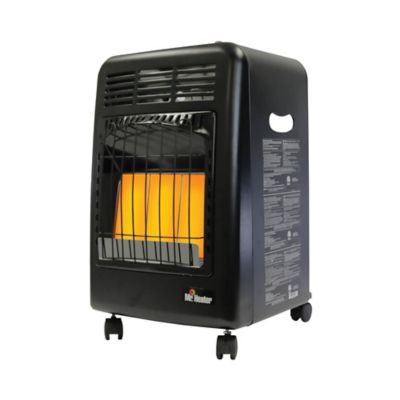
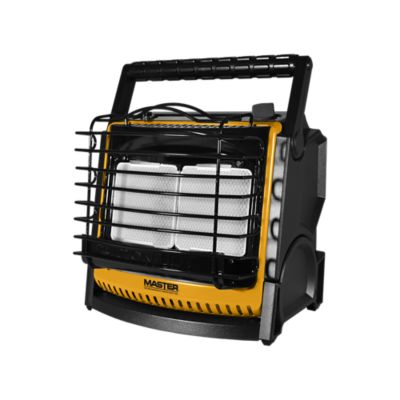
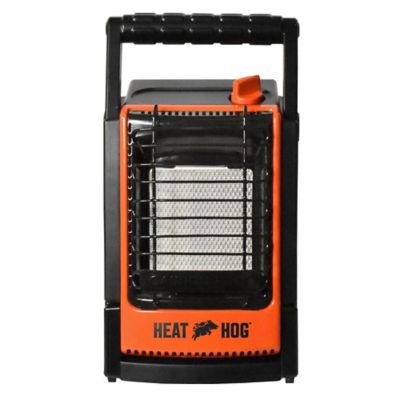
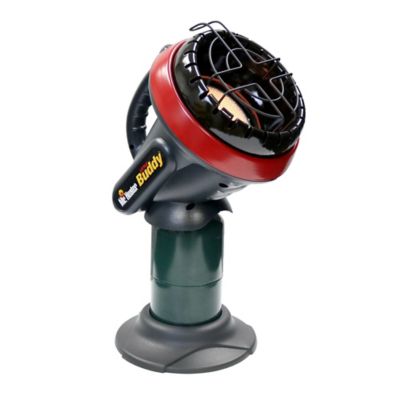
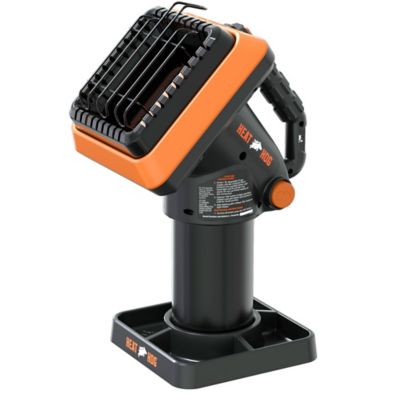
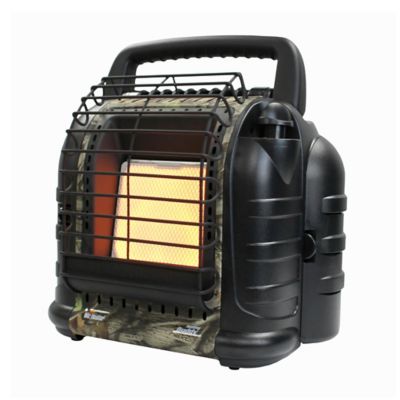
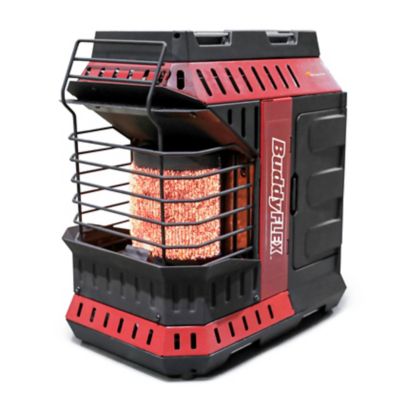
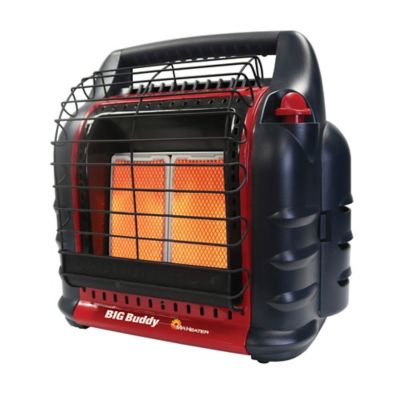
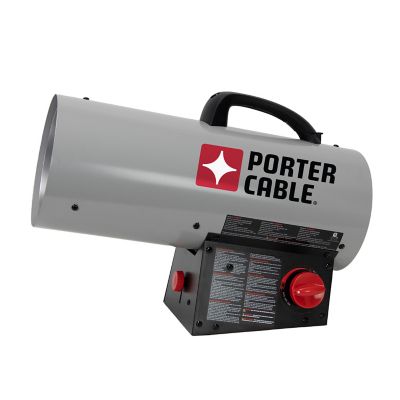
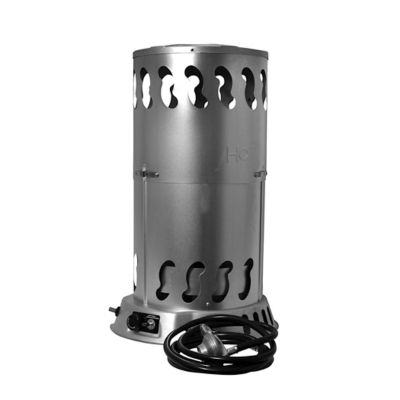
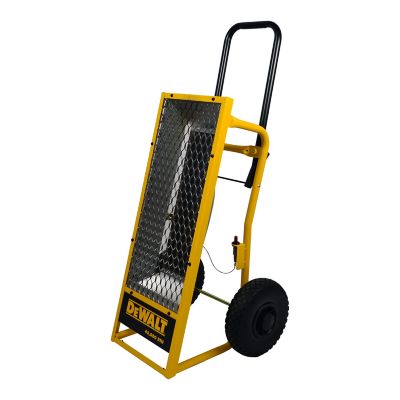
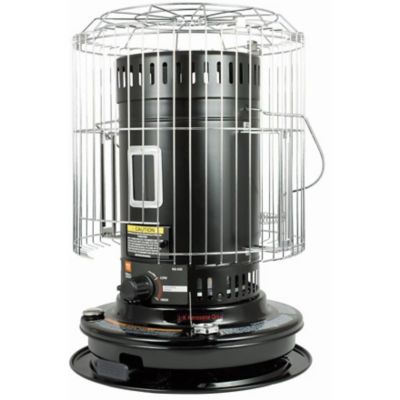
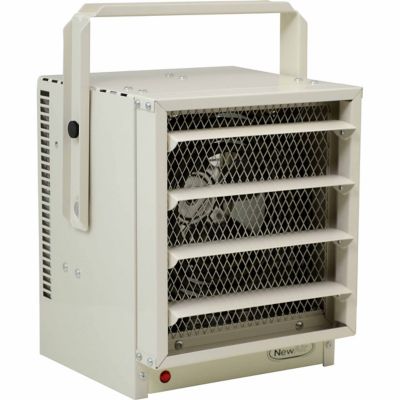
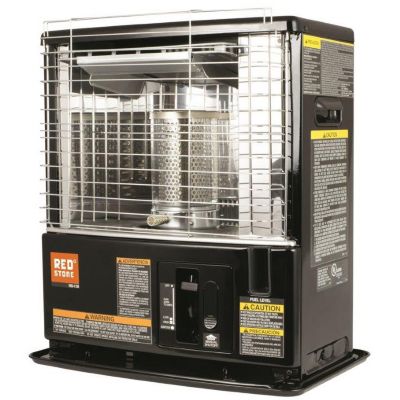
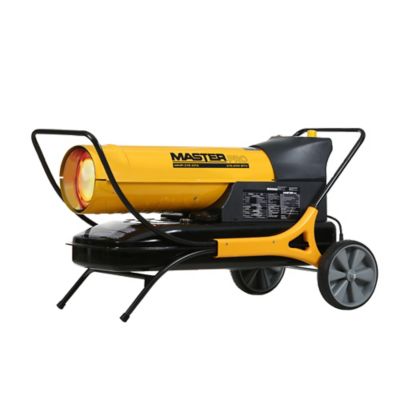
LP portable heaters run on propane, a liquefied petroleum gas stored in cylinders, to provide heat where a permanent heating system may not reach. They’re a practical fit for spot heating in open-air work areas, at outdoor gatherings, or in other locations specifically permitted by the heater’s manufacturer. A compact unit can put warmth near a stationary task, while a larger heater may serve a broader work area. The right match depends on more than the size of the space: the heater’s design, heat output, ventilation requirements, and fuel connection all shape where it belongs. Heat output is measured in British thermal units per hour, often shortened to BTU/hr. Compact propane heaters may offer outputs in the 4,000–18,000 BTU/hr range, while larger portable designs can produce substantially more heat. A higher number does not automatically mean a better fit, especially when the goal is warming one person rather than heating a large area. Radiant heaters send heat toward people and nearby objects, making their position and direction important. Convection heaters warm circulating air, while forced-air designs move heated air with a fan. Some propane heaters operate without household electricity, but fan-driven models may require an outlet or another specified power source. That distinction matters at a remote worksite or when electrical service is interrupted. Advertised square-foot coverage is a starting point, not a promise for every setting. Ceiling height, insulation, air movement, and the difference between an enclosed room and an open outdoor space can change the amount of warmth someone actually feels. Wind can also carry heat away from an outdoor work area. Adjustable heat settings help match the output to the task, whether someone is sitting through a break between chores or spending an afternoon sorting hardware. Any wind protection or shelter must still meet the heater’s ventilation and clearance requirements; enclosing an outdoor-only heater does not make it suitable for indoor use.
For farmers, ranchers, and folks carrying equipment between work areas, portability means more than a small footprint. The heater’s weight, handle placement, and overall balance affect how comfortably it travels, especially when a fuel cylinder adds to the load. Steel housings, protective burner guards, and sturdy frames can help protect working parts through regular handling. Corrosion-resistant finishes are helpful around damp conditions, though no finish makes a heater weatherproof unless its rating says otherwise. A broad base helps the heater sit steadily on a firm, level surface; loose gravel, uneven ground, and makeshift platforms are poor foundations for a fuel-burning appliance. Larger designs may have wheels, making wheel size and the intended rolling surface worth considering before moving equipment across a work area. Fuel capacity is another part of the fit. Many compact propane heaters connect to a 1-pound cylinder, while some support a larger cylinder through a manufacturer-approved hose and regulator arrangement. A common 20-pound cylinder carries more fuel, but compatibility must come from the heater’s instructions rather than an adapter that happens to fit. Larger cylinders belong outdoors, with placement and connections following the manufacturer’s directions and local requirements. Run time depends on fuel capacity and the selected heat setting, so published estimates should be compared at the same output level. Higher heat settings generally consume fuel faster. Hose length and routing also matter: a connection should not stretch across a walking path, touch hot surfaces, or carry the heater’s weight. Clearly marked controls and straightforward ignition can make operation easier with cold hands, but adjustments still need to follow the manual. Care usually includes letting the heater cool fully, inspecting connections, and keeping air openings clear according to its instructions. Dry storage helps protect the appliance between jobs, while propane cylinders require separate attention to outdoor storage rules.
Indoor suitability is one of the most important distinctions among LP portable heaters. Outdoor-only models belong outdoors, not in a garage with the door cracked or a tent with a flap open. Only heaters explicitly approved for indoor operation belong in the indoor settings listed by their manufacturer, and those still require the specified fresh-air ventilation. An indoor-use rating is not blanket permission for every room, camper, shelter, or outbuilding. Propane combustion can produce carbon monoxide, an invisible, odorless gas, so ventilation and working carbon monoxide alarms are essential wherever indoor propane heating is permitted. An oxygen depletion sensor, often called an ODS, is designed to shut off a heater when oxygen falls below its operating threshold; it does not measure carbon monoxide or replace a CO alarm. Features such as a tip-over switch and flame-failure shutoff provide additional protection, but they do not make unattended operation safe. A fuel-burning portable heater should never run while people are sleeping. Clearance matters just as much as the heater’s rating. Coats hanging from a chair, cardboard boxes beside a workbench, hay, animal bedding, and fuel containers all need separation from heat and ignition sources according to the stated clearances. Locations with flammable vapors or combustible dust call for equipment specifically rated for those conditions, not an ordinary portable heater. Children and animals also need room away from hot guards, exposed surfaces, hoses, and cylinders. Cylinder changes belong outdoors, away from ignition sources, with the heater off and cool as directed. These operating requirements help distinguish a suitable heater from one that simply has enough output on paper. For a different approach to portable warmth, explore
Portable Oil Heaters and compare each heater’s power source, operating requirements, and approved setting. Matching the heat source to the actual work area keeps the choice grounded in how and where the heater will earn its keep.