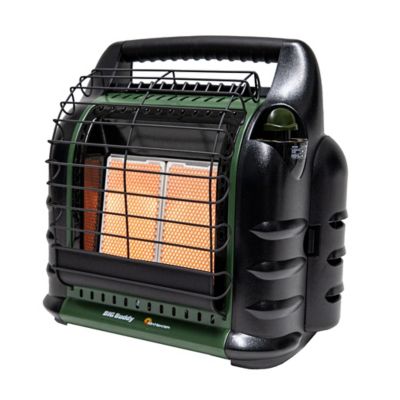
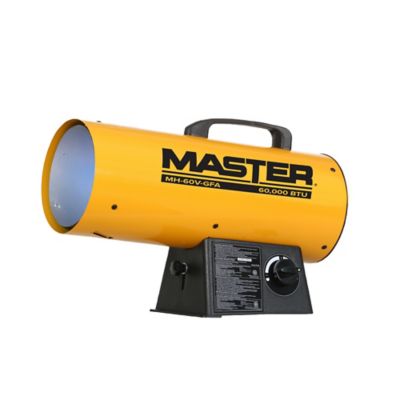
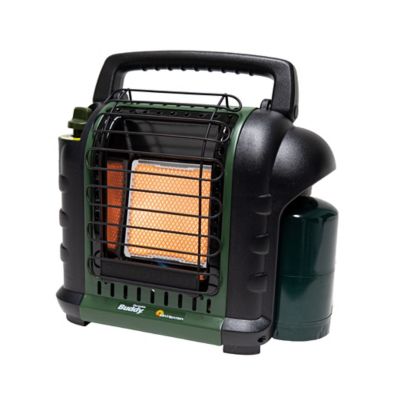
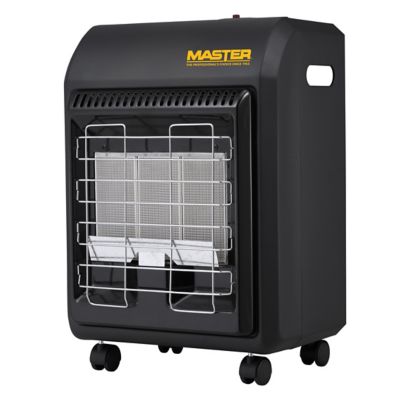
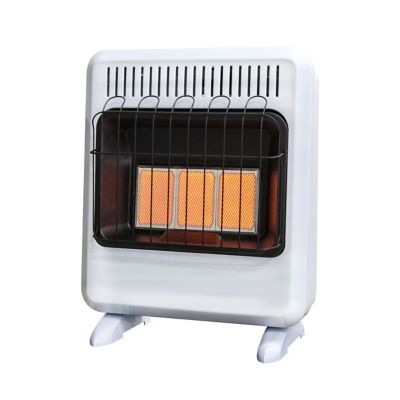
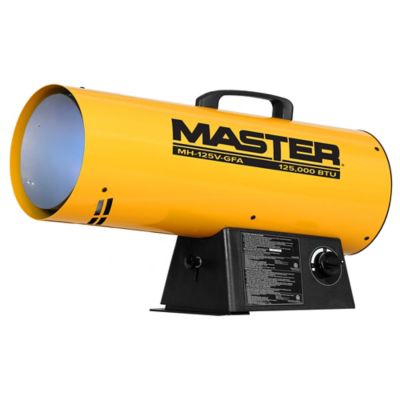
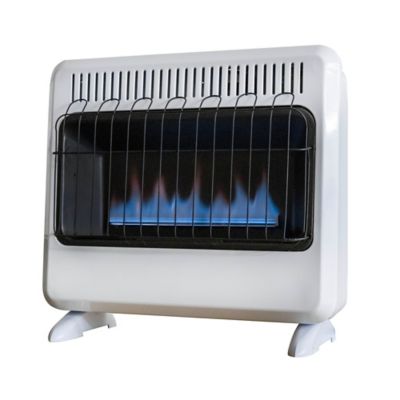
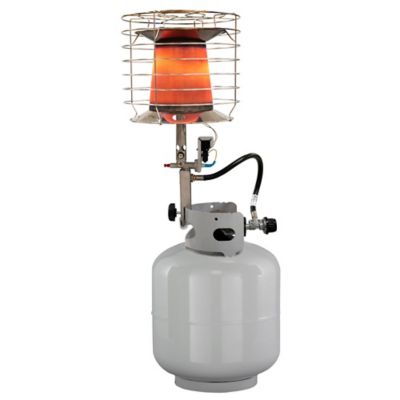
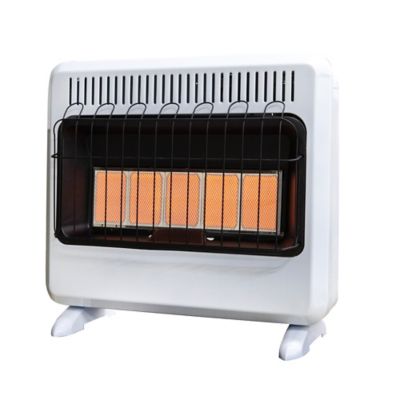
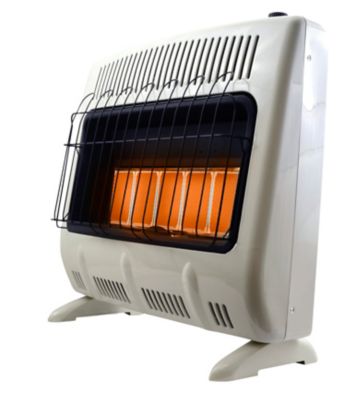
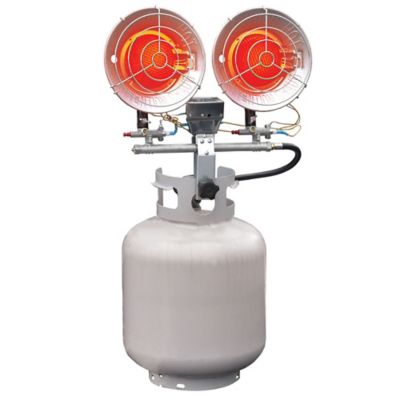
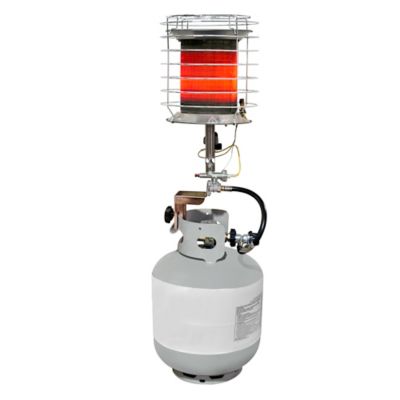
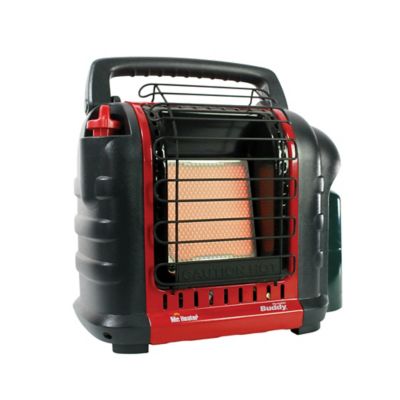
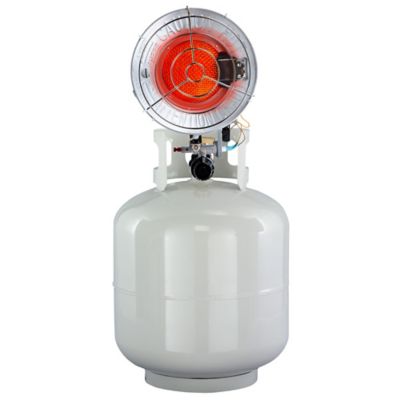
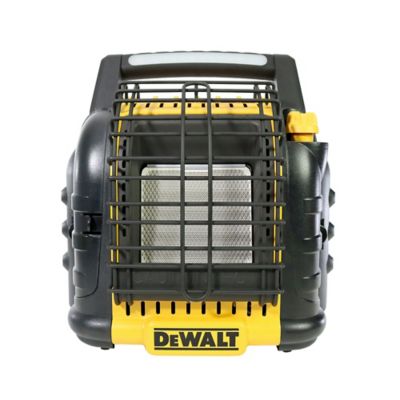
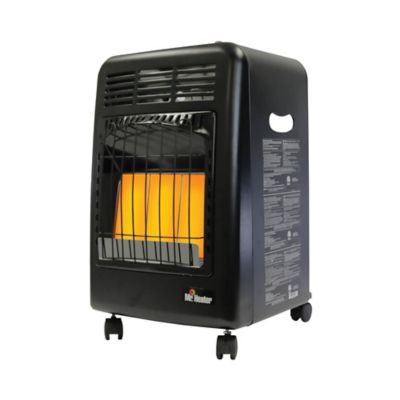
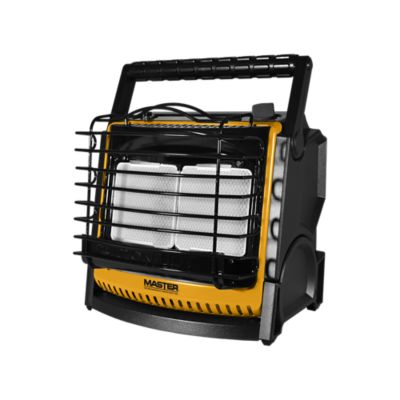
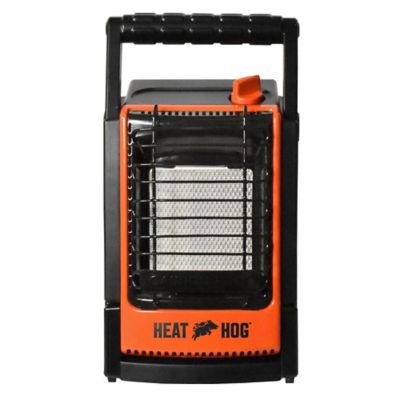
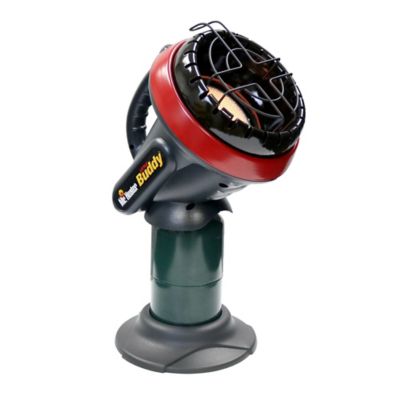
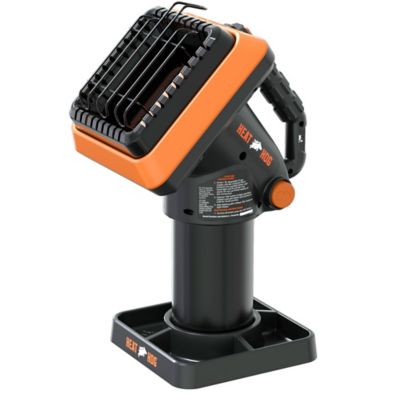
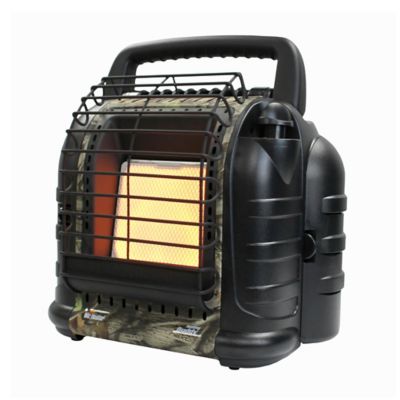
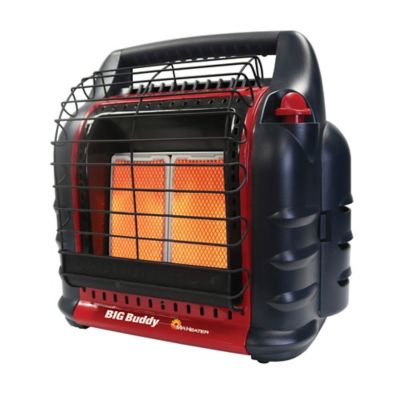
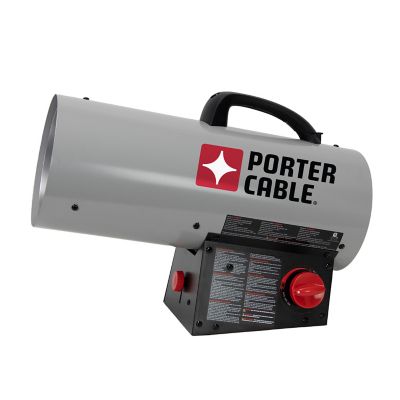
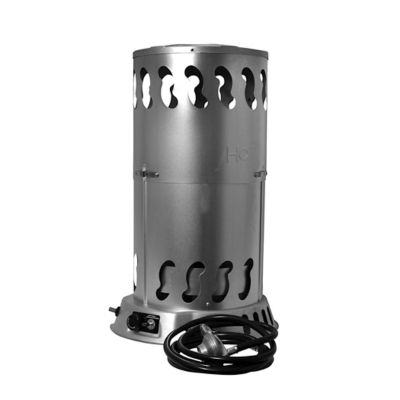
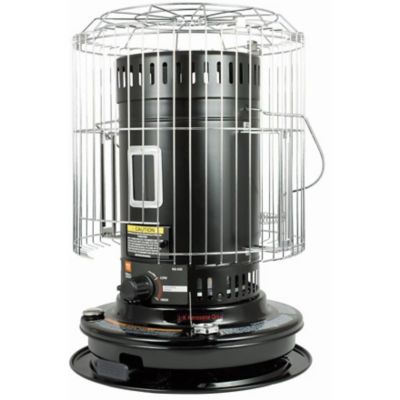
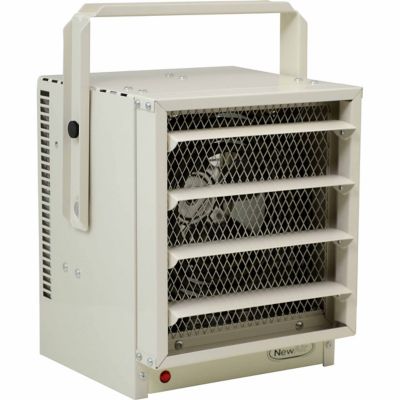
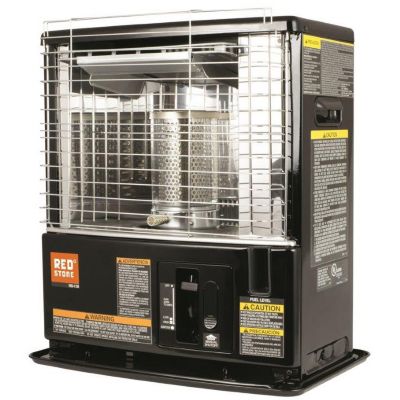
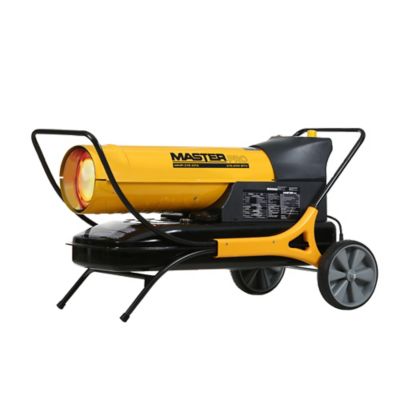
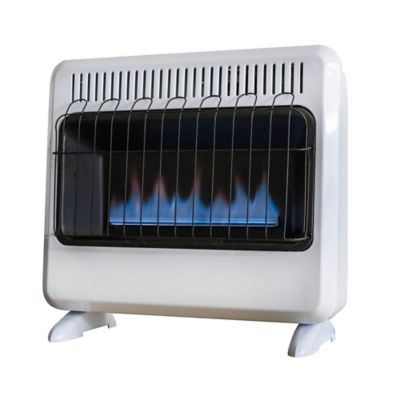
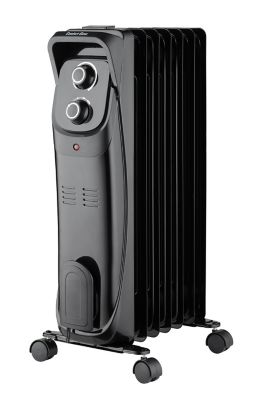
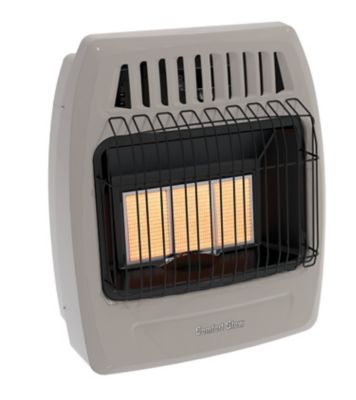
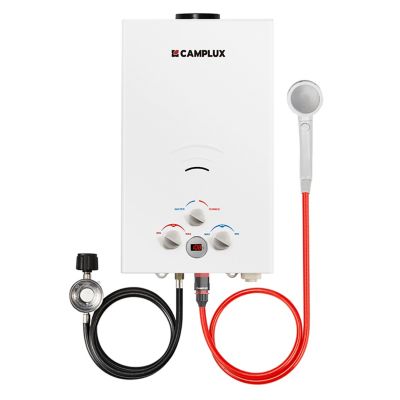
Portable gas heaters provide localized warmth by burning a compatible fuel, commonly liquid propane, near a work area or gathering spot. Some compact designs run on butane, but fuels and cylinders are not interchangeable unless the manufacturer specifically allows it. These heaters can make a difference when a task keeps someone in one place, whether that means sorting gate hardware at a workbench or tending an outdoor work station. Many radiant designs operate without an electrical outlet, while fan-driven models may require electricity or a compatible battery in addition to gas. That distinction matters around outbuildings and other places where power is limited. Radiant heat warms people and surfaces within its reach, much like standing in a patch of sunshine, while forced-air heat moves warmed air through the space. Neither approach fits every setting. Air movement, ceiling height, insulation and open doorways all affect how much warmth reaches the person doing the work. Heat ratings, commonly listed in British thermal units per hour, help compare heating capacity, but a square-foot coverage estimate is not a promise of the same performance in every building. A sheltered work area and a drafty shed can have very different heating needs, even with similar floor space. Shoppers comparing
LP Portable Heaters can consider heat settings, cylinder compatibility and electrical requirements together rather than judging by the heater’s size alone. Adjustable output helps match warmth to the task, while fuel consumption determines how quickly a cylinder needs attention. Runtime depends on both the fuel supply and the selected heat setting, so a small cylinder at high output will not last as long as the same cylinder at a lower setting. For someone finishing a short repair or settling into a longer stretch of work, those differences matter as much as the advertised heating capacity. Propane cylinders also require a separate refill or exchange plan, since access to electricity alone will not keep a gas heater running.
The right fit involves more than heating capacity. A portable gas heater needs room for its own footprint, its fuel cylinder when separate, and the full clearance specified around hot surfaces. On a crowded shop floor, a compact housing may seem convenient, but the surrounding space still has to stay clear of lumber, cardboard, rags and other combustible materials. A broad base and steady stance are important where boots, cords or equipment might pass nearby. Carry handles help with moving a cooled heater between storage and its operating location, while larger designs may have wheels for travel across a firm, level surface. The heater’s weight, the weight of its fuel supply and the route between locations all deserve a look before choosing a setup. A gravel path, a threshold and a smooth concrete floor present different challenges. Steel housings, protective metal grilles and finishes suited to the intended environment can help a heater stand up to everyday handling, but exposed metal and guards can become hot during operation. A grille does not make the front of a heater safe to touch. Control placement also matters: clearly marked settings and accessible shutoff controls make everyday operation more straightforward, especially with cold hands. Ignition systems vary, and some require batteries even when the heating function needs no electrical connection. Fuel arrangements range from direct cylinder connections to manufacturer-specified hose and regulator assemblies. Each connection must match the heater’s requirements; a fitting that threads into place does not establish compatibility. For property owners, tradespeople and folks handling repairs around an acreage, portability is most useful when the heater can move between appropriate work locations without becoming an obstacle. A longer hose is not automatically a better fit, and routing it across a walkway creates a tripping hazard. Keeping the fuel supply positioned according to the manufacturer’s directions helps preserve clear access around the work area. Farm buildings also bring bedding, dust and animals into the picture, so suitability for that setting needs explicit confirmation rather than an assumption based on heating power.
Safe operation and regular care are part of owning any fuel-burning heater. An outdoor-only gas heater must stay outdoors; an open garage door or cracked window does not make it suitable for indoor operation. Only equipment expressly rated for the intended indoor setting belongs there, with every ventilation requirement followed. Burning gas can produce carbon monoxide, an odorless gas that can cause serious illness or death. Working carbon monoxide alarms are an important safeguard where appropriate, but they do not replace ventilation or permit operation in a location the manufacturer prohibits. Portable gas heaters do not belong in vehicles or sleeping spaces, and they should never run unattended. Unvented gas heat also adds moisture to the air, which can contribute to condensation in an enclosed area. Safety features such as tip-over switches and oxygen-depletion shutoffs, where fitted, provide specific protections rather than permission to overlook placement or airflow. Gasoline, solvents, airborne combustible dust and other flammable vapors call for particular caution; a heater’s flame or hot components can become an ignition source. Before operation, hoses, seals and connections need inspection according to the owner’s manual, and any leak check must follow the manufacturer’s procedure without an open flame. A gas odor calls for stopping operation and following the stated emergency instructions, not continuing a job while watching the heater. After shutdown, the unit needs time to cool before handling, cleaning, disconnecting or changing a cylinder. Dust and debris can interfere with burners and air passages, so cleaning should follow the specified method rather than pushing tools into small openings. Fuel cylinders need upright, secured storage in a location permitted by applicable rules and the manufacturer’s directions, never in a home or living space. Keeping the cooled heater dry, protecting its controls during storage and checking it again before the next job can help keep small problems from carrying into the next workday. Matching the heater to its approved setting, maintaining clear space and giving fuel connections proper attention all support practical warmth without cutting corners.