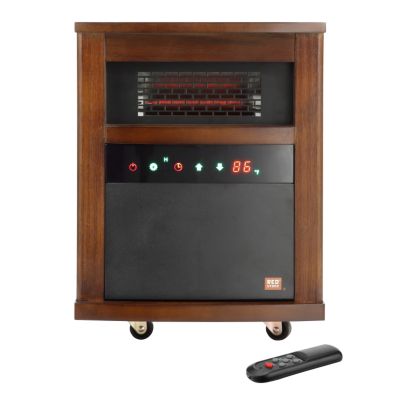
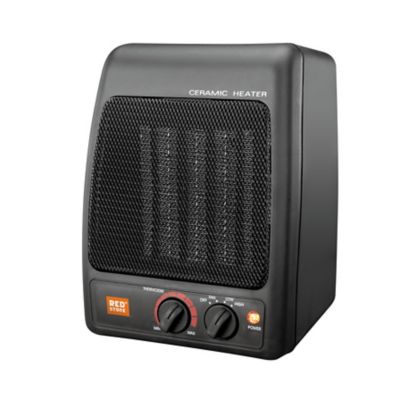
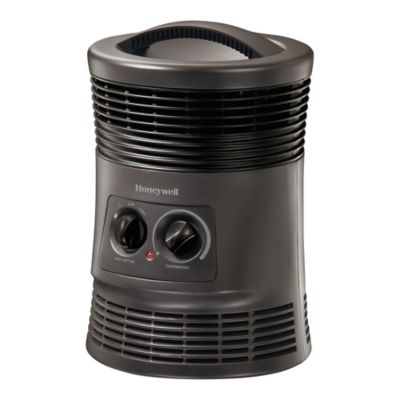
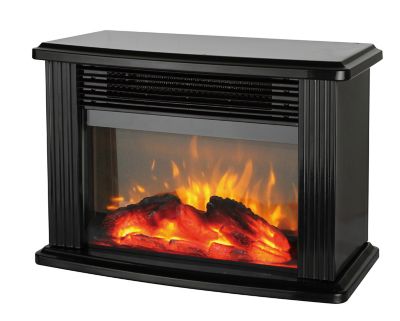
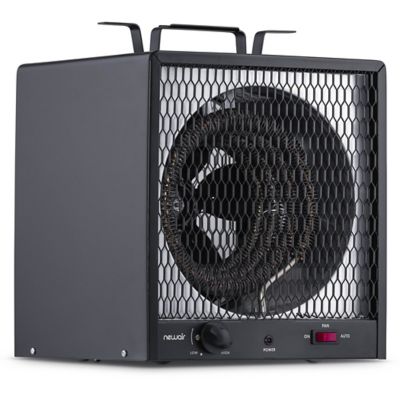
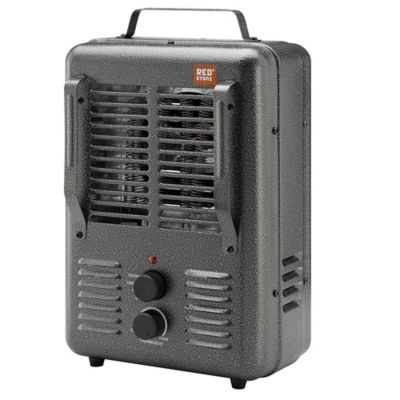
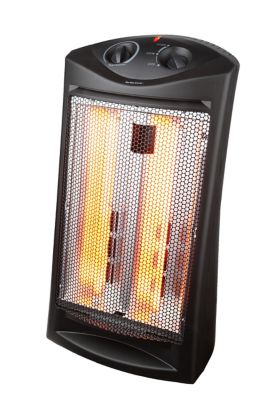
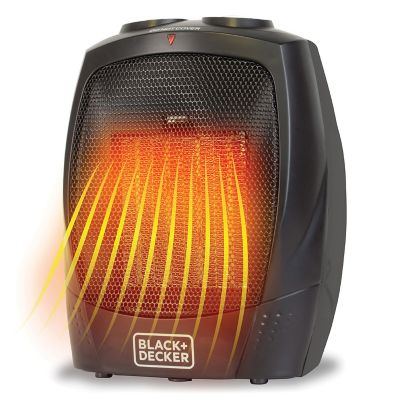
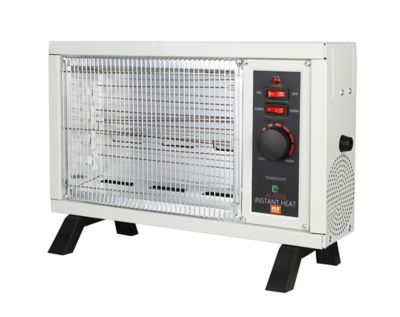
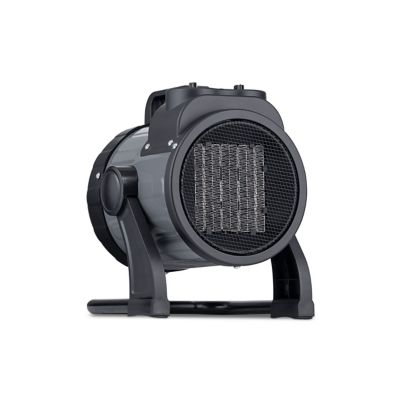
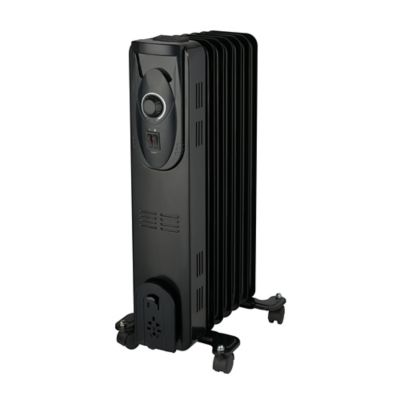
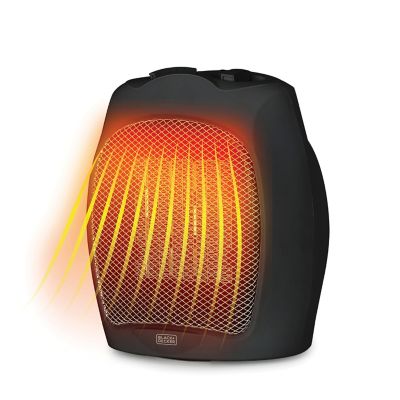
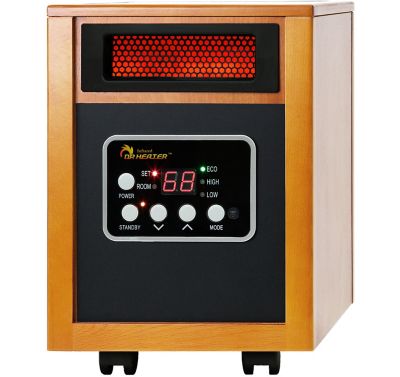
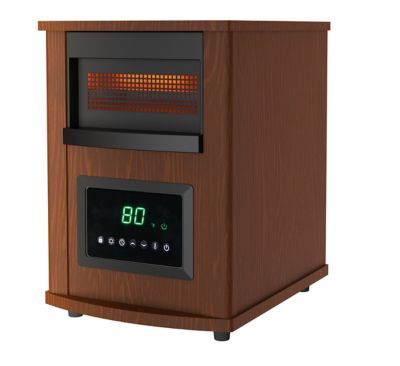
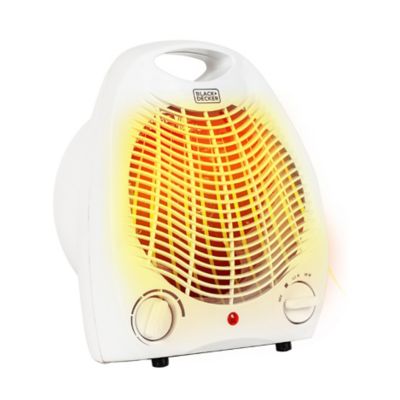
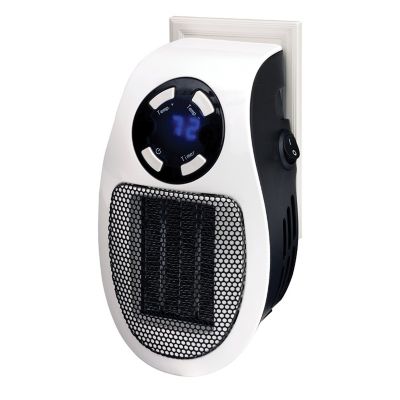
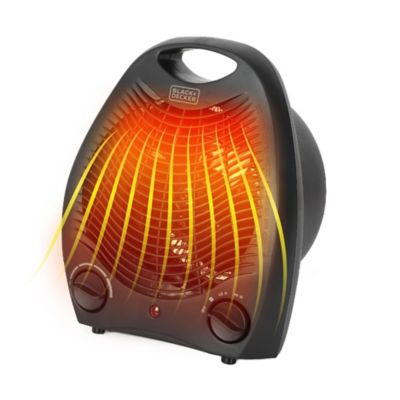
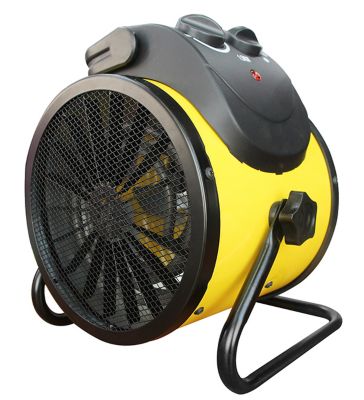
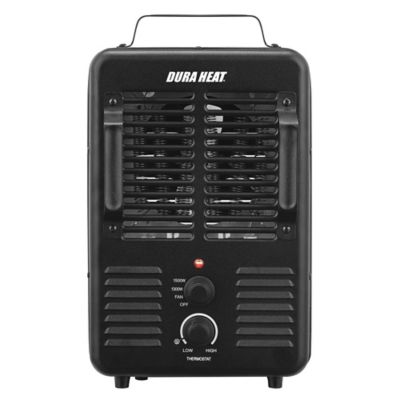
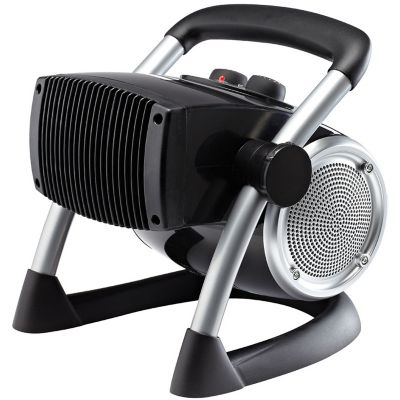
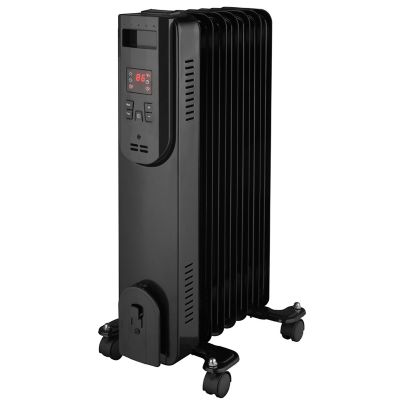
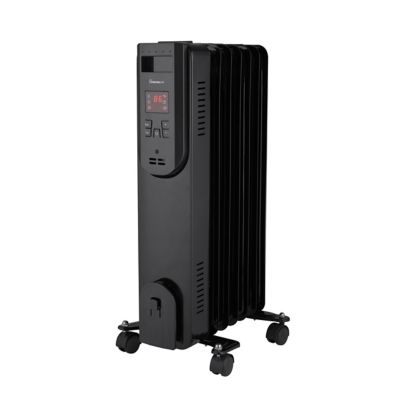
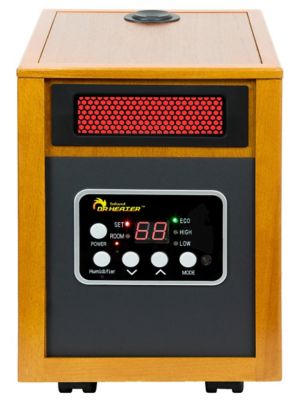
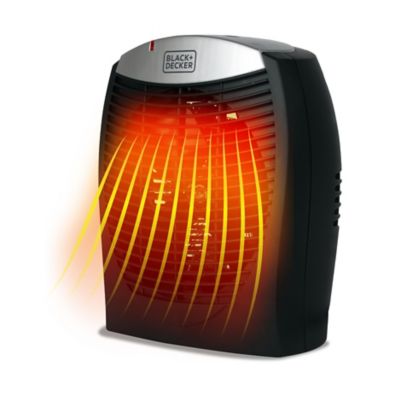
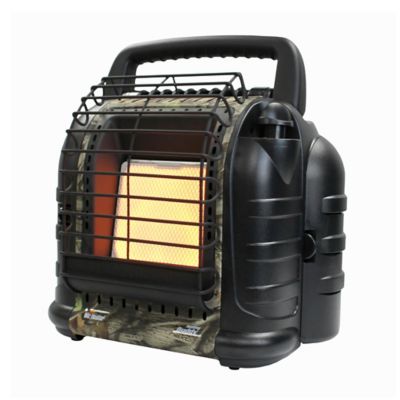
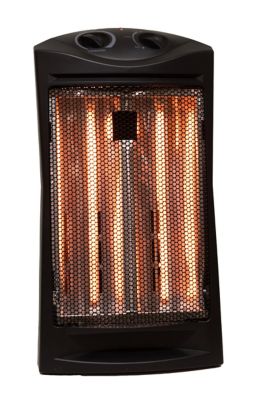
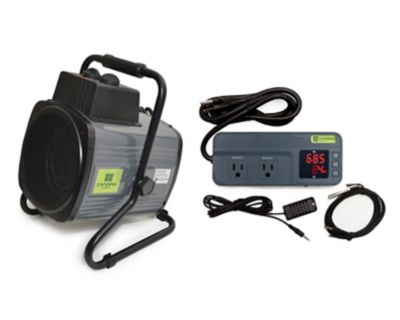
Electric portable heaters bring supplemental warmth to the places where folks sit, work and spend time, whether that means a farmhouse office, a drafty sitting room or an enclosed hobby space. They turn electricity into heat without burning fuel at the point of use, so there is no fuel tank to fill or combustion exhaust to vent. Their main job is to take the chill off a particular area, not replace a properly sized heating system throughout an entire house. Many household electric space heaters operate on a 120-volt circuit and draw up to 1,500 watts, or about 12.5 amps at full power. Room coverage depends on more than wattage, though. Insulation, ceiling height, windows, outdoor conditions and open doorways all affect how much warmth stays in the space. A small office with the door shut holds heat differently than a room opening into a long hallway or a shop with high rafters. Published square-foot ratings offer a starting point, but the setting matters just as much as the number on the package. Ceramic fan-forced heaters move air across a heating element and push warmth into the room, making them a practical match for occupied spaces that need a quicker boost. Radiant heaters direct warmth toward nearby people and surfaces, with a more noticeable effect within their line of sight. Oil-filled electric radiators warm sealed fluid inside metal fins, then release heat gradually through natural convection and radiation. They generally take longer to warm up than fan-forced designs and can stay warm after switching off, but that stored heat is not extra energy created for free. The sealed oil is a heat-transfer medium, not fuel that needs regular refilling. These differences help explain why two electric portable heaters with similar wattage can feel quite different beside a reading chair or in a spare room where someone spends the afternoon.
The shape, construction and controls of a portable electric heater make a difference in everyday comfort. Compact housings fit smaller floor areas, while tower designs put air outlets higher without taking up as much floor width. Neither shape removes the need for open space around the heater. Steel housings, metal grilles and molded exterior panels each have their place, but surface temperatures and handling directions matter more than appearance. A carrying handle gives a better grip when moving a cooled heater, and wheels can help with heavier radiator-style designs on suitable floors. A broad, steady base is especially helpful around busy household walkways, though placement should always keep the heater away from foot traffic, children and pets. Thermostat controls let the heater cycle to maintain a selected temperature rather than run continuously at full output. The temperature at the heater may differ from the temperature across the room, particularly near a window or doorway. Multiple heat settings offer more flexibility, while oscillation spreads airflow across a wider area instead of keeping it pointed in one direction. Fan sound is worth considering for a home office, a conversation area or a quiet spot for reading. Radiator-style heaters without fans generally operate with less airflow noise, though switches and expanding metal may still make occasional sounds. Timers, clear displays and remote controls can make daily operation simpler, but none replaces supervision. At the same wattage and operating time, electric resistance heaters convert roughly the same amount of electricity into heat within the room; different shapes do not automatically mean lower energy consumption. Thermostats and lower settings can reduce consumption by limiting output or run time. For heating needs beyond a single occupied room, the broader
Temporary Heaters category provides context for other heater types, each with its own power, placement and ventilation requirements. The right match starts with the space and the job, not simply the largest heat-output number.
Safe placement and routine care are part of living with electric portable heaters, especially in homes where boots, coats, pet bedding and laundry tend to collect near the door. A heater belongs on a firm, level surface approved by its manufacturer, with at least three feet of separation from curtains, bedding, furniture, paper and other combustible materials, or more when the instructions require it. It should not sit on a workbench crowded with rags or near gasoline, paint thinner, airborne dust, hay or other fire hazards. A household room heater is not automatically suitable for a barn, livestock area, damp garage or outdoor workspace; those settings call for equipment specifically rated for the conditions. Bathrooms and other locations near water also require particular attention to the heater’s stated restrictions. Tip-over shutoff and overheat protection add safeguards, and a safety listing from a nationally recognized testing laboratory is worth looking for, but those features do not make risky placement safe. Plug a portable electric heater directly into a suitable wall outlet rather than an extension cord or power strip, and keep the cord uncovered and out of walking paths. High-wattage heaters place a substantial load on a circuit, particularly when other appliances share it. A loose-fitting plug, discoloration, a burning smell or an unusually hot outlet is reason to stop operation and have the problem checked. Switch the heater off when leaving the room or going to sleep, even if it has a timer. Before cleaning or moving it, unplug it and allow it to cool completely. Dust at intake grilles can restrict airflow, so regular cleaning according to the manufacturer’s directions helps keep air passages clear. A soft brush or vacuum attachment may be appropriate where the instructions allow it; water and cleaning sprays should stay away from electrical openings. During storage, a dry location, a loosely arranged cord and protection from bumps help keep the heater ready for its next stretch of supervised service.