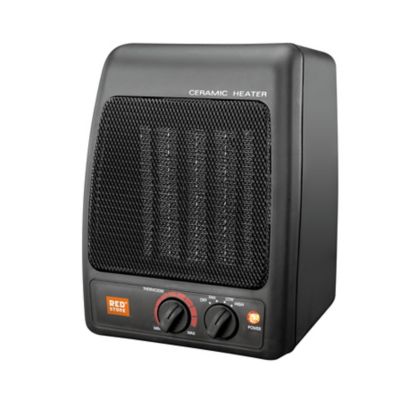
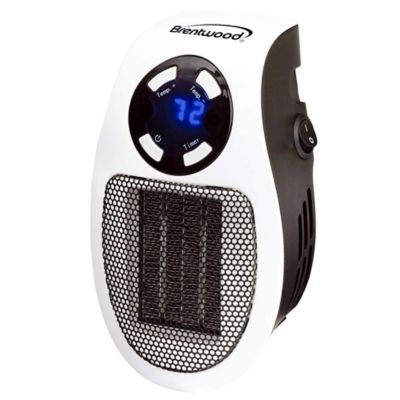
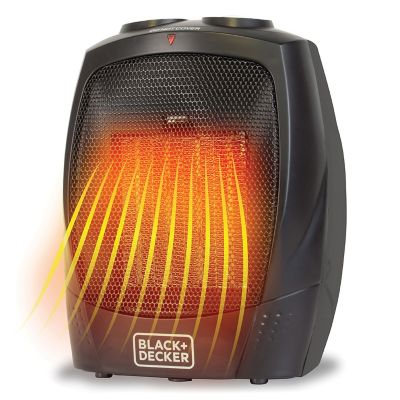
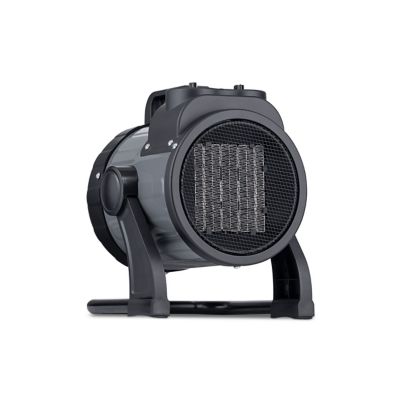
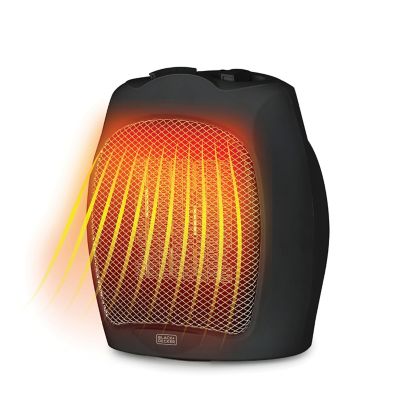
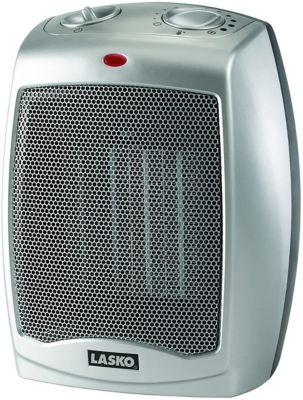
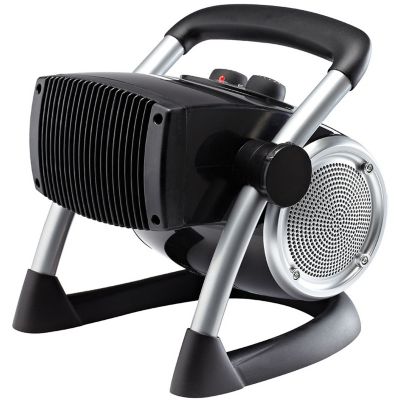
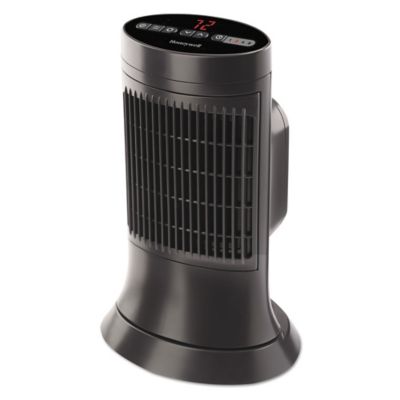
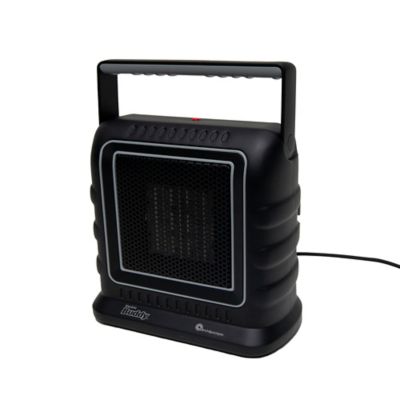
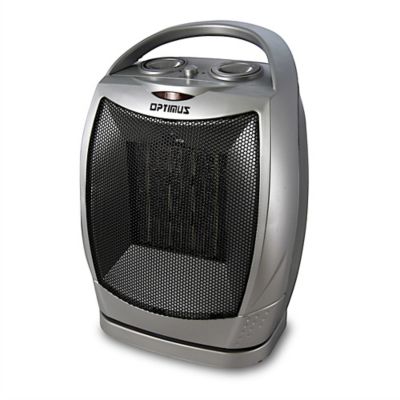
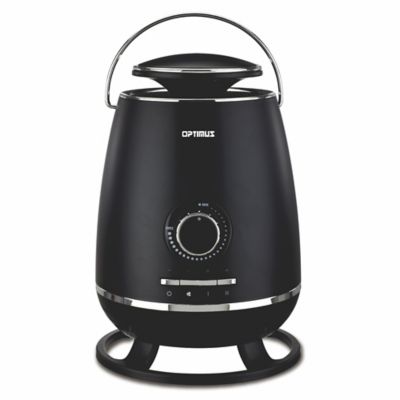
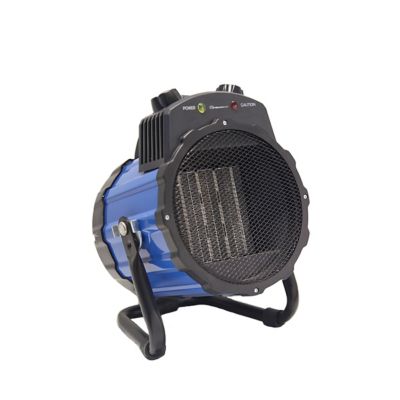
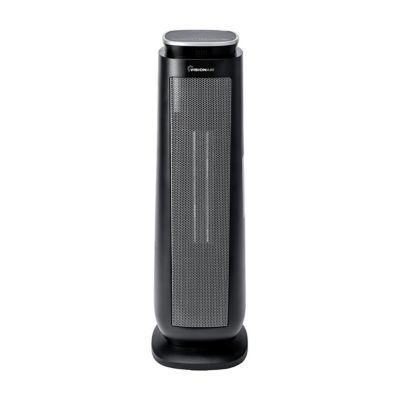
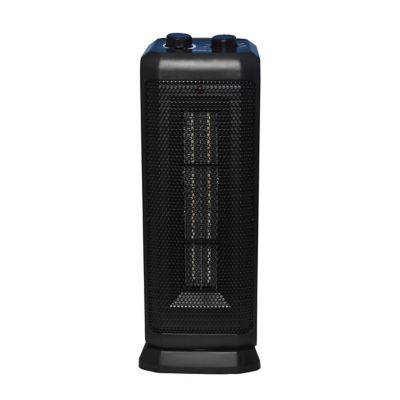
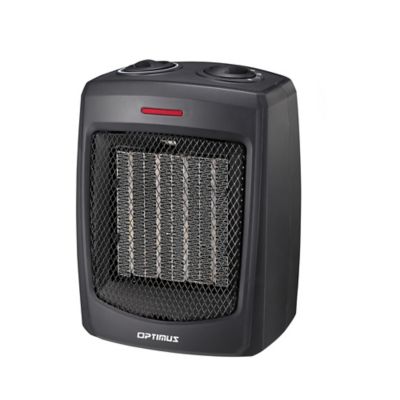
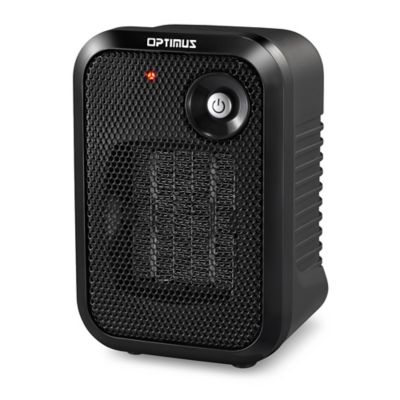
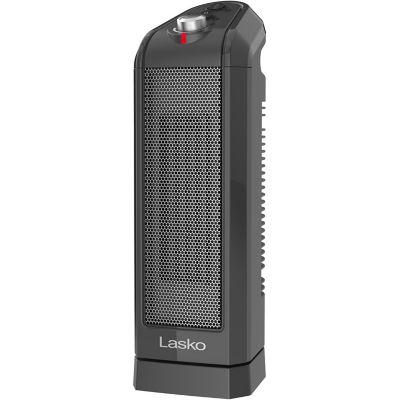
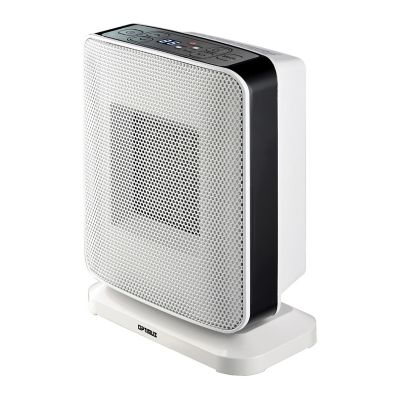
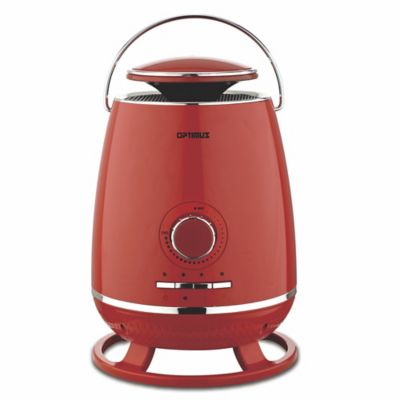
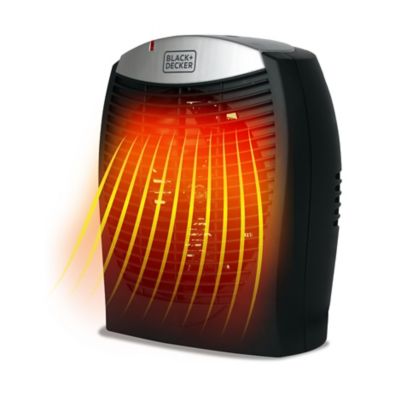
Portable ceramic heaters are a handy way to add a little extra warmth where you need it, whether that means taking the chill off a bedroom before sunrise, warming a home office during a long workday, or making a drafty corner of the garage more comfortable while you sort tools. These compact heaters use a ceramic heating element along with a fan to move warm air into a small or medium-sized space. Ceramic elements heat up quickly, and many portable units let you choose between a higher setting for a faster warm-up and a lower setting for steadier, more modest heat. Most models are rated up to 1,500 watts, which works out to about 5,100 BTUs, with coverage often suited to spaces up to roughly 200 square feet. Actual performance depends on insulation, ceiling height, outdoor temperatures, door openings and drafts, so a heater may warm a well-insulated bedroom more easily than a large, open shop or barn office. A portable ceramic heater is best used as a supplemental heat source rather than a replacement for a home’s main heating system. It can be especially useful in older houses with cold floors, enclosed porches, mudrooms, cabins, hunting camps, RVs and other spots that do not warm evenly. A carry handle and a relatively lightweight design make it easy to move from the desk to the nightstand or from a chilly den to a workbench, though the heater should always be turned off, unplugged and allowed to cool before it is picked up and moved.
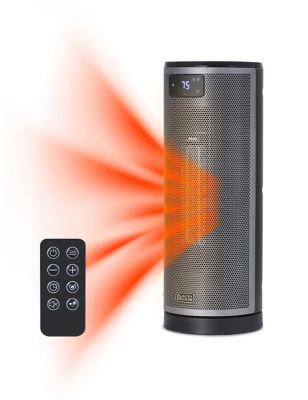
When comparing portable ceramic heaters, start with the space you want to warm and the kind of control you prefer. A simple manual dial can be a good fit for a workshop, shed office or other place where you want straightforward operation without extra settings. Digital controls may offer a more precise thermostat, a temperature display, a timer, multiple heat levels, an energy-saving mode or a remote control that lets you adjust the warmth from across the room. Oscillation can help spread heat over a wider area instead of sending it in one direction, while a fan-only setting may be useful when you want air movement without added heat. A lower 750-watt setting can help reduce power use when the room only needs a small boost, while the 1,500-watt setting is useful for getting a chilly space comfortable more quickly. Keep in mind that a high-wattage heater needs a properly rated electrical outlet. Plug the heater directly into a wall outlet unless the manufacturer specifically states otherwise, and avoid using a power strip or extension cord that is not approved for the load. Check the cord and plug before each use, and do not run the heater if either shows damage. For a spare bedroom, dorm room, apartment, office or guest room, a small ceramic heater can make a practical housewarming or winter gift, especially for someone who works from home or spends evenings reading in one favorite chair. It can also be a thoughtful choice for a college student, a new renter, a family member with a cool enclosed porch, or anyone who enjoys a little extra warmth without heating the whole house. Those shopping for an alternative style may also want to compare
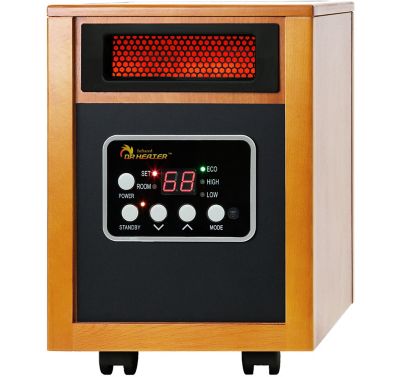
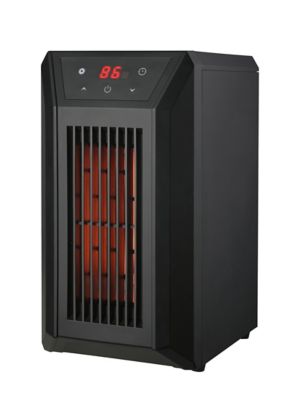
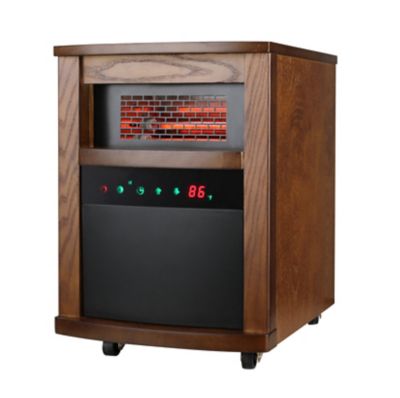
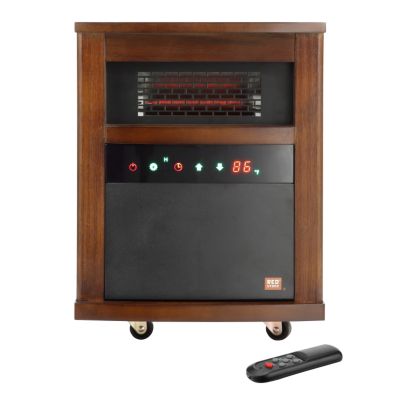
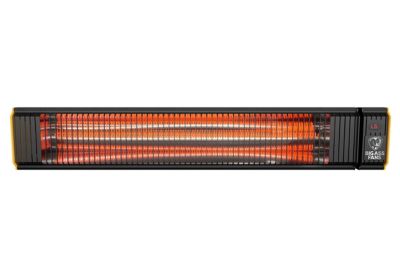
Portable Infrared Heaters, which warm people and nearby surfaces differently from fan-forced ceramic models.
Safety deserves just as much attention as heating power. Look for built-in overheat protection and an automatic tip-over switch, two useful features that can shut the unit off if it gets too hot or is knocked over. Place the heater on a firm, level, nonflammable surface where it will not be bumped by pets, children, boots or equipment. Give it plenty of open space on every side, and keep curtains, bedding, clothing, paper, hay, straw, sawdust, feed bags and other combustible materials well away from the warm-air outlet. A ceramic heater may be useful in a mudroom or enclosed work area, but it should not be placed in a wet location, used outdoors unless it is specifically rated for outdoor use, or set near sinks, tubs, livestock waterers or melting snow. These heaters are not designed to warm an open barn, a livestock pen or an unheated area exposed to rain and wind. Never cover the unit, use it to dry clothing, or leave it running while sleeping or when no one is home. Smoke and carbon monoxide alarms should be working properly wherever supplemental heat is used, even though an electric ceramic heater does not burn fuel. Dust can collect around the intake over time, especially in a shop, farmhouse or home with pets, so follow the care instructions and keep vents clear. With the right size, dependable safety features and a placement that leaves room for airflow, a portable ceramic heater can bring welcome comfort to the places where cold air settles in—like the floor beside a bed, the chair near a drafty window or the workbench tucked into the far corner of the garage.