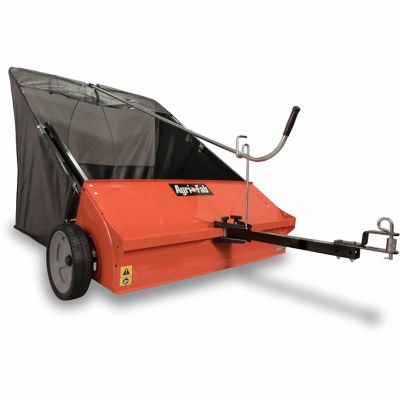
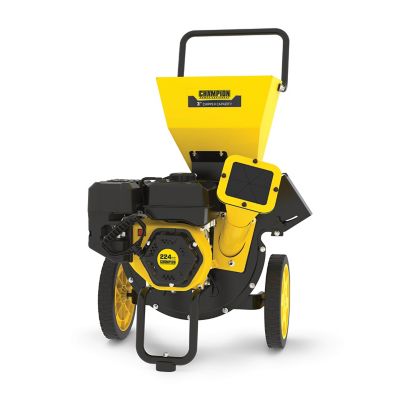
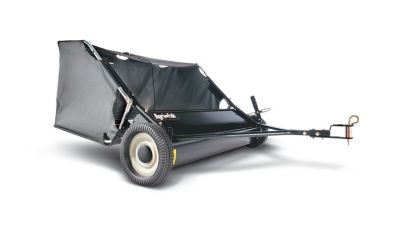
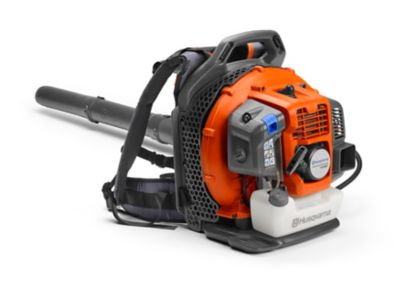
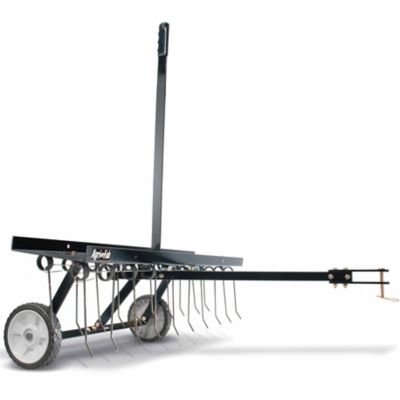
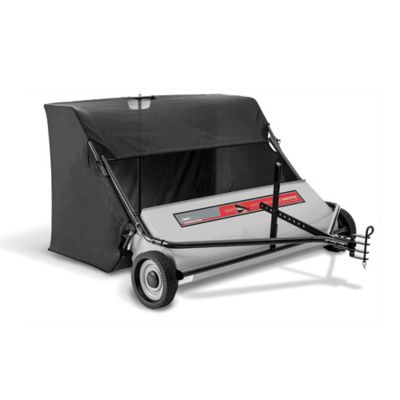
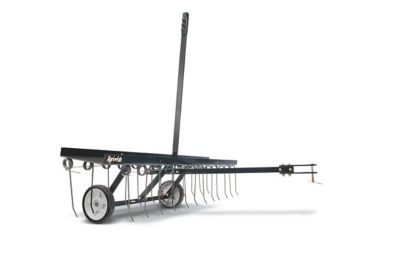
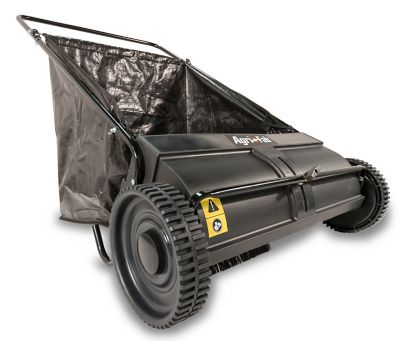
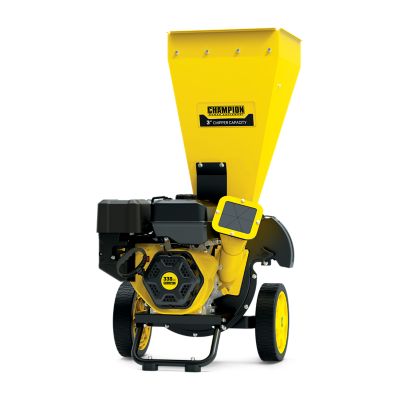
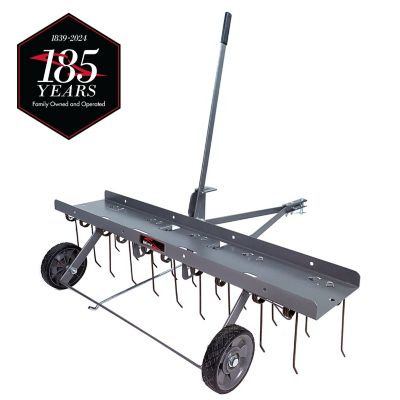
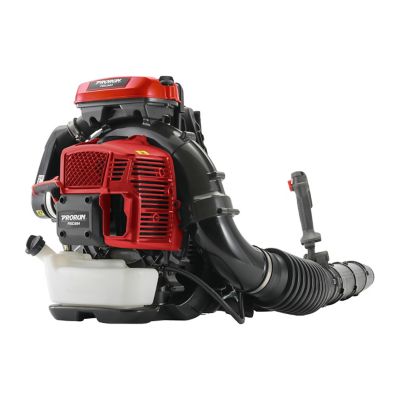
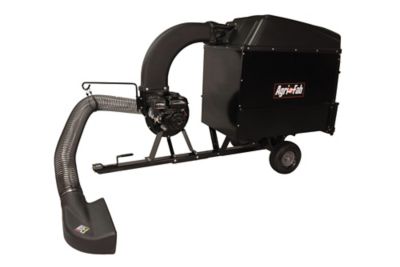
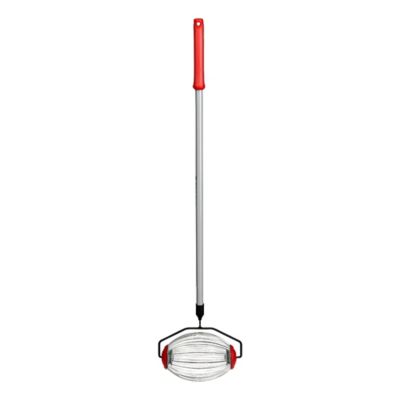
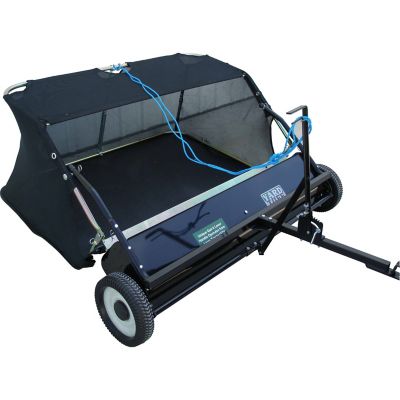
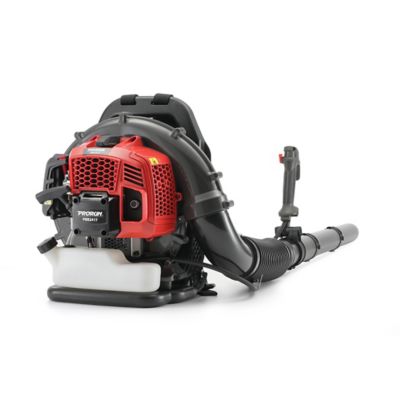
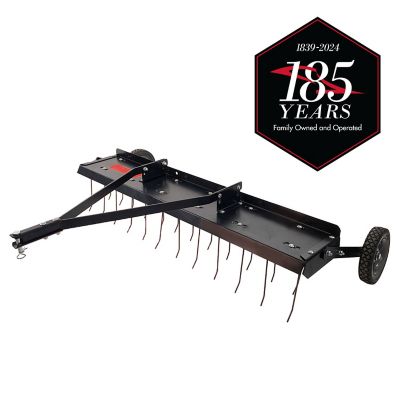
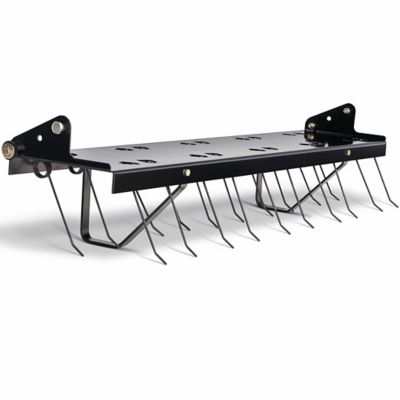
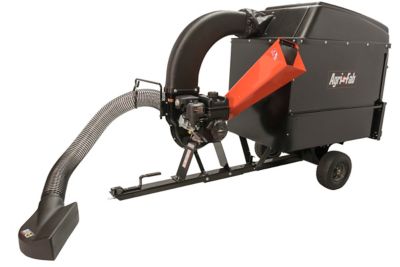
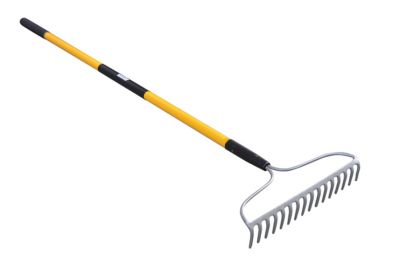
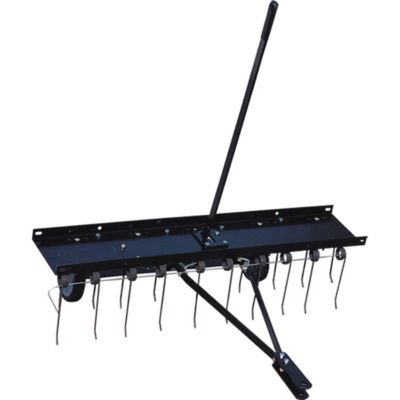
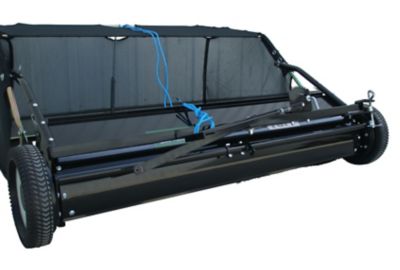
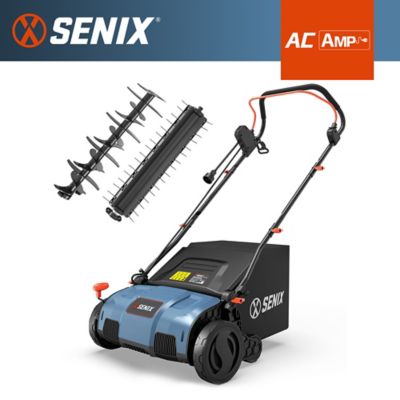
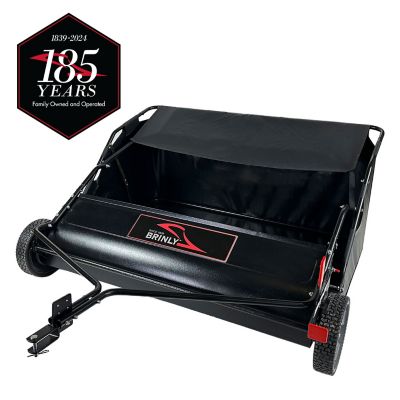
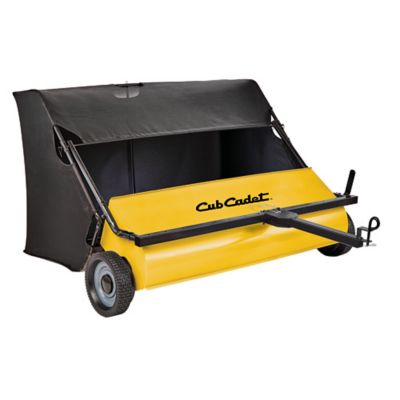
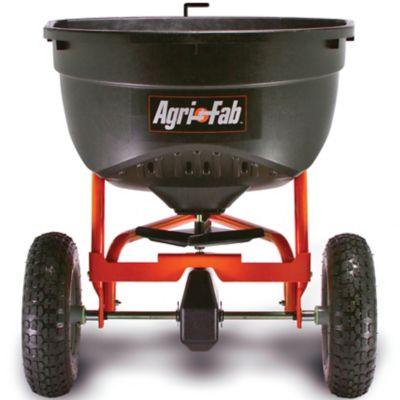
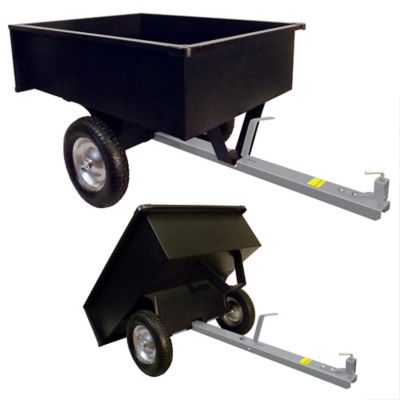
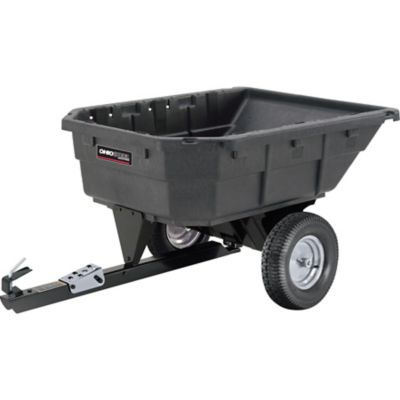
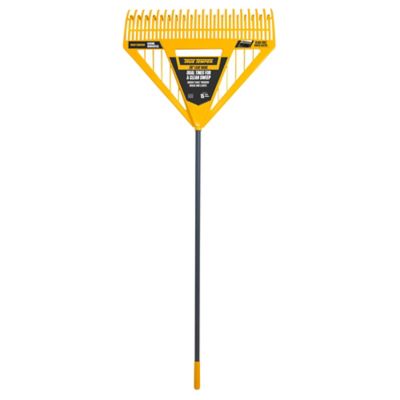
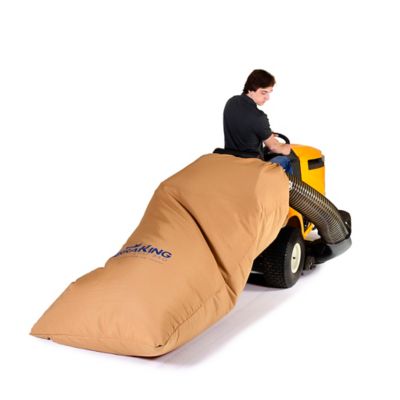
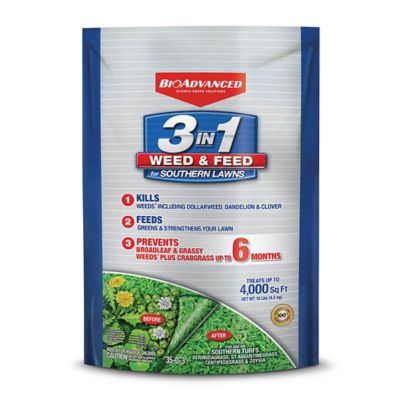
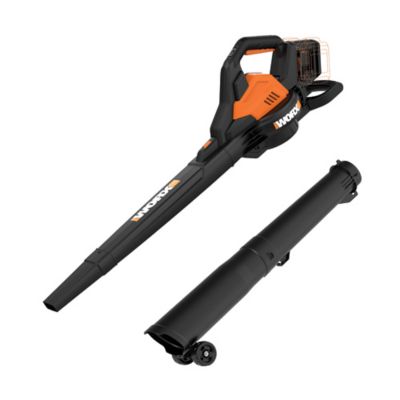
Lawn debris removal brings together the equipment and supplies that gather leaves, grass clippings, small twigs, and other loose plant material from turf and move it to a collection or disposal area. The right match depends on what needs picking up, how much ground there is to cover, and how the material will leave the yard. A narrow strip beside a porch has different needs than a broad stretch between the house and a pasture fence. Leaf rakes offer close control around garden borders, tree trunks, and fence posts, while lawn sweepers gather suitable loose debris into a hopper as they travel across the grass. Push sweepers suit areas accessible on foot, and tow-behind equipment can make sense for larger lawns when paired with a compatible riding mower or lawn tractor. Lawn vacuums collect material through suction, with debris size and handling limits determined by the equipment’s design. Blowers move loose material toward a collection point rather than removing it from the property, making them part of a broader cleanup setup. Long branches, stones, wire, and other hard objects need separate handling rather than a trip through equipment intended for leaves and clippings. The layout matters just as much as acreage: tight gates, exposed roots, closely spaced trees, and uneven ground all affect maneuverability. Wide collection paths cover open ground with fewer passes, while narrower equipment leaves more room beside beds and outbuildings. Short, evenly scattered grass clippings can often remain on the lawn, but dense piles and thick leaf cover may call for collection to keep turf from being smothered. For homeowners, acreage owners, and folks tending shared grounds, a useful setup balances collection speed with control. That might mean hand tools near a flower bed and a larger collector across the open yard, rather than expecting one piece of equipment to handle every corner and every kind of debris.
Materials, fit, and carrying capacity make a real difference once the work gets underway. Steel rake tines provide a different feel from flexible plastic tines, and tine spacing affects how a rake gathers fine clippings, broad leaves, or scattered small twigs. Handle length, grip shape, and tool weight influence reach and comfort, especially along a lengthy fence line. On wheeled equipment, overall width and turning space matter around gates and storage doors, while wheel size and construction affect handling over uneven turf. For tow-behind collectors, hitch compatibility, towing limits, operating speed, and slope restrictions belong in the decision alongside hopper capacity. A large hopper can stretch the distance between unloading stops, but a load of damp leaves can weigh considerably more than the same volume of dry leaves. Emptying style matters, too, particularly when the destination is a low compost pile, a collection bag, or a designated drop-off area. Metal frames, molded plastic bodies, fabric hoppers, and mesh collection bags each bring different care needs. Metal components may need attention to protective finishes, plastic parts have load and impact limits, and fabric collection areas benefit from protection against sharp branches and abrasion. Breathable collection material may help airflow where the equipment design calls for it, but seams, closures, and attachment points still need to suit the job. Yard waste bags and reusable containers also need to match the material and the receiving facility’s rules. A bag that handles loose leaves is not necessarily intended for pointed sticks or heavy soil. Collection tarps offer another way to gather scattered material into one place, with size, edge construction, and handle placement affecting how manageable the load feels. More capacity is helpful only when the filled container can still be moved and emptied safely. For a small yard, easy handling and compact storage may matter more than maximum volume; for a wide lawn, fewer unloading stops may carry more weight.
A practical lawn cleanup setup also accounts for what happens after collection. Leaves and suitable grass clippings may have a place in a managed compost pile, while branches may need a separate brush collection or processing option. Local yard waste programs can set rules for accepted materials, bag types, container weights, and where loads must be placed, so those requirements affect which collection supplies fit the property. Soil, stones, pet waste, and household trash do not belong in a load intended only for plant material. Keeping those materials separate helps avoid rejected loads and prevents hard objects from reaching collection equipment. Care and storage matter between jobs as well. Clippings and leaf fragments left packed around brushes, wheels, intake openings, or moving parts can interfere with operation. Equipment instructions establish the appropriate cleaning method, lubrication needs, inspection points, and replacement intervals. Safe access for cleaning includes shutting equipment down and disconnecting its power source as directed before reaching near moving components. Fabric hoppers and bags generally benefit from being emptied and allowed to dry before storage, while sharp tools need a secure spot away from walkways. Storage space should account for the full footprint, including handles, hitches, and collection attachments; folding features only help when the equipment actually includes them. Gloves, eye protection, sturdy footwear, and hearing protection where appropriate also belong in the overall picture, along with clearance from children, animals, and bystanders. For properties with several kinds of upkeep,
Lawn Care Tools can round out the equipment needed around edges, beds, and open turf. The most useful lawn debris removal equipment fits the ground, the person handling it, and the destination for the collected material. From a handful of clippings beside the walkway to a loaded hopper at the edge of a large yard, that fit helps make regular cleanup less of a wrestling match.