Lawn Weed Management
Find lawn weed management options to help tackle unwanted growth in your yard. As you browse, check labels for the weeds you want to control, compatibility with your grass type, and application timing to find the right fit for your lawn.
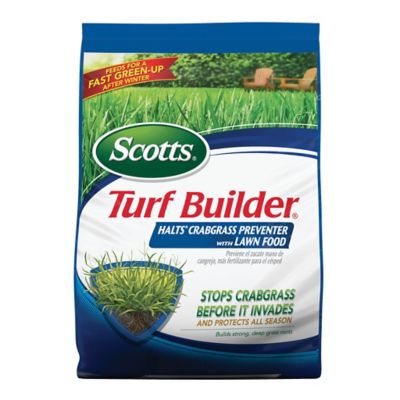
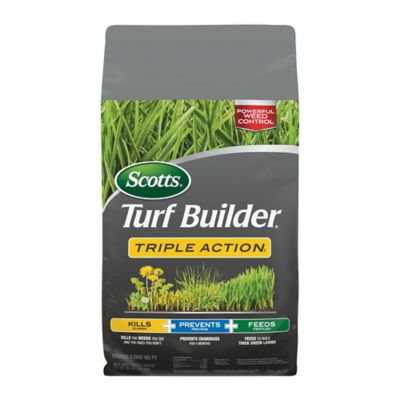
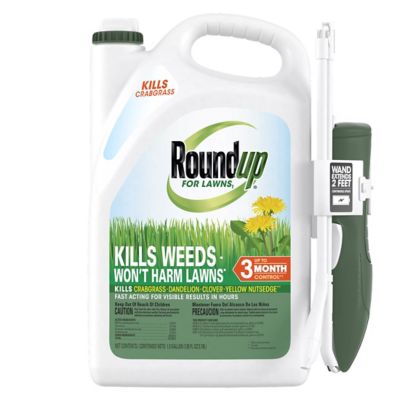
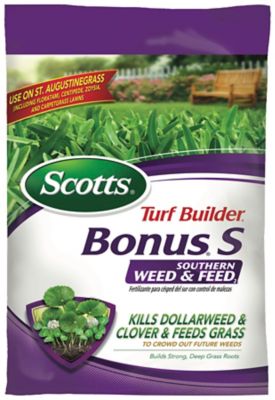
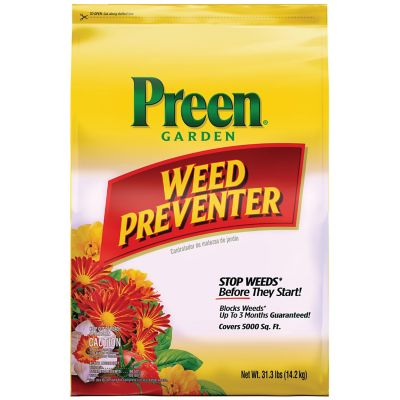
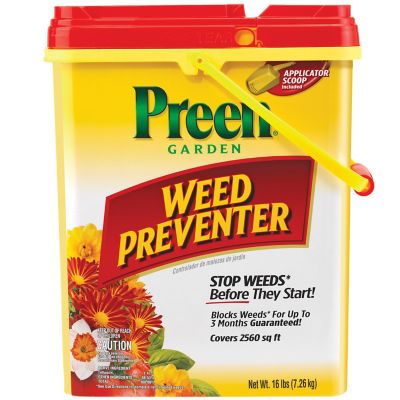
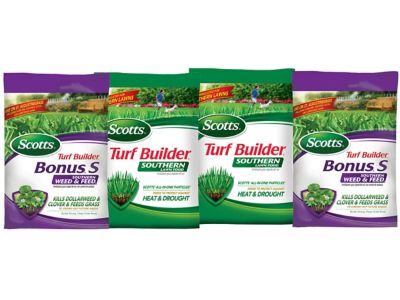
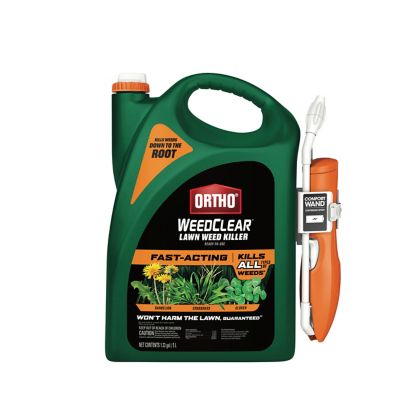
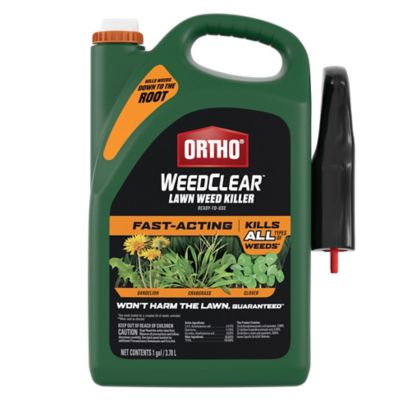
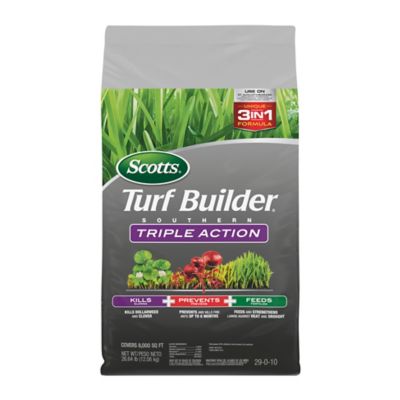
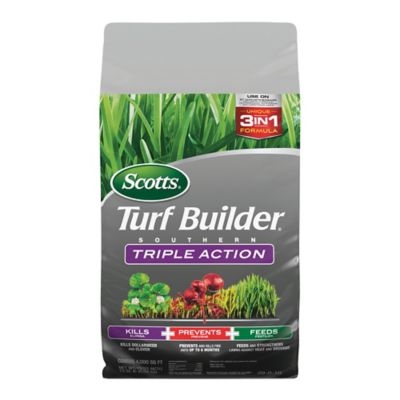
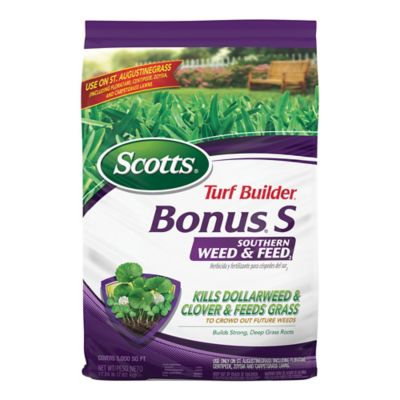

Best Of FAQ
What’s the difference between broadleaf weeds and grassy weeds?
Broadleaf weeds, such as dandelions and clover, generally have wider leaves with branching veins. Grassy weeds, such as crabgrass, have narrow blades and look more like lawn grass. Leaf shape, growth pattern and flowers are handy clues when identifying weeds in your yard.
What are annual and perennial lawn weeds?
Annual weeds complete their life cycle in one growing season and produce seeds for the next generation. Perennial weeds live for multiple years and may regrow from roots or other established plant parts. Crabgrass is an annual, while dandelions are perennials.
What do pre-emergent and post-emergent mean in lawn weed management?
These terms describe application timing in relation to weed growth. Pre-emergent herbicides go down before weeds emerge from the soil. Post-emergent herbicides are applied after weeds have emerged and are actively growing.
What’s the difference between liquid and granular lawn weed treatments?
Liquid treatments come in ready-to-spray or concentrate forms and are applied with spraying equipment. Granular treatments come as dry particles and are typically applied with a lawn spreader. The product label spells out the application method for each formula.
What does weed and feed mean?
Weed and feed combines a lawn fertilizer with an herbicide in one treatment. The fertilizer supplies grass nutrients, while the herbicide is the weed-management component. Standalone lawn herbicides don’t necessarily include fertilizer.
Best Sellers
-
"We don’t have the best grass where I live due to sandy and dry conditions but at least now it’s weed"
-
"We don’t have the best grass where I live due to sandy and dry conditions but at least now it’s weed"
-
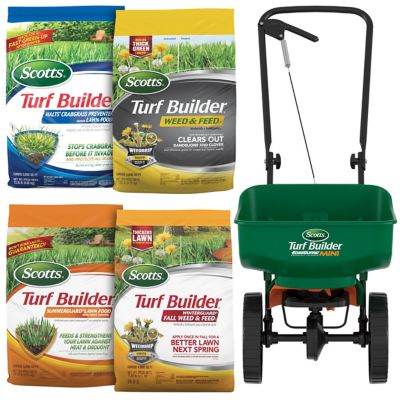
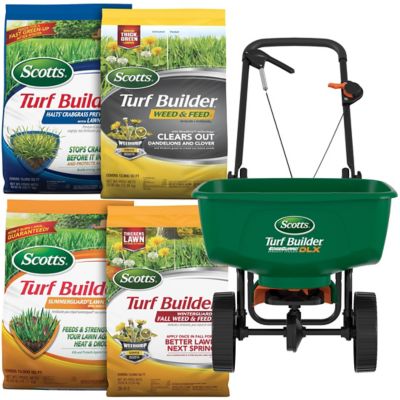
"Great & best price around for the Scott's 4 season bundle & the spreader is icing on the cake"
-
"This product is the best investment we made. It works great"
-
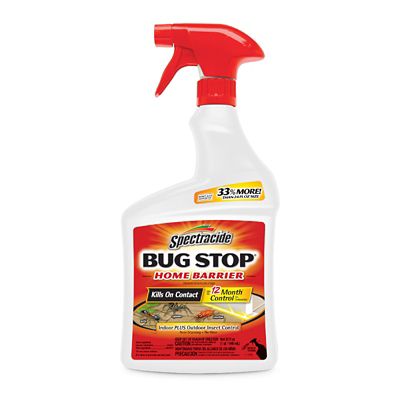
"So this is great because it can kill on contact but also keep my apartment safe from future creepy crawlers"