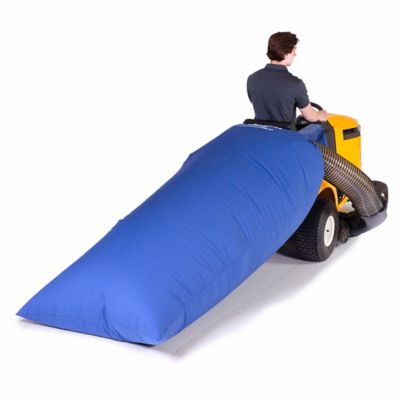
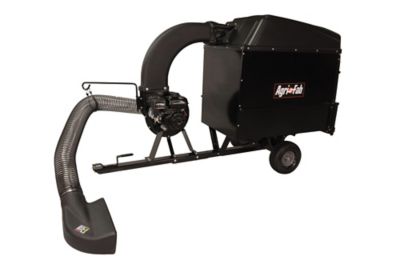
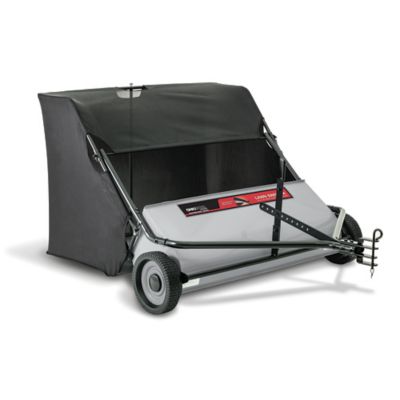
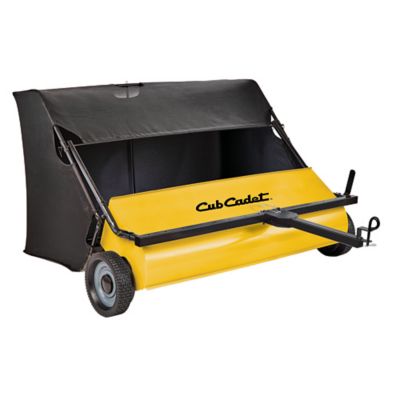
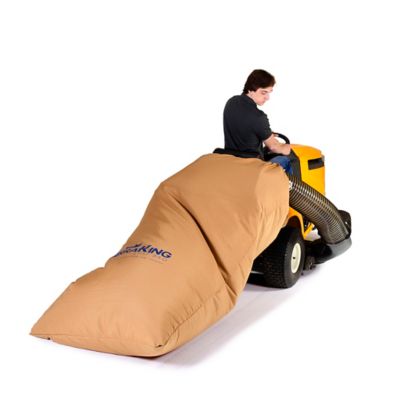
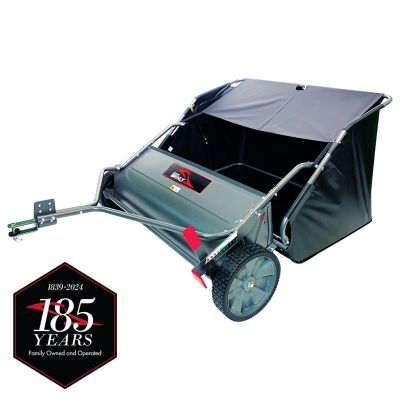
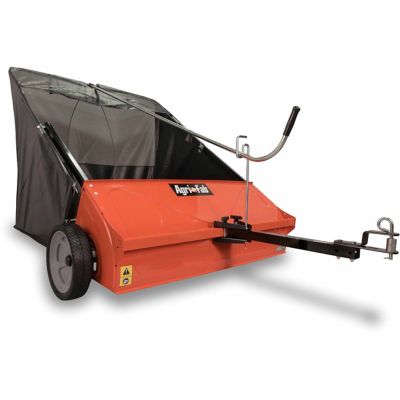
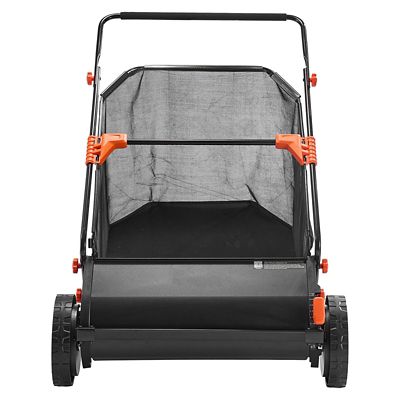
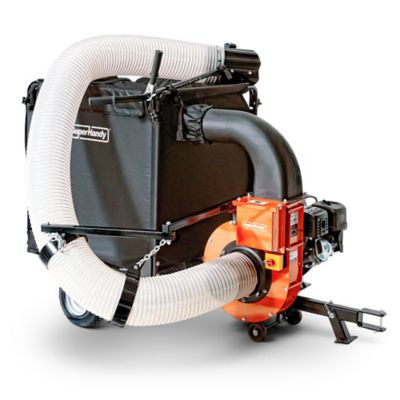
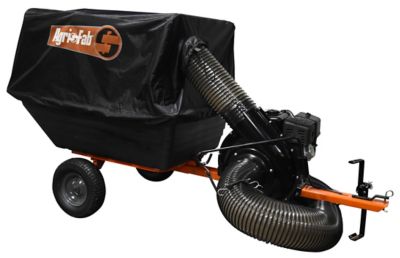
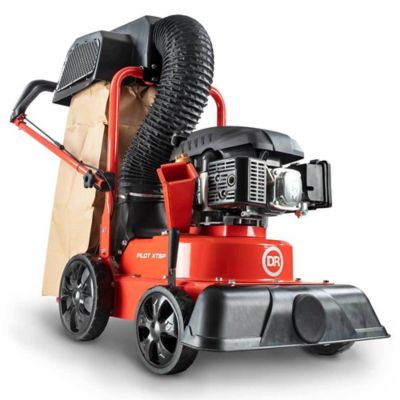
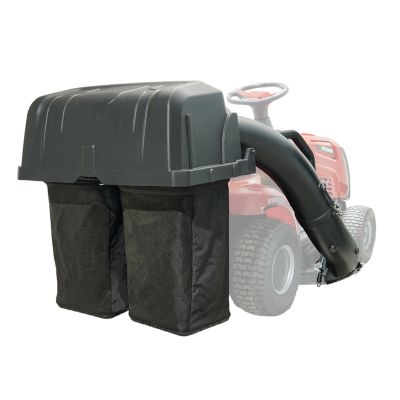
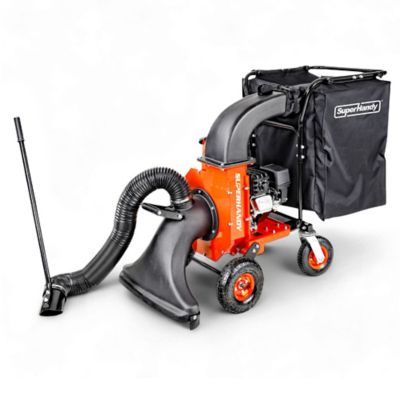
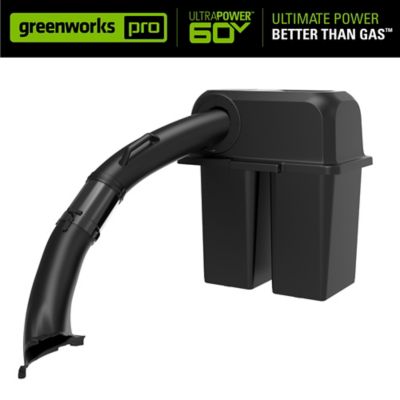
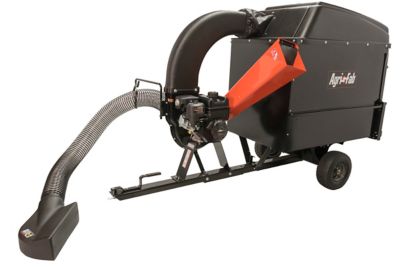
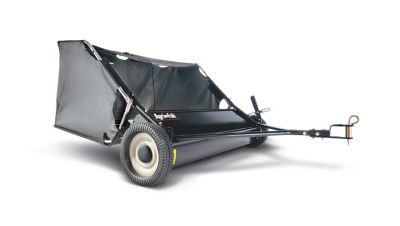
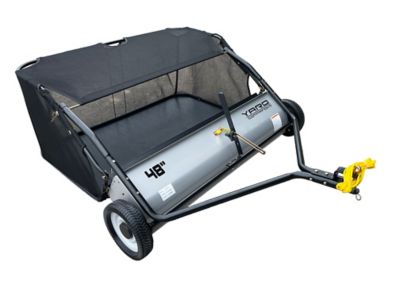
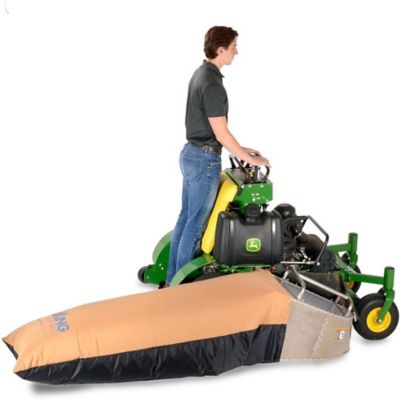
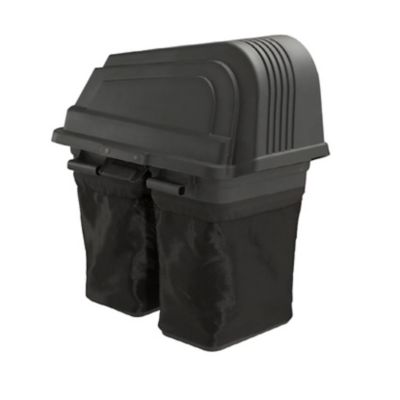
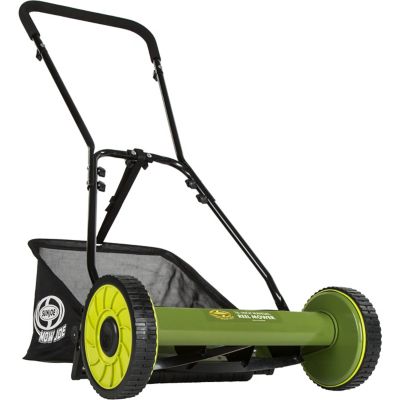
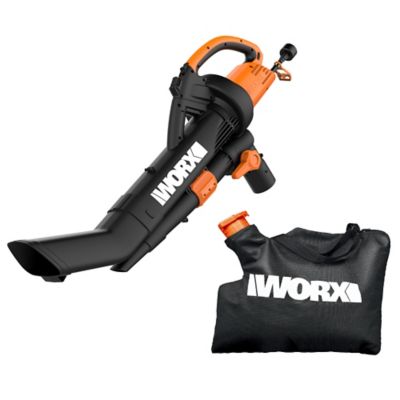
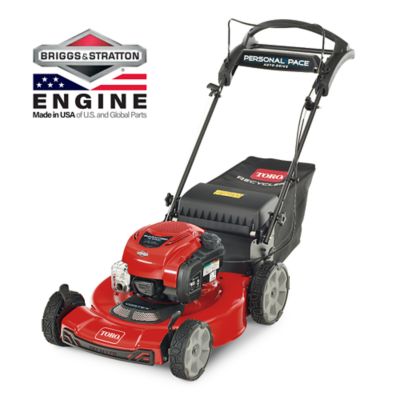
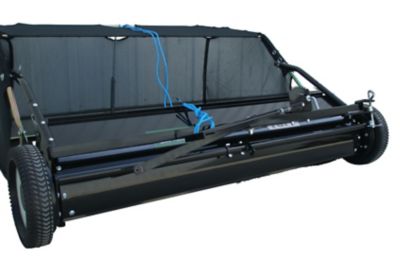
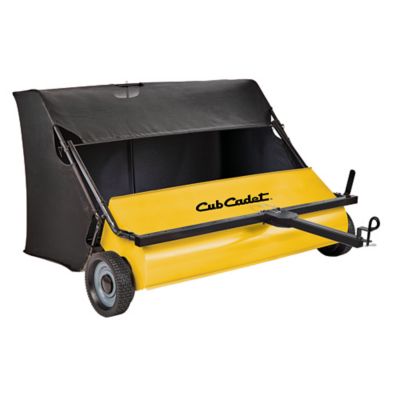
A lawn mower leaf collector can make a big difference when fallen leaves start covering the grass, especially on larger yards, wooded lots, and country properties where the wind keeps pushing debris back across a freshly cleared lawn. These products generally fall into a few useful categories: push-powered sweepers, tow-behind sweepers, mower-mounted collection systems, and tow-behind lawn vacuums. A push sweeper uses rotating brushes to gather leaves into a hopper as you walk, making it a handy choice for smaller lawns, narrow spaces, and anyone who prefers a quiet tool with no fuel or engine to maintain. Tow-behind sweepers connect to a lawn tractor, riding mower, ATV, or other compatible utility vehicle and use the motion of the wheels to spin brushes that flick leaves into a fabric hopper. They are a practical fit for broad open areas where walking every pass would take most of the day. A mower-mounted collector uses the mower deck and chute to move clippings and leaves into bags while you mow, helping you cut and clean in one trip. Tow-behind vacuums use a separate engine to create stronger suction and may also reduce the size of collected debris, making them well suited to big properties with a heavy blanket of leaves. When comparing lawn mower leaf collectors, start with the equipment already in your shed. Check the hitch style, deck size, chute connection, mower type, and any manufacturer fit requirements before choosing an attachment. A riding mower or zero-turn may handle a large collector with ease, while a push mower usually calls for a walk-behind bagging setup or a separate sweeper. For a smaller suburban lawn, a compact collector may be simpler to empty, move, and store. For a long driveway, orchard, pasture edge, or tree-lined field, a wider sweeper or high-capacity vacuum can cut down on repeated passes. Think about the type of debris on the ground, too. Dry leaves are generally easy to sweep or vacuum, while damp leaves can cling together, settle into thick mats, and slow down airflow. Pine needles, small twigs, acorns, and pine cones may call for sturdier brushes, a wider intake, or a collection system designed to handle rougher yard debris. Keeping larger sticks picked up before mowing helps reduce clogs and protects moving parts.
Capacity and emptying features matter just as much as collection power. A small hopper may be perfectly convenient for a compact yard, but it can mean frequent stops when several mature trees are dropping leaves across the property. Larger fabric bags and collection containers hold more debris between trips to the compost pile, trailer, or curbside yard-waste area, though they also take more room to store and may be heavier to unload. Look for a design that opens easily, releases debris without a lot of shaking, and folds or breaks down when possible. Storage is easy to overlook in the excitement of getting the lawn cleaned up, but a tow-behind collector can take up a fair amount of shed or garage space. Measure the spot where it will live during the off-season, including the height needed if the hopper must stand upright. If your storage area is tight, a collapsible bag, removable hopper, or smaller push unit may be worth considering. Terrain is another part of the decision. On a level lawn, most sweepers roll smoothly, but rough ground, slopes, and uneven pasture edges may favor larger wheels and a strong frame. A collector should follow the mower without bouncing hard over ruts or dragging through turns. Brush height adjustment can help when moving from short turf to a rougher section, while a wide mouth or chute can keep leaves flowing when the ground is covered deeply. Empty the collector before it becomes overloaded, and keep an eye out for wet clumps that can block a chute or reduce suction. Wearing gloves when clearing a jam is a simple habit that protects your hands from sharp twigs, hidden wire, and other debris mixed into the leaves. Many property owners find that collecting leaves while they are still reasonably dry makes the work lighter and leaves the lawn looking cleaner with fewer passes.
These tools are useful for homeowners, landlords, groundskeepers, hobby farmers, and anyone caring for a property with shade trees. They can also be a thoughtful gift for a parent, neighbor, or family member who enjoys keeping the yard tidy but would rather spend Saturday morning riding across the grass than raking by hand. A compact sweeper may suit someone with a small lot and a simple storage area, while a tow-behind collector can be a welcome addition for a person maintaining acreage, a tree-lined driveway, or a family farm. During the warmer part of the year, some collectors can help gather grass clippings and light lawn debris, depending on the design and the mower setup. As the weather cools and leaves begin to cover the turf, the same equipment becomes especially useful for clearing lawns before packed layers block sunlight and hold moisture against the grass. Collected leaves can be moved to a compost area, spread as mulch around suitable garden beds, or handled according to local yard-waste rules. For more ways to compare cleanup equipment and plan a practical approach to seasonal yard work, browse
Tools For Leaf Removal. The right lawn mower leaf collector should match the size of the property, the machine pulling it, the kind of debris involved, and the amount of storage available. With a good fit, leaf cleanup becomes a steady pass across the yard instead of a long battle with a rake, a tarp, and a pile that seems to grow every time the wind shifts.