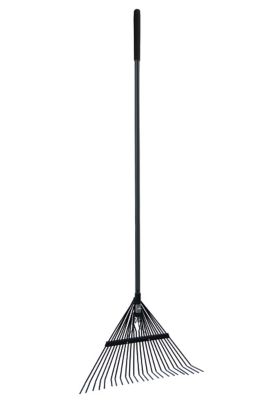
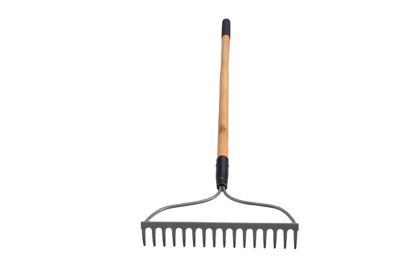
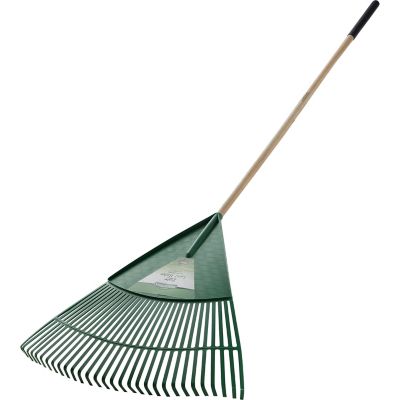
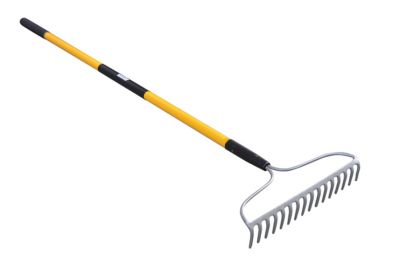
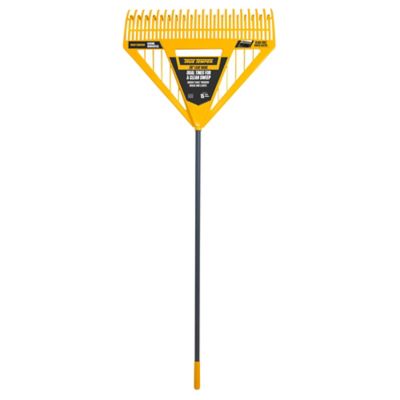
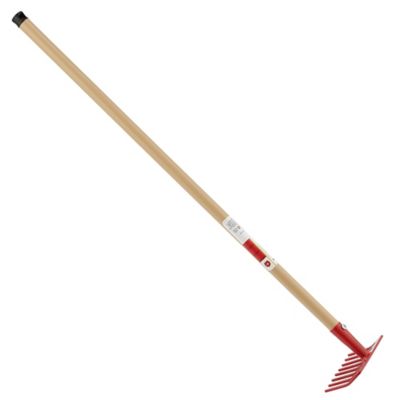
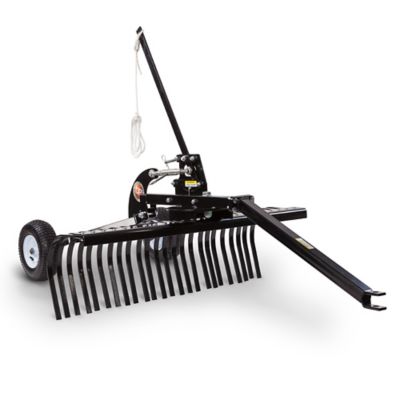
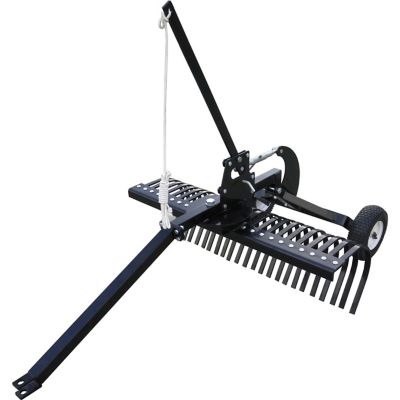
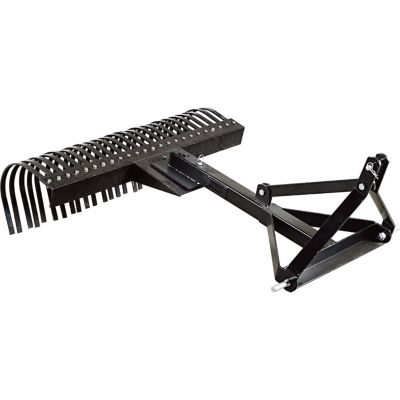
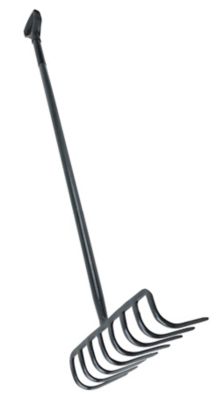
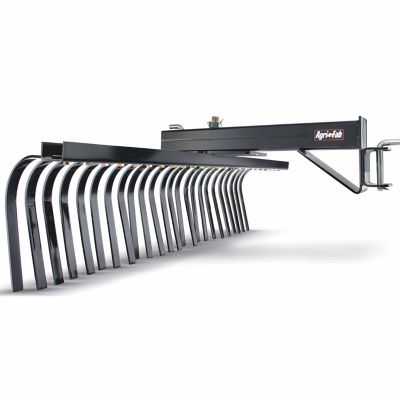
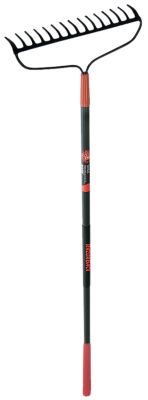
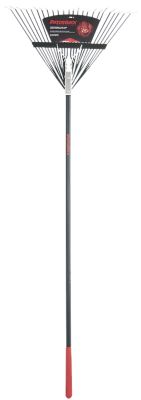
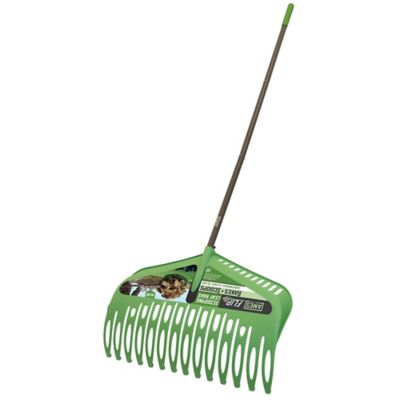
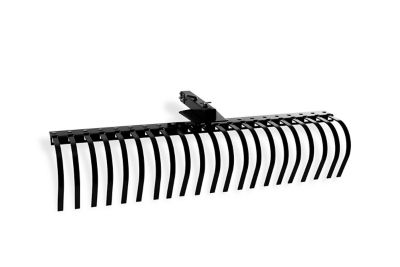
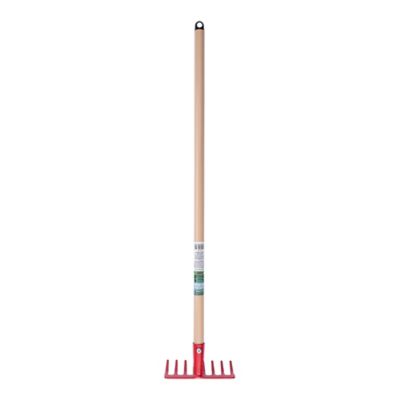
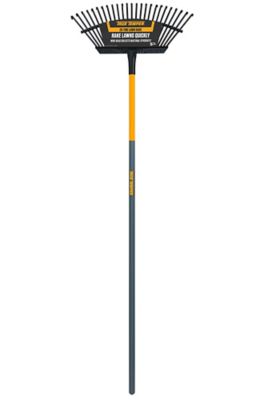
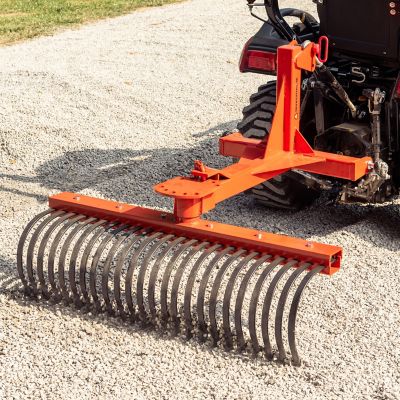
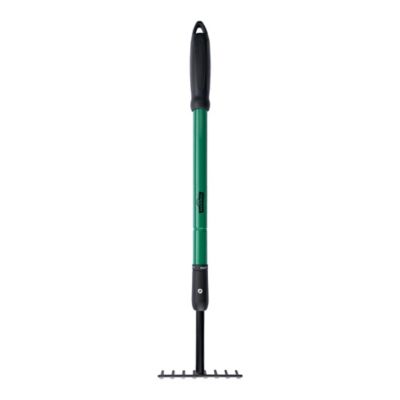
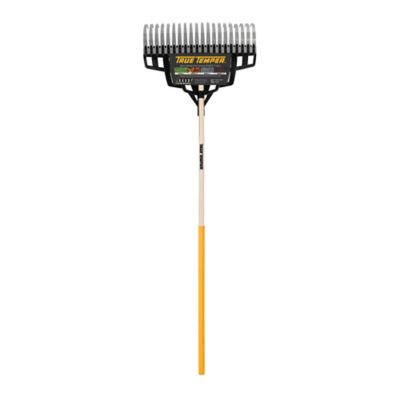
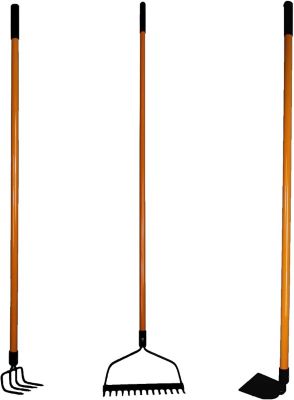
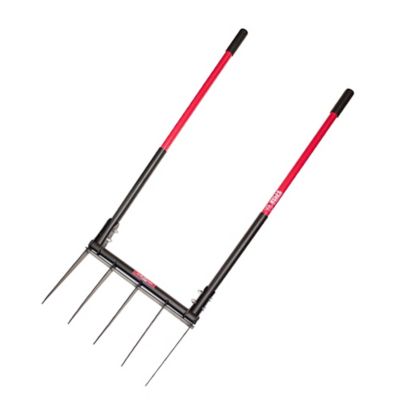
Rakes for lawn debris removal gather leaves, grass clippings, pine needles, and small twigs without turning every cleanup into a job for powered equipment. The right match depends on what covers the ground, how much space needs attention, and how gently the rake needs to work across the grass. A fan-shaped leaf rake with flexible tines suits loose material spread over turf, while a narrow shrub rake reaches between plantings and along fence lines. Lightweight plastic or poly heads work well for gathering dry leaves and loose clippings, especially across open stretches where a broad sweep covers more ground. Spring-steel tines offer a different feel, flexing across uneven spots and helping pull together pine needles or damp leaves that cling to the lawn. Neither material makes every rake right for every task; tine spacing, head shape, and overall weight matter just as much. Closely spaced tines can catch finer debris, while wider gaps may let some small pieces pass through. Curved tine ends help draw material into a pile, though long grass and tangled debris can collect between them. A rigid bow rake belongs more with loose soil, gravel, and mulch than with routine leaf cleanup, since its stiff teeth can disturb turf when pulled hard. A thatching rake serves another purpose: working into the layer of dead stems and roots near the soil surface rather than simply sweeping away what lies on top. Those differences matter on a property with several kinds of cleanup, from a leaf-covered front yard to needles beneath evergreens and clippings beside a garden path. For loose lawn debris, a flexible head that follows the ground is often a better fit than a heavier rake meant for earthwork. Large branches, stones, and deeply tangled material call for separate handling rather than extra force on a leaf rake. Keeping the task matched to the tool helps protect both the lawn and the rake.
Head width and handle fit make a noticeable difference once the work stretches beyond a small patch beside the porch. A wide lawn rake gathers more material with each pass across an open yard, but it can feel awkward between raised beds, around tree trunks, or beside an outbuilding. A smaller head gives better access in those spots and leaves more room to work around stems without catching every nearby plant. Adjustable-width designs can cover both kinds of space, with the locking mechanism and tine alignment worth considering alongside the adjustment range. Handle length affects posture and reach: a handle that allows an upright stance can reduce repeated bending, while one that feels too long may be hard to control near obstacles. Overall balance matters, too. A light head on a comfortable handle may feel easier to manage over a large lawn than a heavier setup, even when both cover similar ground. Wood handles have a familiar feel and benefit from attention to surface smoothness, particularly where hands slide during a long pull. Fiberglass handles resist moisture absorption, while aluminum handles keep weight down and resist rust. Each material still needs sensible handling; a rake handle is not a pry bar for lifting rocks or freeing buried roots. Grips, handle diameter, and the shape of the end can affect comfort for different hand sizes, including when wearing work gloves. The connection between the head and handle deserves a close look because that joint takes repeated pulling force. On steel heads, flexible tines should return to position rather than stay bent after ordinary work. On plastic heads, enough flex helps the rake travel over small bumps without digging in. A good fit feels controlled at the end of the reach, not just when held close to the body. That matters for homeowners tending a modest lawn, folks maintaining a larger place, and anyone sharing tools among family members with different heights and reach.
The debris itself often tells more about the job than the size of the yard. Loose leaves on short grass move differently from pine needles woven through longer blades, and a thick mat of damp leaves takes more effort than a light scattering. Smaller pulls can keep a heavy patch manageable without loading the head beyond what it can carry. Short, controlled strokes also help near wire fencing, exposed roots, and edging, where a hard pull may snag a tine. Under shrubs, a narrow head can draw litter outward while leaving more space around low branches. Across a broad lawn, an even swath and a comfortable reach matter more than trying to drag the biggest possible pile in one pass. Gathering debris onto a tarp can make the trip to a compost area easier, while keeping stones and larger sticks separate helps prevent surprises when material is moved. Leaves and grass clippings may suit a home compost pile when free of unwanted material, but local disposal rules still apply where yard waste leaves the property. For a closer look at everyday leaf-gathering options,
Lawn Rakes For Fast Yard Cleanup brings the focus back to flexible heads and manageable handling. Care between jobs helps a rake stay ready for the next stretch of yard work. Grass, soil, and leaf fragments should come out from between the tines before storage, and metal parts benefit from drying after cleaning. A sheltered storage spot keeps handles and heads out of prolonged exposure, while hanging a rake prevents its tines from sitting under a pile of other tools. Loose fasteners, cracked heads, splintered handles, and badly bent tines are signs that attention is needed before another round of pulling. With the head shape, handle fit, and materials matched to the work, a lawn rake earns its place for everything from a quick pass along the walkway to clearing debris across the yard.