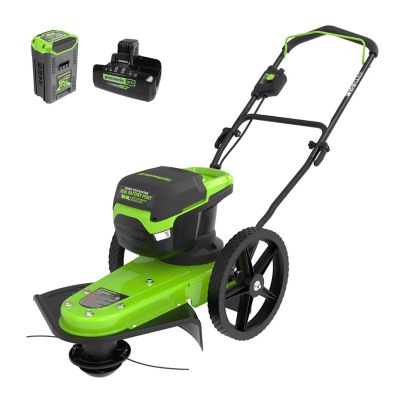
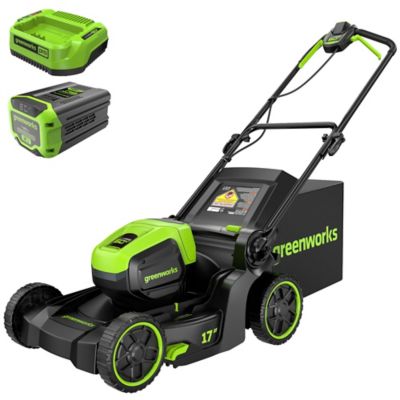
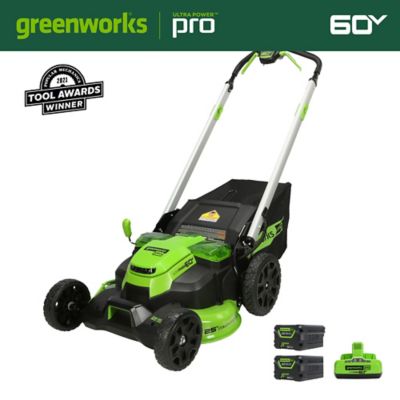
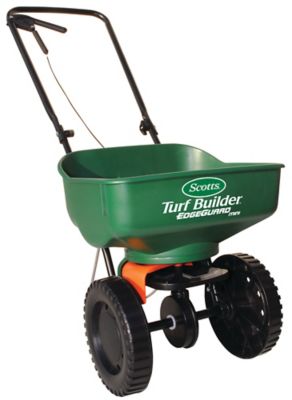
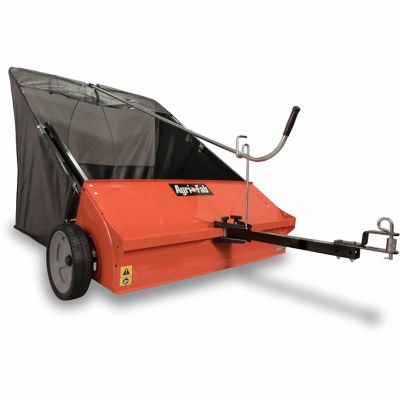
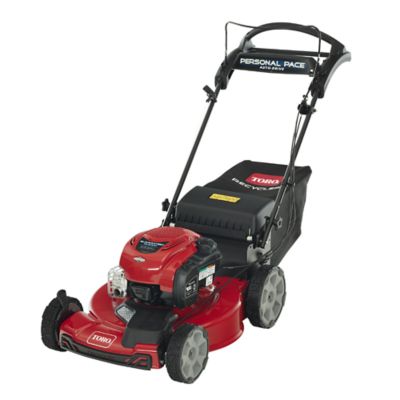
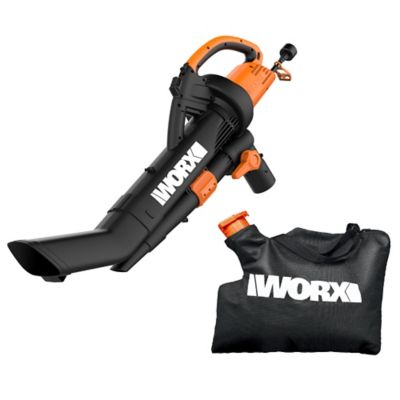
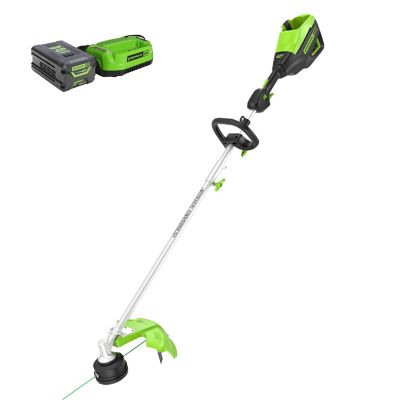
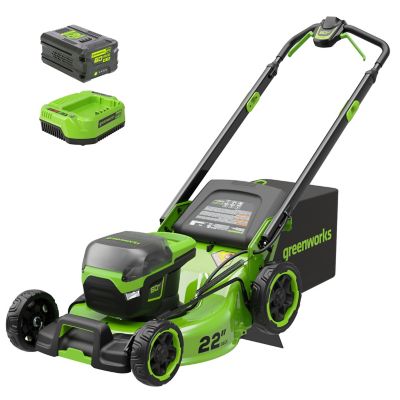
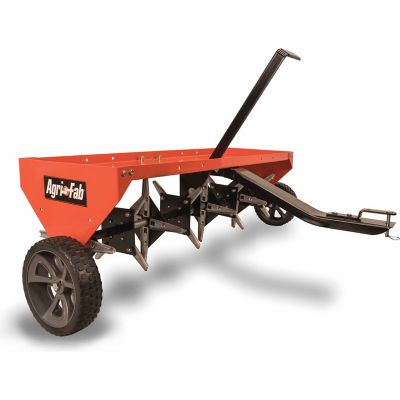
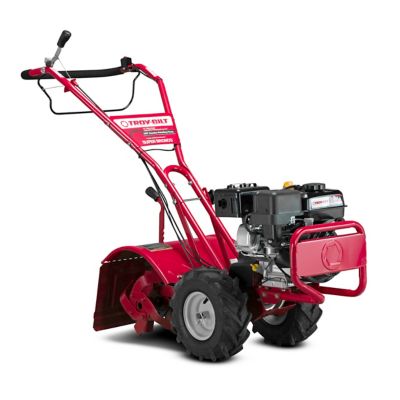
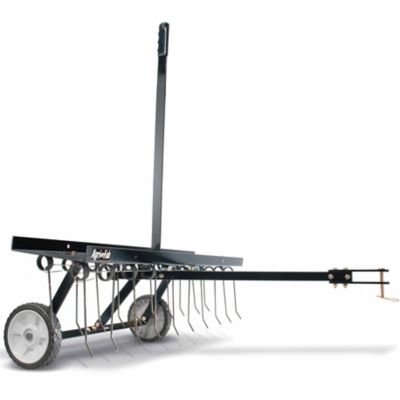
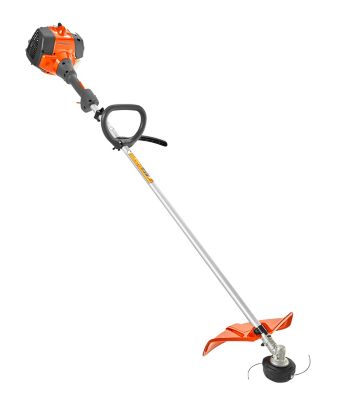
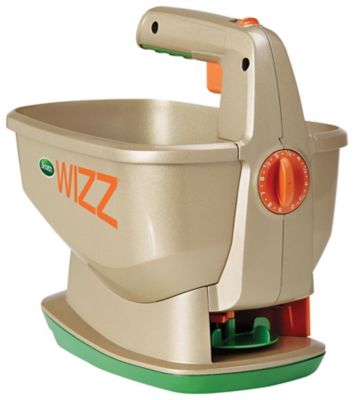
Lawn care tools handle the everyday work of cutting grass, tidying edges, clearing clippings and keeping turf in shape around the house, barn and outbuildings. A basic lawn care setup centers on a mower, string trimmer, edger, rake, spreader and sprayer, with each tool covering a different part of the job. Mowers maintain an even grass height across open ground, while string trimmers reach along fence posts, around trees and into narrow spaces beyond the mower deck. Edgers define the line between turf and sidewalks, driveways or planting beds, giving those borders a crisp finish without widening them every time the grass gets cut. Lawn rakes gather leaves, loose clippings and small debris; dethatching tools lift accumulated material from the turf surface when the lawn needs that attention. Spreaders distribute seed and granular lawn treatments, while sprayers apply liquid treatments according to the product label. The right mix depends less on having a full shed than on the ground there is to cover. A small yard with a straight sidewalk calls for different equipment than a broad lawn broken up by gates, shade trees and long runs of fence. Mower cutting width affects both coverage and access: a wider deck covers more ground per pass, but a narrower setup may fit through gates and between beds with less maneuvering. Push, self-propelled and riding equipment offer different ways to handle the workload, depending on lawn size, terrain and the operator’s comfort. For grassy banks and uneven areas, the equipment’s stated operating limits matter more than how quickly it can finish an open stretch. Grass type and lawn condition also influence cutting-height needs, making an adjustable deck useful where different parts of the property need different treatment. Together, these lawn maintenance tools support everything from a tidy front yard to the well-kept space surrounding a busy homestead. Matching their reach and working width to those spaces helps keep routine upkeep manageable without crowding the tool shed.
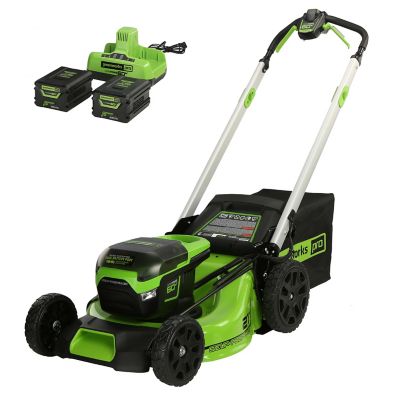
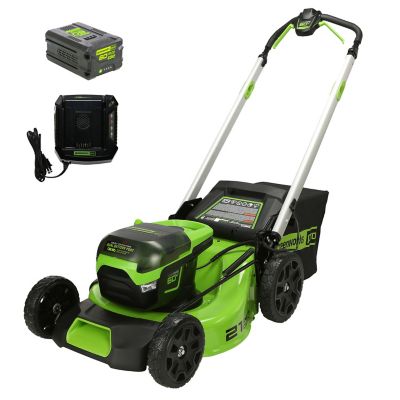
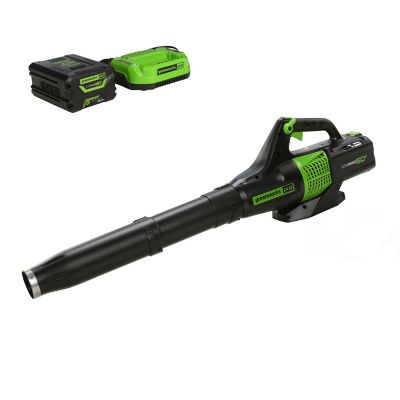
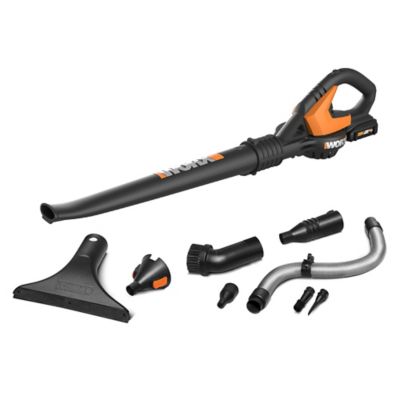
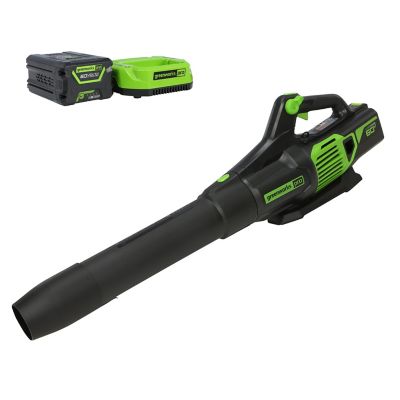
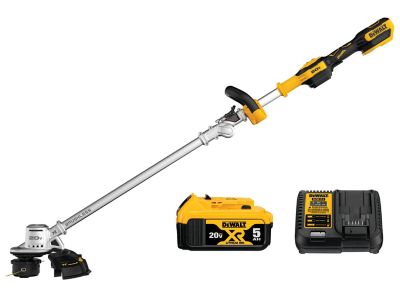
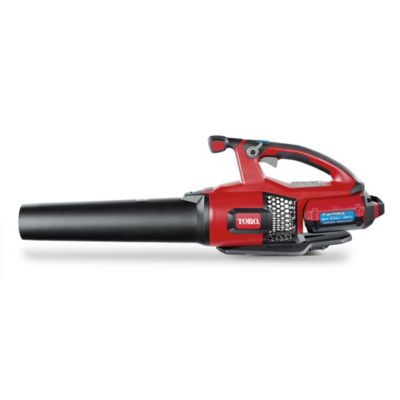
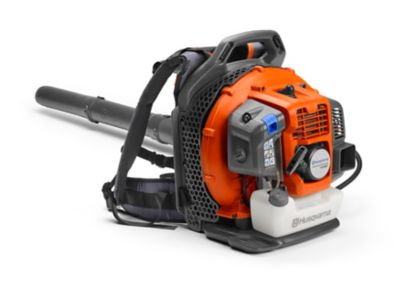
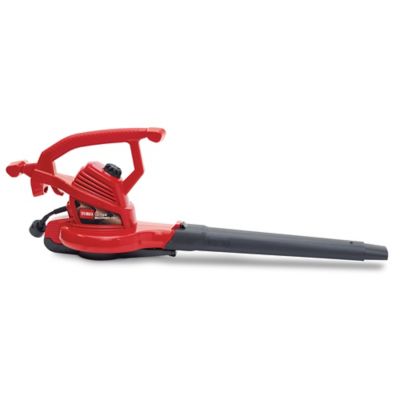
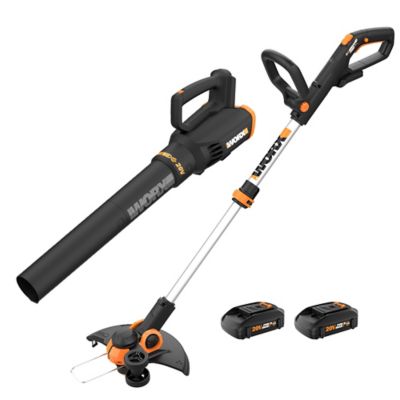
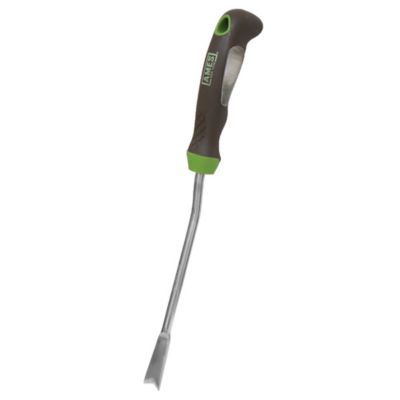
Power source, tool weight and handle fit make a real difference once the work stretches beyond a quick pass beside the porch. Gas-powered lawn equipment can suit larger areas and longer work sessions where access to an outlet is limited, though engine care, fuel handling and storage requirements are part of ownership. Battery-powered lawn tools offer cordless movement without a fuel tank, with working time influenced by battery capacity, grass thickness and the demands of the task. Shared batteries can simplify a tool setup, but only equipment and chargers specifically listed as compatible belong on the same battery system. Corded electric tools can make sense for smaller spaces within reach of a suitable outdoor extension cord, provided the cord stays clear of cutting paths and follows the equipment’s electrical requirements. Manual lawn tools have a place, too, especially for small patches, close work and jobs where getting powered equipment out would take longer than the task itself. Across these options, balance and fit deserve as much attention as power. Adjustable handles, comfortable grips and manageable weight can make repeated trimming or raking less awkward, particularly when several people share the chores. A trimmer that feels balanced at working height is easier to position around a mailbox post than one that pulls heavily at the cutting end. Materials affect handling and upkeep as well. Steel working parts bring strength to digging, cutting and edging tasks, while aluminum shafts can reduce carrying weight. Fiberglass handles offer another option for long-handled tools, and wood handles benefit from attention to surface condition and storage. Flexible rake tines suit gathering light debris across grass, while stiffer tines handle heavier material differently and may require a lighter touch on tender turf. Guard placement, control access and clear adjustment points also matter when equipment moves between operators. For homeowners, caretakers and folks helping family with yard work, tools that fit the person and the property make a more practical match than extra features alone.
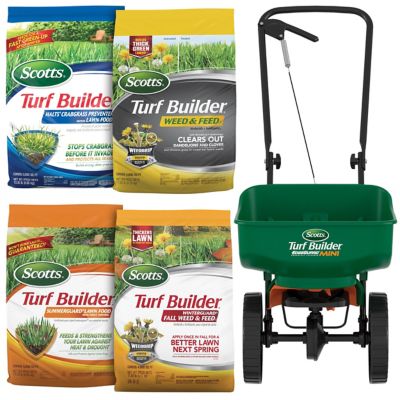
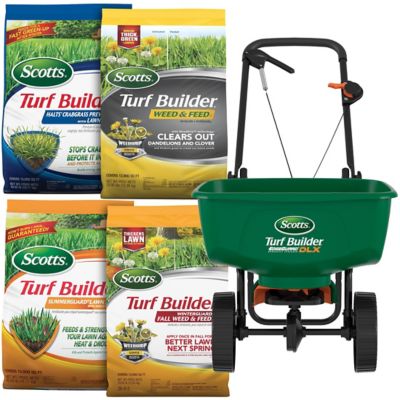
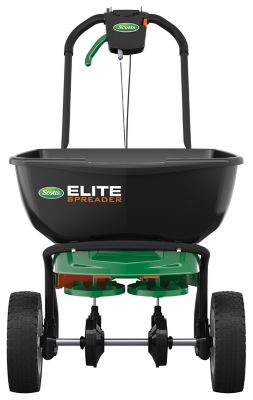
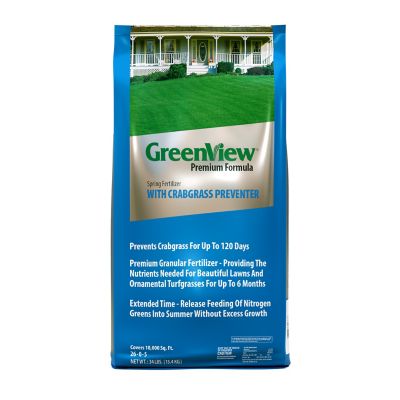
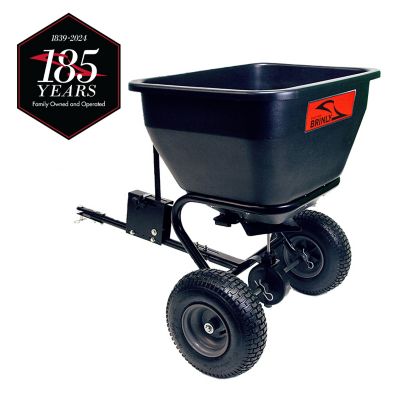
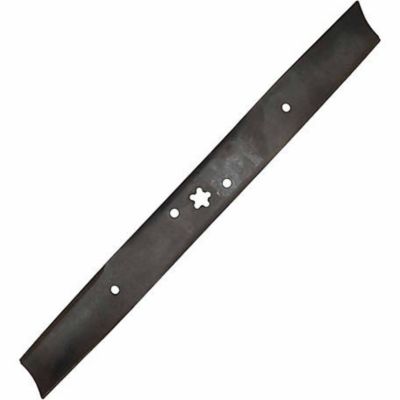
Lawn care equipment for spreading and spraying brings its own set of considerations, especially where grass meets a vegetable patch, livestock area or neighboring property. Broadcast spreaders cover wider swaths, while drop spreaders place material directly beneath the hopper for more controlled placement along defined areas. Hopper capacity affects how often refilling interrupts the job, but a larger load also adds weight to push across the lawn. Settings are not interchangeable across every seed or treatment, so the material label and spreader instructions remain the basis for application. Handheld, backpack and wheeled sprayers serve different amounts of ground, with tank size, hose reach and carrying comfort shaping the fit. Clear tank markings and accessible fill openings help with measuring and handling, while compatible seals and components matter for the treatment being applied. Keeping treatment equipment separate when labels call for it helps avoid carrying unwanted residue onto another part of the property. Beyond application tools, practical care helps protect the whole lawn tool setup from avoidable wear. Grass buildup beneath cutting equipment, grit around moving parts and treatment residue inside tanks all call for attention under the manufacturer’s maintenance directions. Power should be disconnected as directed before cleaning or adjustments, and blades, guards, cords and fasteners need regular checks. Dry storage, supported tool handles and organized attachment storage keep sharp edges and tangled cords out of walkways. Hearing protection, eye protection, gloves and suitable footwear round out the setup according to the equipment and task. For someone settling into a first home or taking on more property chores, a manageable set of lawn tools can make a useful gift, especially when it fits their storage space and preferred power system. Larger properties and crews maintaining several locations may have different expectations for working time, transport and service access;
Commercial Lawn Care Equipment fits that broader scope. Whether the work covers a small yard or several stretches of maintained grass, thoughtful tool selection keeps attention on the job instead of wrestling with equipment that does not fit.