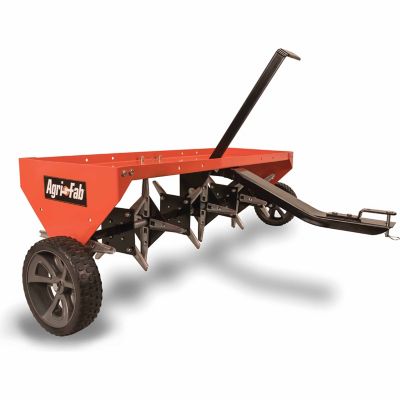
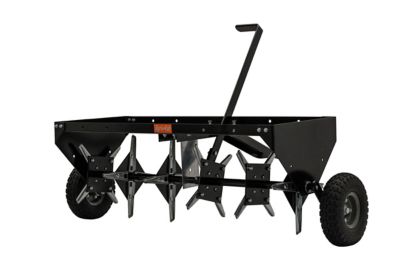
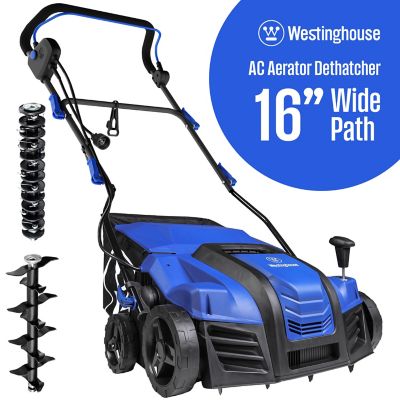
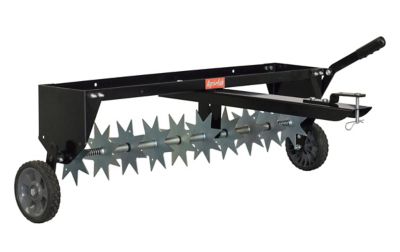
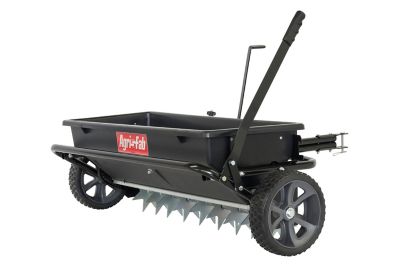
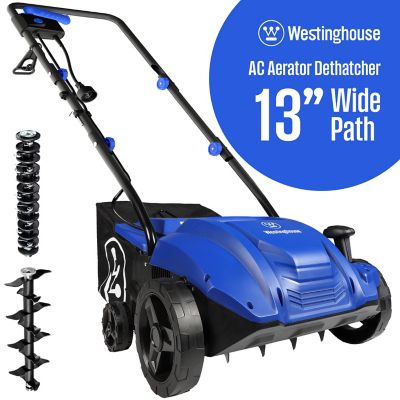
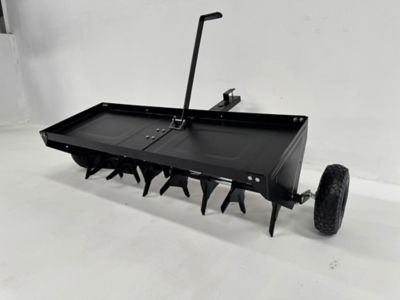
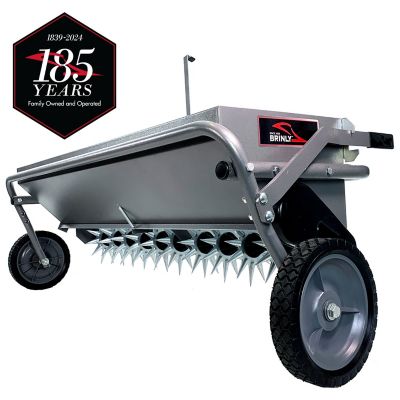
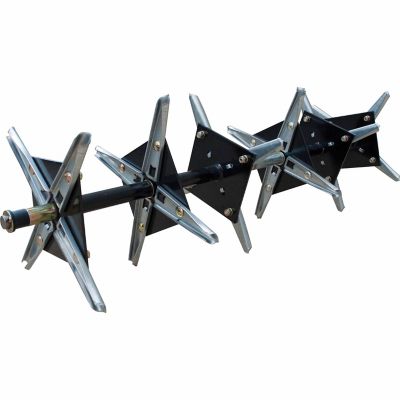
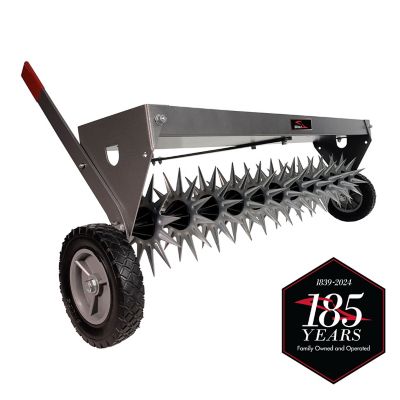
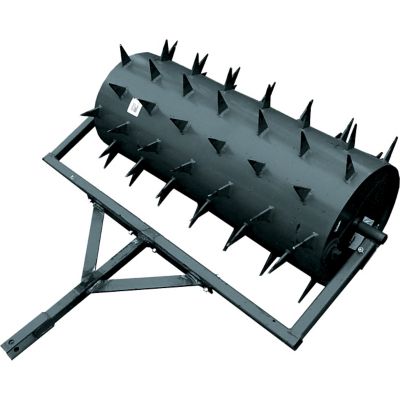
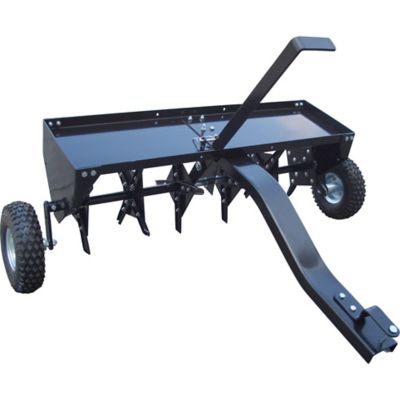
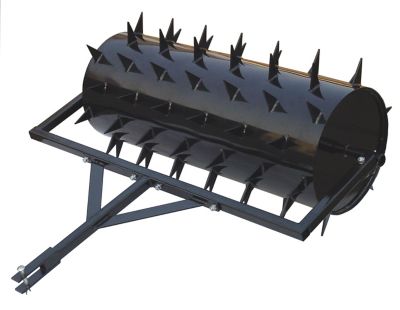
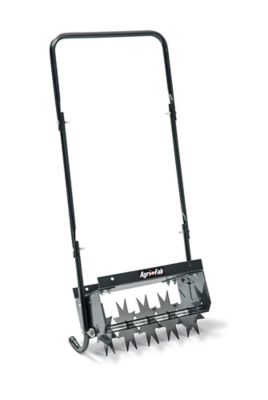
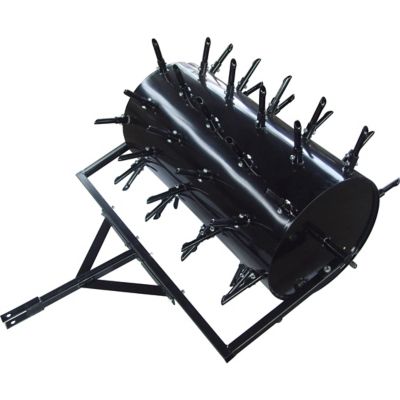
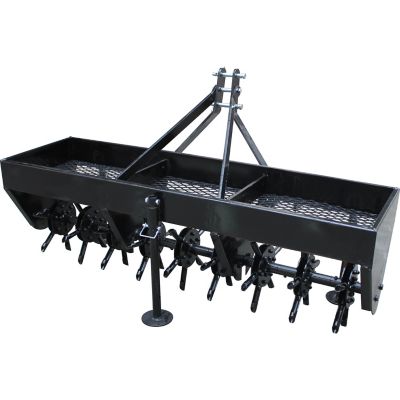
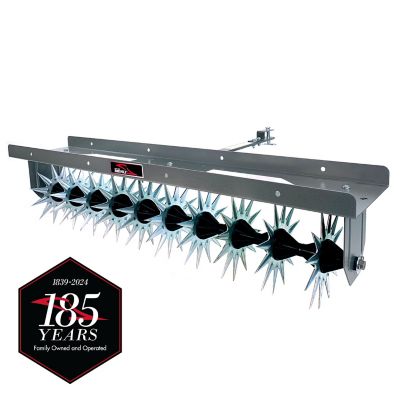
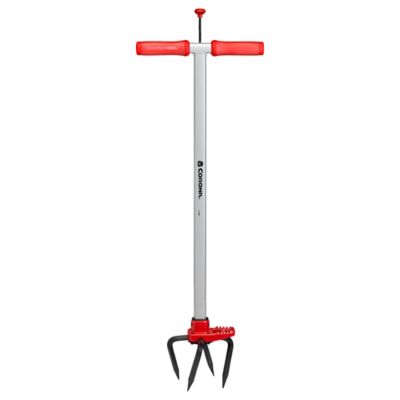
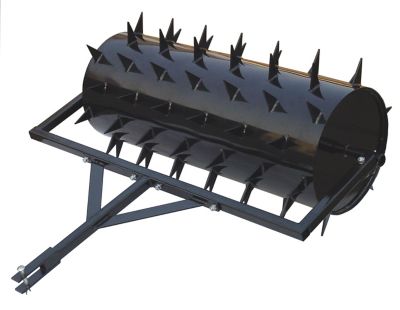
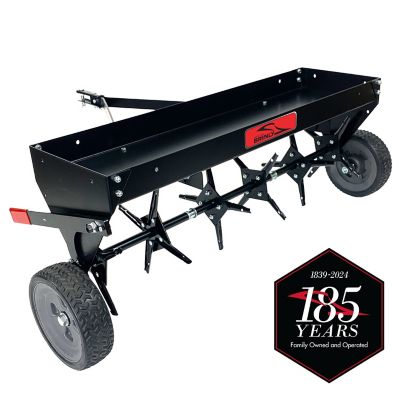
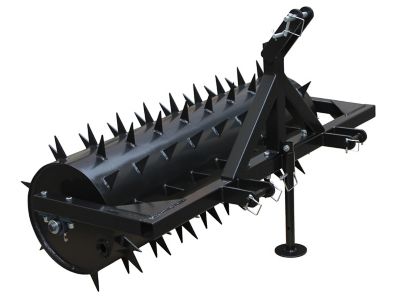
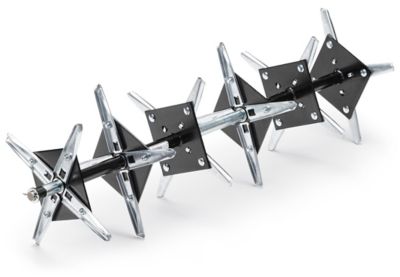
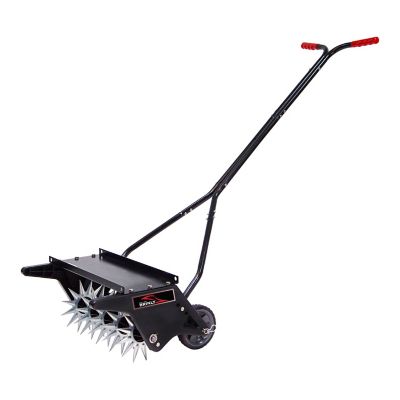
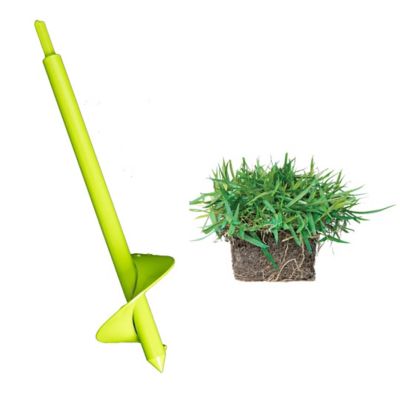
Lawn aerators open up compacted soil so air, water and nutrients can reach grass roots more readily. Foot traffic, mower tires and regular activity can press soil particles together, leaving roots with less room to spread. A yard where water lingers after irrigation, grass thins along a familiar walking path or the ground feels hard underfoot may benefit from aeration, although poor drainage and bare patches can have other causes. For homeowners tending a small front yard, folks looking after grass around a farmhouse or groundskeepers maintaining broad stretches of turf, the main choice is how to make those openings. Spike aerators pierce the ground with solid points, while plug aerators, also called core aerators, pull out small cylinders of soil. Removing cores creates space in the ground, making plug aeration a common choice for established lawns with noticeable compaction, especially in clay-heavy soil. Spikes make openings without removing soil and can serve lighter aeration needs, but they also push soil aside and may compact the edges of each hole. That difference matters more than how rugged a tool looks. Manual lawn aerators suit small spaces, narrow strips and targeted work near a gate or walkway, where turning a larger attachment would be awkward. Push and rolling designs cover more ground than a handheld tool while keeping the job under direct control. Tow-behind lawn aerators fit larger, open yards where a compatible riding mower or lawn tractor can do the pulling. Powered walk-behind aerators offer another option for covering turf without a towing vehicle. Yard size matters, but so do the amount of compacted ground, room to turn and effort the operator can comfortably manage. A small tool may be practical for a worn path beside the porch, while a wide lawn calls for equipment that can handle more ground. Aeration supports healthier growing conditions; it does not replace sound watering, mowing or soil care.
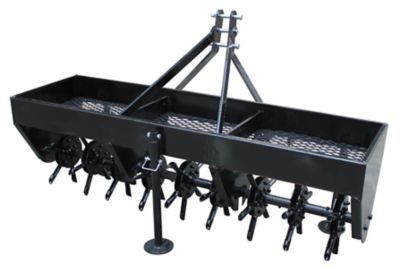
Working width, equipment compatibility and construction help determine how a lawn aerator fits the property. A wider attachment can cover an open stretch with fewer passes, but a narrower frame may be easier to steer between trees, through gates and around planting beds. Overall width can differ from the aerating width, so both measurements matter when shed doors and tight passages are part of the route. For tow-behind aerators, hitch style, attachment requirements and the towing vehicle’s rated limits deserve a close look. An attachment that connects to one lawn tractor is not automatically a match for every riding mower. Transport wheels and lift mechanisms, where included, help raise tines clear of the ground when crossing a driveway or moving between work areas. Tires, wheel bearings and axle construction also affect how an aerator rolls over uneven turf. Steel frames provide support for the working parts, while painted or powder-coated finishes help protect exposed metal from corrosion when the finish remains intact. Tines and hollow coring spoons take the brunt of contact with soil, so their material, mounting points and replacement options are worth comparing. Stones and hard ground can bend or wear working parts, even on a sturdy frame. Accessible fasteners and replaceable components can make ongoing care more straightforward. Some tow-behind designs include a weight tray to help the tines penetrate the ground; tray capacity and approved loading methods vary by model. Extra weight is not a substitute for suitable soil conditions, and exceeding the stated limit can strain the frame or towing equipment. With manual and push aerators, handle height, grip shape and the force needed to move the tool influence comfort. A tool that feels manageable for a short patch beside the mailbox may feel very different across an entire yard, especially where turns, roots and uneven footing slow the work.
Soil conditions have a big say in how well lawn aerators perform. Moist, workable soil generally allows better penetration than hard, dry ground, while saturated or muddy soil can rut, smear and create a mess under tires. Timing the job for a period of active grass growth gives turf a better chance to recover and fill in around the openings. Aeration depth depends on the equipment, soil resistance and operating conditions; added weight alone does not guarantee deeper holes. Properties with sprinkler heads, shallow irrigation lines, drainage components or underground pet fencing need extra attention before tines enter the ground. Visible tree roots and rocky patches also affect where equipment can travel safely. On sloped ground, the operating limits for both the aerator and the towing machine matter more than getting the job finished in one pass. For yards receiving seed, aeration can be part of a broader lawn-care plan, but different tools have different jobs. While aerators open the soil,
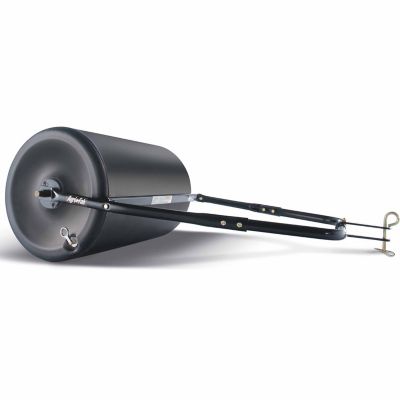
Lawn Rollers press the surface and may help improve seed-to-soil contact when a project calls for it. Rolling does not relieve compaction, and unnecessary pressure can work against that goal. After aeration, soil plugs can generally remain on the lawn to break down naturally. Equipment care starts with clearing soil and grass from the working parts, following the manufacturer’s cleaning directions and letting metal surfaces dry before storage. Keeping fasteners tight, checking tines for damage and maintaining moving parts as directed helps the equipment stay ready for its next outing. Sharp points need a storage spot away from foot traffic, children and animals, whether that is a shed corner or a designated space in the barn. The right fit comes down to ground conditions, available towing equipment, storage space and the amount of lawn that needs attention—not simply the biggest frame or the most spikes.