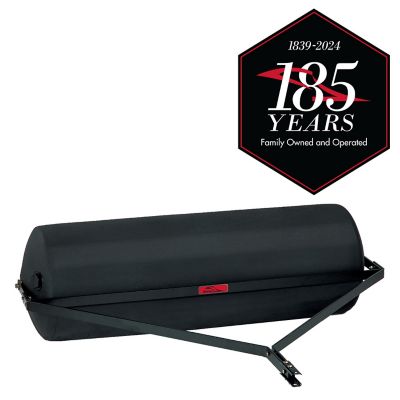
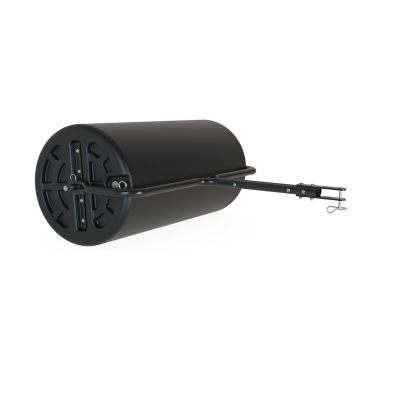
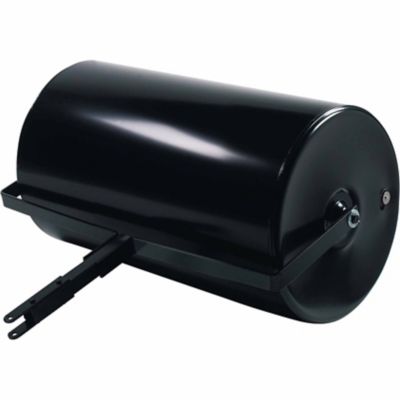
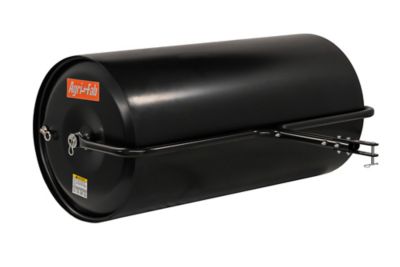
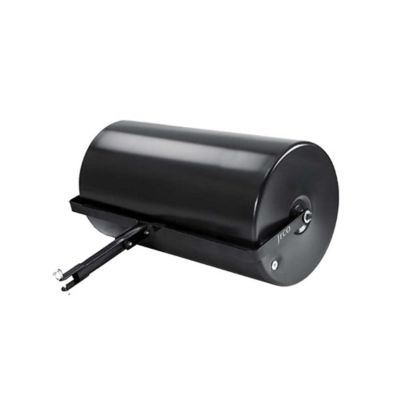
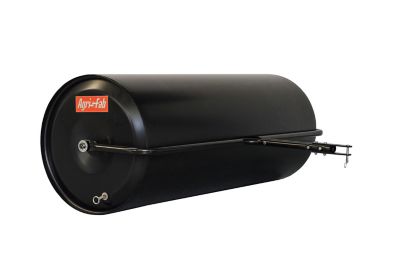
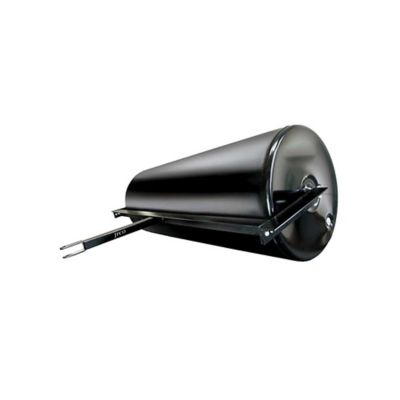
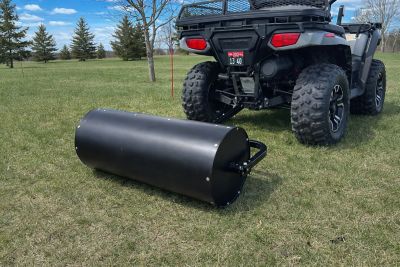
Lawn rollers are cylindrical yard tools that apply weight across the ground to firm the surface, help grass seed make contact with soil, and settle newly laid sod. The hollow drum typically holds water or sand, giving the tool enough weight for the job without making it as heavy to move when empty. For a homeowner tending the grass around a farmhouse, a groundskeeper maintaining open lawn, or someone finishing a patch beside the driveway, a roller can help with the final stages of lawn establishment and repair. Its job is gentle surface firming, not earthmoving. Small bumps in loose soil may respond to rolling, but deep wheel ruts, buried rocks, and major high spots need other work before a roller comes into play. On a prepared seedbed, light pressure can improve contact between seed and soil without burying seed beyond its recommended planting depth. With fresh sod, rolling can help close small air pockets beneath the strips so roots have better contact with the ground. Neither task calls for the heaviest possible load. The right working weight depends on soil texture, ground conditions, and the instructions for the seed or sod involved. Soil that is slightly moist and firm enough to support foot traffic behaves differently from ground that leaves a deep footprint or squeezes water under a boot. Saturated soil is a poor match for rolling because the added pressure can pack it tightly and leave marks rather than a smooth finish. Clay-heavy ground deserves particular care because it compacts readily. A lawn roller also cannot fill a hollow simply by pressing down everything around it. For a settled trench or a low patch near a walkway, proper filling and grading address the underlying shape of the yard. That distinction matters when matching this equipment to a project: a roller helps finish a properly prepared surface rather than replacing the groundwork that comes first.
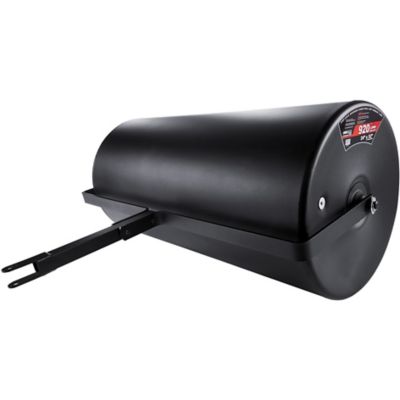
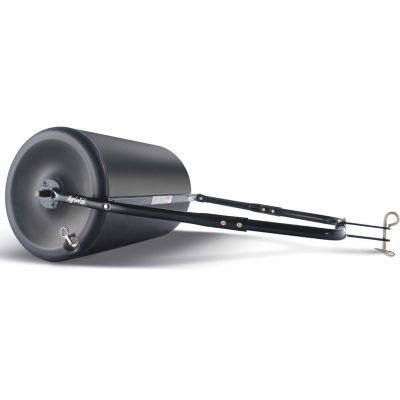
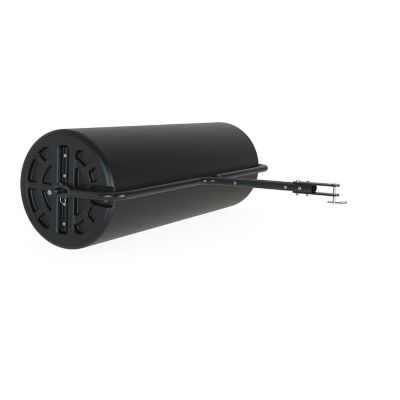
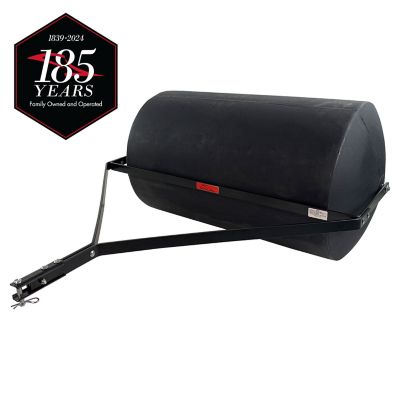
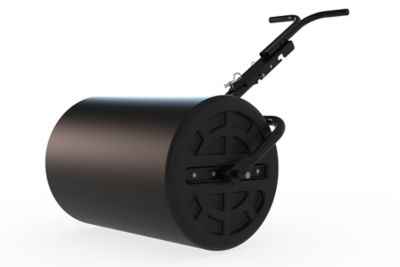
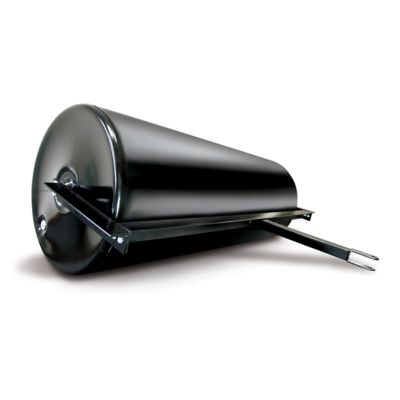
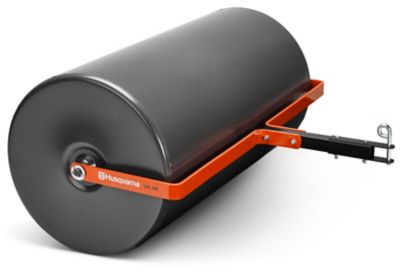
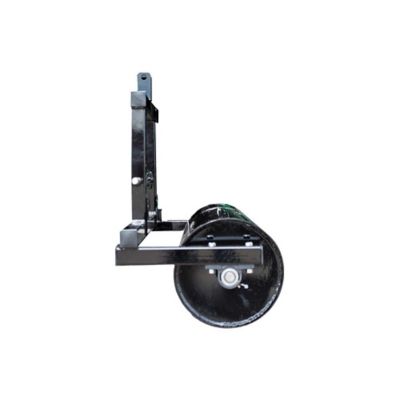
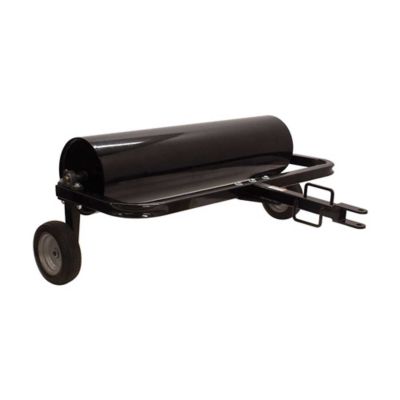
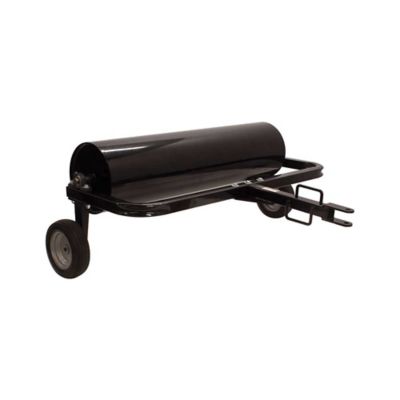
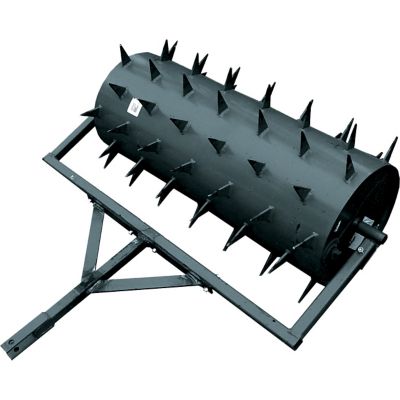
Push lawn rollers, tow-behind lawn rollers, and push-and-tow designs suit different layouts and workloads. A manual roller keeps the equipment simple for smaller lawns, narrow side yards, and patches where a riding mower cannot comfortably maneuver. Handle shape, grip position, and overall balance affect how manageable it feels when the drum carries weight. A wide drum covers more ground with each pass, while a narrower one fits more easily through a garden gate or between established beds. Drum width is only part of the fit; the frame and handle also need clearance. Tow-behind rollers make more sense for broad stretches of grass where repeated walking passes would take considerable effort. Matching the hitch connection, loaded weight, and towing limits to the mower, lawn tractor, ATV, or other approved towing vehicle is essential. Not every vehicle or attachment combination is suitable, and slope limits matter even when the hitch connects. Push-and-tow designs bridge those jobs, with a handle or hitch arrangement that changes according to the task. Across these styles, steel and polyethylene are common drum materials. Steel offers a rigid working surface, though its finish needs attention where scratches expose bare metal to moisture. Polyethylene resists rust and keeps empty weight down, but it still needs protection from sharp objects, dragging, and storage damage. Frame construction, axle support, and the condition of moving connections matter alongside the drum itself. Rounded drum edges can help limit cutting into turf during turns, while a scraper bar, when fitted, helps clear soil that sticks to the surface. Fill openings and plugs deserve a close look, too. An opening that is easy to reach makes filling and draining less awkward, and a secure plug helps prevent leaks across the yard. Water makes the load easier to adjust and empty, while sand can provide more weight in the same drum space but takes more effort to remove. The manufacturer’s approved fill material and maximum capacity should govern either choice.
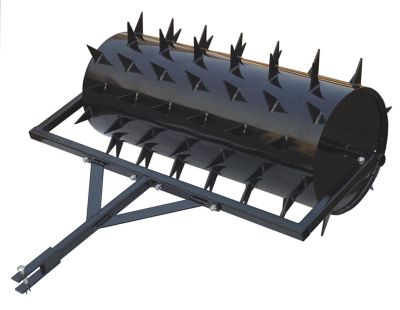
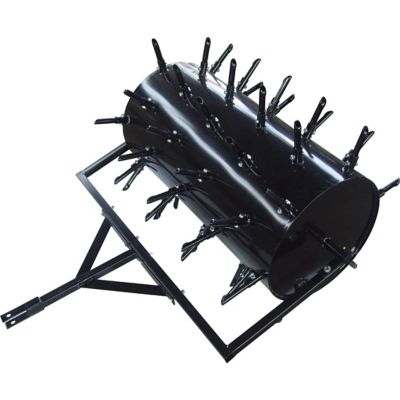
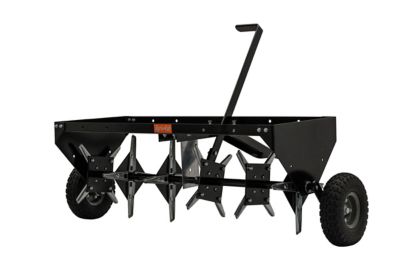
The weight listed for an empty lawn roller tells only part of the story. Working weight includes the drum, frame, and whatever fills the drum, so a tool that moves easily across the shed floor can handle very differently once loaded. That difference matters for manual effort, towing control, and the pressure placed on grass and soil. More weight does not automatically mean a better result; for new seed or sod, enough pressure to establish contact is the goal, not a hard-packed surface. Lawn rollers and aerators serve different purposes, even though both belong in conversations about lawn care. A roller presses the surface, while
Lawn Aerators create openings in the soil to help address compaction and improve access for air and water. Ground that is already tight from foot traffic or repeated equipment passes may need that relief rather than another heavy pass over the top. For properties with several lawn areas, the best fit also depends on the route between them: gates, gravel crossings, tight corners, and storage space all affect day-to-day handling. Broad turns help limit turf scuffing, and following the equipment’s operating limits helps keep the work controlled. Care between jobs supports a longer service life. Soil and grass buildup should come off the drum, scraper, and frame before storage, with particular attention to areas around the axle and hitch. Steel surfaces benefit from checking for chipped finishes and corrosion, while poly drums need inspection for cracks, abrasion, or damage around the fill opening. Loose fasteners, worn connections, and leaking plugs are easier to address before the next lawn project. A water-filled drum should be drained according to the manufacturer’s storage directions, and the roller should rest securely where it cannot roll into a walkway or other equipment. With the right size, manageable working weight, and straightforward upkeep, a lawn roller earns its place among the tools for establishing turf and finishing small lawn repairs around the property.