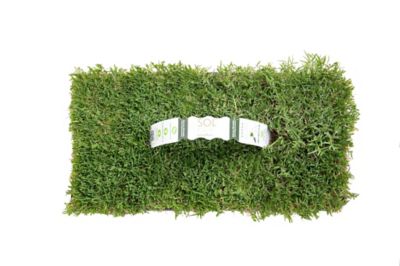
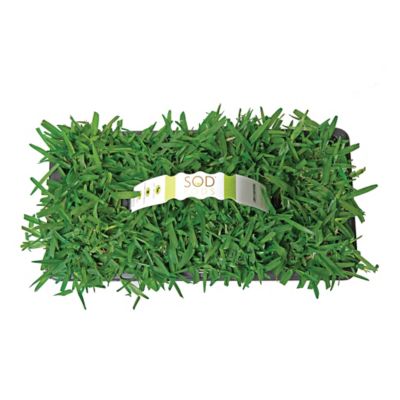
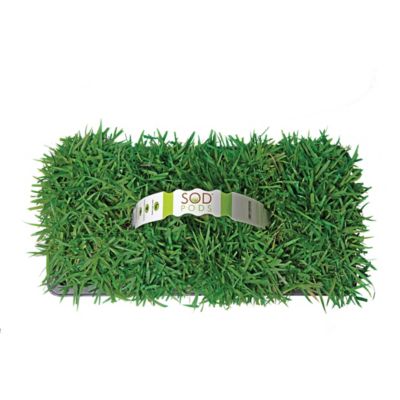
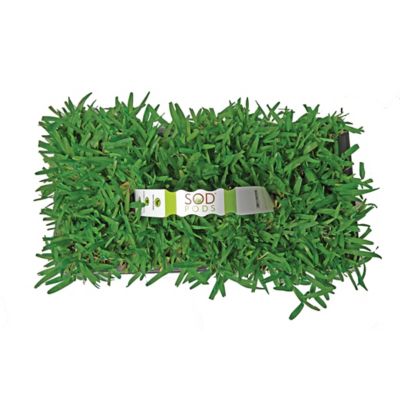
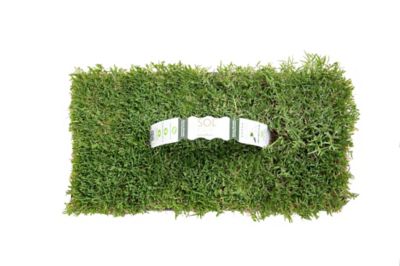
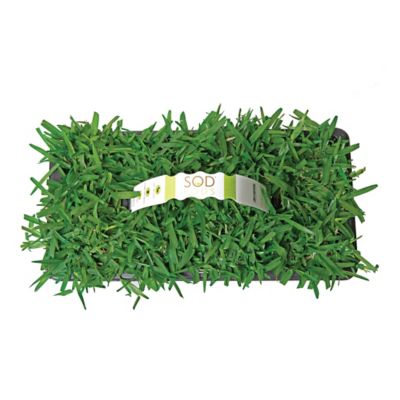
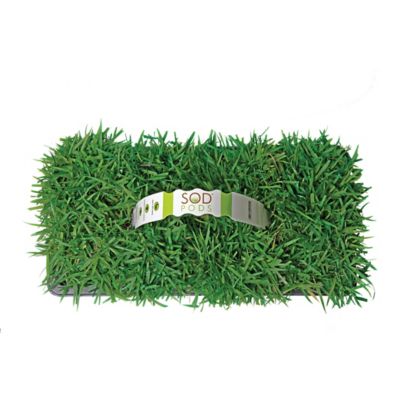
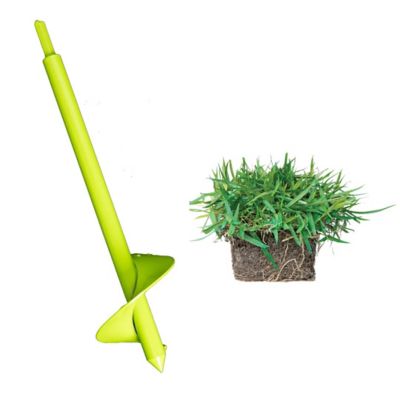
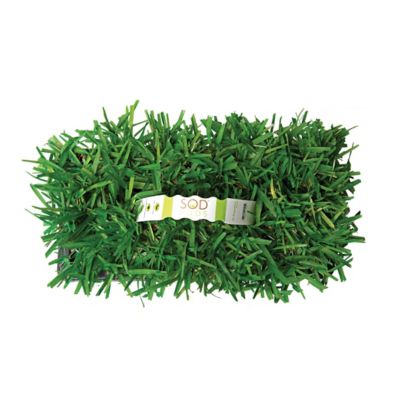
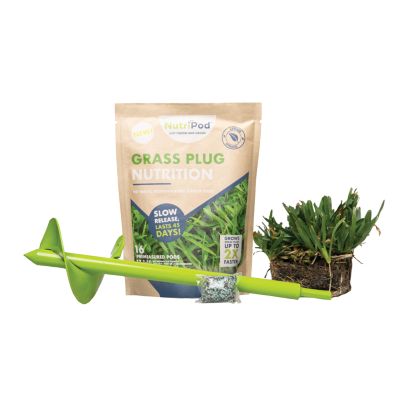
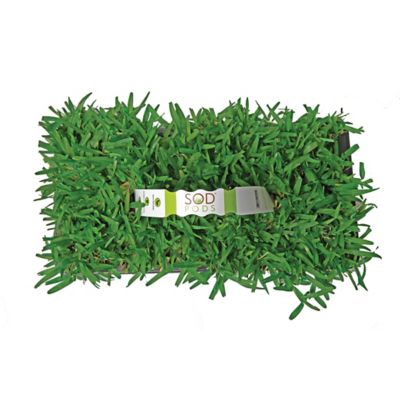
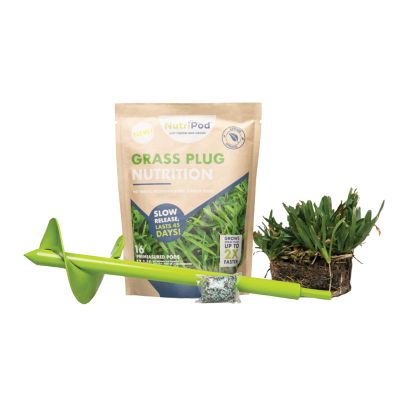
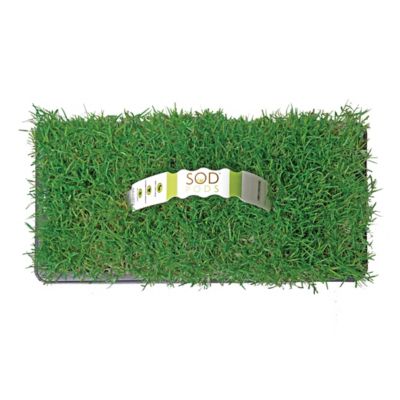
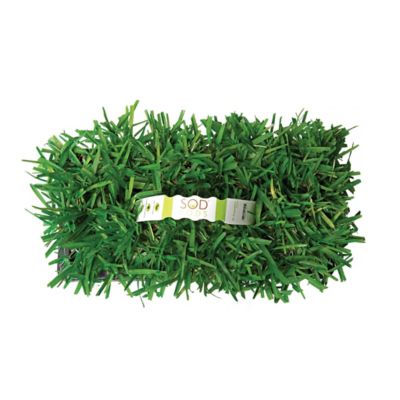
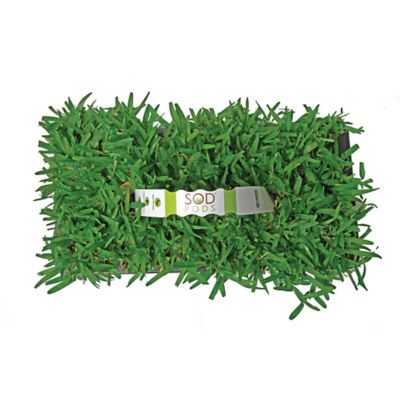
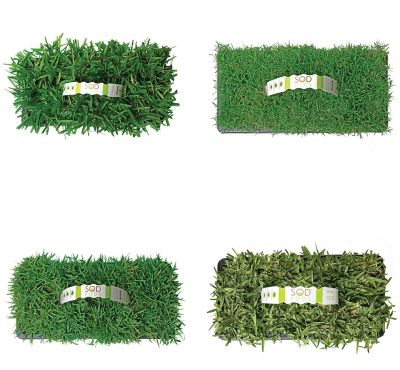
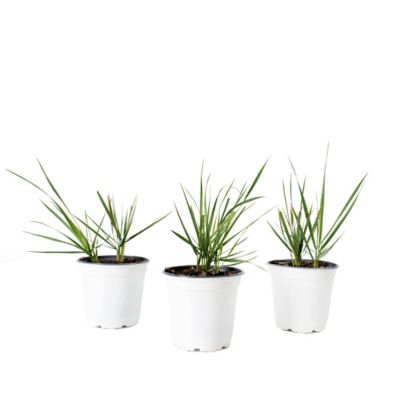
Lawn plugs are small, rooted sections of living turf planted individually to repair bare spots or establish grass across a larger area. Each plug includes grass blades, a root system, and a small amount of soil or growing medium that holds the roots together. Unlike seed, a plug starts as an established plant; unlike a sheet of sod, it leaves open ground between plants while the grass spreads. That makes grass plugs a practical choice for patching thin areas beside a walkway, filling gaps left after yard work, or gradually building a lawn around a home or outbuilding. Many lawn plugs are warm-season grasses, including bermudagrass, zoysiagrass, and St. Augustinegrass. These grasses expand through horizontal stems, though their growth habits, blade widths, and care needs differ. Bermudagrass generally favors full sun and spreads readily when growing conditions suit it. Zoysiagrass can form a dense lawn but often takes longer to fill open spaces. St. Augustinegrass has broader blades, and some varieties tolerate partial shade better than many other warm-season grasses. Shade tolerance still has limits: ground beneath a thick tree canopy may not support a full lawn, regardless of the grass selected. Regional climate, daily sunlight, soil drainage, and the grass already growing nearby all matter when choosing lawn plugs. Matching an existing lawn means looking beyond green color to blade texture, growth habit, and mowing height. A patch of broad-bladed grass in a fine-textured lawn can remain noticeable even after it fills in. Homeowners repairing a side yard, property owners improving the space around a workshop, and folks restoring a lawn after construction may all find plugs suited to their plans. They work best where there is time for spreading and a way to keep the planting area watered. For a stretch of ground that needs immediate, continuous grass cover or must carry steady foot traffic from the start, plugs have a different role than fully laid sod. They are lawn plants rather than pasture seed, and their selection should center on turf performance.
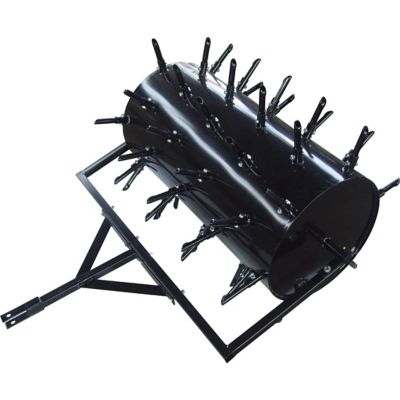
The size of each lawn plug and the distance between plants influence how much ground a planting can cover and how long the gaps remain visible. Larger plugs begin with more turf in each spot, while closer spacing leaves less open soil for spreading stems to cross. Wider spacing asks each plant to cover more ground, so patience becomes part of the project. Under favorable growing conditions, plugs often begin anchoring into the surrounding soil in about two to three weeks, but that does not mean the lawn is ready for heavy traffic. Complete fill-in can take several months, a full growing season, or longer, depending on grass type, spacing, sunlight, soil conditions, and watering. Warm-season plugs establish best while the grass is actively growing and the soil is warm enough to support root growth; dormant grass will not close gaps at the same pace. The planting site matters as much as the plants themselves. Loose, workable soil gives roots somewhere to go, while hard-packed ground, standing water, or a layer of construction rubble can hold a lawn back. Where foot traffic has compacted an existing lawn,
Lawn Aerators can help address the soil condition before lawn repair. The soil cores removed during aeration are not living grass plugs intended for planting. A soil test can help identify pH or nutrient issues without relying on guesswork. Plug dimensions also matter when choosing planting tools, since a hole should accommodate the root ball without crushing it or leaving a large air pocket around it. Good contact between the root ball and surrounding soil supports establishment, with the grass crown resting near the surrounding ground level rather than buried deeply. Living plugs need prompt attention after arrival, too. Keeping the root balls moist without leaving them submerged helps protect the plants until planting. A hose that reaches every patch, including the far side of the shed, is worth considering before a project spreads across the yard.
Ongoing care helps turn separate lawn plugs into a connected stand of grass. Newly planted roots occupy a small area, so early watering needs to keep both the root balls and nearby soil from drying out. The amount and frequency depend on the soil, drainage, and conditions at the site rather than a single schedule that fits every yard. Sandy ground loses moisture differently than heavier clay, and low spots may stay wet long after the rest of the lawn drains. As roots reach farther into the ground, watering can gradually shift toward deeper applications with more time between them, consistent with local watering rules. Fertilizer needs depend on the grass and soil test results; extra fertilizer is not a substitute for sunlight, drainage, or sound watering. Weed control deserves attention because the gaps between plugs leave room for competing plants. Any lawn treatment should be labeled for the grass species and its stage of establishment, since some herbicides can interfere with rooting or injure newly planted turf. Mowing height also varies by grass type. Plugs need firm root attachment before mowing, and sharp mower blades help make clean cuts without tugging at tender plants. Keeping kids, pets, and equipment off newly planted areas protects the roots while they settle in. A gate opening, the turn beside a water spigot, or the shortcut to the barn may need a separate path if repeated traffic keeps wearing the same spot bare. Once established, spreading grasses can recover from some wear, but no lawn handles constant pounding without a break. Their spreading habit also calls for attention along garden beds, gravel edges, and fence lines where grass is not wanted. The best fit is a grass whose sunlight needs, growth pattern, mowing requirements, and tolerance for everyday activity line up with the property. With that match in place, lawn plugs offer a manageable way to work on trouble spots or build grass coverage a section at a time.