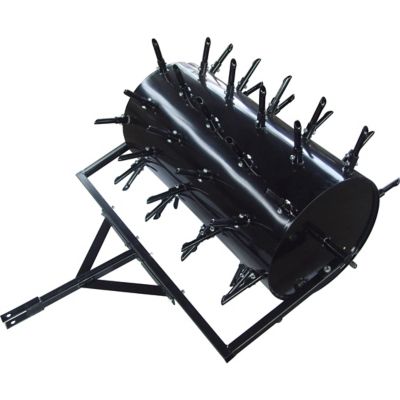
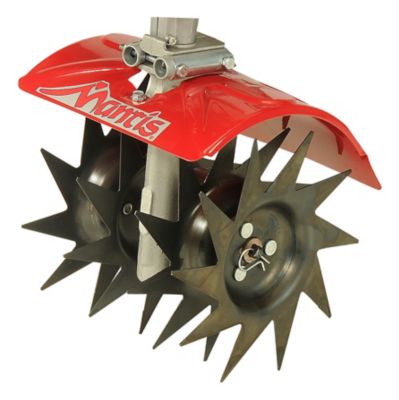
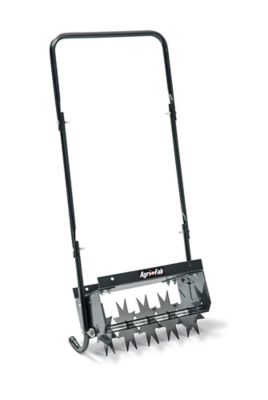
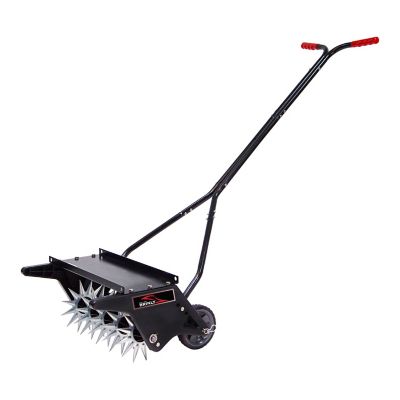
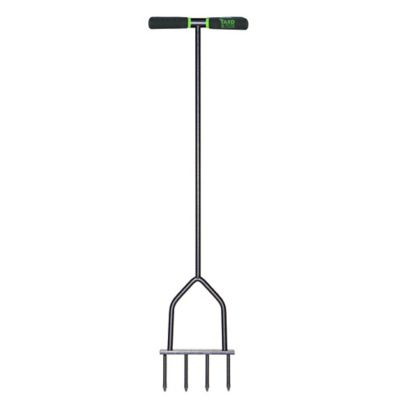
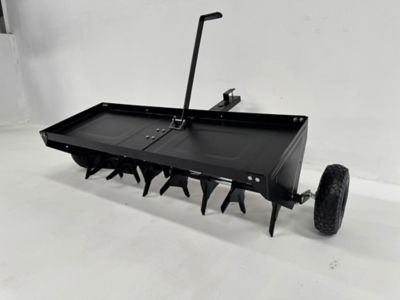
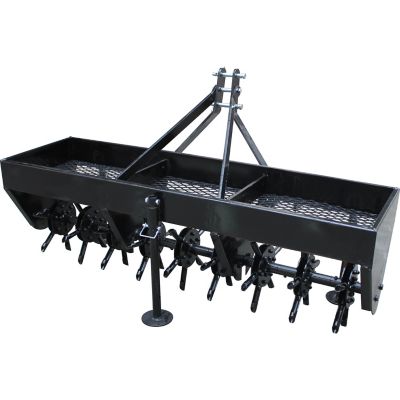
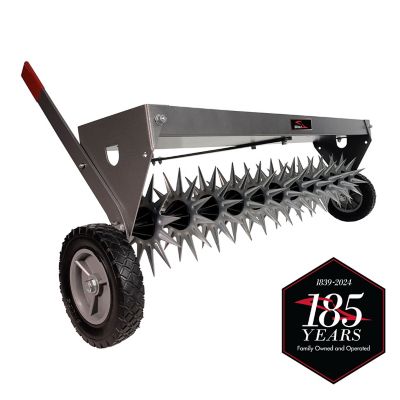
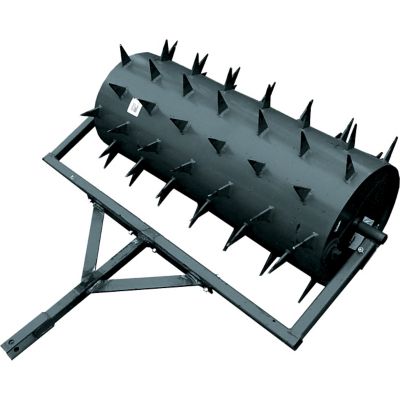
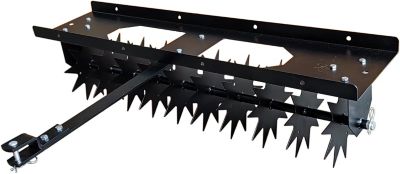
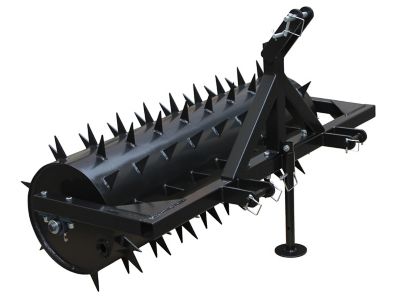
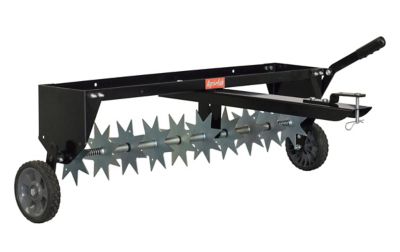
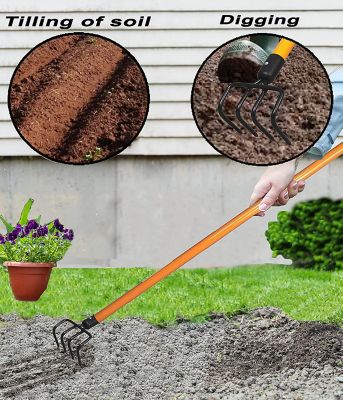
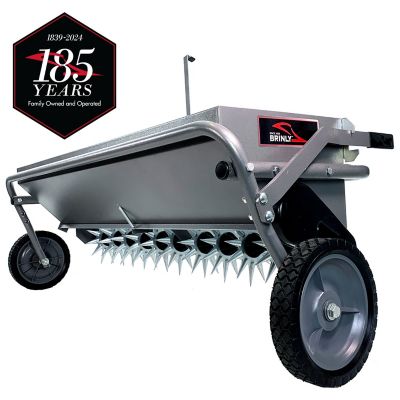
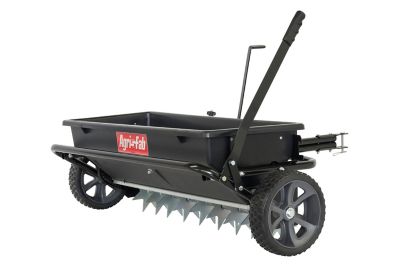
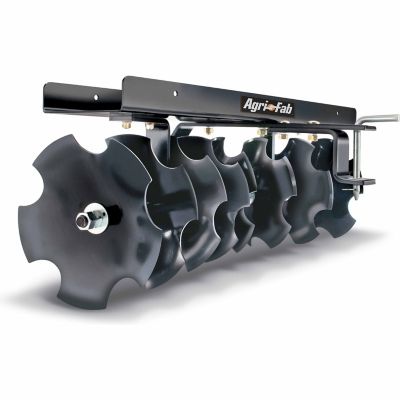
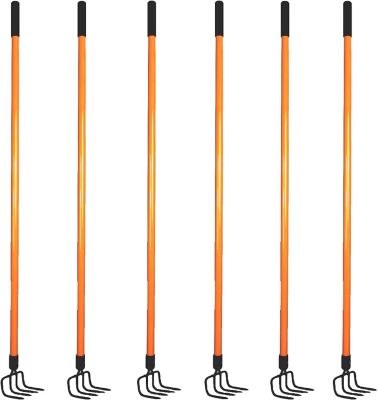
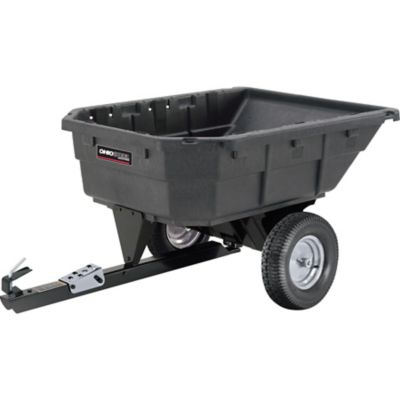
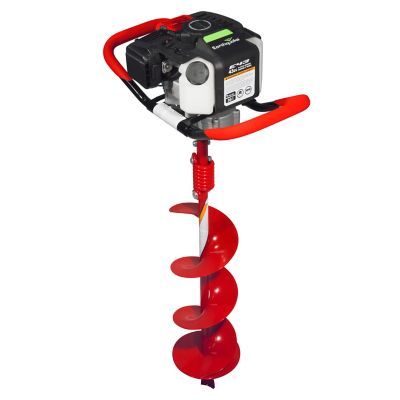
Soil aerators are lawn care tools that open holes in the ground to help air, water, and nutrients reach grass roots. They’re especially useful where foot traffic, mower tires, and everyday activity have pressed soil together, leaving turf thin or the ground hard underfoot. Around a country home, that might be the shortcut between the porch and the barn, the grass beside a gate, or the stretch of yard where kids and pets spend most of their time. Aeration creates openings in that packed surface, although the way a tool makes those openings matters. Spike aerators push solid points into the earth, moving soil aside without removing it. They can provide openings in lighter, less compacted ground, but they do not relieve heavy compaction as effectively as tools that remove soil. Plug aerators, also called core aerators, have hollow tines that pull out small cylinders of earth. Removing those cores creates space within the soil, making this style a better match for tightly packed lawns and many clay-heavy yards. Manual soil aerators, push models, and tow-behind equipment bring these different approaches to properties of different sizes. A foot-operated tool can suit a small trouble spot beside the driveway, while a wider rolling implement makes more sense for longer stretches of turf. The intended job matters just as much as lawn size: occasional attention to a narrow walkway calls for different equipment than repeat coverage across an open home lawn. Aerators support root growth by improving conditions below the surface, rather than cutting grass or breaking up an entire planting bed. They also aren’t a replacement for correcting poor grading, drainage problems, or an unsuitable grass variety. For homeowners, groundskeepers, and folks maintaining grassy areas around outbuildings, the right aerator is one that fits the soil, the space, and the equipment already doing chores around the property.
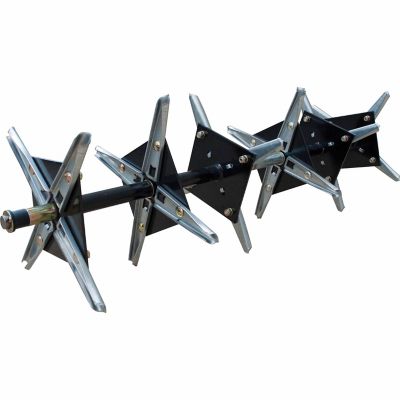
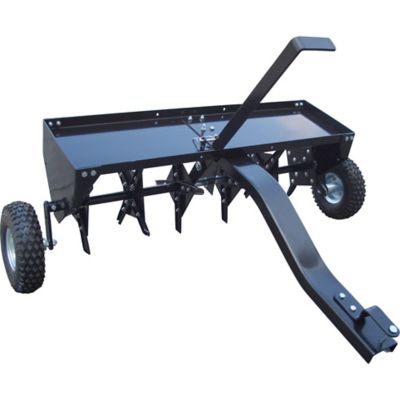
Construction and fit make a noticeable difference when an aerator meets hard ground. Steel frames and tines are common because these parts need to stand up to downward pressure and repeated contact with soil. Protective finishes help limit rust, though scratches, lingering moisture, and fertilizer residue can still take their toll. Tine shape, spacing, and working depth influence how the tool engages the ground, while replaceable wear parts can make ongoing upkeep more practical. Hollow tines need room to release the cores they collect; solid spikes need enough penetration to create useful openings rather than merely mark the surface. On manual tools, handle height, grip shape, and a broad foot platform affect comfort and control. A tool that fits the operator’s reach is easier to manage along a fence or across a small patch of struggling turf. Push aerators call for attention to overall weight, maneuverability, and the effort needed to keep the working parts engaged. For bigger lawns,
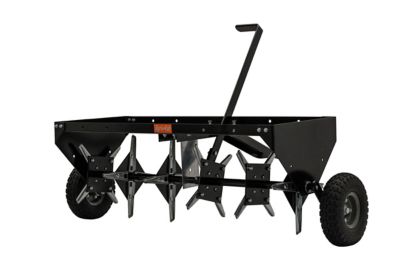
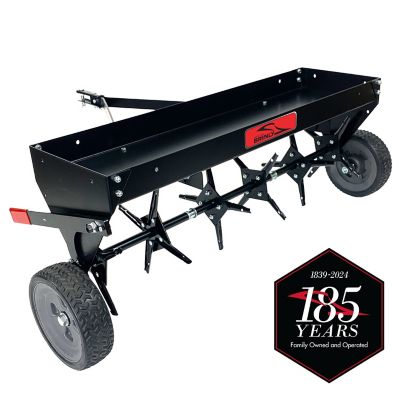
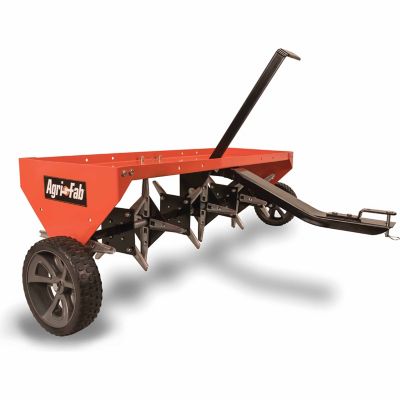
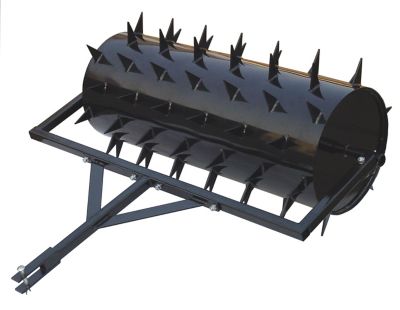
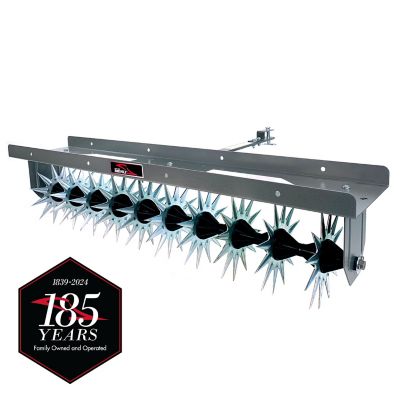
tow-behind lawn aerators pair wider coverage with a compatible riding mower or lawn tractor. Hitch style, towing limits, and the equipment manufacturer’s operating requirements all matter more than simply matching the width of the aerator to the mower. A wide working path can shorten coverage time in an open yard, but gates, trees, tight corners, and storage space may favor a narrower frame. Some tow-behind designs include trays for added weight, which can help tine penetration when loaded within the stated limits. Others have lift mechanisms or transport wheels that keep the working parts off pavement while moving between grassy areas. Those details matter on a property with gravel lanes, concrete walks, or several separate lawn sections. Slopes require particular care because attachment weight changes how a towing machine handles; both the aerator and towing equipment need to be suitable for the terrain. Matching the tool to the property keeps routine lawn work manageable without asking a small hand tool to cover a field-sized stretch of grass.
Soil condition and grass growth help determine how much benefit an aerator can deliver. Ground that is moderately moist generally allows better penetration than baked-hard earth, while saturated soil can smear, rut, and stick inside hollow tines. Think of soil that yields under firm pressure without turning into mud: that is a more workable condition than either dusty summer-hard ground or a soggy low spot after a long rain. A tool’s stated working depth describes its design, but actual penetration varies with soil texture, moisture, machine weight, and compaction. Aeration is generally best timed for active grass growth so turf can recover and roots can take advantage of the openings. Cool-season lawns may benefit during suitable growing conditions in the cooler part of the year, while warm-season grasses usually need their period of active warm-weather growth. Frozen ground and dormant turf are not good reasons to put an aerator to work simply because other yard chores are winding down. Core aeration leaves visible plugs on the lawn, a normal result of removing soil rather than a sign of damage. Those plugs typically break apart with weather and mowing, returning soil to the surface. Aeration can also complement overseeding by creating additional opportunities for seed-to-soil contact, though successful establishment still depends on the grass type, moisture, and follow-up care. Before any tines enter the ground, shallow irrigation lines, sprinkler heads, invisible pet fencing, and other buried obstacles need attention. Stones and thick roots can interfere with operation and damage working parts. After the job, clearing soil from tines, letting metal surfaces dry, and following the manufacturer’s lubrication and fastener checks help keep the equipment ready for another season. Covered storage protects moving parts and finishes from unnecessary exposure, and sheltered space matters especially for larger attachments. Whether the task is opening a trampled strip near the clothesline or maintaining a broad lawn beyond the back porch, soil aerators offer a practical way to address compaction beneath the grass while fitting into a steady property-care routine.