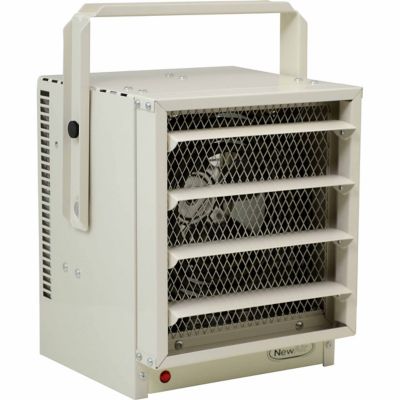
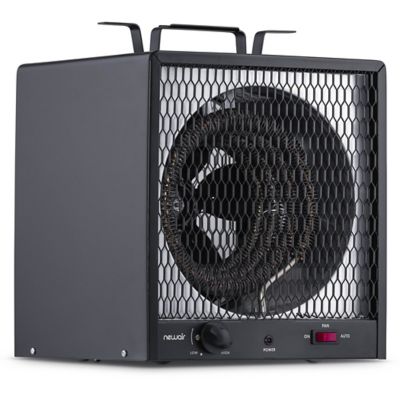
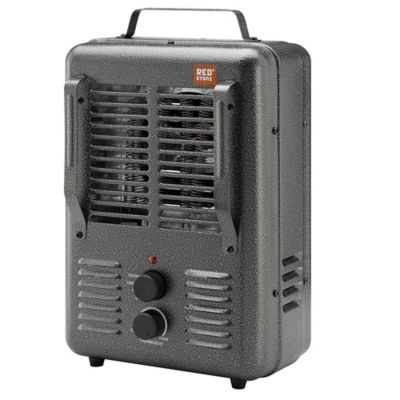
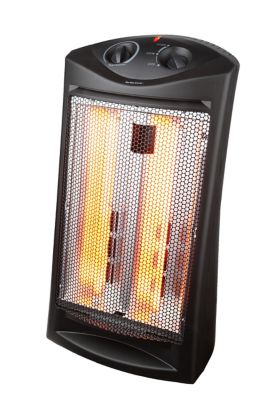
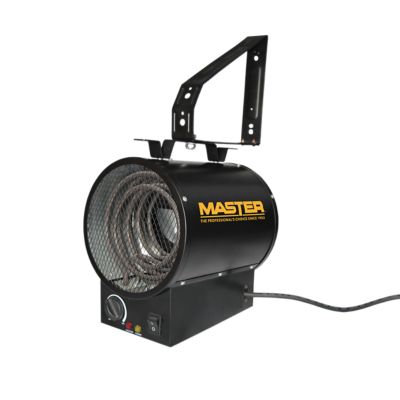
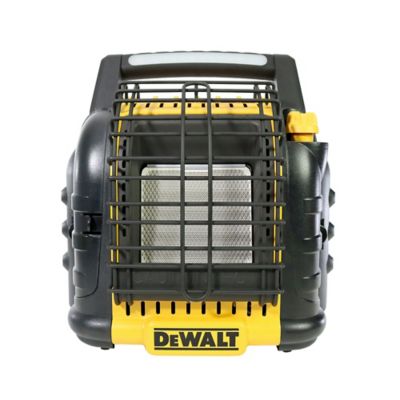
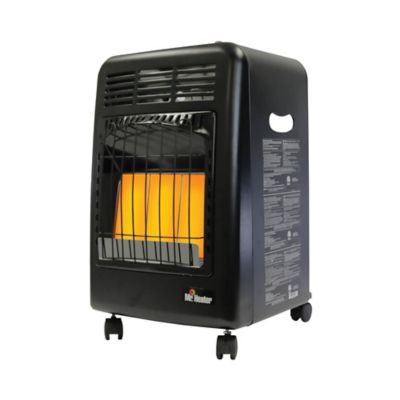
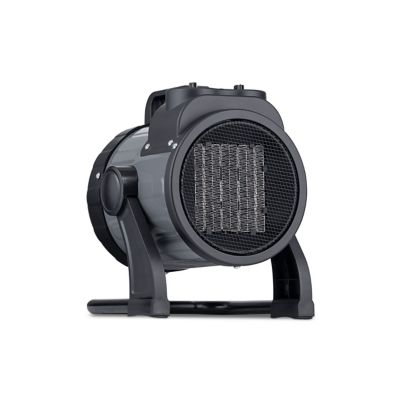
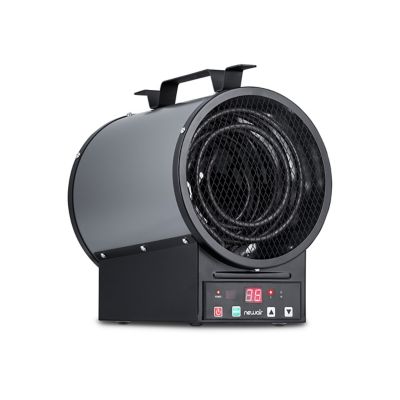
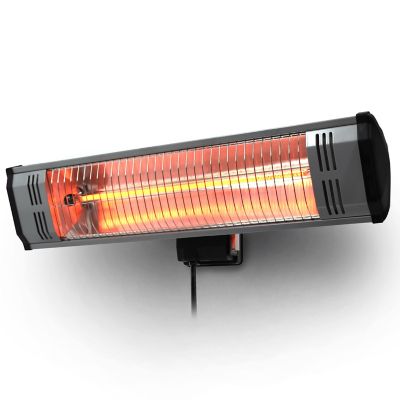
Heaters for workshops and garages help take the bite out of a cold workspace, whether the job is replacing a mower belt, sorting hardware at the bench or working through a truck repair. The right fit depends on more than floor space. Ceiling height, insulation, air leaks and how often the overhead door opens all affect how much heat a building needs. An insulated one-car garage holds warmth differently than a tall shop with bare metal walls and a steady stream of equipment coming through the door. Heater coverage estimates offer a starting point, but heating capacity should match the building’s heat loss and the area where work actually happens. Electric heaters are a practical option for enclosed spaces with suitable electrical service because they produce heat without burning fuel at the heater. Standard 120-volt plug-in models can serve smaller areas or provide supplemental warmth near a work station, while higher-wattage 240-volt heaters generally deliver more output for larger spaces. Voltage alone does not determine performance; wattage, airflow and the building itself matter, too. Fan-forced electric heaters circulate warm air, helping spread heat beyond the immediate area around the unit. Electric radiant heaters focus warmth on people and nearby surfaces, making them worth considering for a particular bench or work zone rather than an entire building. Ceiling-mounted and wall-mounted designs leave more room for tool carts, lumber racks and vehicle traffic, provided the location meets the heater’s mounting and clearance requirements. Portable designs offer flexibility when tasks move between work areas, but they still need a stable, approved operating location. Electrical fit matters just as much as physical fit: receptacle type, circuit capacity and installation requirements should all match the heater. Hardwired equipment belongs on a properly sized circuit installed by a qualified electrician, and a heater that requires a dedicated circuit should not share that circuit with power-hungry shop equipment.
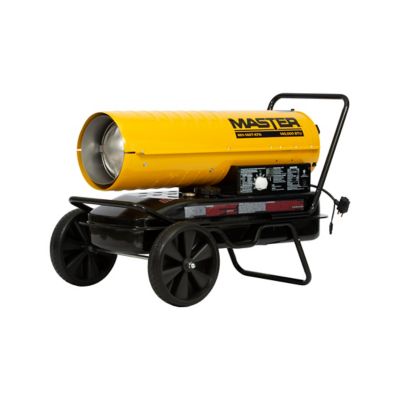
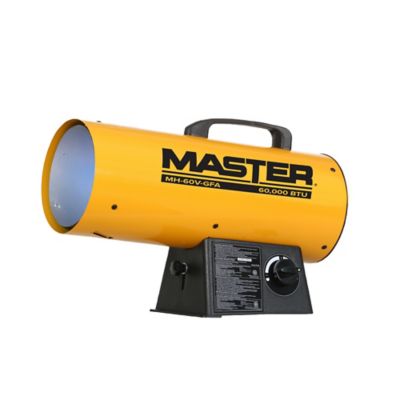
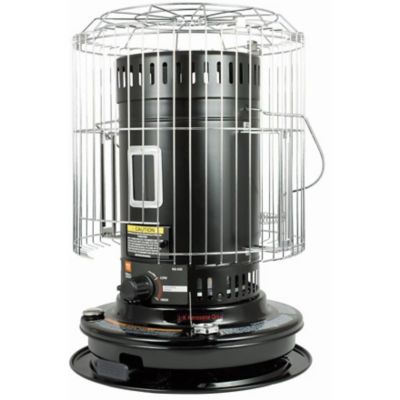
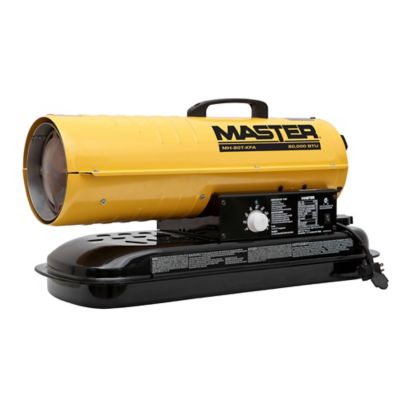
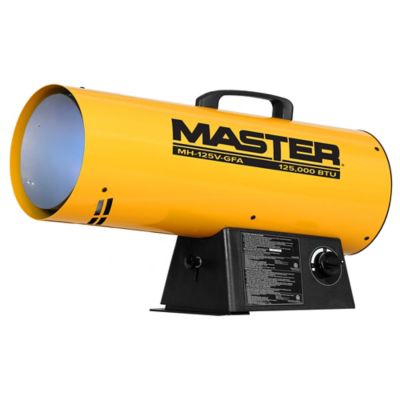
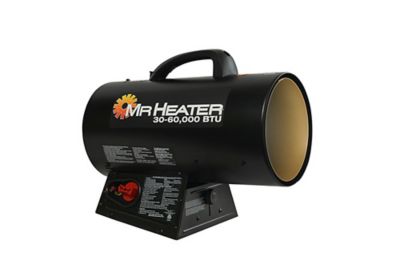
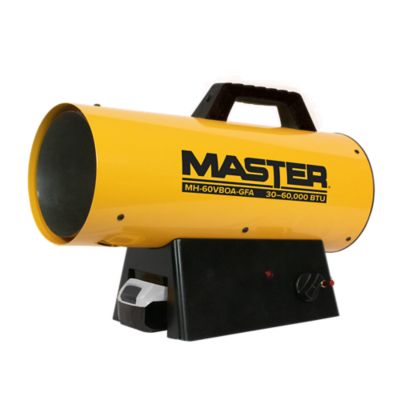
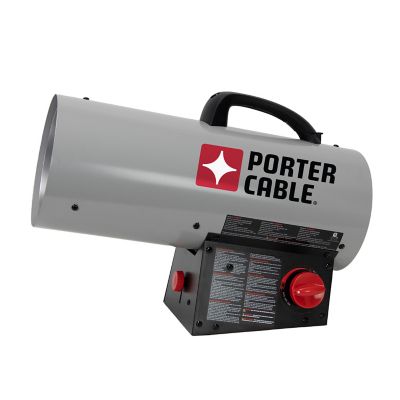
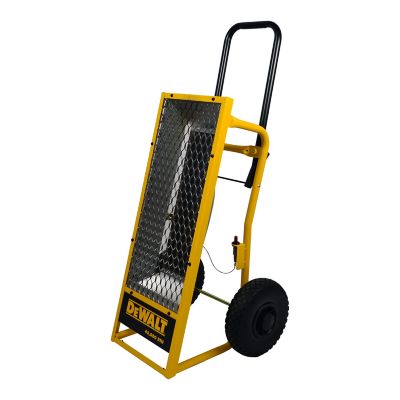
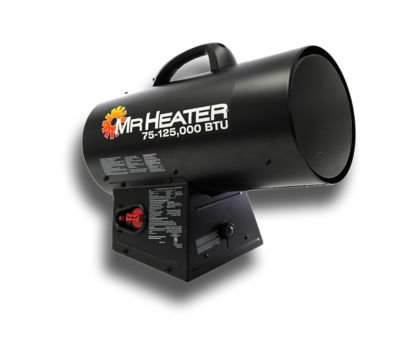
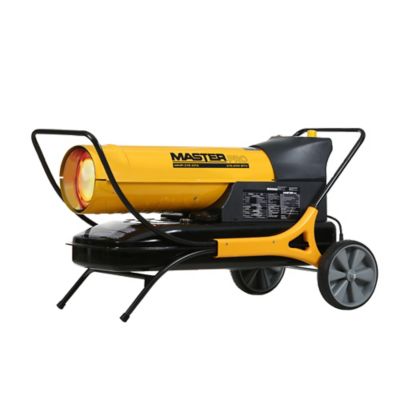
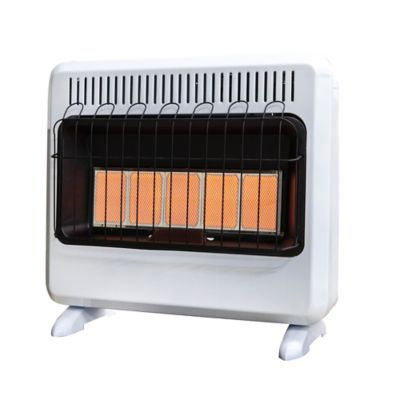
Fuel-burning heaters serve a different set of workshop needs, especially where substantial heat output or a permanent heating system makes sense. Natural gas heaters require a suitable gas supply, while propane heaters rely on an approved cylinder or tank connection matched to the equipment. Permanently installed gas unit heaters can distribute warm air from an overhead position, keeping the floor open for tractors, workbenches and rolling tool chests. These systems need professional installation, with gas connections, venting and combustion air addressed according to the manufacturer’s requirements and local codes. Portable forced-air fuel heaters can deliver concentrated output in work areas where their operation is specifically permitted, but portability does not make a heater suitable for every garage. Some equipment is intended only for outdoor use or particular nonresidential settings. The operating location must match the heater’s approval, not simply its size or heating capacity. For spaces with an appropriate fuel setup,
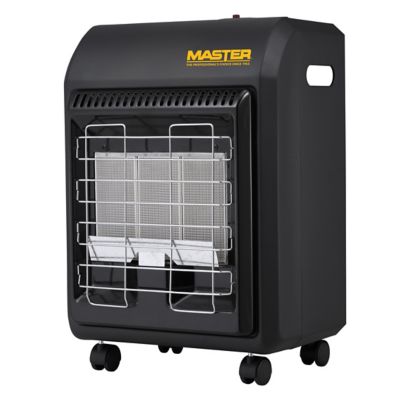
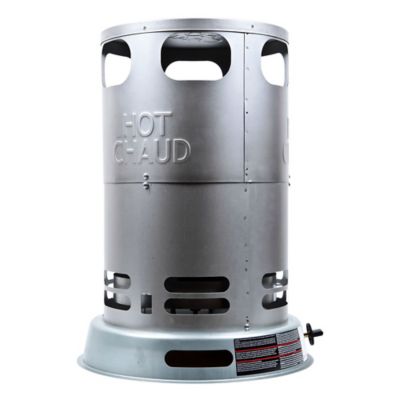
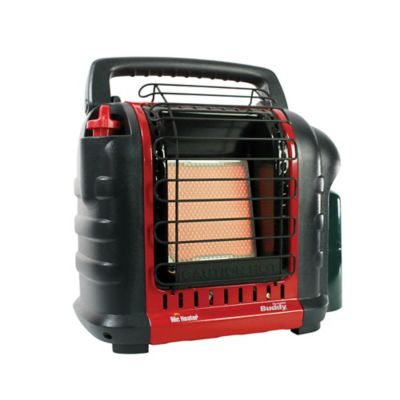
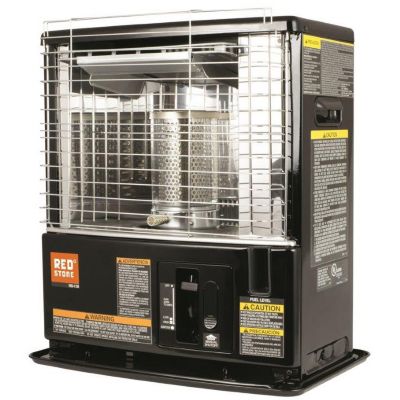
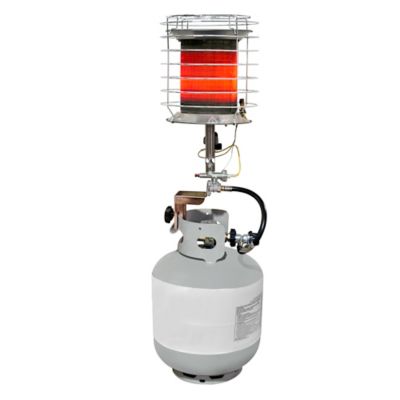
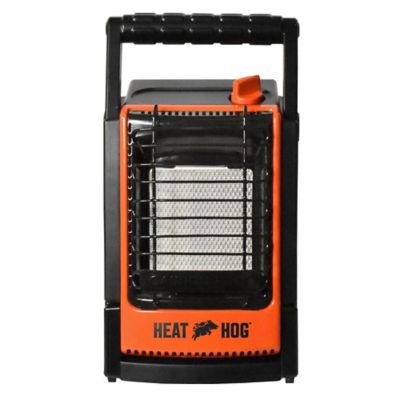
Propane Heaters for Workshops offer another category to consider alongside electric and natural gas heat. Radiant propane heaters warm people and objects within their heating pattern, while forced-air designs move heated air through the space. That distinction matters when most of the work happens at one bench versus across several repair bays. Output for fuel-burning equipment is commonly expressed in BTUs per hour; electric equipment is often rated in watts. Both describe heating capacity, but neither replaces an assessment of insulation, ceiling height and drafts. Fuel-burning heat also brings important air-safety requirements. Carbon monoxide cannot be seen or smelled, and working carbon monoxide alarms do not replace required ventilation or venting. Gasoline vapors, paint fumes, solvents and combustible dust can make an area unsuitable for heater operation. Fuel storage, refueling and cylinder changes must follow the equipment instructions, with the heater shut down and cooled when required. Propane cylinders need proper outdoor storage in an upright, secured position consistent with local fire codes. These details are part of matching the heating system to the shop, not extras to sort out after installation.
Everyday features can make workshop and garage heaters a better fit for the way a space functions. Thermostat controls help maintain a selected temperature, while adjustable output can provide flexibility when a small repair job does not call for heating the whole building. Directional louvers can steer airflow toward an open work area, although warm air should never be aimed at stored fuel, temperature-sensitive materials or anything inside the required clearance zone. Fan noise matters in a shop where conversation, equipment sounds and concentration are already competing for attention. Steel housings, protective grilles and sturdy mounting hardware are common construction details worth considering, especially around busy benches and moving equipment. A metal enclosure can stand up to ordinary shop handling, but no heater should be treated as a shelf, step or place to hang a coat. Finishes and housings also need care in damp buildings, and equipment should carry the appropriate approval for its intended environment. Safety features such as overheat protection and tip-over shutoffs, where applicable, add safeguards without replacing proper placement and supervision. Clearances need to account for more than walls: shelves, cardboard boxes, hanging jackets and a vehicle parked closer than usual can all change the space around a heater. Routine care helps maintain airflow and dependable operation. Once the heater is off, cool and disconnected as directed, accessible grilles and intake areas can be cleaned according to the manual; internal service and gas-system work belong with qualified professionals. Cords, connections, mounting points and vent components also deserve inspection at the intervals the manufacturer recommends. A bench-focused radiant heater, an overhead electric unit and a permanently vented gas system each suit different working habits. Matching the heater to the building, power or fuel supply, and actual work area helps create a more comfortable place for farm repairs, vehicle maintenance and evenings spent getting the next job ready.