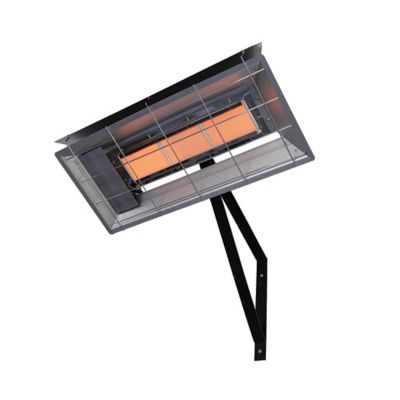
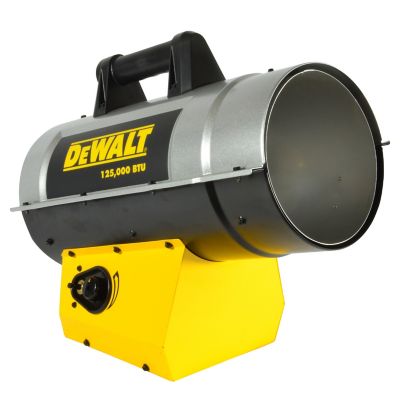
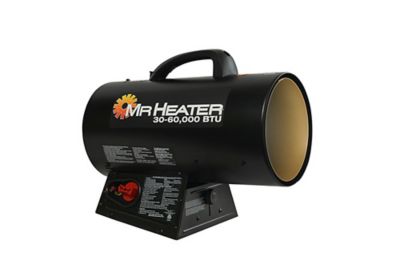
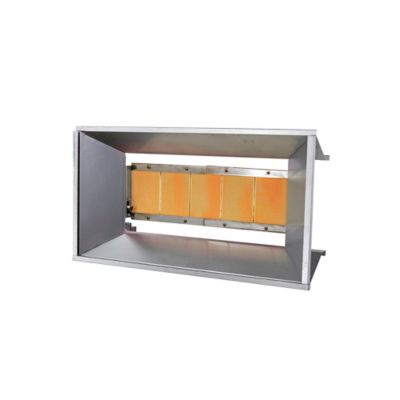
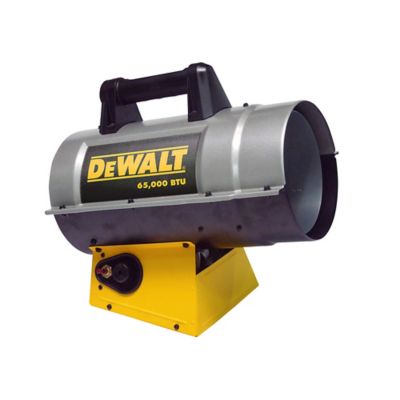
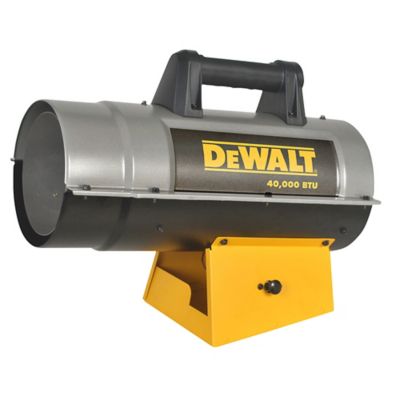
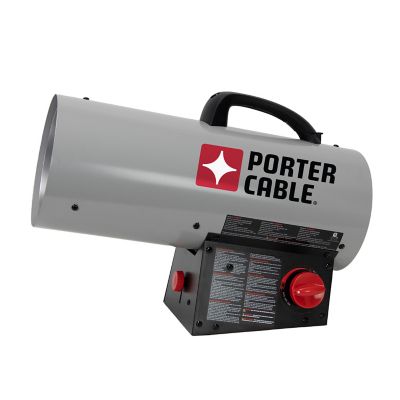
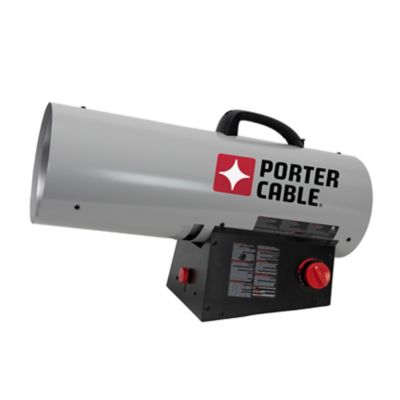
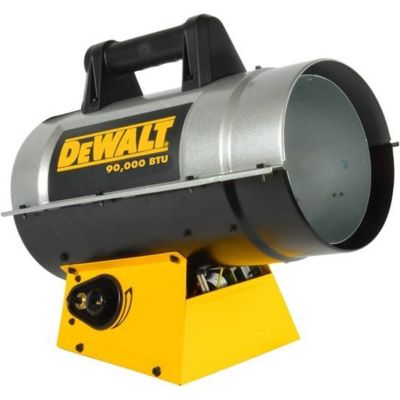
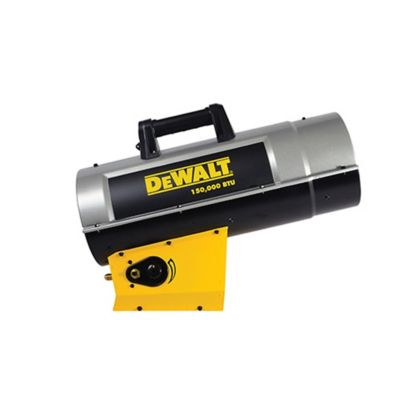
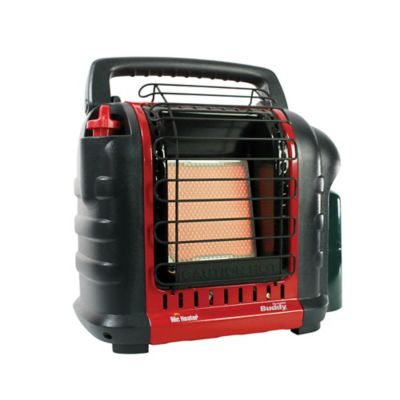
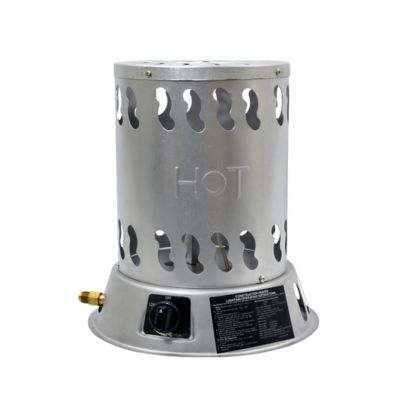
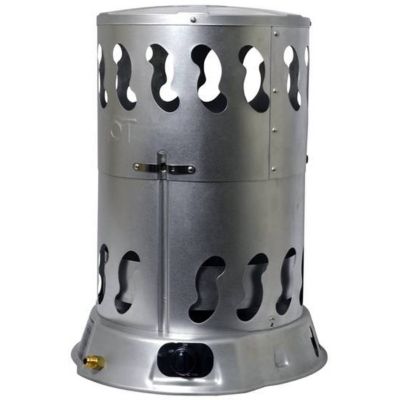
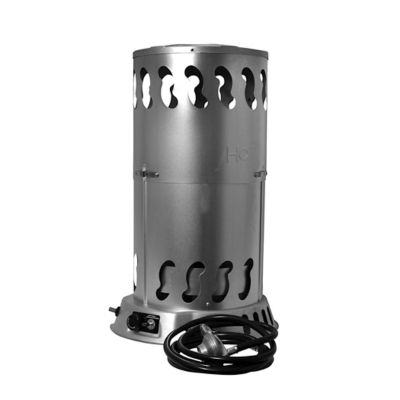
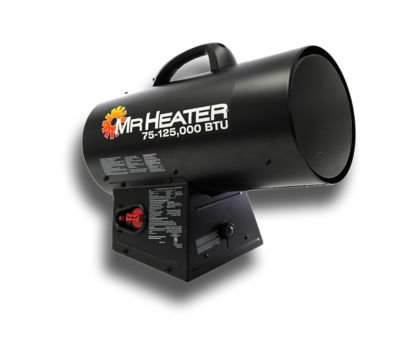
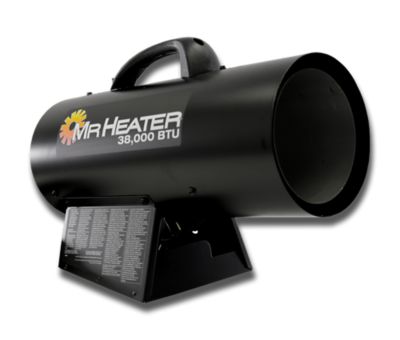
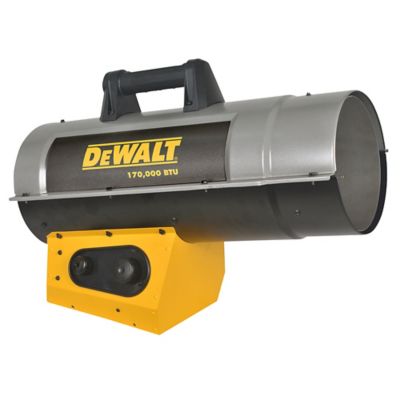
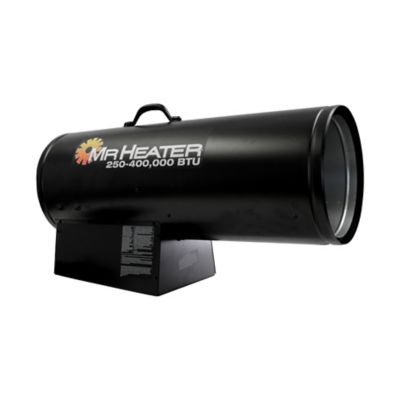
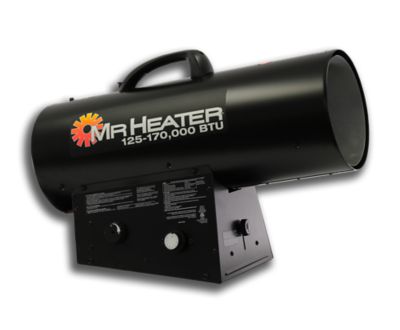
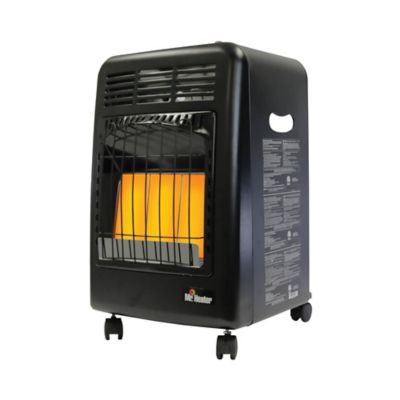
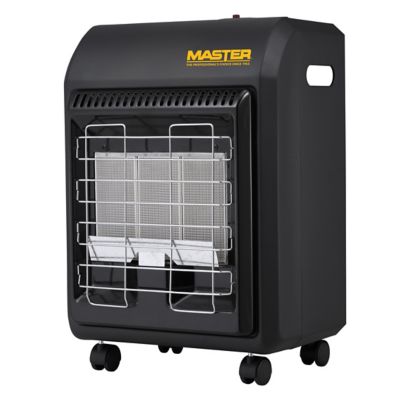
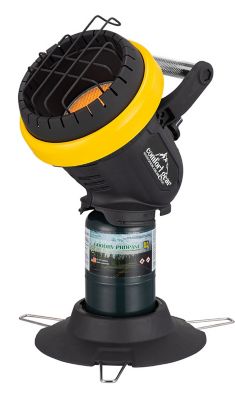
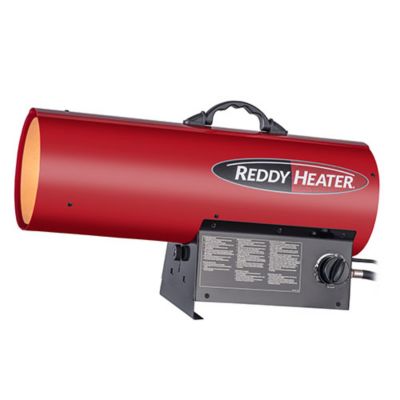
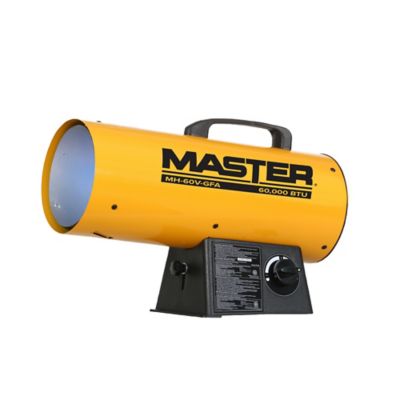
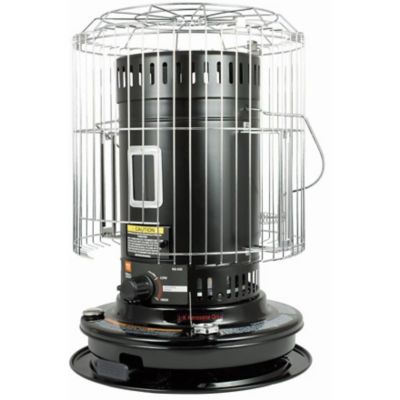
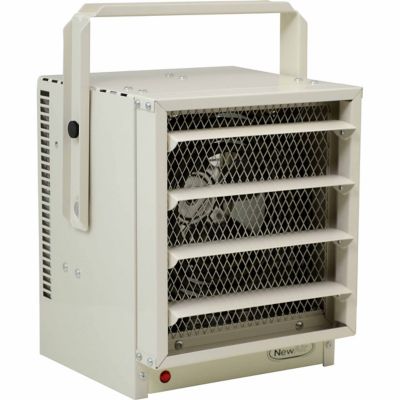
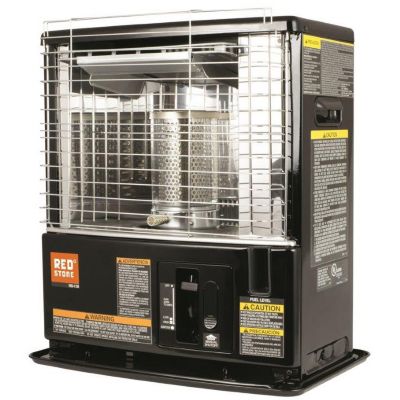
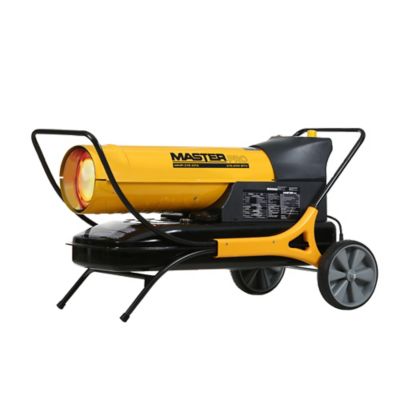
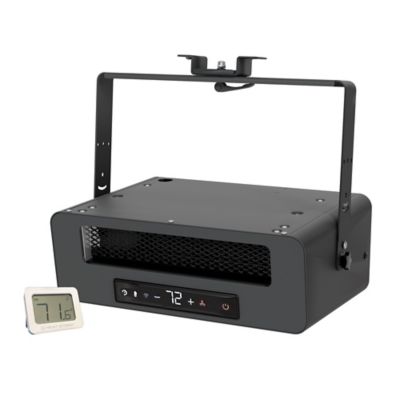
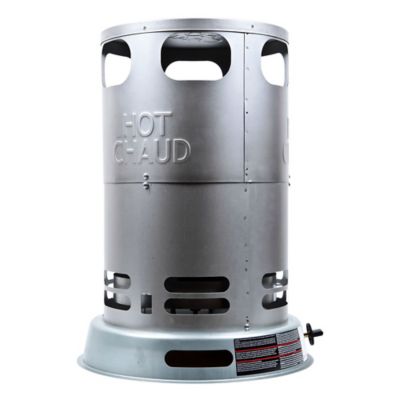
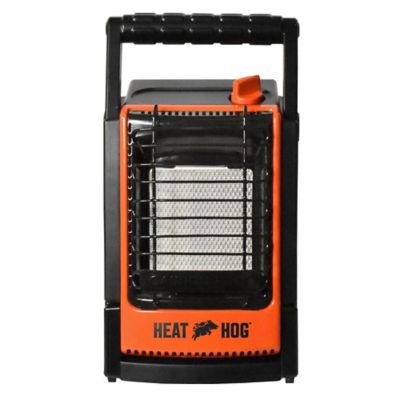
Propane heaters for workshops bring steady warmth to the places where real work gets done, from a garage bench covered in sockets to a farm shop with a tractor parked inside. The main options include portable forced-air heaters, convection heaters, radiant heaters, and permanently installed vented units. Each delivers heat a little differently, so the best fit depends on the building and the job. Forced-air propane heaters move heated air with a fan, making them a practical choice for larger approved work areas where air circulation matters. Many need a 120-volt electrical connection for the fan and ignition, even though propane supplies the heat. Convection heaters let warm air rise and circulate naturally; some operate without electricity, which can help in locations without a nearby outlet. Radiant propane heaters direct warmth toward people and nearby surfaces rather than relying mainly on heating the surrounding air. That can suit a designated work area, provided the heater’s placement and clearances fit the space. Permanent vented heaters offer a different setup, with combustion exhaust carried outdoors through an approved vent system. Some have separated combustion, drawing combustion air from outside as well. These installations belong in the hands of a qualified professional who can evaluate the fuel supply, venting, mounting, and local requirements. Around a workshop, heater selection also means thinking about the day’s routine: a mechanic moving between equipment bays has different needs than someone spending several hours at one bench. Fan noise, airflow direction, thermostat operation, and access to controls all affect how comfortably the heater fits into that routine. For temporary work areas,
Propane Construction Heaters are another category to consider, but a heater intended for a jobsite is not automatically approved for an enclosed workshop. The stated operating location matters just as much as heat output, especially in buildings with limited fresh-air circulation.
Heat output is measured in British thermal units per hour, commonly shown as BTU/hr. A higher rating means greater heating capacity, but square footage alone does not settle the choice. Ceiling height, insulation, drafts, outside temperature, required ventilation, and the temperature you want inside all affect the heating load. A tall metal farm shop with overhead doors opening throughout the day loses heat differently than a small insulated garage. Coverage estimates are a starting point, not a promise that the same heater will perform the same way in both spaces. Adjustable output can help match changing needs, while thermostat control can reduce the need for repeated manual adjustments. Propane consumption and tank size deserve the same attention as BTU ratings. Higher-output heaters draw fuel faster, and the cylinder must be able to supply propane vapor at the rate the heater requires. Cold temperatures reduce vaporization, so a small cylinder may struggle even when it still contains fuel. The correct minimum cylinder size comes from the heater manufacturer, not a guess based on how easily a tank can be carried. Runtime also varies with tank capacity, heater setting, and operating conditions; an advertised maximum usually reflects a particular combination of those factors. Connections need to match the specified hose, regulator, and fuel pressure, with no improvised fittings or substitutions. Physical fit matters, too. Portable heaters need a stable, level location that keeps hoses and electrical cords out of walkways and away from tires, tool carts, and moving equipment. Wall-mounted or ceiling-mounted units can free up floor space, but they still need the specified mounting support, service access, and clearances. Steel housings, protective grilles, sturdy handles, and corrosion-resistant finishes are useful construction details to compare for a shop environment. Those features support everyday handling, but they do not make a heater resistant to every bump, splash, or dusty task. Keep the air intake and heat outlet clear, with enough room for heat to reach the work area without blowing straight into stored materials.
Safe operation is part of choosing a propane workshop heater, not something to sort out after it arrives. Unvented propane heaters release combustion gases and water vapor into the space, so they require the ventilation specified by the manufacturer and must be approved for that setting. Cracking a window or door is not a universal substitute for those requirements. Carbon monoxide alarms provide an important warning in enclosed or partly enclosed spaces with fuel-burning equipment, but they do not replace ventilation or make an outdoor-only heater safe indoors. Alarm placement, testing, and replacement should follow the alarm manufacturer’s directions. Added moisture from unvented heat can also encourage condensation on cold metal surfaces, a concern around tools, machine parts, and stored lumber. Vented equipment can help address combustion exhaust indoors, though its installation and maintenance requirements still matter. Workshops often contain gasoline, solvents, aerosol cans, paint supplies, wood shavings, and airborne dust. Open flames, hot surfaces, and ignition sources must stay away from flammable vapors and combustible materials; spaces with combustible dust or explosive atmospheres require equipment specifically approved for those conditions. A general-purpose shop heater is not a substitute for that approval. Manufacturer-listed clearances apply above, beside, behind, and in front of the heater, including the path of discharged hot air. Operating-cylinder placement must follow the heater instructions and local codes, while stored propane cylinders belong outdoors, upright and secured. Between projects, care centers on keeping the heater clean, checking hoses and connections for damage, and protecting the unit from moisture and impacts. Fuel should be shut off as directed, and the heater should cool fully before cleaning, moving, or storage. Repairs to fuel components and permanent installations call for qualified service. For farm owners, mechanics, woodworkers, and folks keeping equipment ready for the next job, a well-matched propane heater fits the workspace without getting in the way of it. The right choice balances heating capacity, approved operating conditions, fuel supply, and room layout, leaving space to turn a wrench, check a belt, or finish a repair comfortably.