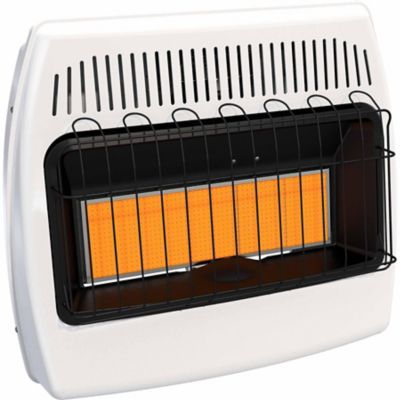
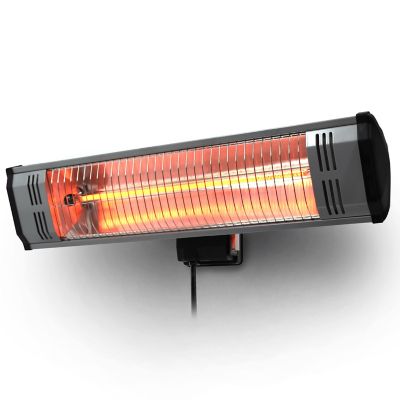
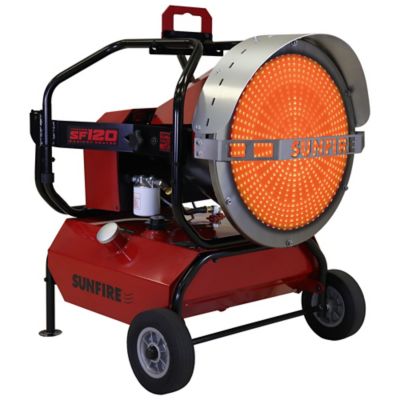
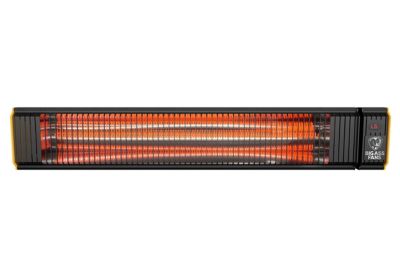
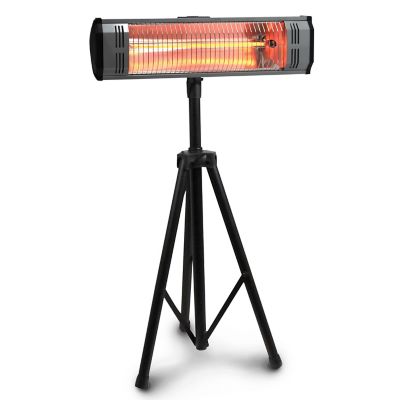
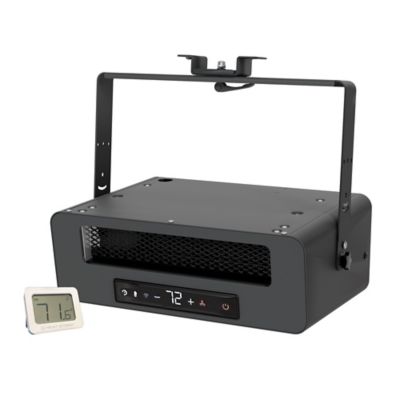
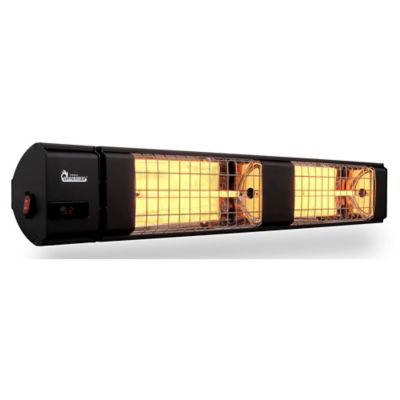
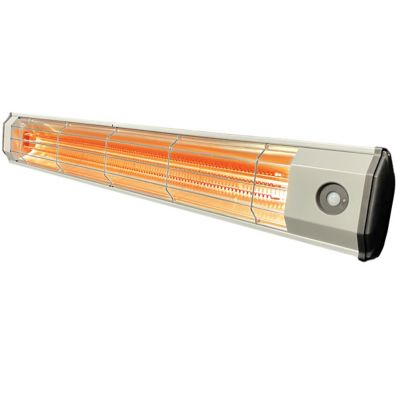
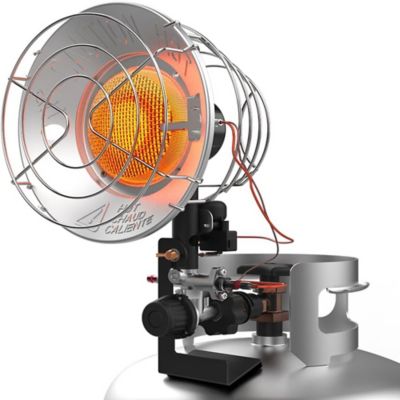
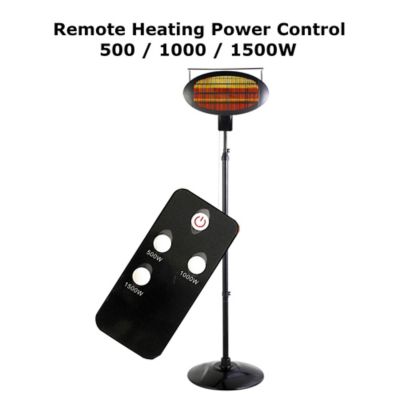
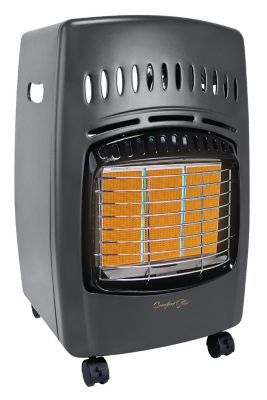
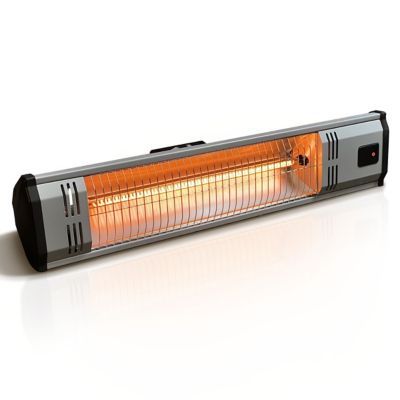
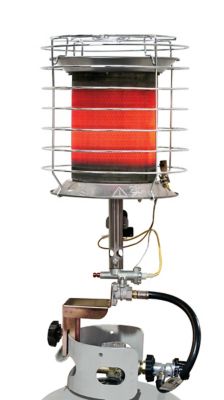
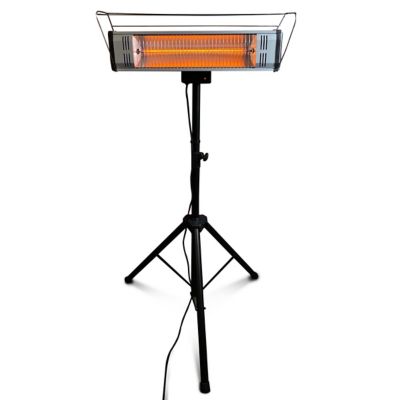
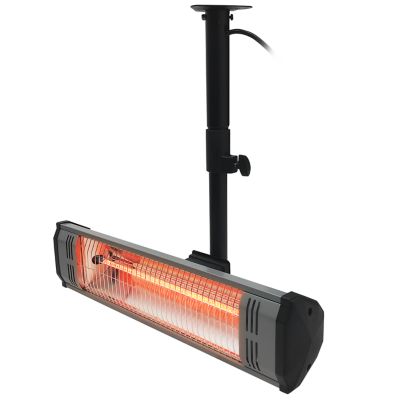
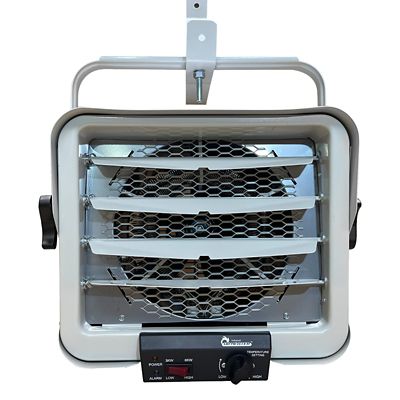
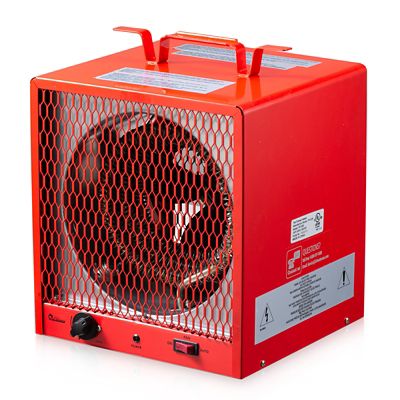
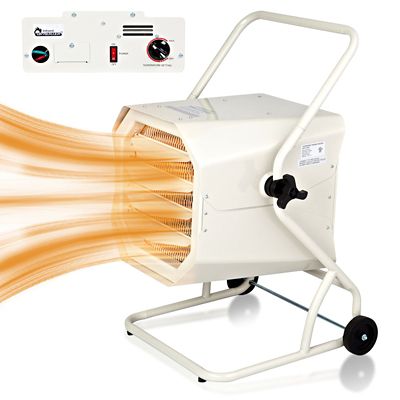
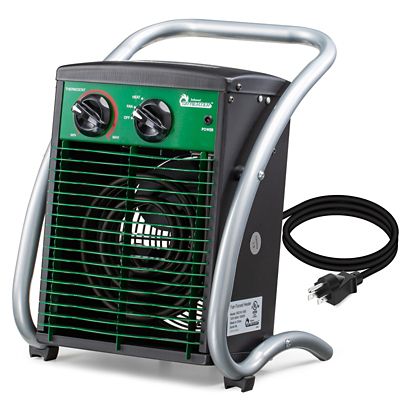
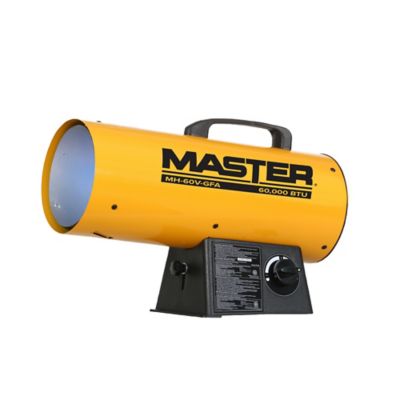
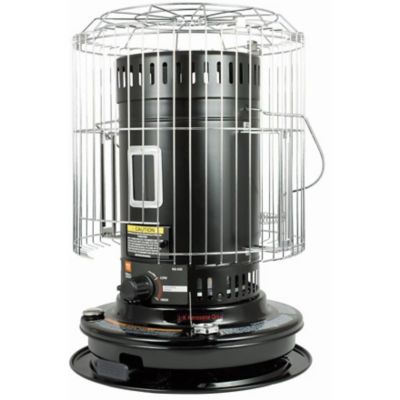
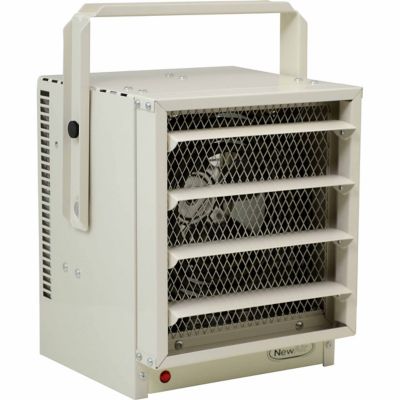
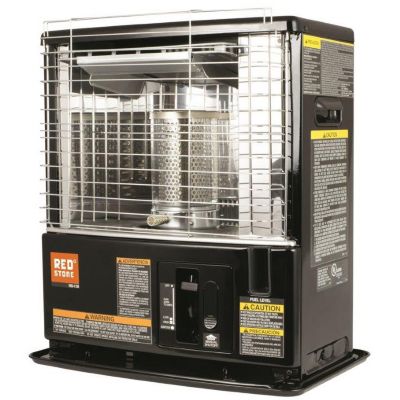
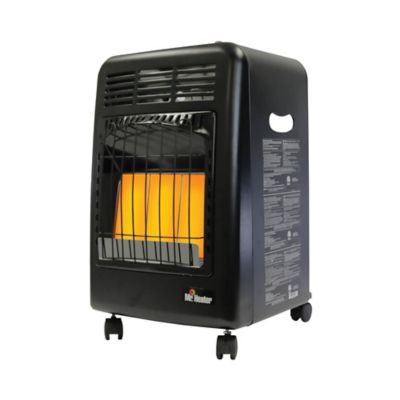
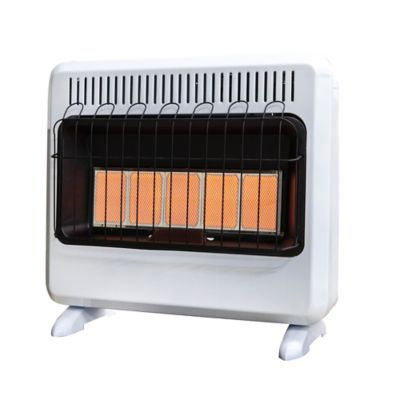
Infrared heaters for garages provide radiant heat that warms people and surfaces in their path rather than relying mainly on warming the surrounding air. That makes them a practical option for a workbench, a repair bay, or the spot where a pickup gets its Saturday maintenance. The warmth can feel much like sunshine on a cold day, though how quickly it reaches a comfortable level depends on the heater’s design, output, and distance from the work area. Instead of trying to bring every corner of a tall garage to the same temperature, a radiant heater can put warmth where the work happens. That distinction matters in a building with a large overhead door, since warm air escapes whenever the door opens. Heated surfaces can retain some warmth through those door openings, but drafts and heat loss still affect comfort. Infrared heating also depends on a clear path between the heater and the target area. A truck hood, tall storage cabinet, or stack of feed sacks can block the heat from reaching someone on the other side. Wall-mounted and ceiling-mounted designs keep floor space open, while portable configurations can suit changing work locations when their placement and electrical requirements allow it. Fan-free designs deliver warmth without a steady draft across the bench, although some infrared heaters include fans, and sound levels vary. Steel housings, aluminum components, protective grilles, and reflectors are common construction details, with the exact materials depending on the design. Reflectors help direct radiant energy toward the intended area, while mounting hardware supports the heater at its specified angle. For someone sorting bolts, checking mower belts, or working through a small engine repair, a well-positioned heater can make a stationary task more comfortable without promising even temperatures throughout the entire building. Spot warmth, however, is not the same as freeze protection for plumbing or temperature control for everything stored in the garage.
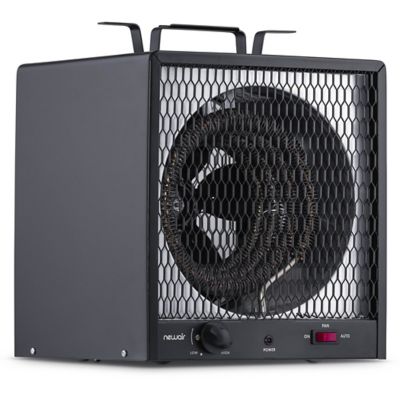
The right fit for a garage involves more than floor area alone. Ceiling height, insulation, door seals, exposed exterior walls, and the distance between the heater and the workbench all influence the results. A square-foot coverage figure is a starting point, not a promise that an open pole building and an insulated attached garage will feel alike. Wattage describes electrical input, while heat output may also appear in BTU per hour; neither number replaces the mounting and coverage information supplied with the equipment. Plug-in electric infrared heaters may operate on 120-volt service, provided the receptacle and circuit meet their requirements. Higher-output designs may call for 240-volt service, a dedicated circuit, or a hardwired connection. A receptacle that looks close enough is not a substitute for the specified voltage, amperage, grounding, and connection type. A qualified electrician can assess the building’s wiring and complete any necessary electrical installation. For a garage with suitable gas service,
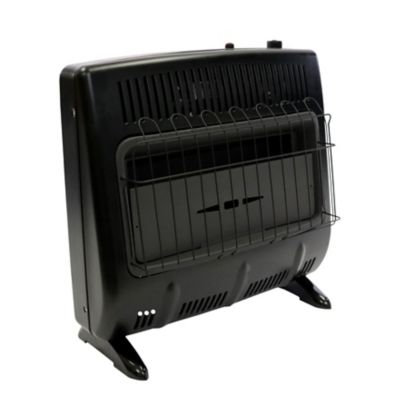
natural gas heaters for garages offer another heating option, with combustion-air, ventilation, venting, and installation requirements determined by the equipment and local codes. Electric infrared heat does not create combustion exhaust at the heater, but that does not eliminate the ventilation needs of engines, solvents, or other garage activities. Physical fit deserves just as much attention as the power source. An overhead heater needs the specified clearance from the ceiling, walls, stored materials, and anything beneath it. Garage door tracks, opener rails, raised doors, vehicle roof racks, and tall equipment can all affect placement. Mounting height and angle also shape the heated area: a heater aimed at an empty aisle will not offer the same comfort as one positioned for the bench where someone spends an hour rebuilding a carburetor. Controls within easy reach, compatible thermostats, and appropriate timers can make everyday operation simpler, but control options vary. Thermostat response also depends on sensor location, so radiant warmth at the bench may feel different from the air temperature measured elsewhere.
Garage conditions call for attention to the heater’s construction, operating limits, and care requirements. A housing suited to an enclosed, dry workspace is not automatically suitable for a damp wash bay, an exposed carport, or a building where rain can blow through an open side. Indoor and outdoor ratings, moisture protection, and permitted mounting positions establish where a heater belongs. Finish condition and corrosion resistance matter in spaces where damp boots, melting snow, or humidity are part of the routine, but no finish makes every heater appropriate for every setting. Dust is another everyday concern around equipment sheds and home shops. Fine sawdust, loose hay, grain dust, gasoline, aerosol sprays, and solvent vapors can create fire hazards, so heaters need separation from combustible materials and must not operate in hazardous atmospheres unless specifically rated for them. Protective grilles help limit accidental contact, but radiant elements, reflectors, and nearby surfaces can still become hot. Children, pets, and anyone moving long boards or equipment through the garage need room to pass without touching the heater or knocking it out of position. Tip-over shutoffs on portable designs and overheat protection add safeguards where provided, but they do not replace proper placement or supervision. Plug-in heaters belong in the specified wall receptacle, not a power strip. Routine care generally means shutting the heater down, disconnecting power as directed, allowing it to cool completely, and removing dust according to its care instructions. Clean reflectors and unobstructed grilles help the equipment operate as intended; abrasive cleaners or improvised repairs can damage components. Gas equipment also needs the inspections and service outlined by its manufacturer. With the right installation and sensible care, infrared garage heating can support everything from evening tractor maintenance to weekend tinkering, keeping warmth near the job while leaving room for tools, vehicles, and the next chore.