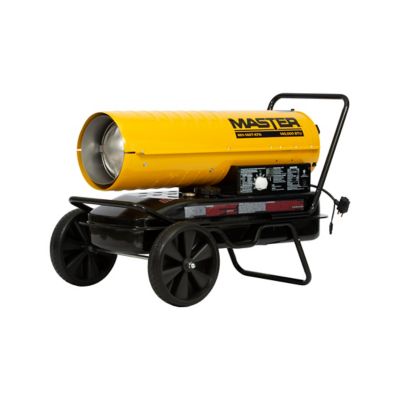
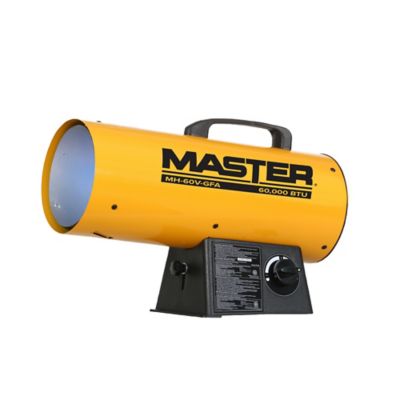
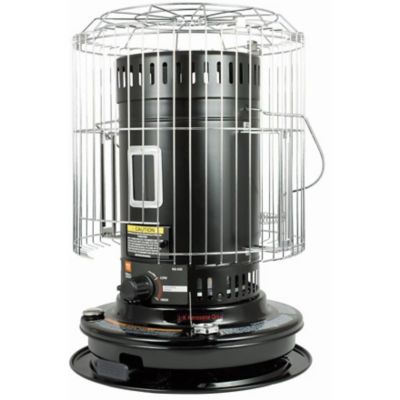
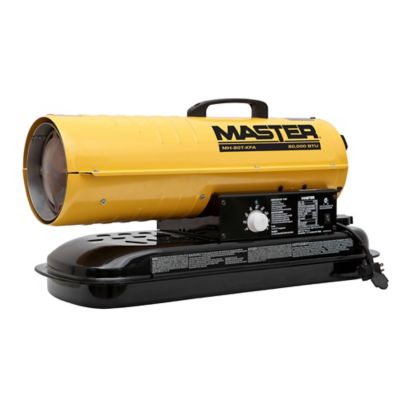
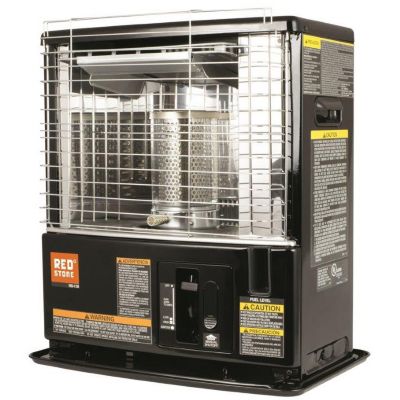
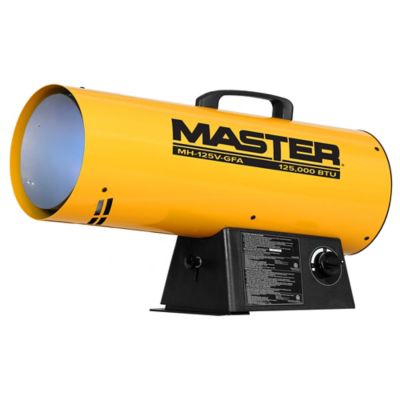
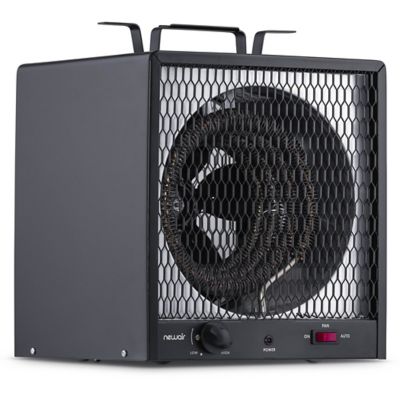
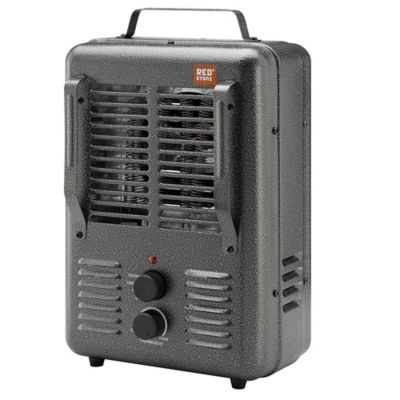
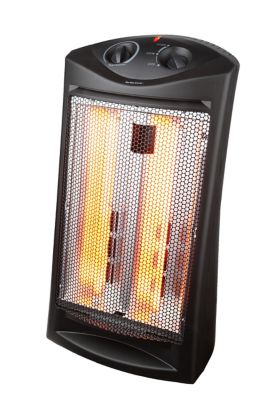
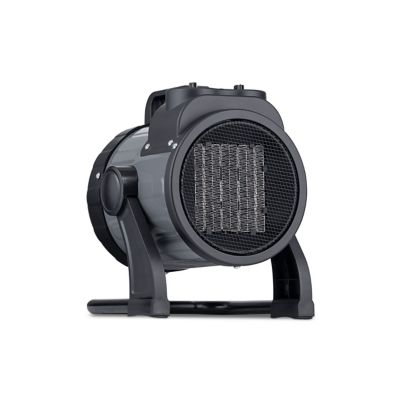
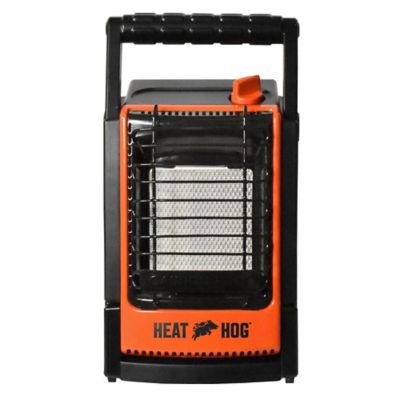
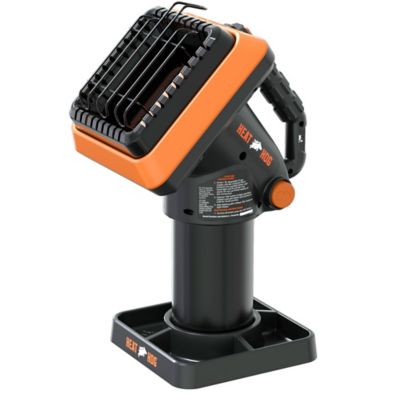
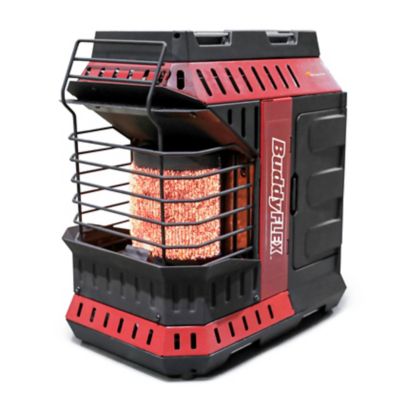
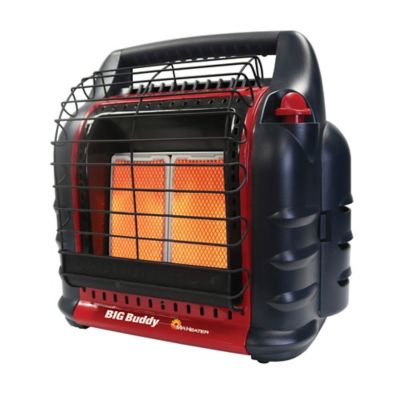
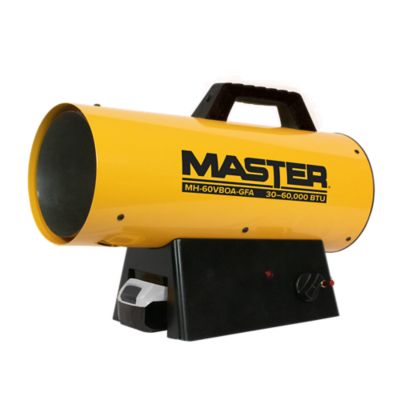
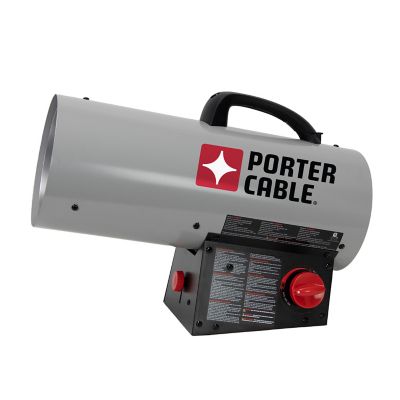
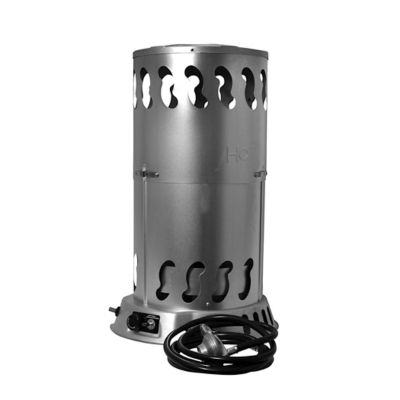
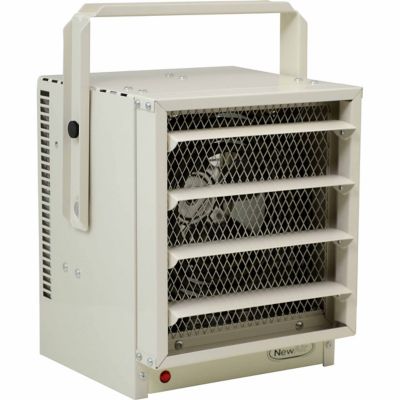
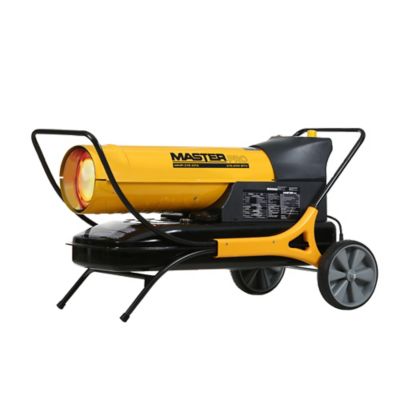
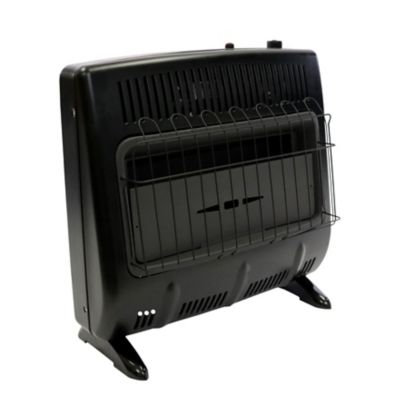
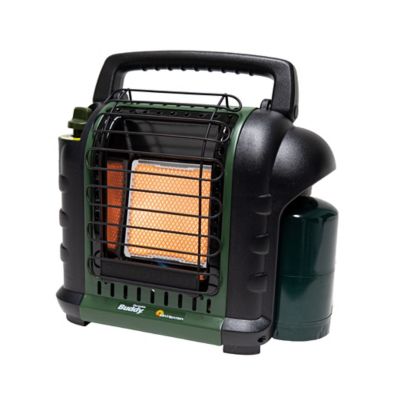
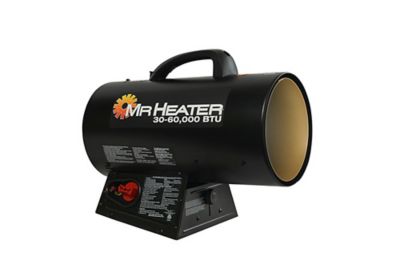
Portable heaters for garages provide movable heat for work areas where a central heating system may not reach, from a single-car garage with a tool bench to a larger shop with room for equipment repairs. The main types include electric fan-forced heaters, electric radiant heaters and fuel-burning heaters powered by propane or kerosene. Each delivers warmth differently, so the right fit depends on the space, the work happening there and the power or fuel connection. A fan-forced heater moves warm air across an area, while a radiant heater directs energy toward people and surfaces in its path. That direct warmth can feel welcome beside a workbench, though shelving, equipment and other obstacles can block it. Oil-filled electric radiators provide a quieter form of heat without a blower, but they take time to warm up and are generally better suited to steady heating in an enclosed, suitable space than to quick warm-ups beside an open garage door. Heating output appears in watts for electric models and often in British thermal units per hour, or BTU/h, for fuel-burning models. A 1,500-watt electric heater produces about 5,100 BTU/h, giving shoppers a useful comparison between those ratings. Output alone does not tell the whole story, though. Insulation, ceiling height, air leaks and how often the overhead door opens all affect how much warmth stays in the garage. A snug, insulated workspace asks less of a heater than a drafty building with exposed rafters. Square-footage ratings are a starting point rather than a promise, especially in tall or poorly insulated garages. For someone sharpening mower blades at a bench, focused warmth may make more sense than heating every corner. For longer repair jobs that involve moving between a toolbox, parts shelf and worktable, broader air circulation may be a better match. The heater’s intended setting matters, too: a household space heater is not automatically suitable for a garage or workshop.
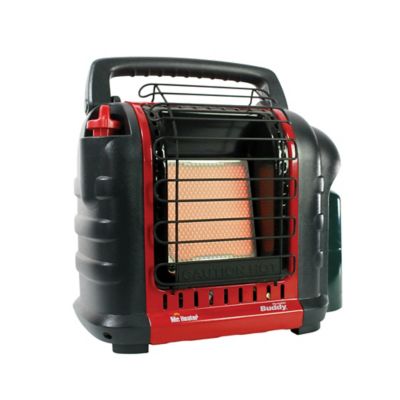
Electric garage heaters offer heat without an on-site combustion flame or fuel tank, making them a practical category for spaces with the proper electrical supply. Many smaller designs operate on 120-volt power, while higher-output models may require 240 volts, a dedicated circuit or professional installation. Voltage, amperage and connection type need to match the heater’s specifications; a receptacle’s appearance alone does not confirm that the circuit can support the load. Sharing a circuit with a compressor, power saw or other equipment can overload it. Portable electric heaters should connect directly to a suitable wall receptacle according to their instructions, not through a power strip or extension cord. Propane and kerosene heaters bring a different set of considerations, including fuel storage, combustion emissions and required ventilation. Some deliver radiant heat, while forced-air designs push heated air through a larger work area. Only equipment specifically approved for the intended garage setting belongs there; an outdoor-only heater does not become safe indoors because a door is cracked open. Fuel-burning heaters require the fresh-air supply and clearances stated by the manufacturer, along with compliance with local rules. Working carbon monoxide alarms are important wherever combustion equipment makes them necessary, but alarms do not replace ventilation or proper operation. Unvented fuel-burning heaters also release moisture, which can contribute to condensation on cold windows, tools and metal surfaces. Some propane and kerosene models need electricity for a fan or ignition, so the fuel type alone does not establish whether a heater can run during an outage. Fuel compatibility matters just as much as output: the specified fuel, regulator, hose and tank arrangement must match the heater. Refueling belongs outdoors with the heater shut down and fully cooled, following its instructions. Garages often hold gasoline, solvents and other flammable materials, so any heating choice needs a suitable location away from those hazards. A heater is not appropriate around flammable vapors or combustible dust, including during spray finishing or similar work.
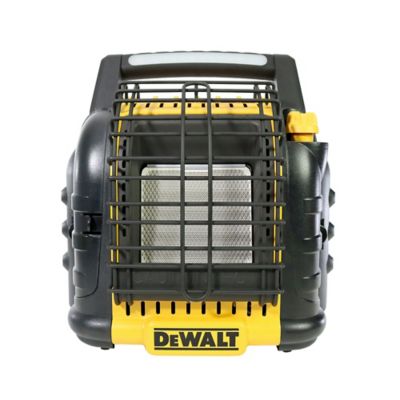
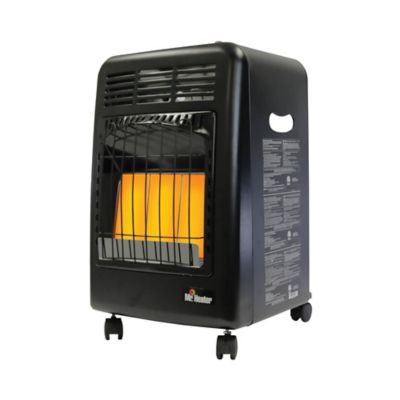
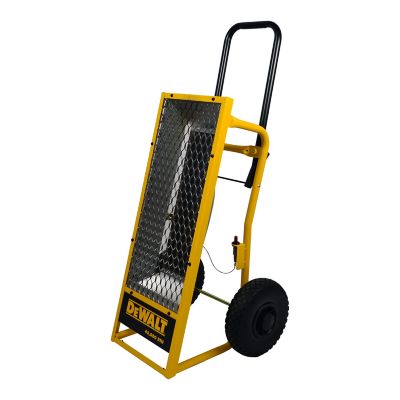
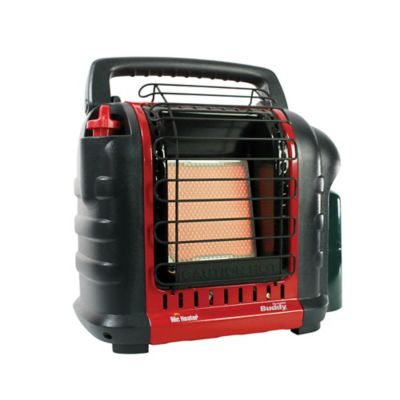
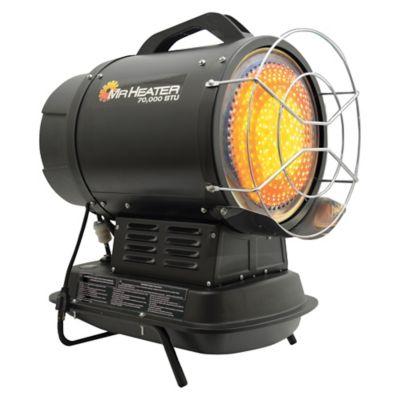
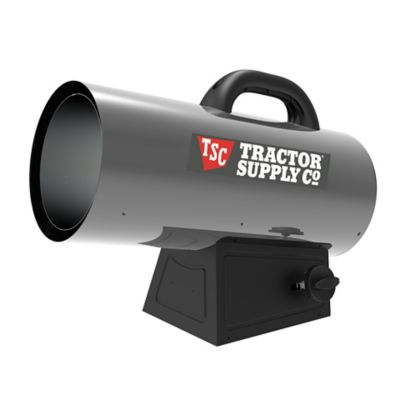
The physical design of a portable garage heater makes a difference when the floor holds muddy boots, rolling toolboxes and a project that takes up more room than expected. Within the broader range of
Garage Space Heaters, portable designs emphasize placement flexibility through features such as carrying handles, compact housings or wheeled bases. Steel housings and protective grilles can help shield internal parts from incidental contact, while a broad, stable base helps keep the unit upright on a firm, level surface. Portability does not mean a heater can sit anywhere: safe clearances include the space above, behind and beside it, not just the path in front of the heat outlet. A small footprint still needs breathing room away from cardboard boxes, coats, lumber and stored feed bags. Controls that are easy to read, a thermostat suited to the task and a fan setting that fits the space can make everyday operation simpler. Tip-over shutoff and overheat protection are useful features to compare, although neither replaces attentive operation. Noise matters for anyone listening for a change in an engine part, talking across a bench or spending several hours on detail work; blower-driven heaters generally sound different from designs without a fan. Care needs vary with the heating system, but clear air inlets, unobstructed outlets and clean exterior surfaces support proper operation. Cleaning, inspection and moving should wait until the heater is off, disconnected as directed and fully cool. Damaged cords, loose plugs, worn hoses or signs of a fuel leak call for taking the heater out of service rather than working around the problem. Moisture exposure also matters, so damp locations require equipment specifically rated for those conditions. For farm owners maintaining small equipment, home mechanics tackling repairs or anyone keeping a garage workbench busy, a portable heater works best as part of a thoughtfully arranged workspace. Matching its heating style, construction and operating requirements to that space helps keep warmth where the work happens without letting cords, fuel connections or hot surfaces get in the way.