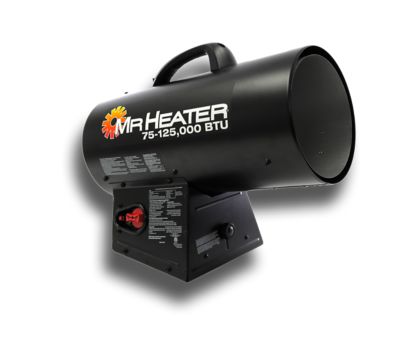
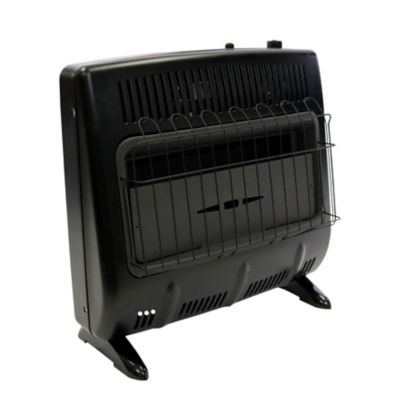
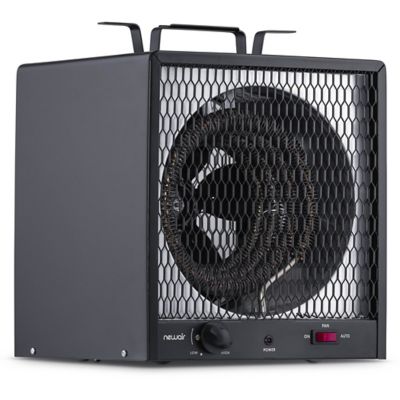
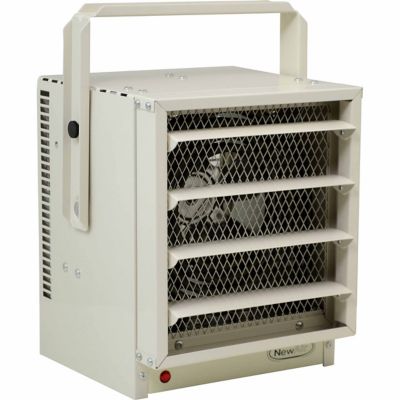
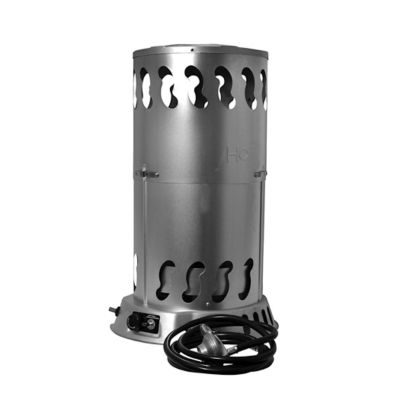
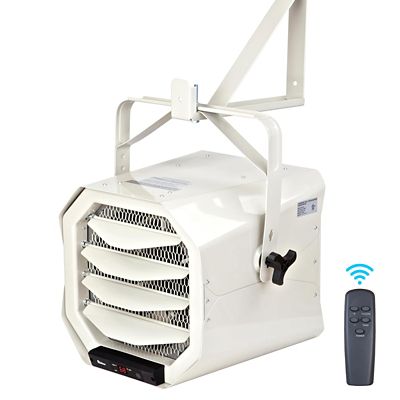
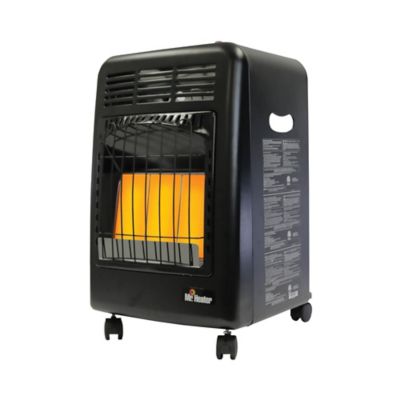
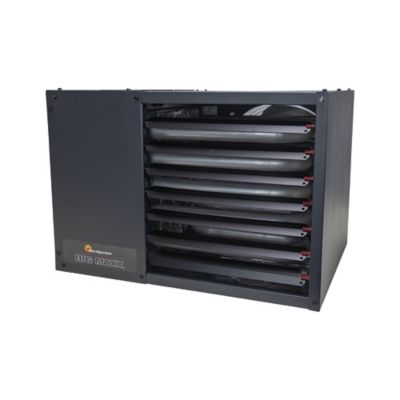
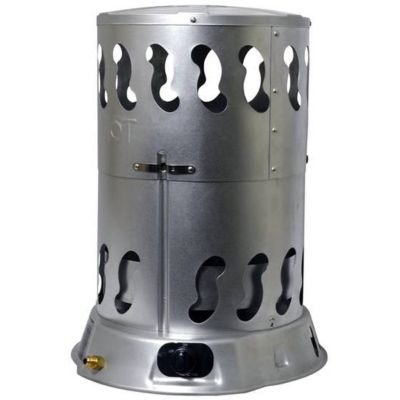
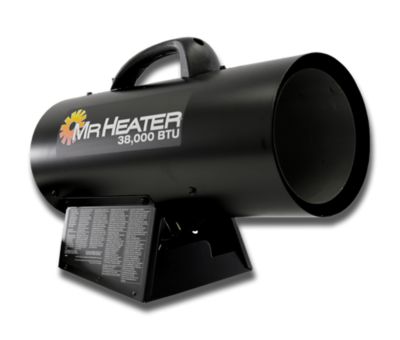
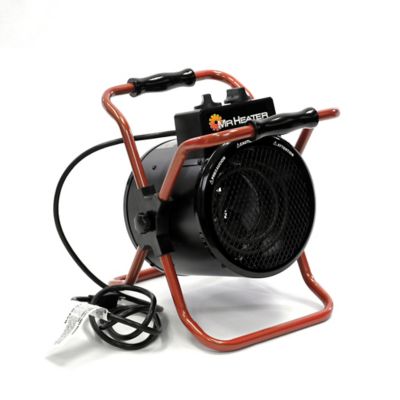
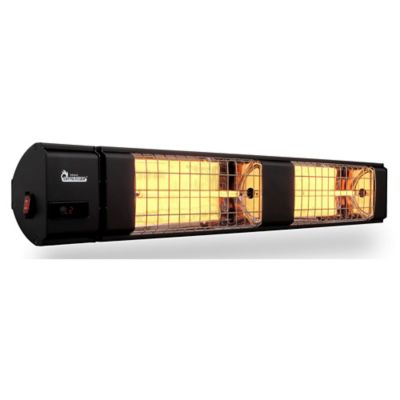
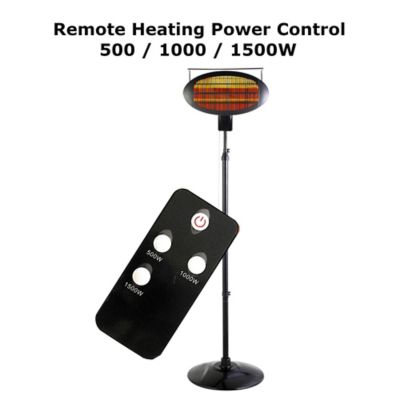
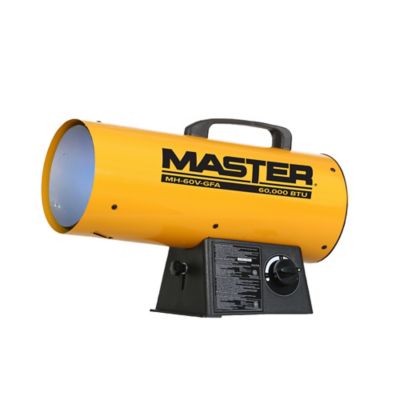
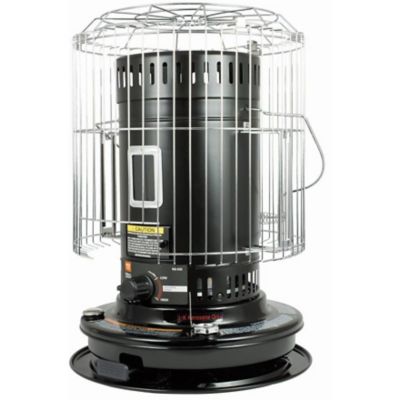
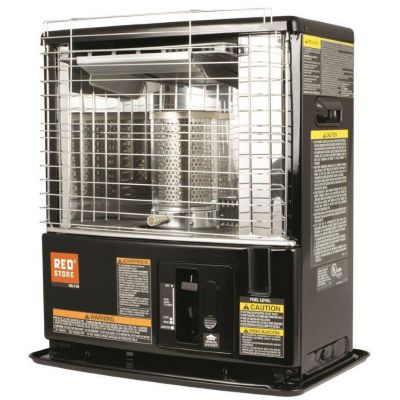
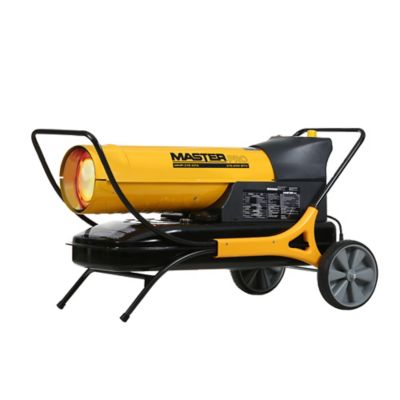
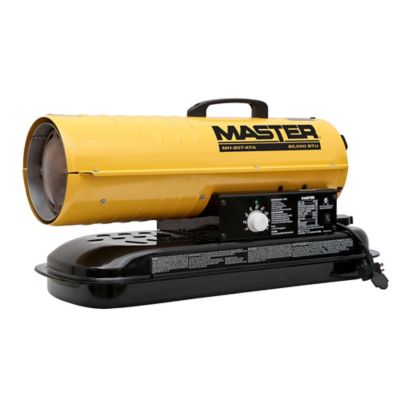
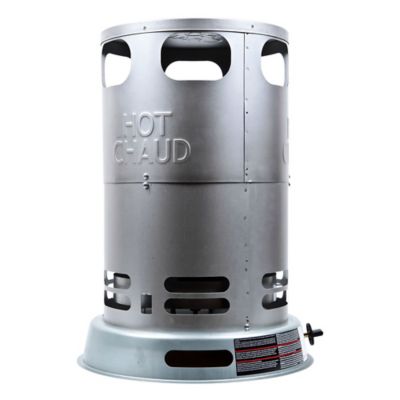
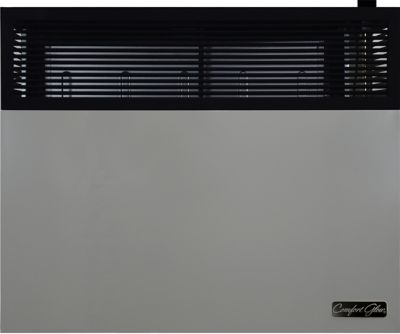
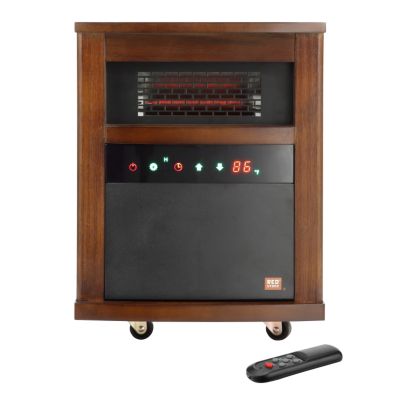
Garage space heaters bring warmth to the places where cold weather chores don’t stop: the workbench beside the pickup, the corner where mower blades get sharpened, or the open floor where equipment gets a little attention before the next job. The right heating setup depends on the building as much as the work happening inside it. An insulated garage with a snug overhead door holds heat differently than a drafty outbuilding with exposed rafters, and a heater meant to take the chill off one workstation serves a different purpose than a system intended to warm the whole room. Electric forced-air garage heaters move air across a heating element and circulate it with a fan, making them a practical fit for enclosed, insulated spaces with suitable electrical service. Radiant and infrared heaters deliver heat directly to people and surfaces in their path, which can make a stationary bench or seating area more comfortable without first warming all the surrounding air. Propane forced-air heaters can deliver substantial heat for larger work areas, but fuel-burning equipment requires particular attention to its approved operating location, ventilation, and clearance requirements. These heater types aren’t interchangeable, even when their stated coverage looks similar. For garages with a gas supply and plans for a permanent installation,
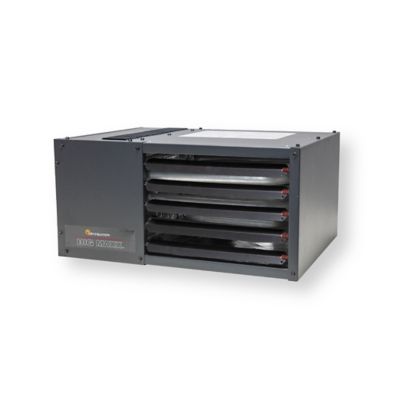
natural gas heaters for garages offer another category to consider, with installation requirements that depend on the appliance and local codes. Portable heaters suit occasional tasks and changing work locations, while wall-mounted and ceiling-mounted garage heaters keep floor space open around tool chests, parked vehicles, and storage shelves. Someone spending an afternoon repairing a gate hinge may want warmth concentrated near the bench; someone maintaining equipment throughout the cooler months may prefer steady room heat. That difference in intended use matters more than choosing the largest heater that fits in the building.
Heating capacity, power supply, and physical fit help separate a workable garage heater from one that struggles with the space. Electric heater output is commonly listed in watts, while gas heater ratings often appear in British thermal units per hour, or BTU/h. Those numbers describe capacity, but square-foot coverage estimates need context: ceiling height, insulation, outdoor temperature, air leakage, and the desired indoor temperature all affect heating needs. A tall garage with an uninsulated metal door can lose heat quickly, especially when the door opens repeatedly to move equipment. A smaller, finished garage may hold a comfortable temperature with far less output. Higher-wattage electric garage heaters often require a dedicated 240-volt circuit, and hardwired models need an installation that matches the manufacturer’s electrical requirements and local code. A familiar-looking receptacle alone doesn’t establish that a circuit can support a heater. Portable 120-volt electric heaters generally provide more limited output and may be better suited to a smaller enclosed space or supplemental warmth than an entire cold, drafty garage. Thermostats, adjustable heat settings, and fan controls can help match operation to the task, although the heater’s sensing location affects how closely its setting reflects the temperature at the workbench. Adjustable louvers can direct heated air toward an open work area, while mounting height and discharge direction influence how warmth spreads through the room. Fan sound also deserves attention in a garage that doubles as an exercise space or a place for quiet bench work. Radiant heat offers a different feel, but its reach depends on placement and an unobstructed path; a parked truck or tall cabinet can block warmth from reaching the intended spot. Floor footprint, cord reach, and access to controls matter in a crowded single-bay garage. For mounted equipment, enough room around doors, tracks, shelving, and stored materials is just as important as the heater’s dimensions. A suitable setup leaves normal walking routes clear and keeps routine work from crowding the appliance.
Garage conditions call for heater construction and care that suit a working space rather than a spare bedroom. Metal housings, protective grilles, stable bases, secure mounting brackets, and well-protected controls are useful features to compare, along with the manufacturer’s stated operating environment. A metal case alone doesn’t mean a heater can tolerate water, heavy dust, or corrosive conditions. Garages often bring together tracked-in moisture, sawdust, airborne debris, and containers of fuel or solvents, so an appliance’s location and restrictions deserve close attention. Ordinary space heaters don’t belong where gasoline vapors, flammable finishes, or combustible dust may be present, and warming a garage doesn’t make it safe to run a vehicle engine indoors. Electric heaters produce no combustion exhaust at the point of use, but they still need the specified clearances from lumber, cardboard, clothing, and other materials. Portable electric models generally belong directly in a suitable wall outlet rather than on a power strip or extension cord, following the appliance instructions. Overheat protection and tip-over shutoffs, where included, add safeguards without replacing careful placement or supervision. Fuel-burning garage heaters require the ventilation or venting specified for the particular model; an open door by itself is not proof of safe operation. Carbon monoxide alarms provide an additional warning layer, not a substitute for correct installation and ventilation. Fuel cylinders also have storage and placement requirements that must match the heater instructions and applicable rules. Ongoing care is usually straightforward but important: after shutdown and cooling, accessible grilles and air intakes need attention according to the manual so accumulated dust doesn’t restrict airflow. Cords, plugs, hoses, connections, and mounting hardware warrant regular checks, with damage addressed before operation. Filters, if fitted, and fuel-burning components may require additional maintenance or professional service. Easy access for cleaning helps when the heater shares space with a busy bench and a season’s worth of projects. For equipment owners, home mechanics, and folks who enjoy working with their hands, a garage heater matched to the building can make those hours more comfortable while leaving room to get the job done.