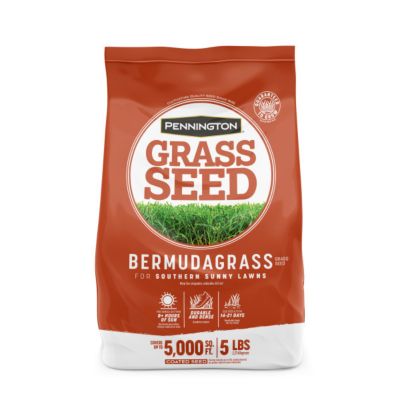
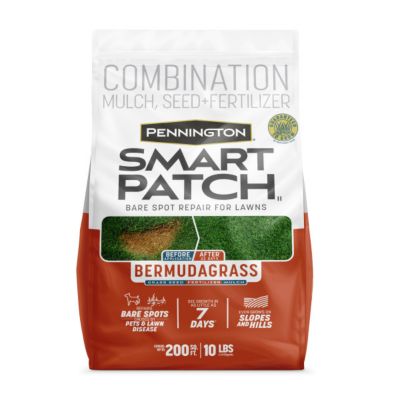
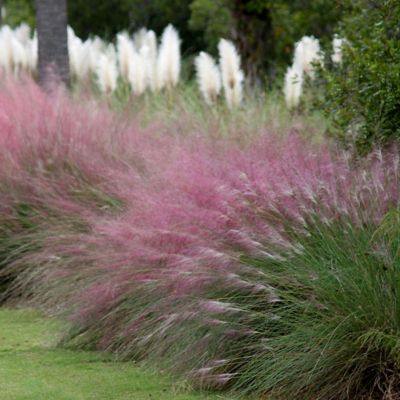
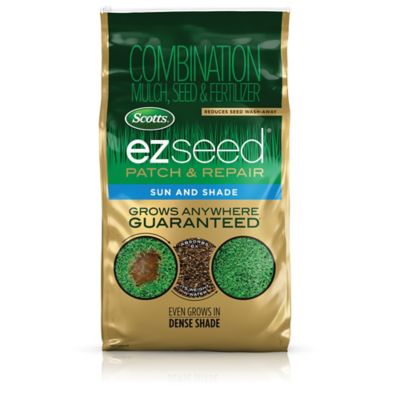
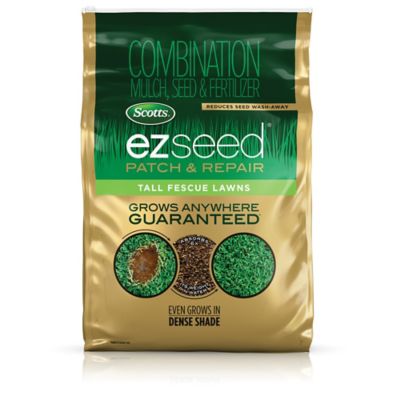
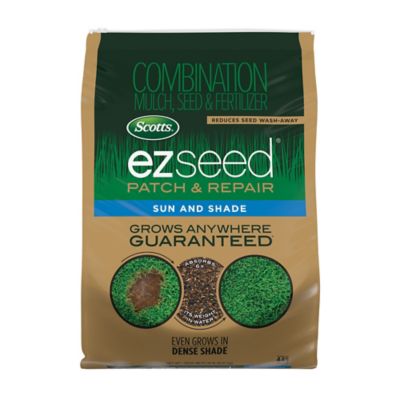
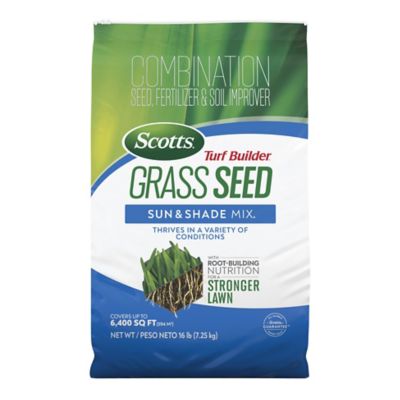
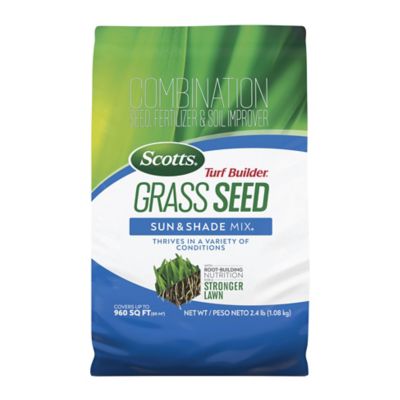
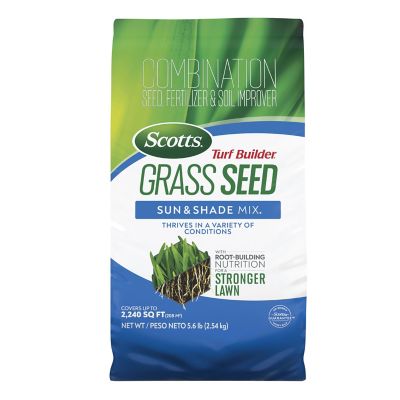
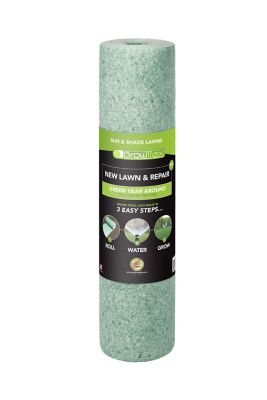
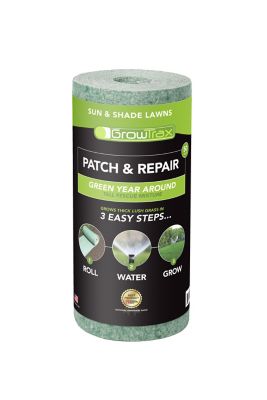
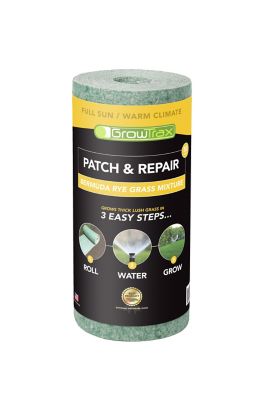
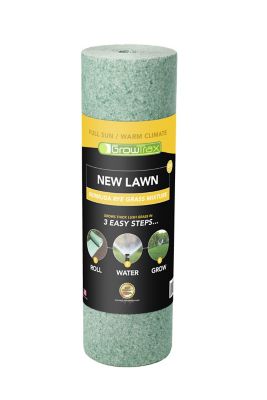
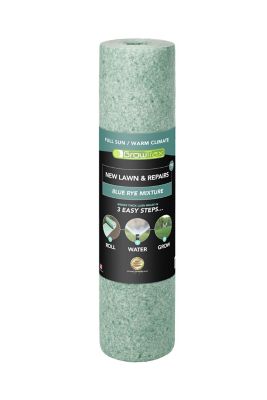
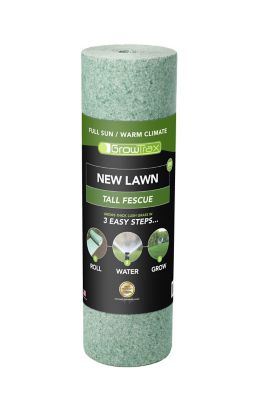
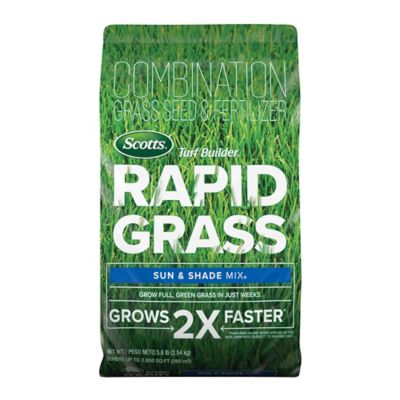
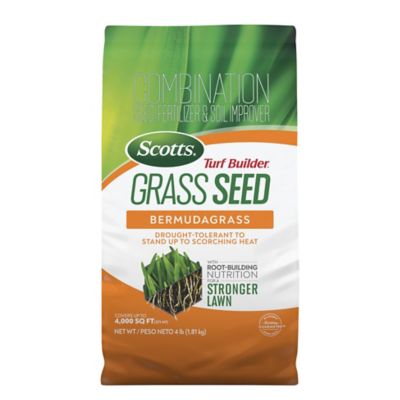
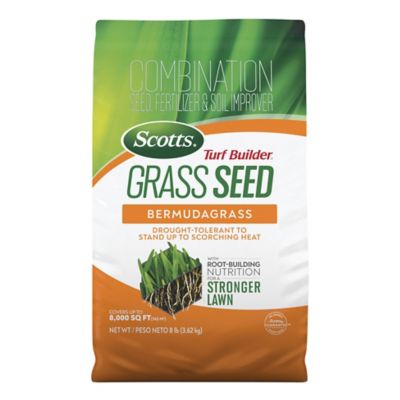
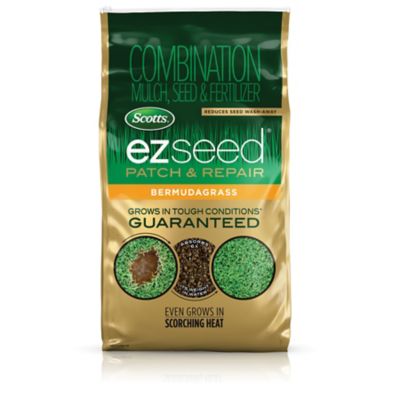
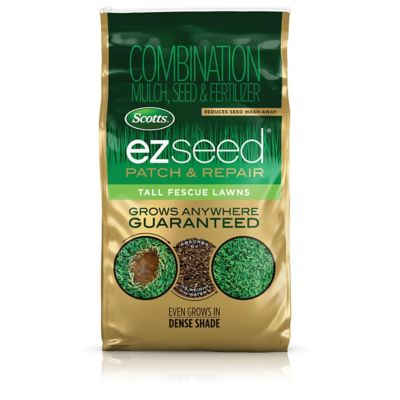
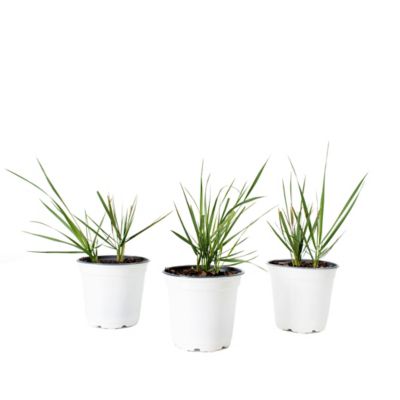
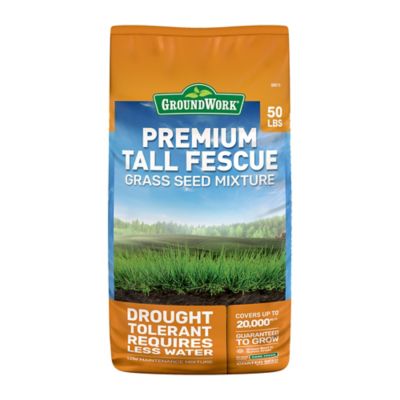
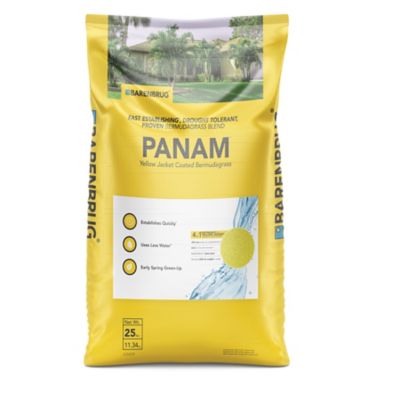
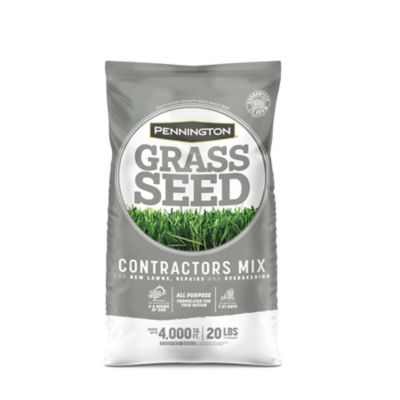
If you’re looking to bring out the best in your yard or pasture during the long, sunny days, full sun grasses are a solid choice for anyone who’s got plenty of open sky overhead. These grasses are bred to thrive where the sun beats down for six hours or more each day, standing up to the heat and putting on a show with their lush blades and plumes. Whether you’re hoping to add some privacy along a fence line, create a soft border by the driveway, or just want to fill in a patchy lawn with something that can handle the summer rays, there’s a full sun grass out there that’ll fit the bill. Folks with larger properties often use these grasses for erosion control on slopes or to add a bit of wild, natural beauty to fields and meadows. Some of the taller varieties can even serve as a windbreak, helping to protect gardens or livestock from the strongest gusts that roll through. And if you’ve ever seen the way ornamental grasses catch the light at sunset or sway in a late summer breeze, you know they bring a whole lot of charm to any landscape.
Full sun grasses aren’t just for folks maintaining big spreads, either—they’re a great fit for anyone who wants low-maintenance color and movement in their yard. Many varieties are drought-tolerant once established, so you won’t be chained to a hose all summer. These grasses can be a thoughtful gift for someone who’s just moved to the country or is looking to spruce up a new homestead, especially if they’re the type who loves to watch birds and butterflies flit through the garden. When picking out the right grass, it helps to think about your goals: Do you want something tall and dramatic for privacy, or a neat, compact clump for edging a walkway? Are you after bold fall color, or soft, feathery plumes that last through the cooler months? It’s also smart to keep your local climate in mind, since some grasses handle cold snaps better than others. And if you’ve got livestock or pets roaming around, take a look at which varieties are safe and non-toxic for animal friends. For those who like to keep things looking tidy, many sun-loving grasses hold up well through the seasons with just a quick trim or a bit of raking in late winter.
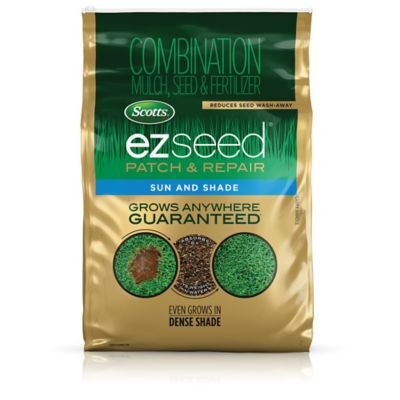
No matter what you’re after, choosing the right full sun grass can make a world of difference in how your place looks and feels as the weather shifts from warm to cool. From the silvery-blue tufts of fescue to the bold, upright stalks of switchgrass, these plants bring texture, color, and movement that lasts well into fall. They’re also a reliable pick for folks who want to spend less time mowing and more time enjoying the outdoors, whether you’re watching the kids play or just soaking up a quiet evening. If you’re looking to mix things up or fill in some shadier spots too, you might want to check out our selection of
Grass Seed for Sun and Shade for even more options to suit your place. With the right grass, you can count on a yard or pasture that looks good, holds up to the weather, and keeps your little corner of the world feeling just right all season long.