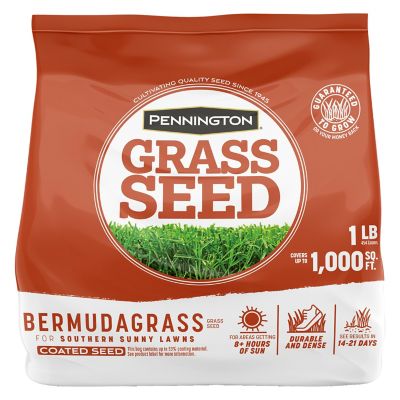
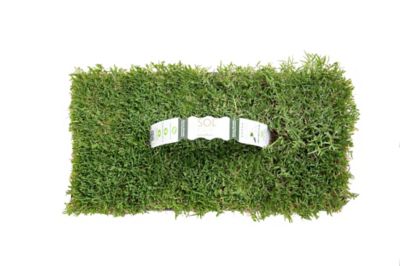
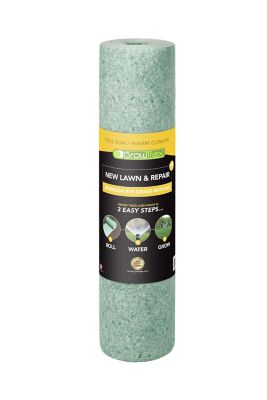
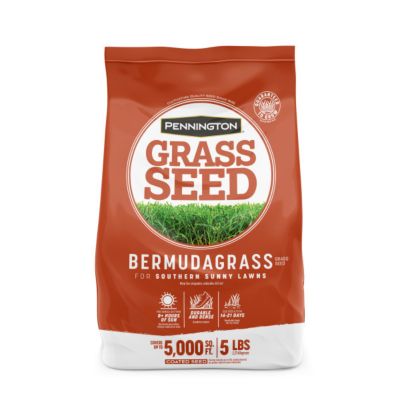
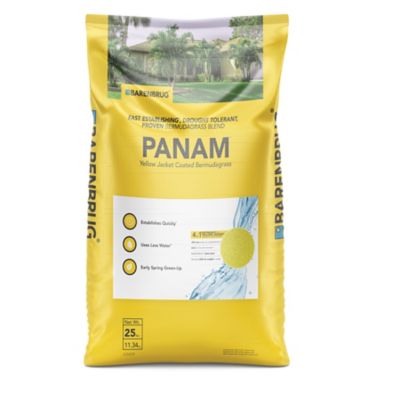
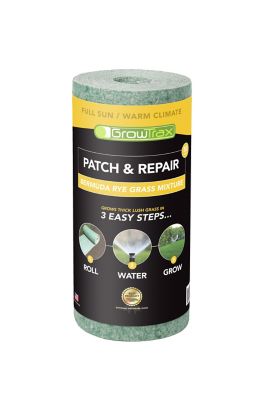
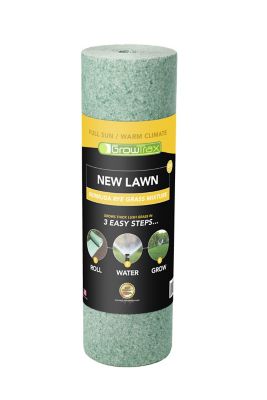
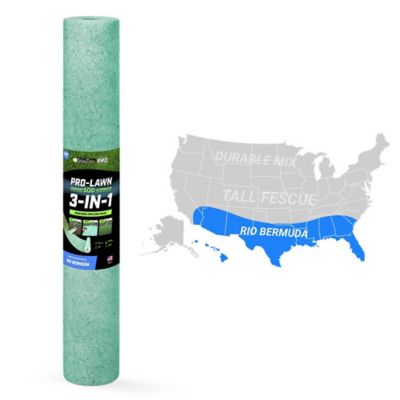
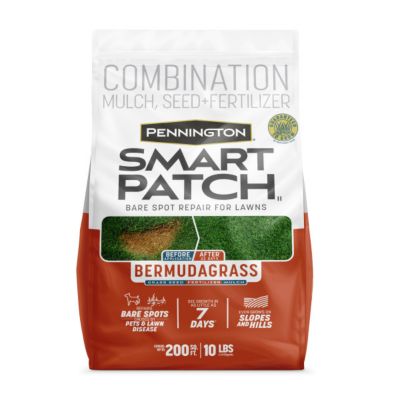
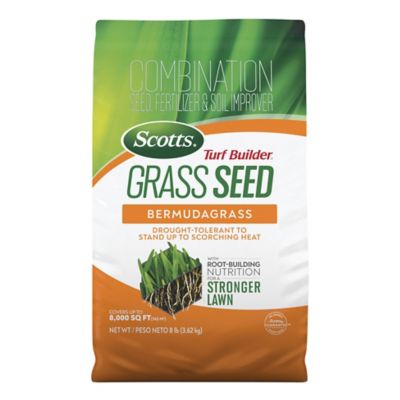
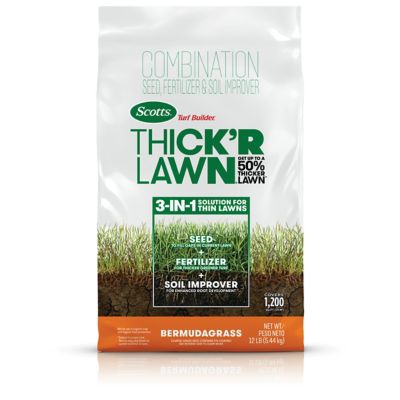
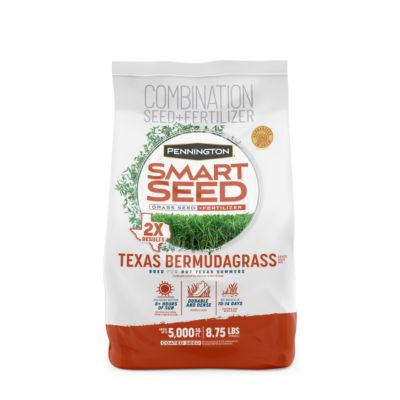
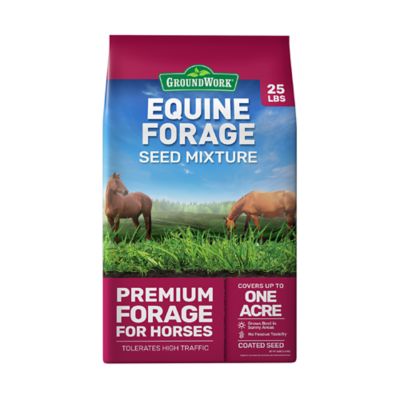
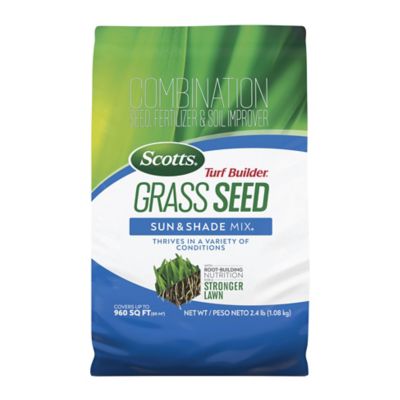
Bermuda grass is a warm-season lawn and pasture grass known for its fine blades, quick spread, and strong response to sunlight and heat. It is often chosen for open yards, play areas, paths around outbuildings, livestock spaces, and other ground where a close, green cover is wanted during the warmer part of the growing season. Depending on the product form, Bermuda grass may be established from seed, plugs, sprigs, or sod. Each option calls for a little different planning. Seed can cover a broad area and works well when the soil is prepared evenly, while plugs and sprigs can help place grass in specific sections that need to fill in over time. Sod provides an instant surface but requires close attention to watering while roots settle into the soil. When shopping, consider the size of the area, the amount of sunlight it receives, local growing conditions, and how much time can be given to watering and early care. Bermuda grass generally performs best in full sun and well-drained soil. Heavy shade, standing water, compacted ground, and cool conditions can slow establishment, so clearing the site and improving the planting surface before getting started can make a noticeable difference. A simple soil test can also point out whether lime or fertilizer is needed before planting, helping you avoid adding more than the ground calls for.
The name “grass” can cover several different plants, and regional names sometimes cause confusion. Bermuda grass is commonly associated with Cynodon dactylon and spreads through above-ground runners called stolons as well as underground stems called rhizomes. Common couch, also called quackgrass or twitch in some areas, is a different perennial grass weed, often identified as Elymus repens. It can spread quickly through white underground rhizomes and may show flat, dull green blades that feel rough to the touch. During summer, it can produce narrow flower spikes with small greenish or yellowish flowers. Couch can take water and nutrients from garden plants, crops, and desired lawn grasses, and even small pieces of rhizome left in the soil may grow again. Before buying or planting, check the plant name and growing information on the package so you know whether you are adding Bermuda grass or dealing with a spreading weed that needs removal. For couch or quackgrass in garden beds, careful digging with a garden fork is often more effective than shallow pulling because the goal is to lift the full white root system. Work through the soil slowly, remove visible pieces, and keep an eye on the area for new shoots. Thick mulch or a light-blocking barrier can also help smother unwanted growth, though persistent rhizomes may remain below the surface for a long time.
For anyone establishing Bermuda grass, preparation and follow-through matter more than rushing the job. Remove existing weeds, sticks, stones, and heavy thatch, then loosen compacted soil so roots have room to move. A smooth, firm seedbed is helpful for seed, while plugs and sprigs should sit in close contact with the soil rather than on loose clumps. Water lightly and often during establishment, keeping the surface from drying without leaving it soggy. As roots take hold, watering can become deeper and less frequent, encouraging the grass to reach farther into the soil. Mow only after the new growth is rooted well enough to stay in place, and avoid removing too much blade at once. Bermuda grass may turn brown or go dormant during cooler stretches, especially when temperatures drop and daylight fades; that change does not always mean the stand has failed. Limit heavy traffic while the grass is settling in, particularly around gates, driveways, and paths where feet, tires, or livestock can wear down young growth. These products can be a practical gift for a new landowner, someone repairing a bare stretch near the barn, or a homeowner working toward a more even yard. Gardeners who need to fill small open spots may also want to compare
Grass Plugs with seed or sod based on the size of the repair and the season. During cooler months, store unopened seed and planting materials in a dry place, keep labels with the product, and plan major planting for a period when soil temperatures and sunlight support active growth.