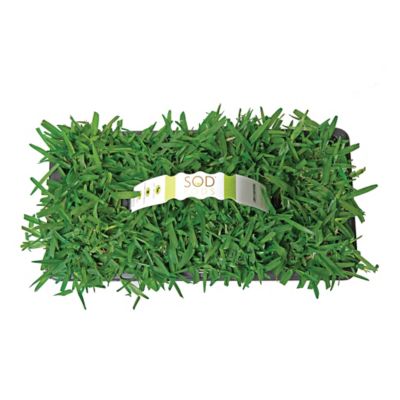
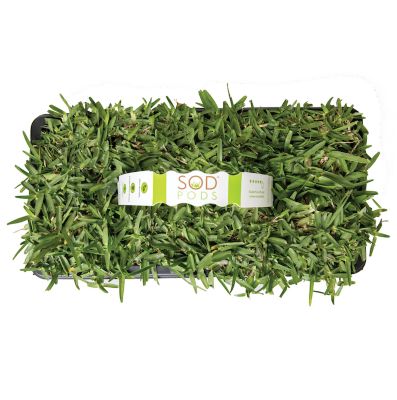
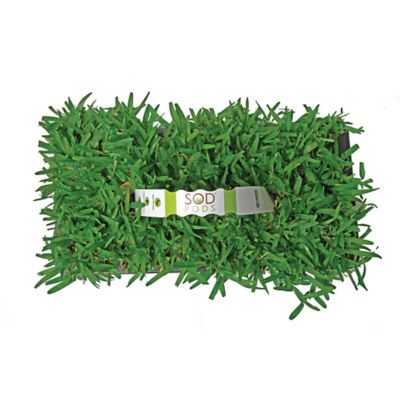
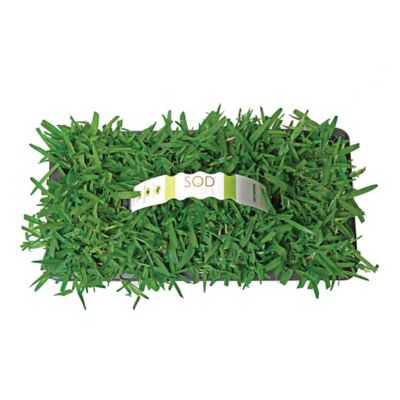
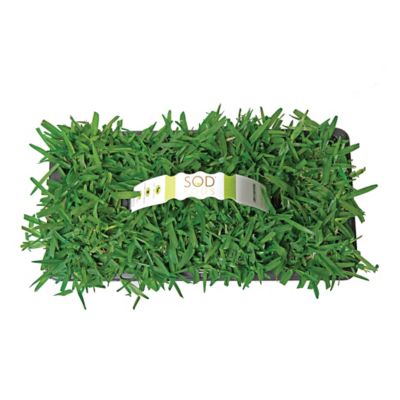
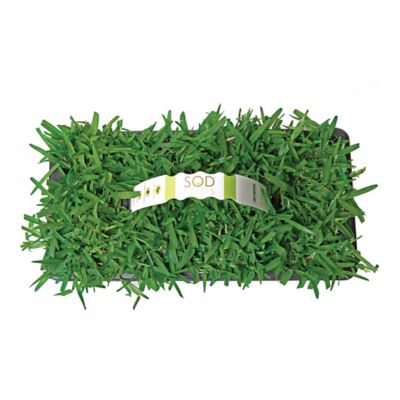
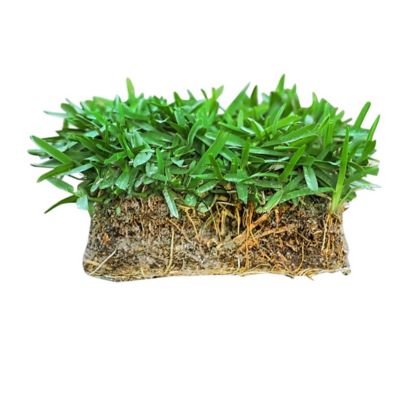
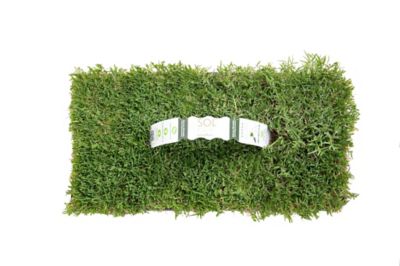
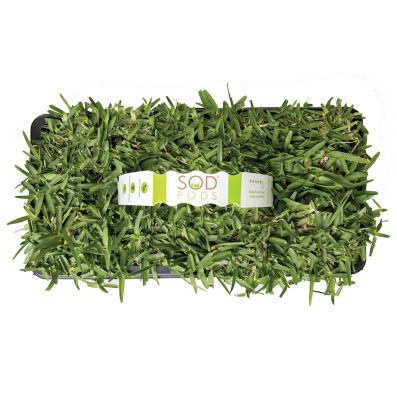
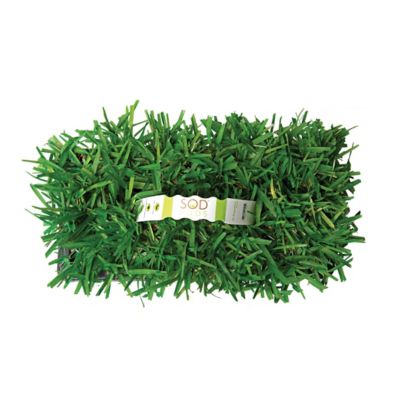
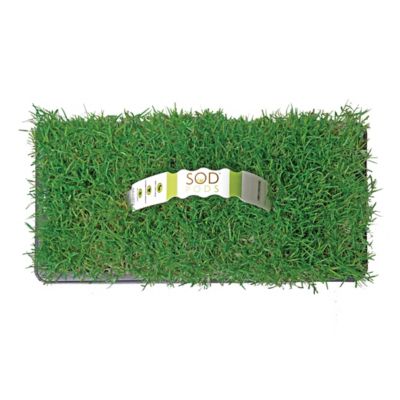
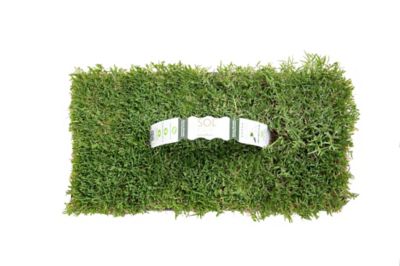
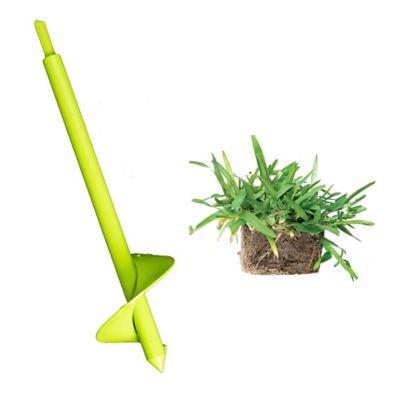
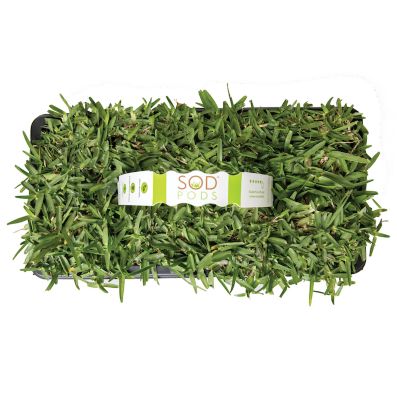
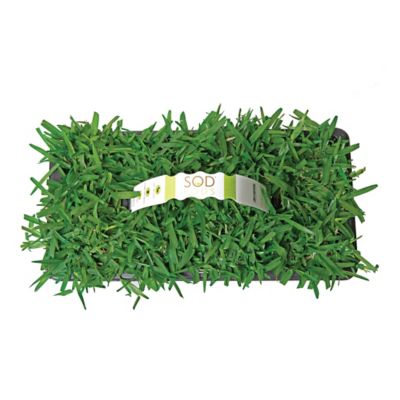
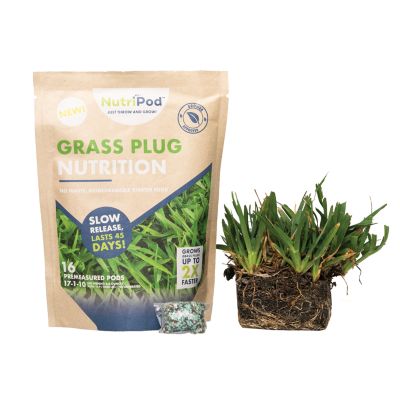
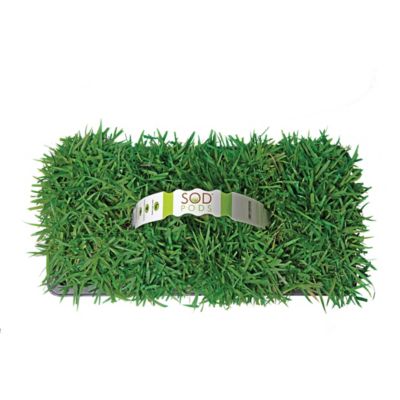
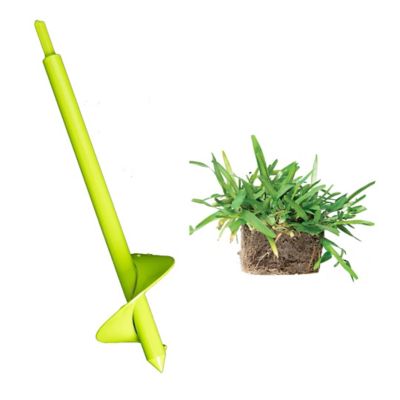
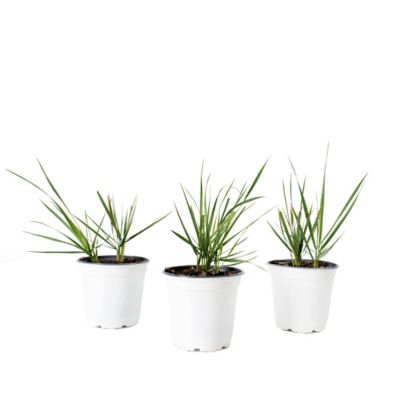
Grass plugs are small, rooted sections of living turf, often about 2 to 3 inches across, that fill bare spots or help establish a new lawn. Each plug includes grass blades and an established root system, usually held together by a little soil or growing medium. Once planted, the roots settle into the surrounding ground, while spreading grass varieties send runners into the open spaces between plugs. That makes grass plugs a practical option for a thin strip beside the driveway, scattered gaps in the front yard or a larger area where full sheets of sod are not the preferred approach. Unlike sod laid edge to edge, plugs leave exposed ground between planting points while the grass fills in. The finished coverage depends on the grass variety, spacing, soil conditions and ongoing care, so a plugged lawn develops gradually rather than arriving as an instant green carpet. For someone repairing an existing lawn, matching the grass already growing nearby helps the repaired section blend in as it thickens. For a new lawn, plugs offer a way to establish a chosen turf variety from living plants instead of seed. They can also suit smaller repairs around a walkway or along the edge of a patio, where fitting a large piece of sod might be awkward. Individual plugs are easy to position around irregular borders, though their eventual spread still needs room. A yard beside the barn, a front lawn along a gravel lane and a fenced backyard can all have different needs, even on the same property. Grass plugs belong in spaces intended for lawn turf; they are not a replacement for forage planting in a grazed pasture. Their value lies in establishing rooted starting points that can grow into connected turf when the grass and the site are a good match.
Choosing grass plugs starts with the kind of lawn they need to become. Bermudagrass, zoysiagrass and St. Augustinegrass differ in blade width, growth habits, color and tolerance for shade or foot traffic. Even varieties within the same grass species can look and perform differently. A broad-bladed grass may stand out against a fine-textured lawn long after the bare ground disappears, while a different shade of green can make a repair noticeable from the porch. Matching the existing turf matters for appearance, but the growing space matters just as much. An open yard with direct sunlight presents a different setting from a narrow lawn shaded by the house and mature trees. No grass plug can make up for a location that receives too little light for that variety. Drainage, compacted soil and the amount of daily foot traffic also affect how well the planting takes hold. A shortcut between the back door and the feed shed may need a walkway rather than repeated lawn repairs if boots keep crossing the same line. Where a lawn meets a flower bed or gravel drive, a grass variety’s spreading habit also affects the amount of edging needed later. Plug dimensions, root depth and the amount of growing medium around each plant help determine how the plugs fit into planting holes and make contact with the soil. Larger plugs begin with more plant material, but size alone does not determine the finished result. Spacing is another important product consideration: closer placement generally gives spreading grass less ground to cover, while wider placement leaves larger gaps to manage during establishment. A package’s plug count is not the same as a fixed amount of finished lawn coverage. Coverage estimates make sense only alongside the spacing recommendation and the growth habits of the grass. For larger projects, thinking in terms of the planting area, recommended spacing and access for watering gives a clearer picture than plug count alone.
Care for grass plugs centers on helping living roots connect with the surrounding soil. Because these are growing plants rather than dry seed, their condition before planting matters. Firmly rooted plugs with foliage appropriate to the variety provide a better starting point than plants with loose, broken root sections or signs of decay. Trays and other protective packaging help keep plugs separated and support the roots during handling, but they are not a long-term home for the grass. At planting, good soil contact helps prevent air pockets around the root ball, and the grass crown needs to sit at the proper level rather than being buried beneath loose soil. Those details are especially important along uneven ground, where a plug can otherwise end up perched above the surrounding surface. Moisture needs attention while roots extend beyond the original plug, but soggy soil can create problems of its own. A watering arrangement that reaches the whole planting area is more useful than one that soaks the nearest row and misses the far corner. Soil testing can help narrow the choice of
Grass Nutrients, rather than treating every thin spot as a fertilizer problem. Nutrient needs vary with the grass and the soil, and adding more fertilizer does not correct poor drainage, heavy shade or packed ground. Open spaces between plugs also leave room for weeds, so any lawn treatment needs to be labeled for the grass species and its stage of establishment. Regular play, mower turns and running dogs can loosen newly planted plugs before the roots anchor, making a little breathing room worthwhile. Mowing becomes part of routine care once the grass is rooted well enough to withstand it, with cutting height matched to the variety. For homeowners tending a small yard or acreage owners keeping the space around the house tidy, grass plugs offer a manageable way to work on lawn gaps without treating every patch as a whole-yard replacement. The best fit is a grass suited to the site, enough rooted plants for the intended spacing and a care routine that gives them room to knit together.