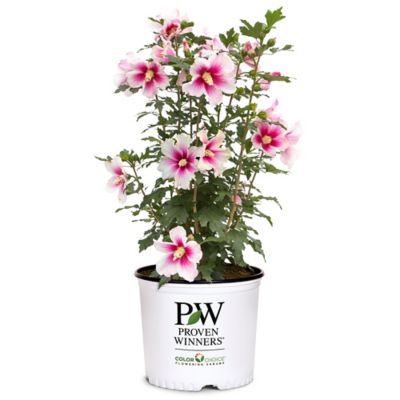
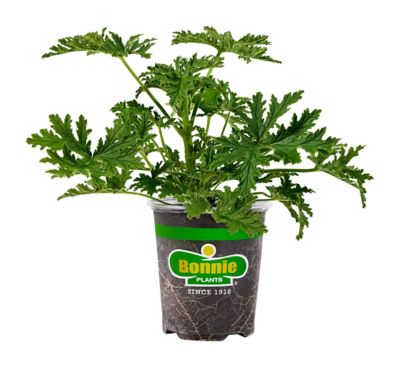
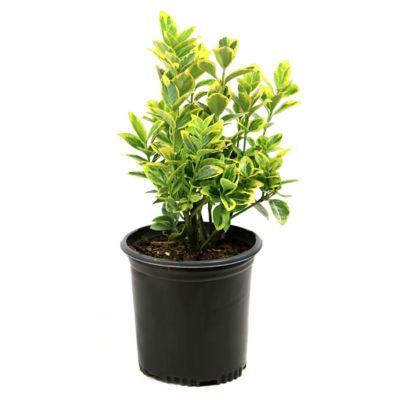
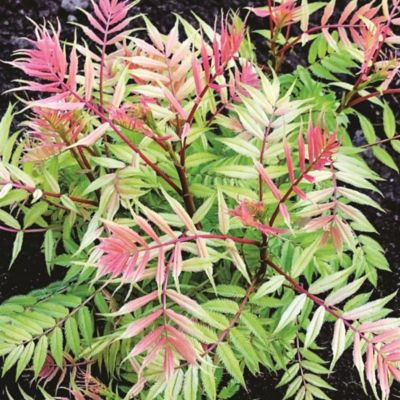
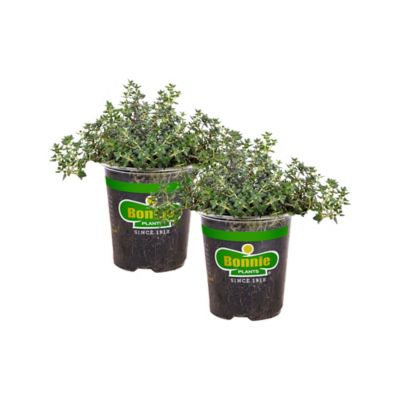
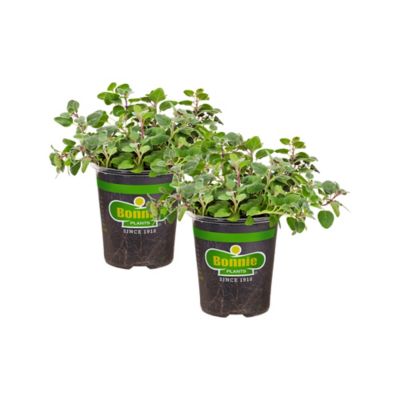
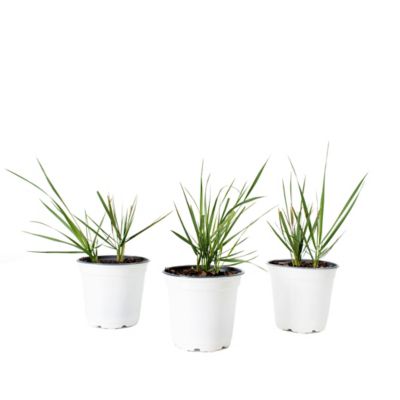
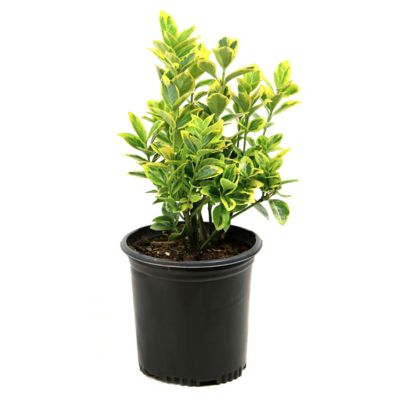
Perennial plants for full sun bring dependable color and texture to places that get six or more hours of direct sunlight through much of the day. Unlike annuals that need to be replaced each season, these hardy plants settle in, build stronger roots, and return year after year when they are matched with the right growing conditions. They can line a front walk, soften the edge of a vegetable garden, brighten a fence row, or fill a sunny bed around a mailbox or outbuilding. Coneflowers, black-eyed Susans, daylilies, lavender, and sedum are familiar choices for sunny ground, and each brings its own look and growing habits. Coneflowers and black-eyed Susans offer cheerful, daisy-like blooms that draw bees and butterflies, while daylilies add strappy foliage and trumpet-shaped flowers in a wide range of colors. Lavender lends a neat, silvery shape and a sweet, calming fragrance, especially where the soil stays on the dry side. Sedum, sometimes called stonecrop, stores moisture in its thick leaves and handles hot, dry locations with ease. Depending on the variety, full-sun perennials may bloom from late spring through the end of summer, then leave behind seed heads, sturdy stems, or evergreen foliage that gives the garden interest during the cooler months. When choosing plants, look at mature height and width, bloom time, flower color, hardiness, and the amount of upkeep you want to provide. A low-growing selection works well along paths and borders, while taller flowers can stand behind shorter plants or fill a broad open space. Gardeners who prefer a relaxed, easygoing landscape may also enjoy browsing
Low Maintenance Perennial Plants for ideas that fit a busy homestead, rental property, or weekend garden.
A sunny location is only part of the picture; good soil preparation helps perennial roots get established and keeps plants productive for years. Before planting, watch the area through the day to make sure nearby trees, buildings, or fences do not cast more shade than expected. In most cases, full sun means at least six hours of direct light, though some plants appreciate a little afternoon shade in especially hot regions. Dig into the soil to loosen compacted ground, remove large rocks and weeds, and mix in organic matter if the soil is thin, hard, or lacking in moisture-holding material. Heavy clay needs extra attention to drainage, while very sandy soil may need compost to help hold water around the roots. Avoid planting in a low spot where rainwater stands, since soggy roots can lead to rot even in plants that enjoy plenty of sunshine. Set each perennial at the depth recommended for its root system, with the crown level with or just slightly above the surrounding soil, and leave enough room for mature growth instead of packing plants tightly together. Water deeply after planting so moisture reaches the lower roots, then continue watering regularly while the plants settle in. New plants usually need more consistent attention than established ones, especially during stretches of heat or dry wind. Once rooted, many full-sun perennials become more drought tolerant, although even tough plants benefit from a thorough drink when the soil is dry several inches down. A two- to three-inch layer of mulch can help hold moisture, reduce weeds, and protect roots from sharp temperature swings; keep mulch pulled a little away from the plant crown to discourage rot. As the weather cools, planting can be a comfortable garden chore because cooler air reduces stress on new roots. In colder areas, a light layer of mulch after the ground begins to chill can help protect newly planted perennials without smothering them.
Full-sun perennials suit all kinds of gardeners, from someone planting a first flower bed to an experienced grower filling a large country property. They are useful around barns, sheds, patios, driveways, and poultry or livestock areas where bright light and reflected heat can make some plants struggle. A gardener working with a narrow yard may choose compact plants for containers or small borders, while someone with open acreage can group several varieties in drifts for a more natural look. Repeating the same flower color in different parts of the landscape gives the yard a pulled-together feel, and mixing different heights creates layers that look full without requiring a great deal of fuss. Pollinator-friendly blooms can make a sunny garden lively with bees and butterflies, while fragrant plants near a porch or gate add a pleasant touch each time you walk past. Dried flower heads may provide texture after blooming and food or shelter for visiting birds, though spent stems can be trimmed when you prefer a tidier appearance. These plants also make thoughtful gifts for a new homeowner, a family member with a sunny backyard, or a friend who enjoys digging in the dirt but does not have time for demanding garden care. Before buying, consider your local planting zone, the condition of your soil, available water, and whether deer, rabbits, or other wildlife commonly browse in your area. Plant tags can provide helpful details about mature size, bloom period, light needs, and winter hardiness. With a little planning at the start, full-sun perennials can turn a plain patch of ground into a welcoming garden that changes with the seasons, returns with fresh growth after winter, and rewards you with color whenever the weather warms again.