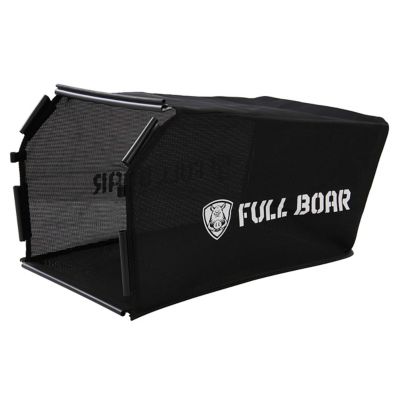
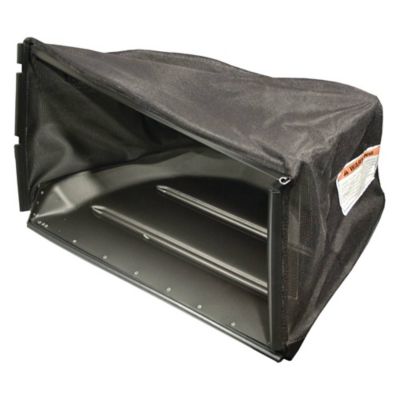
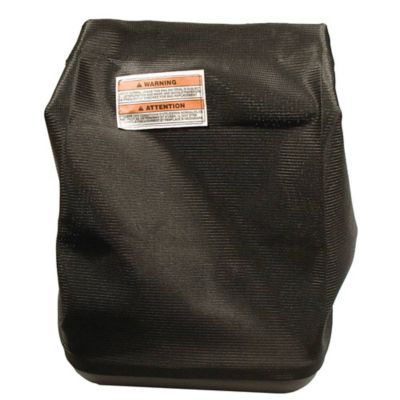
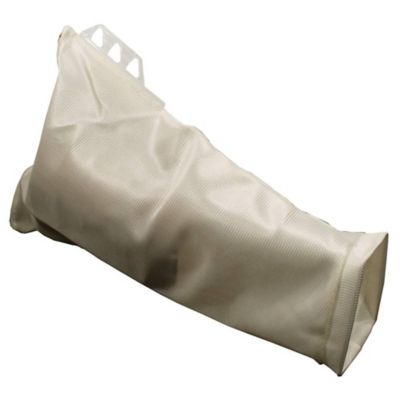
Grass bags keep clippings, fallen leaves, and other light yard debris together so a cleanup job doesn’t turn into a trail across the driveway. Whether the job is tidying a small patch beside the porch or gathering piles along a long fence line, the right lawn and leaf bag gives loose material a place to go before collection or a trip to an approved drop-off site. Paper lawn and leaf bags commonly come in a 30-gallon size, with a flat bottom that helps the bag stand open during filling. That size offers room for dry leaves without taking up too much space beside a shed, though grass clippings can reach a comfortable lifting weight long before the bag looks full. Many municipal yard waste programs accept paper bags, but local requirements determine the permitted material, capacity, weight, and contents. Paper construction alone doesn’t guarantee acceptance, and bags labeled compostable may need separate approval from the collection program. Reusable yard bags serve a different purpose: they hold debris while work is underway and can carry it to a compost area, trailer, or designated unloading spot. They generally need to be emptied rather than left behind with a curbside load. For a homeowner with routine mowing cleanup, a gardener trimming around beds, or someone keeping the grounds around a country place tidy, the choice comes down to where the contents are headed and how far they need to travel. A bag that stands beside a rake pile has a different job from one carried through a gate or lifted into a truck bed. During the cooler months, when leaves mingle with the last grass cuttings, enough opening space to catch a broad handful can matter just as much as total capacity. Grass bags are yard cleanup supplies, but their shape, material, and handling features make a real difference when there’s another stretch of lawn still waiting.
Paper, woven fabric, and flexible plastic each bring different strengths to lawn cleanup. Multiwall paper bags have layered construction that helps them hold their shape, while a squared base gives them a steadier footing on a level surface. They fold flat for storage, making them practical for a garage shelf or a dry corner of the utility room. Paper does have limits around moisture: wet turf, rain, and damp clippings can soften the material, especially at the bottom where the load rests. A dry, sheltered spot on pavement is a better staging area than wet grass, though even a sound bag can become difficult to handle when filled with heavy, soggy material. Reusable yard bags may feature woven polypropylene, coated fabric, or other materials intended for repeated outdoor work. Reinforced seams, a supported rim, and firmly attached handles are worth considering because those areas carry much of the strain during lifting and emptying. Some styles collapse when the work is done, while others have flexible sides that stay open more readily during filling. Material thickness, seam construction, and abrasion resistance help determine how well a bag holds up against rough ground and scratchy stems. No yard bag should be treated as a container for sharp branches, hot ashes, chemicals, or anything outside its stated purpose. Fit matters here, too, even though there’s no waistband or sleeve involved. The opening needs to suit the way debris goes in, the base needs a workable place to sit, and the filled bag needs to pass through the spaces between the lawn and its destination. Handles that feel manageable with a light load of leaves may be harder on the hands with dense clippings. A wide mouth can make loading easier with gloved hands, but a large capacity isn’t always an advantage when the bag must travel up steps or across uneven ground. For disposable bags and reusable containers alike, manufacturer weight limits and handling directions matter more than how much can be squeezed inside.
The contents of a grass bag affect both the work and what happens afterward. Dry leaves take up plenty of room with relatively little weight, while fresh grass clippings settle tightly, hold moisture, and can develop heat and odors when left in a heap. That’s why a bag filled after mowing behaves differently from one filled during a leaf-raking afternoon. Packing clippings down hard may create more room at the top, but it also makes the load heavier and harder to empty. A manageable fill level leaves space for whatever closure the bag design and local collection rules require. Keeping litter, pet waste, rocks, and other unwanted material out helps protect the intended yard waste stream; accepted plant material still varies by location. For a home compost pile, fresh grass clippings can contribute nitrogen, while dry leaves contribute carbon, although a balanced mix and airflow matter more than the bag itself. Not every mowing calls for collecting the clippings. Short clippings left evenly across a healthy lawn can break down and return nutrients to the soil, while thick windrows may need attention so they don’t smother the grass underneath. Where lawn feeding is part of the upkeep,
grass nutrients relate to that broader care routine, with soil testing helping identify what the ground actually needs. Bags handle the material that needs gathering, whether that means clearing a walkway, picking up excess clippings, or moving leaves away from a drainage path. Between jobs, paper bags belong somewhere dry and protected from splashes. Reusable bags benefit from being emptied promptly, cleaned according to their care directions, and allowed to dry before folding or storage. Checking handles, seams, and the bottom for wear can help prevent a spill halfway across the yard. With a suitable bag and a sensible load, cleanup stays more contained from the first rakeful to the final unloading, leaving the porch steps, paths, and lawn edges ready for everyday traffic.