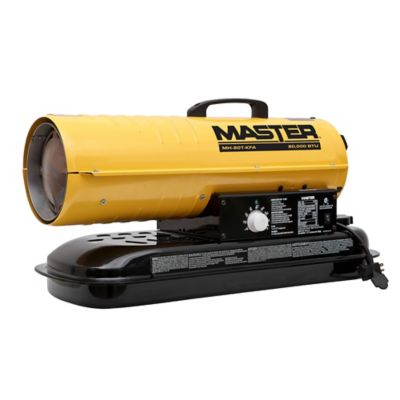
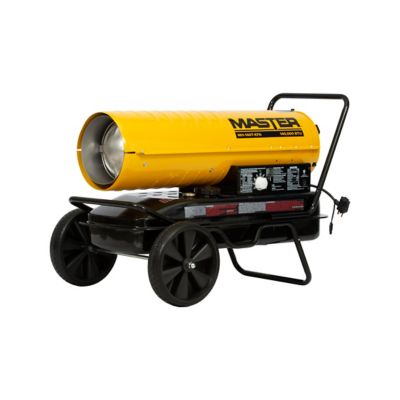
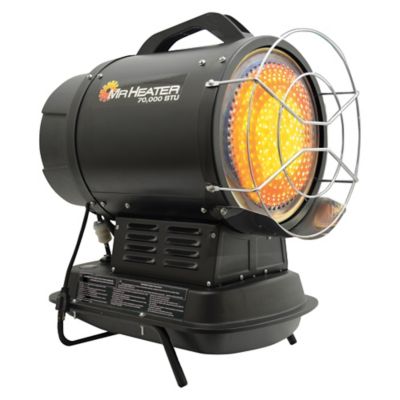
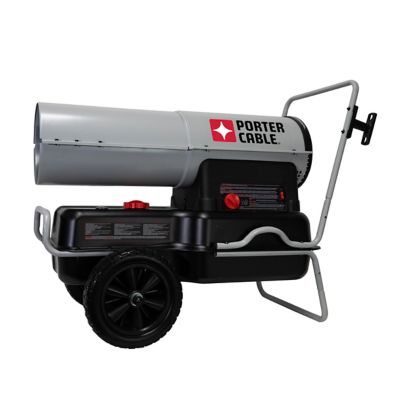
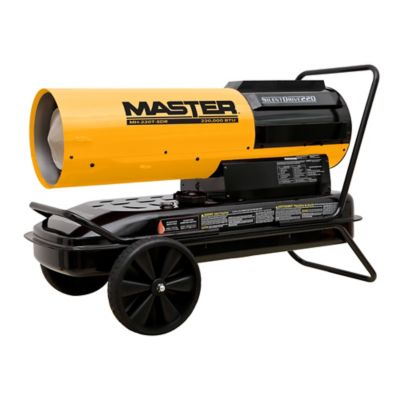
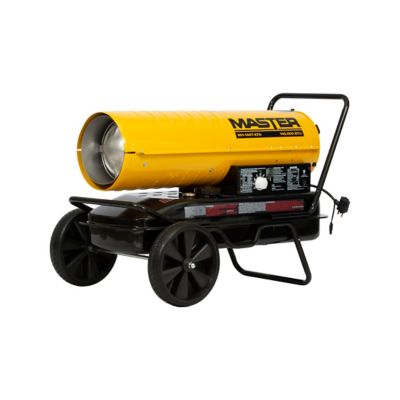
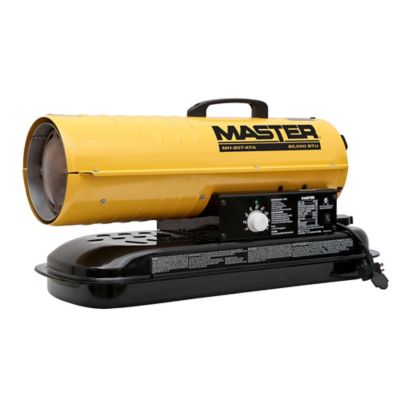
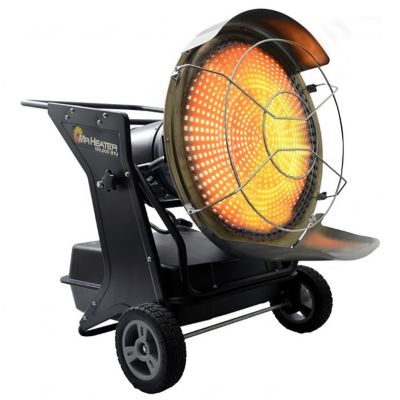
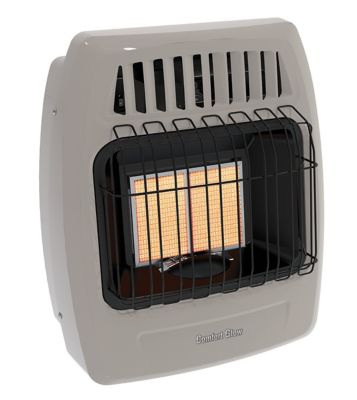
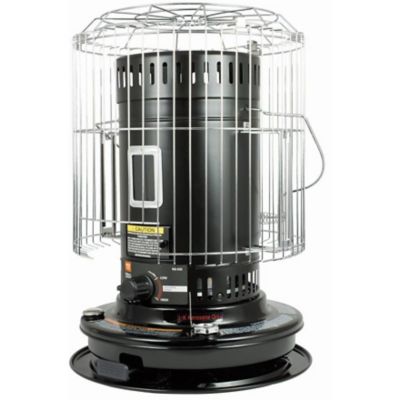
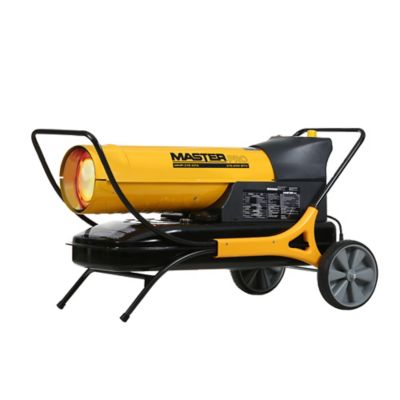
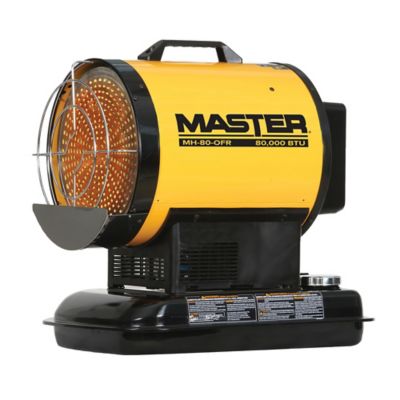
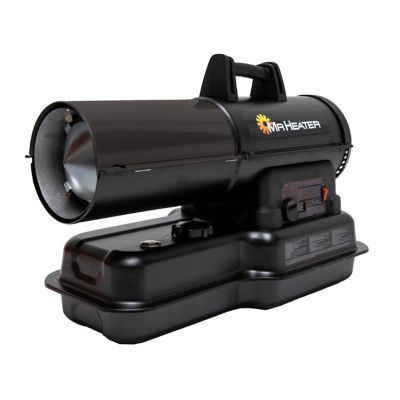
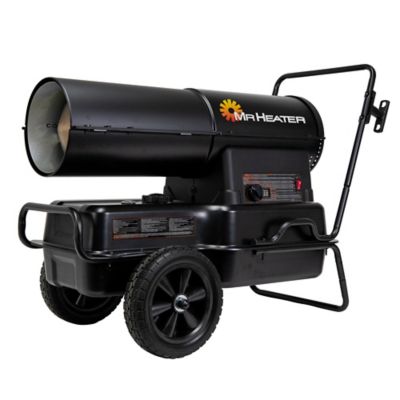
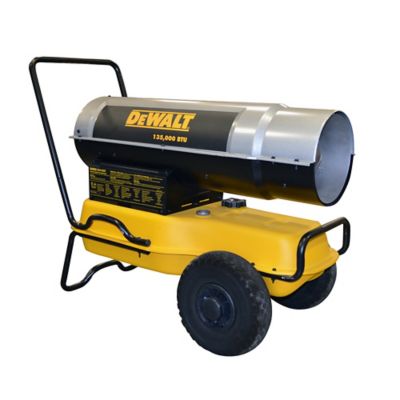
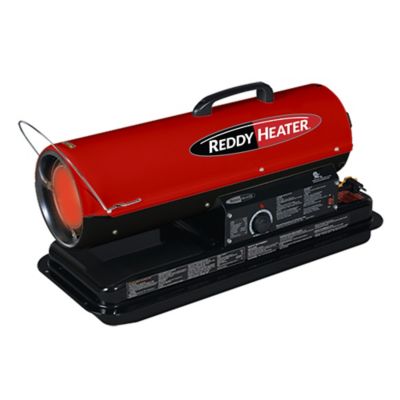
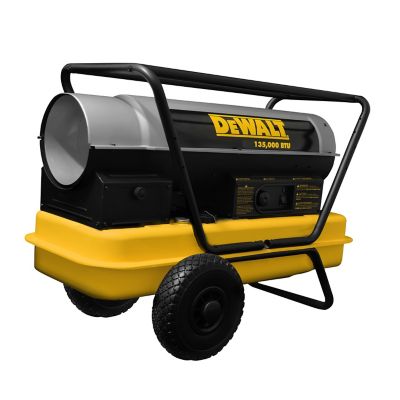
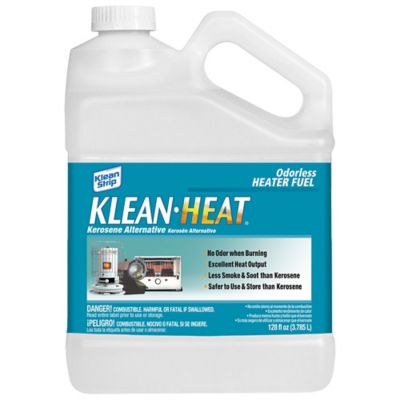
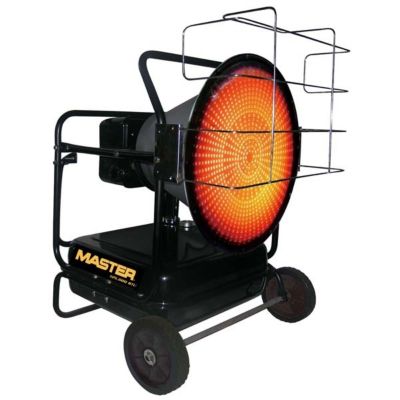
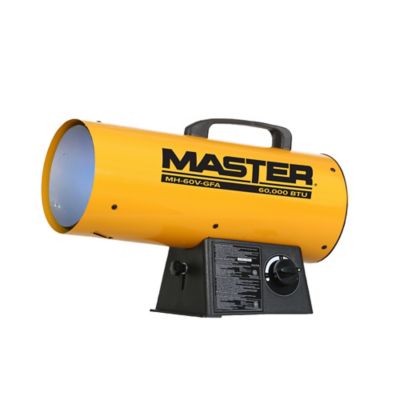
Fuel oil heaters have long been a staple for folks needing reliable warmth in all sorts of rural settings, from outbuildings and workshops to garages, barns, and even whole homes. These heaters work by burning petroleum-based fuels—like No. 1 or No. 2 fuel oil, kerosene, or even diesel—to create a steady, powerful heat that’s tough to beat when you’re tackling chores or just trying to keep the chill out of your favorite workspace. Whether you’re looking at a permanent setup with a central furnace or boiler, or you want the flexibility of a portable torpedo or convection heater, fuel oil units offer a lot of versatility. They’re especially handy in places where electricity can be spotty or expensive, since you can store fuel on-site and keep things running when you need it most. Folks working in agriculture, construction, or automotive repair often rely on these heaters to keep equipment, livestock, and people comfortable no matter what the weather’s doing outside. And if you’re thinking about a practical gift, a fuel oil heater can be a real game-changer for anyone who spends long hours in a drafty garage or shop, or for that friend who’s always tinkering on projects out in the barn.
When you’re picking out a fuel oil heater, there are a few things to keep in mind to make sure you get the right fit for your needs. First off, consider the size of the space you want to heat—these units come in a range of BTU outputs, and picking one that matches your square footage will help you stay comfortable without wasting fuel. Permanent heaters, like central furnaces and boilers, are great for whole-house or large building setups and can often be tied into existing ductwork or baseboard systems. Portable options, like torpedo or convection heaters, are ideal for spot heating and can be moved wherever you need them most—just be sure you’ve got good ventilation, especially if you’re working in a closed-up area. Maintenance is another key factor: fuel oil heaters do best with regular filter changes and the occasional nozzle cleaning to keep things running smooth and safe. You’ll also want to stay on top of your fuel supply, since you’re responsible for scheduling deliveries and making sure your tank’s topped off, especially as the weather cools and demand picks up. And don’t forget about safety—proper ventilation is a must, and it’s important to use the right grade of fuel for your specific heater. If you’re new to oil heaters or just want a refresher on best practices, you can always check out our guide on
Safe Oil Heaters for tips to keep your space warm and secure.
Fuel oil heaters aren’t just about brute force warmth—they’re about independence and peace of mind, especially for those living and working in rural areas where the power might flicker or the weather can turn in a hurry. The ability to store fuel on your own property means you’re not at the mercy of the grid, and you can keep things running through storms, outages, or just another long night in the shop. Many folks appreciate the fast, high-heat output these heaters offer, especially when you’re trying to take the edge off a chilly morning before you head out to feed animals or get started on a project. And with models designed for everything from suspended ceilings in big shops to floor-standing units for smaller outbuildings, there’s a fuel oil heater to match just about any need. Whether you’re gearing up for another season of hard work, looking to make your workspace more comfortable, or helping a neighbor or loved one do the same, a good fuel oil heater is a solid investment that’ll pay off in comfort, safety, and good old-fashioned dependability.