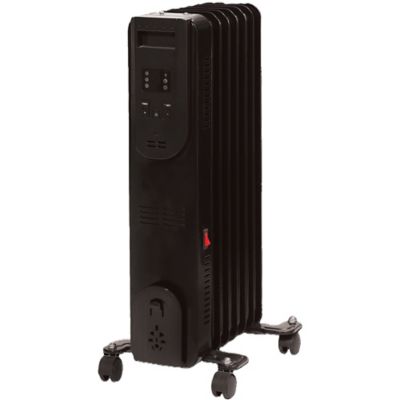
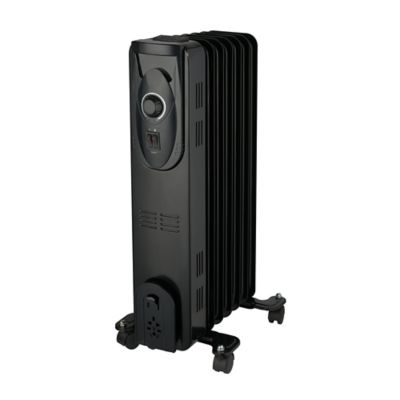
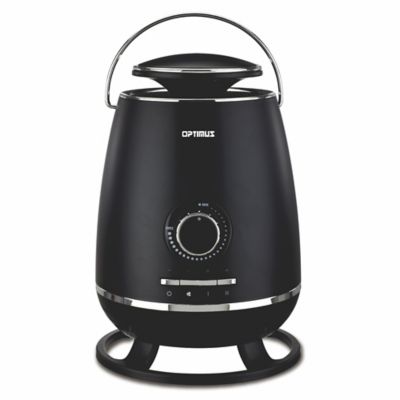
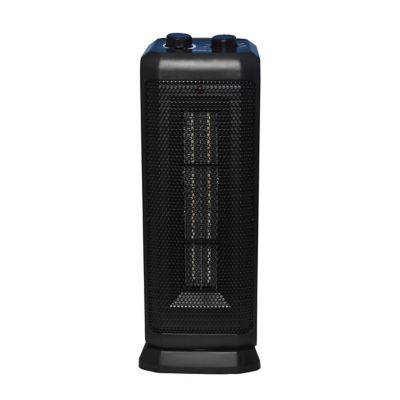
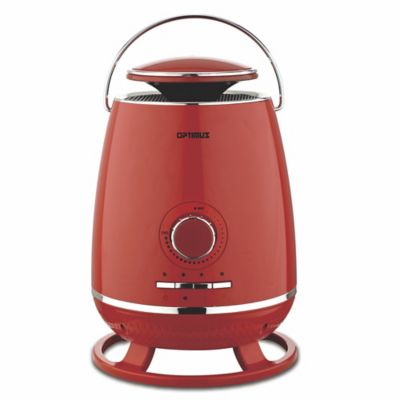
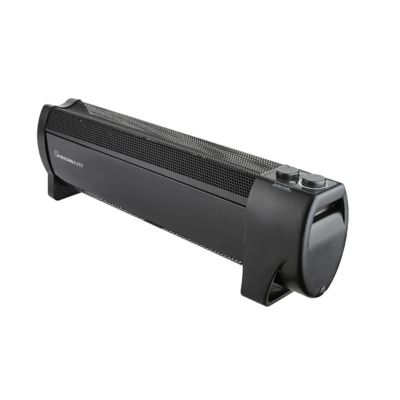
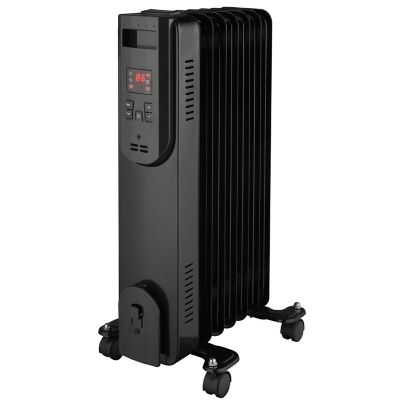
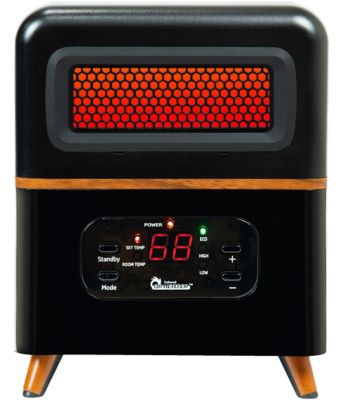
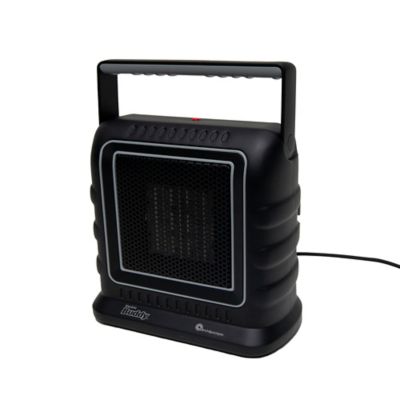
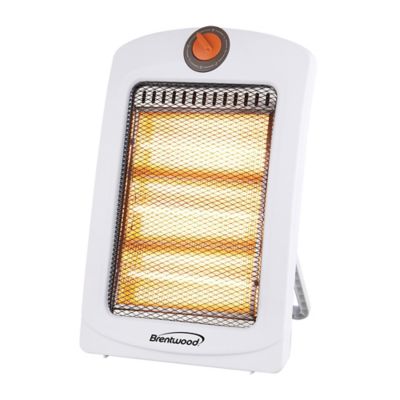
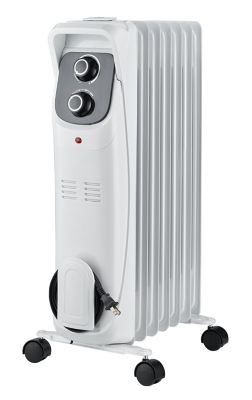
Safe oil heaters, often called oil-filled radiator heaters, offer a steady way to take the chill off bedrooms, offices, workshops, enclosed porches, and other living spaces during the cooler months. These portable heaters warm sealed mineral oil inside the unit, and that heated oil gradually transfers warmth to the surrounding metal fins. Because the heating element and oil are enclosed, there is no open flame and no exposed glowing coil, making this style a popular choice for homes, cabins, farm offices, and guest rooms where quiet, even heat matters. They are especially handy when one room feels colder than the rest of the house or when you want to warm a work area without turning up the thermostat for the whole building. Oil-filled radiators usually heat more slowly than fan-forced models, but they continue giving off warmth after the heating cycle ends and operate with little noise. That quiet performance can be welcome beside a bed, desk, reading chair, or nursery. When comparing safe oil heaters, start with the size and layout of the space you plan to heat. A compact unit may suit a small bedroom or office, while a larger room with high ceilings, drafty windows, or exterior doors may need a heater with greater output. Check the manufacturer's room-size guidance and make sure the electrical requirements work with the outlet where the heater will be used. Controls also make a difference in everyday use. A simple adjustable thermostat can be dependable and easy to operate, while a digital thermostat may offer more precise temperature settings, timers, remote operation, or a display that is easier to read from across the room. For homes with children or pets, a child-lock setting, cool-touch controls, sturdy feet, and a stable design can add peace of mind. If storage space is tight, look for practical features such as carry handles or cord storage, while remembering that even a compact heater needs plenty of breathing room during operation. For smaller spaces, browsing
Compact Heaters can help narrow the search by size and intended use.
Safety features should be treated as essential when shopping for an oil heater, not as extras. A tip-over switch can shut the heater off if it is knocked out of its upright position, and overheat protection can cut power if internal temperatures rise too far. A thermostat that cycles the unit on and off helps maintain a more comfortable temperature without running continuously. Look for a safety listing from a recognized independent testing laboratory, such as ETL or cETL, and review the operating instructions before plugging the heater in. Set the heater on a solid, level, nonflammable floor where it cannot be easily bumped, and keep at least three feet of open space around it. Clothing, bedding, feed bags, blankets, paper, curtains, rugs, furniture, and other flammable materials should never rest against the heater or block its vents. Keep the unit away from busy walkways, doorways, water bowls, and places where a leash, cord, or curious pet could pull it over. Oil-filled radiators are intended for dry indoor areas, so standard models should not be used in bathrooms, damp laundry rooms, barns with heavy moisture, or any location where water may splash onto the heater. Plug the heater directly into a properly grounded wall outlet rather than an extension cord, power strip, or makeshift adapter. High-wattage heating equipment can place extra demand on cords and connections, which may lead to overheating. Before each use, inspect the plug and cord for cuts, fraying, crushed spots, loose connections, or heat damage, and stop using the heater if you notice a problem. Do not cover the heater, move it while hot, or use it to dry boots, gloves, towels, livestock blankets, or clothing. The oil inside is sealed and should not be opened, drained, or refilled by the owner. A faint odor when a new heater is first used can sometimes come from manufacturing residue, but a strong burning smell, smoke, unusual noise, leaking oil, or a hot plug calls for immediate shutoff and inspection according to the owner's manual. Keep working smoke alarms and carbon monoxide alarms installed as appropriate for the home, and never leave a portable heater operating unattended or while everyone is asleep unless the manufacturer's instructions specifically allow that use and the heater is positioned with care.
Safe oil heaters can be useful for a wide range of people and settings. A homeowner may keep one near a drafty mudroom for taking off wet coats, while a remote worker may use one to make a chilly office more comfortable without heating unused rooms. They can serve well in a finished basement, hunting cabin, sewing room, enclosed porch, workshop office, or spare bedroom, provided the area is dry and the electrical setup is suitable. Older adults and anyone sensitive to cold may appreciate the gentle, steady warmth, while families may value enclosed heating surfaces and automatic shutoff features when young children or pets share the room. An oil-filled radiator can also make a practical housewarming, wedding, graduation, or new-apartment gift for someone setting up a first home, especially when paired with a thoughtful reminder to follow the safety instructions. For rural households, these heaters may help take the edge off a cold morning in a home office or utility room, but they are not a replacement for a properly sized central heating system, approved furnace, or safe barn-heating setup. They should not be used in animal stalls, enclosed livestock areas, greenhouses, garages where fuel or chemicals are stored, or other locations outside the conditions listed by the manufacturer. When choosing among safe oil heaters, consider wattage, heat settings, thermostat style, portability, cord length, stability, safety certifications, and the type of space being warmed. A heater that fits neatly beside a desk may not be the right choice for an open living area, and a model that is easy to carry should still be sturdy enough to remain upright on the floor. Keep the owner's manual nearby, give the heater room to work, and make a habit of checking its cord and surrounding area whenever it is in use. With the right size, dependable safety protections, and careful placement, an oil-filled heater can provide comfortable supplemental warmth as the weather shifts from warm days to cooler evenings and the seasons settle in.