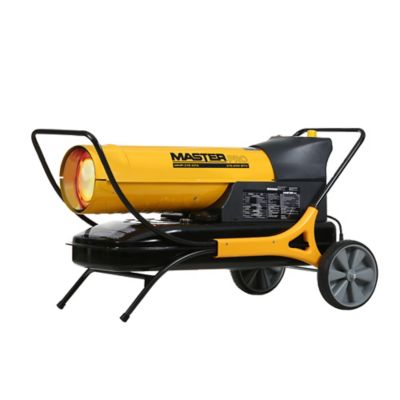
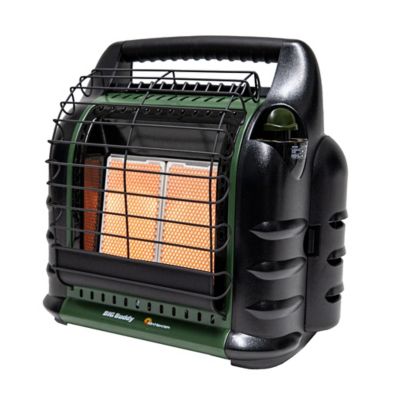
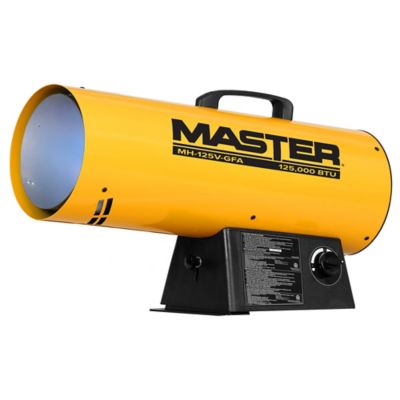
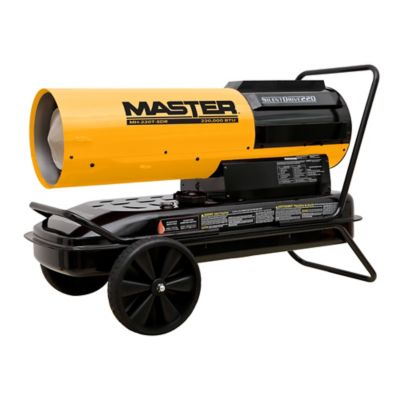
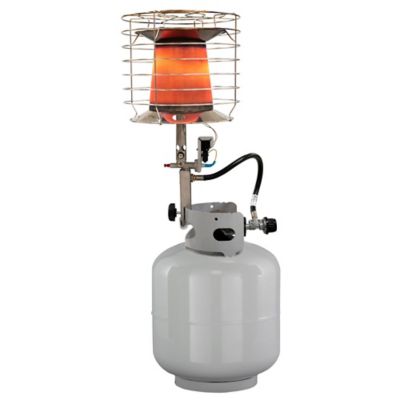
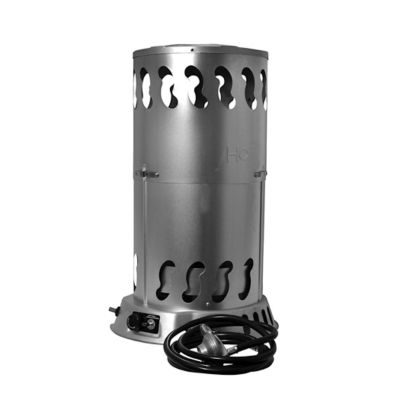
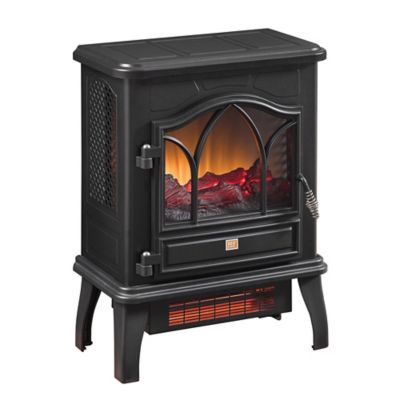
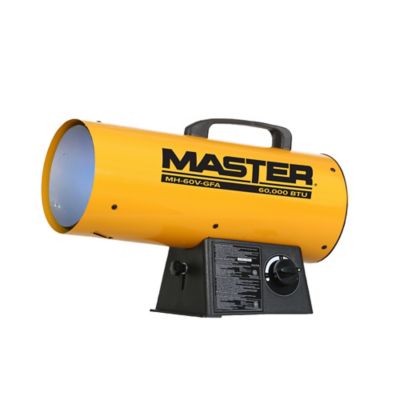
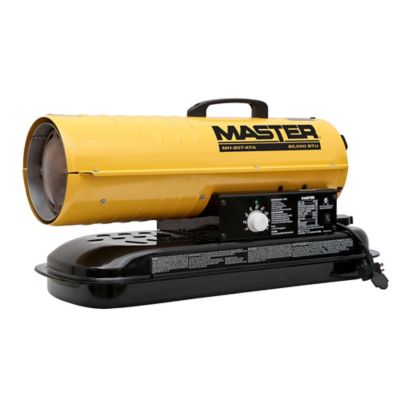
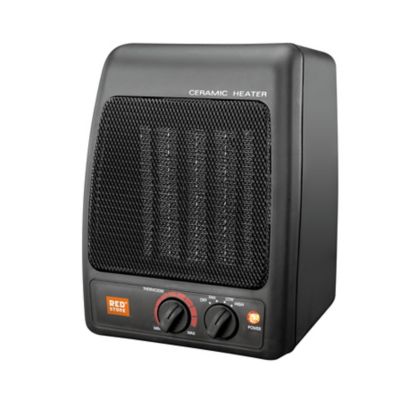
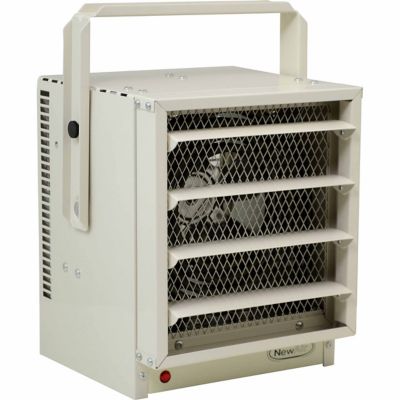
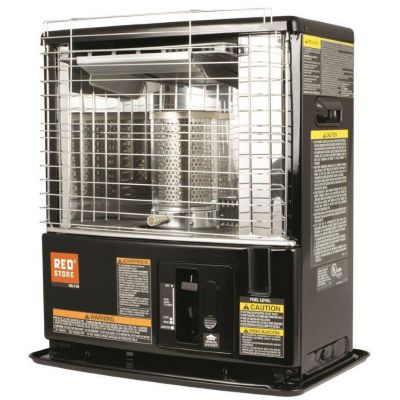
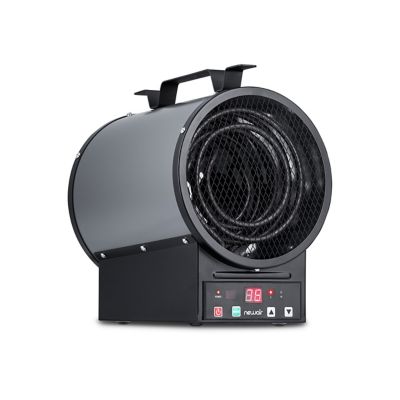
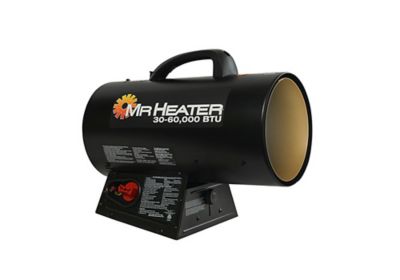
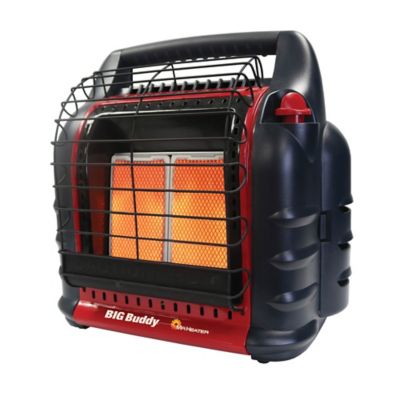
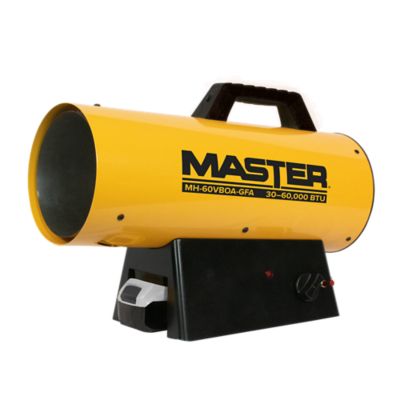
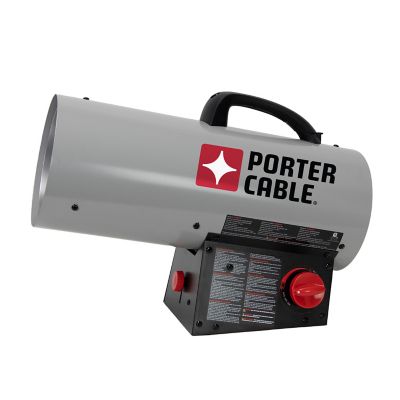
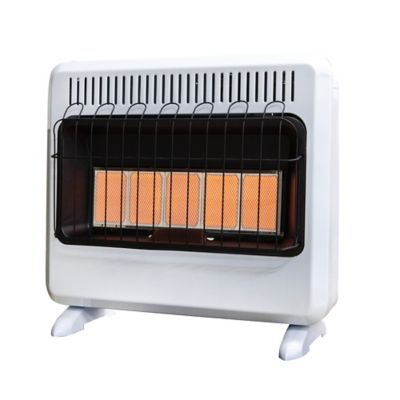
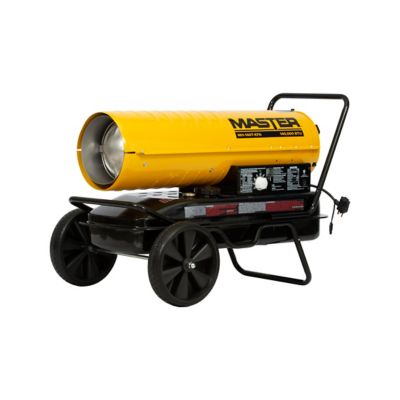
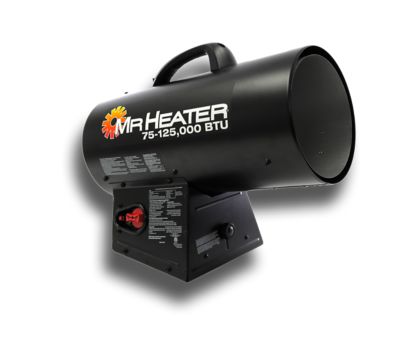
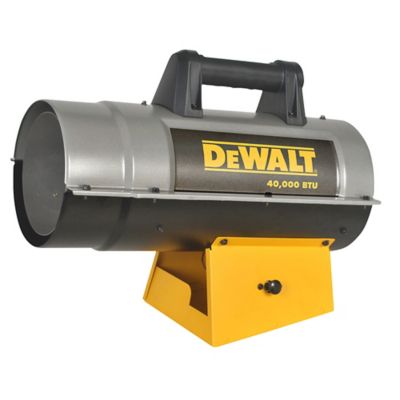
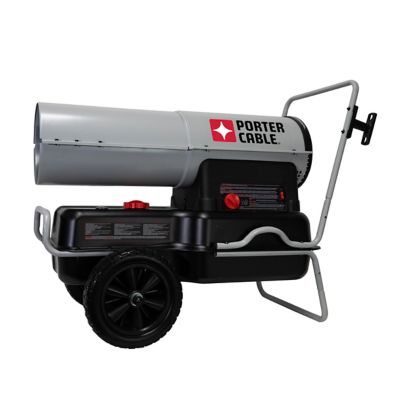
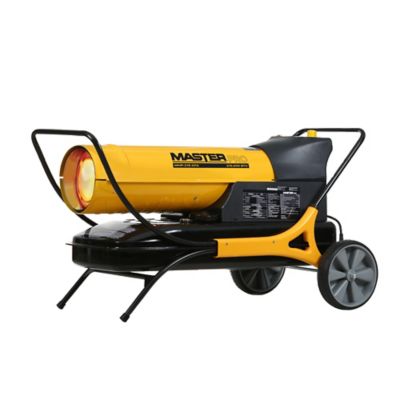
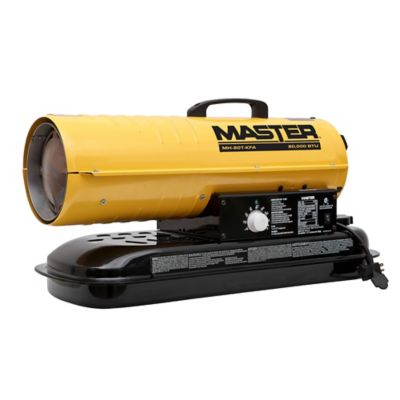
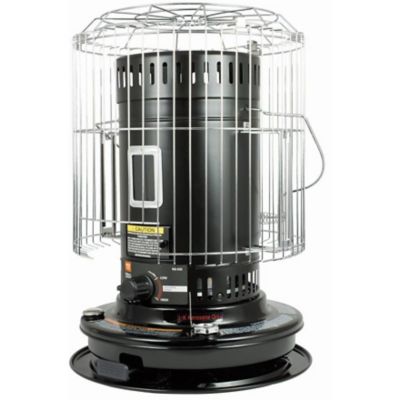
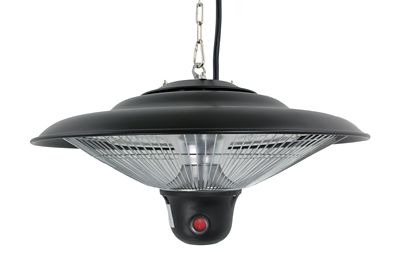
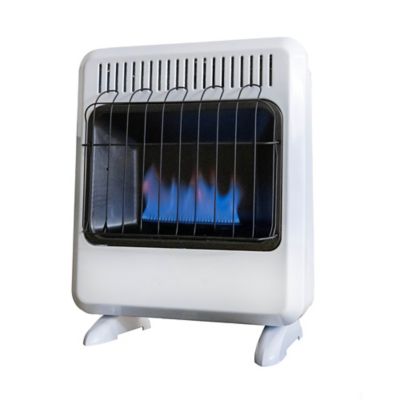
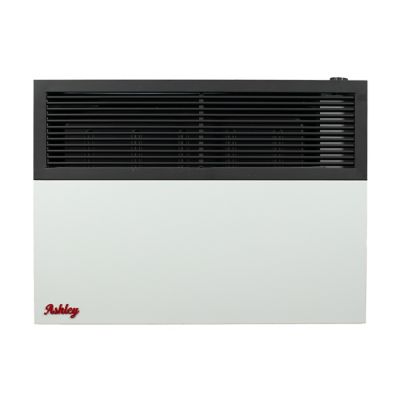
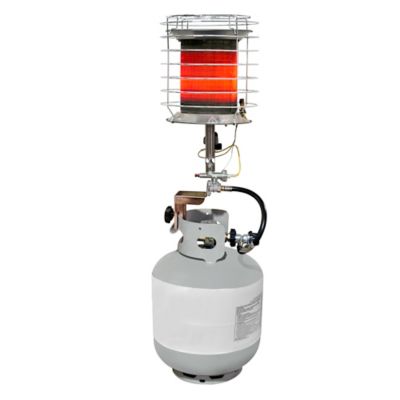
Hot air heaters, also called forced-air or fan heaters, are a handy way to bring quick, targeted warmth to the spaces where you work, relax or care for animals. Instead of slowly warming an entire building, these heaters pull in cooler air, pass it over an electric or fuel-powered heating element and push the warmed air back into the room. That steady stream of heat can take the chill off a home office, enclosed porch, hunting cabin, workshop, garage or outbuilding while the rest of the property stays at its usual temperature. They can also be useful in barns and utility areas when used with the right amount of ventilation and plenty of clearance from bedding, hay, sawdust and other combustible materials. A portable forced-air heater is especially helpful during the cooler months when a chilly morning makes it hard to get started on chores, or when a workbench, craft room or mudroom needs a little extra comfort. Electric models are often a practical fit for enclosed spaces with a dependable outlet, while fuel-burning units may suit larger, draftier areas where more heat is needed. If you are comparing fuel-powered options, browse
Gas Heaters for another way to warm work areas and outbuildings. Hot air heaters are also a thoughtful gift for someone setting up a new garage workspace, finishing a basement, outfitting a camper, or spending long hours on repairs and projects. The best choice depends on the space, the available power source and how close people, pets, livestock and stored materials will be to the heater.
Start by matching the heater to the area you want to warm. A small unit can make a desk, bathroom or compact room more comfortable, but it may struggle in a large garage with open doors, high ceilings or poor insulation. Measure the space when possible and pay attention to the heater’s recommended coverage area and heat output. Wattage matters with electric heaters, since higher settings generally deliver more warmth but also draw more power. Check the circuit before plugging in a powerful unit, and avoid using extension cords or power strips unless the manufacturer specifically allows it; a heavy-duty appliance should be connected as directed to a properly rated outlet. Forced-air heat works fastest when it is aimed toward the occupied part of a room, though a fan that oscillates or spreads air more widely can help reduce cold pockets. A thermostat, adjustable heat settings and an energy-saving mode make it easier to maintain a comfortable temperature without running the heater at full power all day. If the heater will sit near a bed, desk or workbench, quiet operation can make a noticeable difference. A carry handle, compact footprint and simple controls are useful when the unit needs to move from one room to another, while a longer cord can make placement easier without putting the heater in an unsafe spot. In a dusty shop or barn, look for a design that is easy to wipe clean and check the air intake often. Dust, pet hair and fine sawdust can restrict airflow, make a heater work harder and create a maintenance concern. Let the unit cool completely before cleaning, and follow the manufacturer’s instructions rather than opening the housing or attempting repairs yourself.
Safety deserves just as much attention as heating performance. Place a hot air heater on a solid, level, nonflammable surface where it cannot be bumped, tipped or buried under clothing, towels or tools. Keep a wide, open area around the front, sides and back so air can circulate freely, and never use a portable heater as a shelf, boot dryer or way to warm bedding. Look for automatic overheat protection and a tip-over shutoff that cuts power if the unit falls over. A stay-cool exterior can be helpful in busy homes and work areas, but every heater still needs supervision around children, pets and livestock. Keep cords away from walkways, damp areas, doors and places where a dog, cat or farm animal might chew or pull on them. Electric heaters should be kept dry and used only in locations approved for that type of equipment. Fuel-burning forced-air heaters need proper ventilation because combustion can use oxygen and produce carbon monoxide; never run one in a sealed room, enclosed trailer or occupied building unless it is specifically designed and approved for that use. Follow clearance requirements, use the recommended fuel and keep a working carbon monoxide detector in nearby occupied areas when appropriate. A heater is meant to add comfort, not replace sound insulation, weather sealing or safe winter preparation. Closing gaps around doors, repairing drafty windows and keeping bay doors shut when possible can help any heater work more efficiently. With the right size, dependable safety features and a suitable place to operate, a hot air heater can make a cold floor, dim shop or early-morning chore area feel a whole lot more manageable.