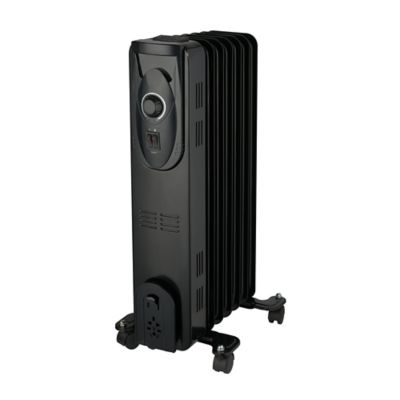
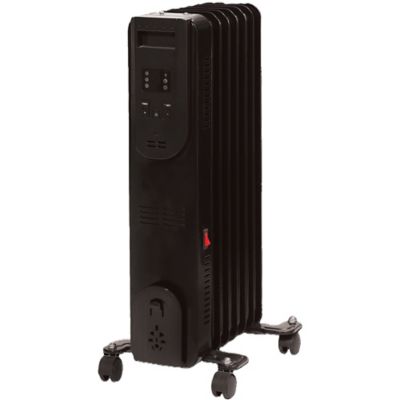
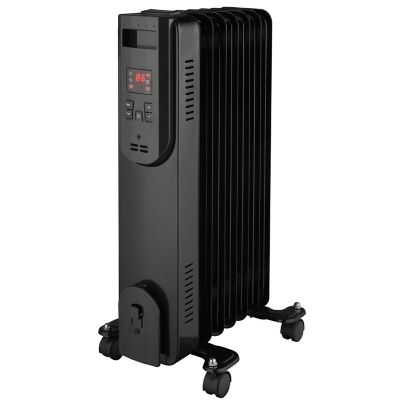
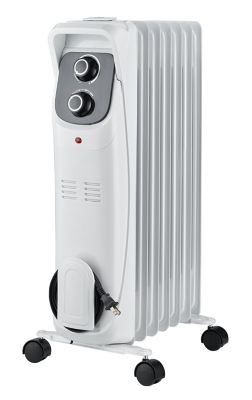
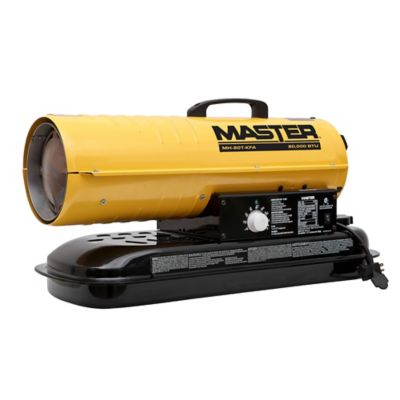
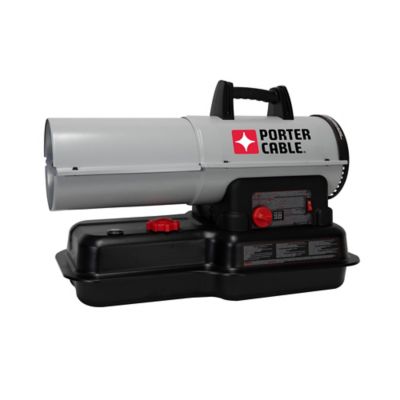
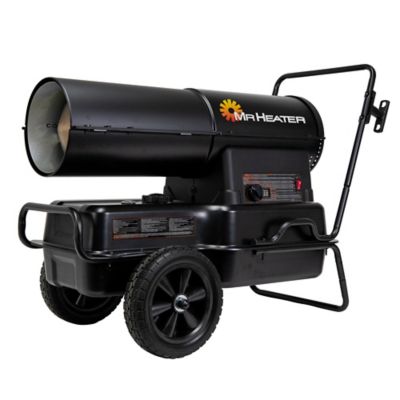
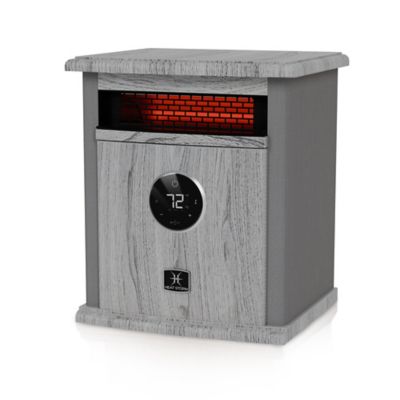
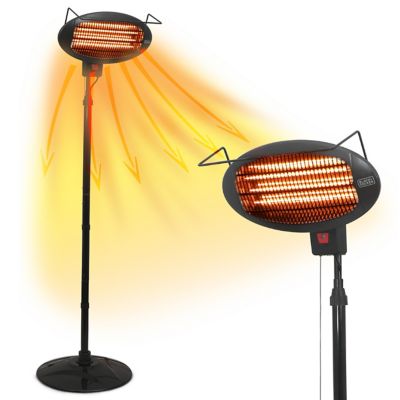
Oil heaters, also called oil-filled electric radiators, are a handy way to add steady warmth to a room, workshop office, bedroom, enclosed porch or other indoor space during the cooler months. Unlike a fuel-burning heater, an electric oil heater does not use an open flame, kerosene or propane. Electricity warms diathermic oil sealed inside the unit’s metal chamber and fins. That oil acts as a heat reservoir, holding warmth and releasing it gradually through a combination of radiant heat and natural convection. The oil is not burned, consumed or circulated through your home, so it never needs to be drained, replaced or refilled. Many people appreciate the quiet operation, too. Since these heaters do not rely on a fan to push air around, they can warm a room without the hum of a blower or the extra dust movement that often comes with forced-air heat. The metal fins radiate warmth toward nearby people and objects while the surrounding air slowly warms, making an oil-filled radiator a comfortable choice for reading, working at a desk, settling in for the evening or taking the chill off a smaller room. They are not built for instant heat. Depending on the room size, insulation, starting temperature and heater setting, it may take around 10 to 15 minutes to feel a noticeable difference, with the room continuing to warm as the oil and metal fins heat up. That slower start is often balanced by the way the unit continues giving off heat after the thermostat cycles off or the power is switched off. For other ways to add warmth indoors, browse our selection of
Electric Heaters and compare the features that fit your space.
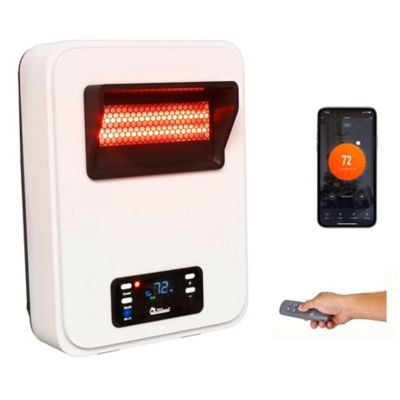
When choosing an oil heater, start with the room where you plan to use it and look closely at the heater’s recommended coverage area. A standard indoor model may be well suited to a room of roughly 300 square feet, but ceilings, drafty windows, open doorways and poor insulation can all affect how much heat you need. A small bedroom with the door closed will warm differently than a large garage, barn office or open living area, and an oil-filled radiator generally works best as supplemental heat rather than a replacement for a whole-house heating system. Wattage is another important detail. Many common indoor units use up to 1,500 watts, so check that the outlet and circuit can safely support the heater without overloading other equipment. A built-in adjustable thermostat makes it easier to maintain a comfortable temperature, while multiple heat settings give you more control when the day warms up or the evening turns brisk. Timers, digital controls and remote controls can be useful for bedrooms, home offices and hard-to-reach spaces, though simple dial controls are dependable and easy to use in a shop or spare room. Look for smooth-rolling casters or wheels if you expect to move the heater from one room to another, keeping in mind that oil-filled radiators can be fairly heavy and bulky. A sturdy carrying handle helps with repositioning, but these units are not meant to be carried while hot. Cord length, storage space and the heater’s footprint also deserve attention, especially in a crowded room. Before purchase, check for key safety features such as an automatic tip-over switch, which cuts power if the unit falls, and an overheat protection sensor that shuts the heater down if internal components become too hot. A cool-touch control area, clear thermostat markings and a sturdy base can make day-to-day use easier, but the metal fins themselves can become very hot. Keep the heater on a level, stable surface with plenty of open space around it, and keep bedding, curtains, clothing, paper, hay, straw, sawdust and other combustible materials well away from the unit. Do not cover an oil heater, place anything on top of it or use it to dry clothes. Use it only as directed by the manufacturer, plug it directly into a properly grounded wall outlet, and avoid extension cords or power strips unless the instructions specifically allow them.
Oil heaters can fit a variety of routines around the house and farm. A chilly mudroom may be more comfortable while boots dry nearby, though clothing and other belongings should never touch the heater. In a home office, sewing room or hunting cabin, the quiet heat can help keep the space comfortable without the constant fan noise that makes it hard to hear a phone call or concentrate. Someone working at a desk may enjoy the gentle warmth reaching their legs, while a family member resting in a bedroom may prefer the steady temperature and lack of blowing air. These heaters can also make a practical gift for a college student in a drafty apartment, a new homeowner setting up a basement office, an older relative who spends time in a craft room or anyone outfitting a small cabin or enclosed work area. They are especially useful for people who value simple, low-maintenance equipment: there is no fuel to store, no oil to pour and no flame to tend. Even so, an oil-filled electric heater should be treated as a supplemental appliance, not left unattended for long periods or used in a damp bathroom, livestock area or outdoor space unless it is specifically rated for that environment. Keep children and pets away from the hot fins, and give the heater room to breathe so heat can move safely through the space. A pet bed, crate, hay bale or blanket may look like a cozy place to set a heater nearby, but combustible items should remain at a safe distance. Check the cord and plug periodically for wear, dust the unit only after it is unplugged and completely cool, and store it upright in a dry place when the weather warms. With the right room size, sensible placement and basic safety habits, an oil heater can provide calm, even warmth for the rooms where a little extra comfort makes a real difference.