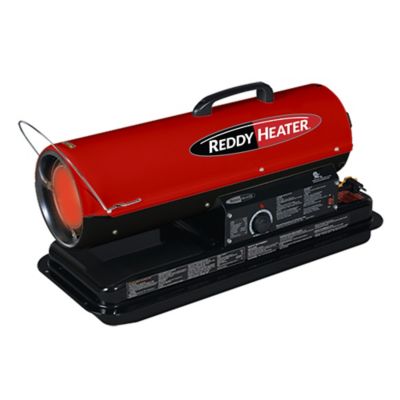
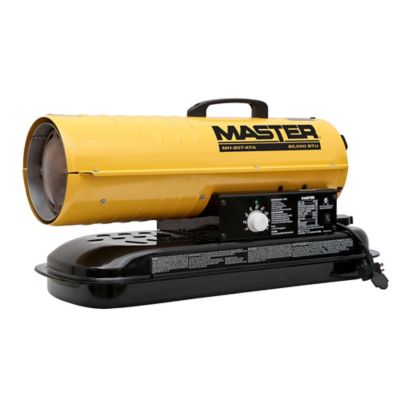
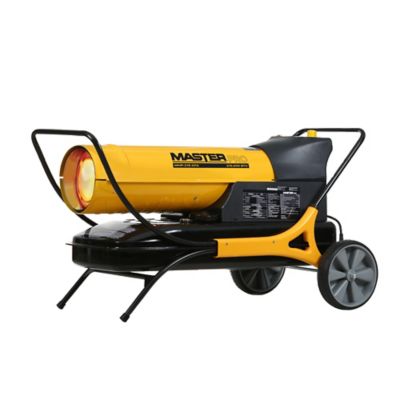
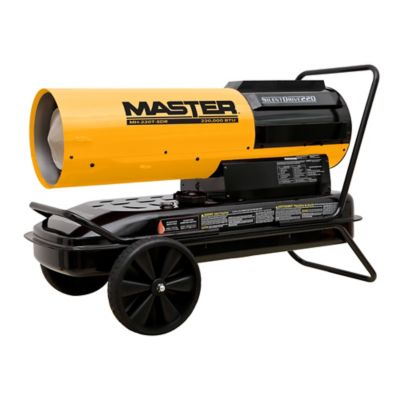
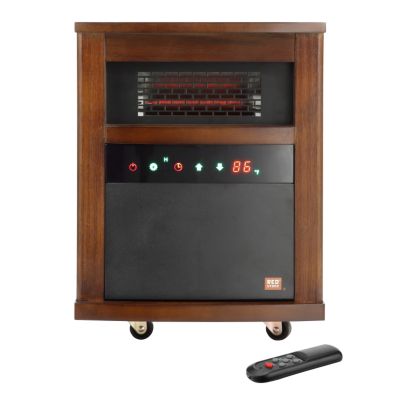
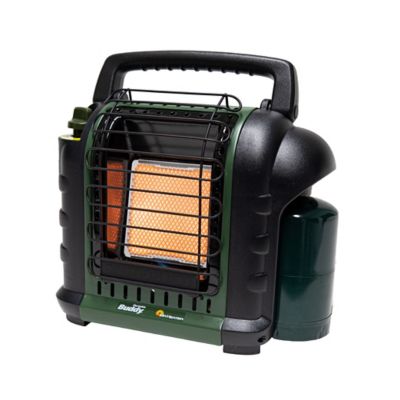
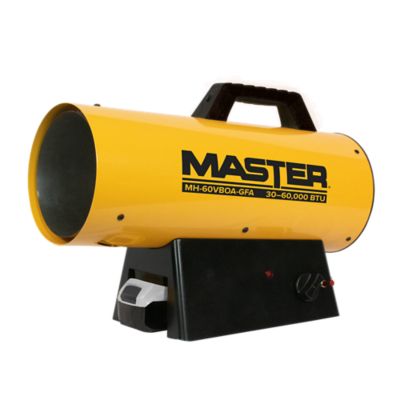
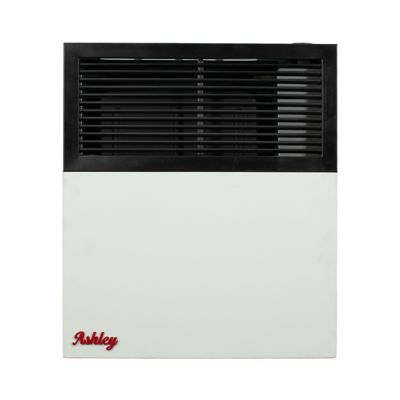
Diesel air heaters offer a practical way to warm a van, RV, workshop, hunting blind, boat cabin or other enclosed space without running a large engine or burning through a full tank of fuel. These compact heaters use diesel as the heat source and electrical power, commonly 12V or 24V, to operate the fan, controls and ignition system. Inside the heater, diesel is metered into a combustion chamber and burned separately from the air you breathe. A heat exchanger transfers warmth to the indoor air, while combustion gases leave through a dedicated exhaust pipe. That basic design gives you steady, efficient heat in a small package, making diesel air heaters useful when mornings turn chilly, when a work area needs a little extra comfort or when a vehicle needs warmth while parked. Many units are built as portable all-in-one heaters with a small fuel tank, carry handle and enclosed housing, so they can be moved between a garage, trailer or temporary shelter. Others are made for a more permanent installation, with separate fuel tanks and ducting that can be fitted into a van, RV, equipment cab or cabin. When shopping, start by thinking about the space you want to heat and how often you plan to use the heater. A small sleeping area may need a different heat output than a drafty shop with high ceilings, thin walls or frequent door openings. Look for the heater’s rated output, voltage requirements, fuel-tank capacity, duct size and operating range. It also helps to check whether the kit includes the fuel line, air intake, exhaust components, mounting hardware, ducting and controller needed for installation. Some setups include a digital display or remote control, which can be handy when the heater is tucked beneath a seat or mounted in a hard-to-reach spot. A portable case can make seasonal storage and transport easier, while a permanently mounted heater may offer a cleaner setup for a vehicle or work area used regularly. Keep in mind that diesel heaters often use the most electrical power during startup, when the glow plug is heating, and draw less once they are running. A dependable battery and properly sized wiring are important, especially in a truck camper, off-grid shelter or boat where power is limited. Check the manufacturer’s instructions for fuse size, wire gauge, battery type and low-voltage requirements before connecting anything.
Fuel use is another part of choosing the right diesel air heater. Depending on the heat setting, heater size and conditions, many compact units use roughly 0.16 to 0.62 liters of diesel per hour, though actual consumption varies with temperature, insulation, altitude and how often the thermostat cycles. A larger fuel tank can reduce refueling trips, while a smaller tank may keep the unit lighter and easier to carry. Diesel stored for extended periods should be kept in a clean, approved fuel container and protected from dirt and water. Before the cooler months settle in, inspect fuel lines, clamps, filters, wiring and the exhaust system for wear or loose connections. Keeping the combustion air intake clear helps the heater run properly, and cleaning soot from the burner as recommended can support dependable operation. Installation and safe venting deserve close attention. The exhaust must always be routed outdoors, away from doors, windows, vents and areas where fumes could collect. The combustion air intake should also be placed according to the instructions and kept separate from the exhaust outlet. Never route exhaust into a tent, garage, barn, vehicle interior, sleeping area or any other enclosed space, and never block the heater’s warm-air outlet. Carbon monoxide is odorless and dangerous, so use a working carbon monoxide detector in any enclosed area where a fuel-burning heater is operated, along with a smoke detector where appropriate. Provide the ventilation required by the installation instructions, keep combustible materials away from hot surfaces and give the heater room for air circulation. The housing, duct and exhaust components can become hot during use, so take extra care around bedding, coats, hay, sawdust, fuel containers and other items commonly found around a farm, campsite or shop. Turn the heater off using its normal shutdown cycle rather than cutting power abruptly, since many units need time to cool the combustion chamber and clear remaining fuel. Anyone installing a heater should follow the included instructions and local codes, and professional installation is a sensible choice for permanent vehicle, RV, boat or building projects. For another heating setup that vents combustion gases directly outdoors, browse
Direct Vent Heaters.
Diesel air heaters can be a welcome addition for people who spend long hours in places where central heat is unavailable or impractical. A farmer checking livestock before sunrise, a mechanic working in a chilly equipment shed, a camper getting ready for a cold trailhead or a traveler resting in a van can all appreciate warm air without idling an engine for hours. They are also useful for keeping a small workspace more comfortable while you repair a gate, organize tools or finish a weekend project. For anyone who enjoys hunting, fishing, camping, overlanding or seasonal travel, a compact heater can make a simple shelter feel a whole lot more livable when the air gets sharp and damp. It may also be a thoughtful gift for a person who spends time in a camper, enclosed trailer, boat, garage or off-grid cabin, especially when paired with practical accessories such as a carbon monoxide detector, approved fuel container, spare fuse kit, battery cables or a protective storage case. Before giving one as a gift, make sure the recipient’s vehicle or power system matches the heater’s voltage and that there is a safe way to route the exhaust outdoors. During changing weather, portable models can be moved as needs shift, while mounted systems are convenient for a dedicated space that gets used again and again. Consider noise level, thermostat control, startup method, remote operation, serviceable parts and the availability of replacement filters or glow plugs when comparing options. A heater that is simple to operate and easy to inspect is often the better fit for real-world use, whether it is warming a bunk after a frosty night, taking the edge off a shop floor or helping a work crew stay comfortable through a long stretch of cool weather. With the right size, a sound power source, clean fuel and careful venting, a diesel air heater can provide efficient supplemental warmth without taking up much room.