


Home Freeze Drying for Food Storage
Put up garden produce, leftovers, meats, fruits, and snacks with home freeze drying gear built for long-term pantry planning. Shop Harvest Right freeze dryers plus the bags, sealers, pumps, and upkeep supplies that help you package food and stay ready season after season. If you want help picking a machine, start with our home freeze dryer buying guide or compare freeze dryer sizes before you choose.
Harvest Right
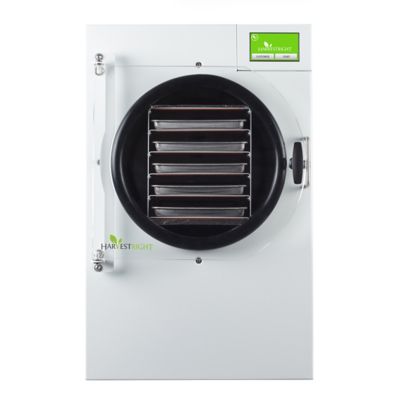
Harvest Right 5-Tray Medium White Freeze Dryer with Premier Pump & Mylar Starter Kit
A white home freeze dryer with a premier pump and starter kit that preserves food for up to 25 years.
What customers like:
Excellent customer service and support
Easy to use and setup
Expands food storage options
Versatile and convenient for various uses
Preserves food quality and taste
$2495
$2495
SALE
Harvest Right
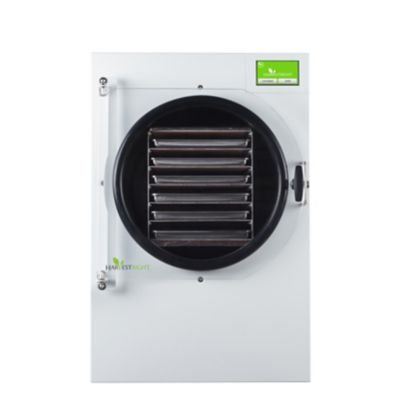
Harvest Right 6-Tray Large White Home Freeze Dryer with Premier Pump & Mylar Starter Kit
A large home freeze dryer with a premier pump and starter kit for preserving food for up to 25 years.
What customers like:
Versatile and convenient
Great customer service
Kids love the freeze-dried fruits
Preserves food well for long-term storage
Easy to use and set up
$2995
$2995
SALE
Harvest Right
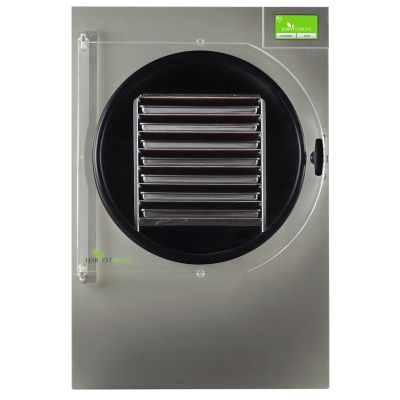
Harvest Right 7-Tray X-Large Stainless Steel Freeze Dryer with XL Premier Pump & Mylar Starter Kit
A large stainless steel freeze dryer with XL premier pump and 7 XL trays for freeze drying various foods.
What customers like:
Great customer service
Versatile usage
Saves money and allows for long-term storage
Effective and efficient
Easy to use and set up
$4995
$4995
SALE
Harvest Right
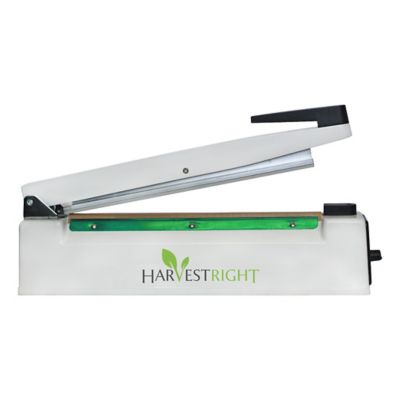
Harvest Right Impulse Heat Sealer
A 12" Impulse Heat Sealer for sealing mylar bags, with a 5mm width and weighing 13 pounds.
$129.99
$129.99
SALE
Harvest Right
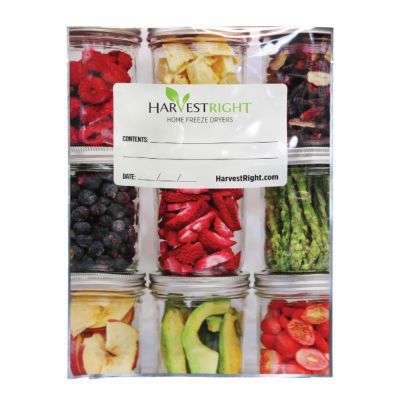
Harvest Right Mylar Bags, 10 x 14 gal., 50-Pack
A 50-pack of food-grade Harvest Right Mylar bags with 7 mil thickness for long-term storage.
$29.99
$29.99
SALE
Harvest Right
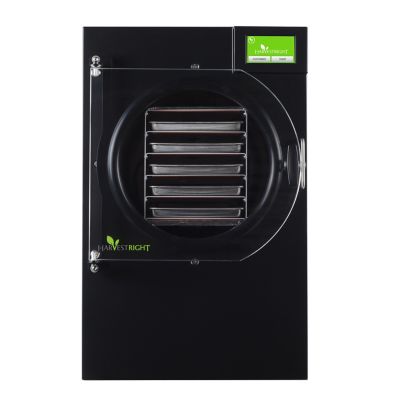
Harvest Right 5-Tray Medium Black Freeze Dryer with Premier Pump & Mylar Starter Kit
A black medium-sized freeze dryer with a premier pump and mylar starter kit for preserving food.
What customers like:
Convenience
Good customer service
Long shelf life
Low maintenance
Versatility
$2395
$2395
SALE
Harvest Right
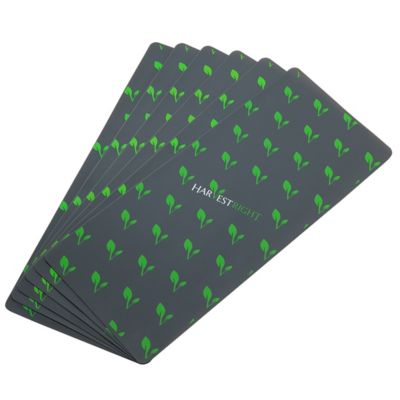
Harvest Right Large Silicone Mats, 6-Pack
A set of 6 large, heat-resistant silicone mats for the Harvest Right freeze dryer, making food removal and clean-up easy.
$49.99
$49.99
SALE
Harvest Right
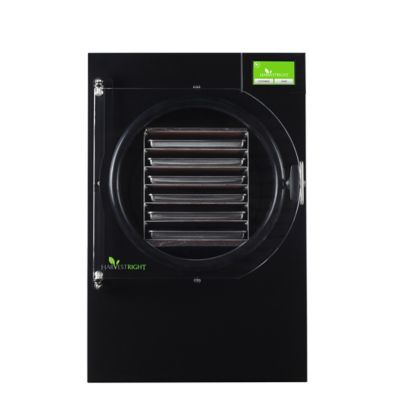
Harvest Right 6-Tray Large Black Freeze Dryer with Premier Pump & Mylar Starter Kit
A large black freeze dryer with patented technology that preserves the taste and nutrition of food for up to 25 years.
What customers like:
Excellent customer service and technical support
High quality and well-made
Great for preserving food with retained flavor
Versatile and convenient for various uses
Easy to use and set up
$3095
$3095
SALE
Harvest Right
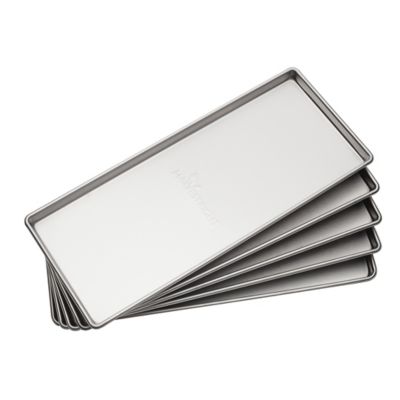
Harvest Right Medium Trays, Set of 5
A set of 5 stainless steel trays designed for use in a Harvest Right Medium PRO freeze dryer.
What customers like:
Solid construction
Useful as extra trays
Smooth corners
Fits perfectly
Works well in freeze dryer
$79.99
$79.99
SALE
Harvest Right
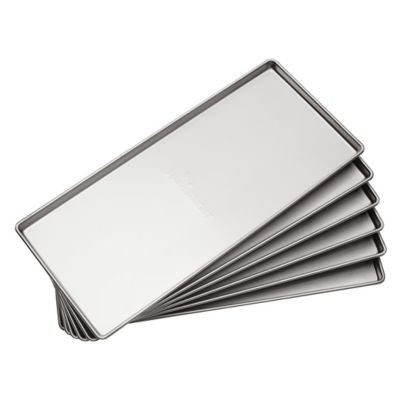
Harvest Right Large Trays, 6-Pack
A set of 6 stainless steel trays designed for use in the Harvest Right Large Pro freeze dryer.
$109.99
$109.99
SALE
Harvest Right
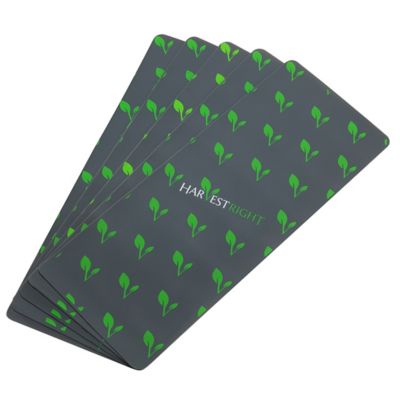
Harvest Right Medium Silicone Mats, 5-Pack
A set of 5 heat-resistant silicone mats for use in the Harvest Right Medium freeze dryer, making food removal and clean-up easy.
$34.99
$34.99
SALE
Harvest Right
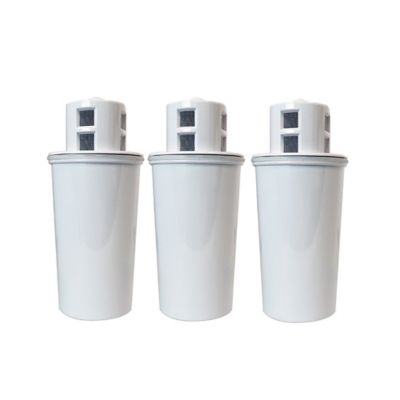
Harvest Right Oil Filter Cartridges, 3-Pack
A pack of 3 oil filter cartridges that preserve the life of your vacuum pump and improve freeze dryer performance.
$24.99
$24.99
SALE
Harvest Right
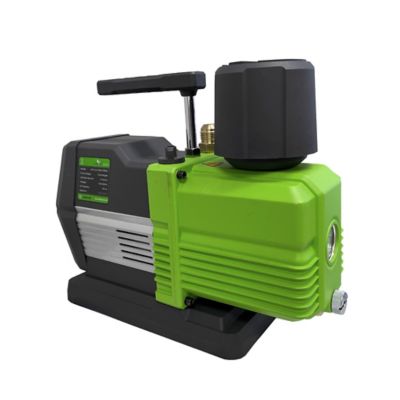
Harvest Right Premier Vacuum Pump, 110V
A lightweight and quiet vacuum pump for freeze drying machines, with a 110V power rating.
$899.99
$899.99
SALE
Harvest Right
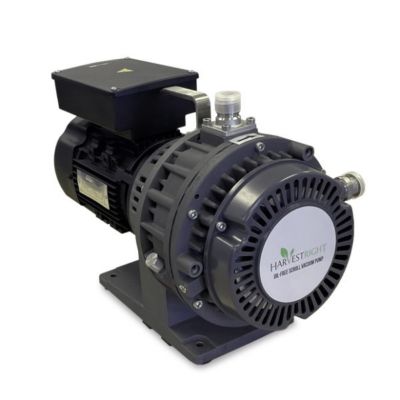
Harvest Right Oil Free Vacuum Pump 110V, 60Hz
A quiet and fast oil-free vacuum pump for use with any size freeze dryer.
$1999.99
$1999.99
SALE
Harvest Right
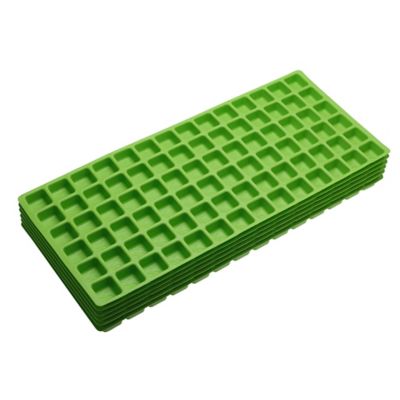
Harvest Right Large Silicone Molds, 6-Pack
A set of 6 food-grade silicone molds designed for use in a large PRO freeze dryer, perfect for freeze drying various foods.
$99.99
$99.99
SALE
FAQ
Most folks start with a freeze dryer, the matching pump setup, trays, Mylar bags, oxygen absorbers, and a heat sealer. Starter kits can help you get rolling sooner, and extra packaging supplies make it easier to keep up once harvest season gets busy.
Think about how much food you want to process at a time, how much room you have for the machine, and whether you are mostly putting up garden produce, family meals, or larger runs from hunting and livestock processing. For a closer look at features and sizing, visit our home freeze dryer buying guide and freeze dryer size guide.
A freeze dryer and a dehydrator handle food in different ways, so the better pick depends on what you want to store, how long you plan to keep it, and the texture you want when it is time to use it. If you want help sorting that out, read freeze dryer vs. dehydrator.
After the food is fully done, let it cool if needed, then package it in Mylar bags or other airtight containers with oxygen absorbers and seal it up well. Keep it in a cool, dry spot and label each batch so it is easy to rotate through your pantry. For more details, see freeze-dried food storage and packaging.
If you want step-by-step help with loading trays, running cycles, and handling food after drying, check out how to freeze dry food at home. For add-on gear like bags, mats, lids, sealers, filters, and pump supplies, visit freeze dryer accessories and supplies.