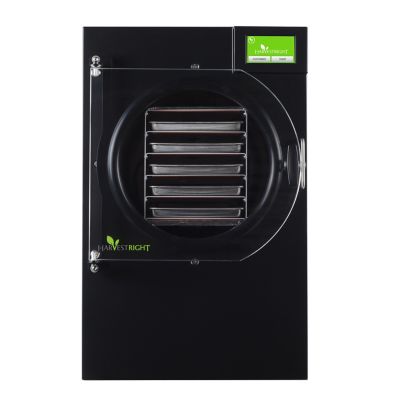
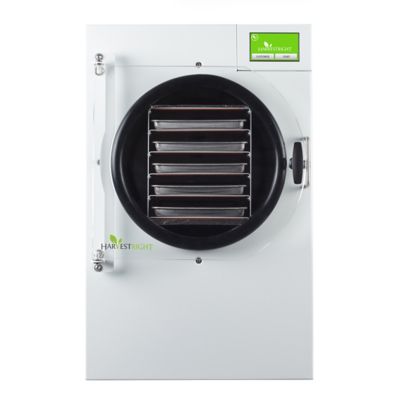
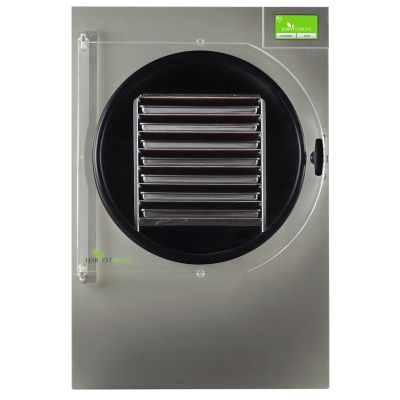
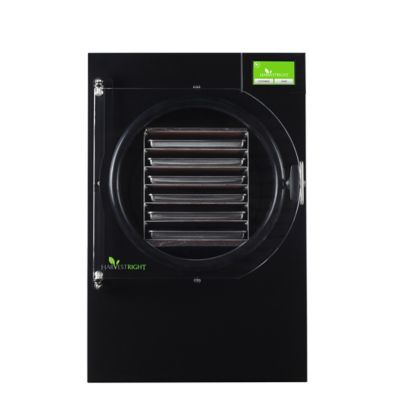
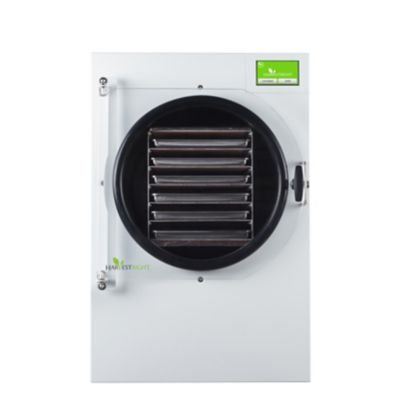
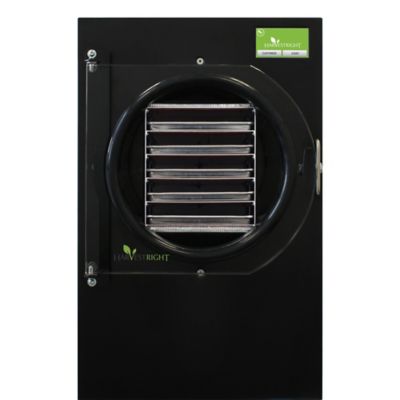
A home freeze dryer can be a handy addition to a busy kitchen, pantry, homestead or small farm, especially for preserving garden produce, cooked meals and seasonal ingredients for the months ahead. Unlike ordinary freezing, freeze-drying removes moisture from food after it has been frozen, helping preserve much of its original shape, color, flavor and texture when the finished food is stored properly. Apples, berries, peaches, green beans, sweet corn, herbs, cooked meats, pasta dishes and even complete meals can all be candidates, though each food behaves a little differently. Many folks use a home freeze dryer to put up an extra harvest when the garden is producing faster than the family can eat. Others prepare lightweight snacks for hunting trips, camping, travel, emergency food storage or long days on the job. Freeze-dried food is also easy to portion into jars or storage bags, making it useful for households that want to cut down on food waste. For a closer look at how this preservation method compares with another popular option, read
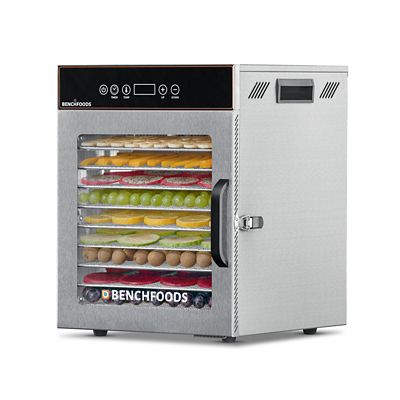
Freeze Dryer vs. Dehydrator: Which One Fits Your Harvest Plan? Before choosing a unit, think about what you plan to preserve most often, how much food your household uses and where the machine will live. A smaller unit may suit a single person, couple or family with limited counter and storage space, while a medium-size unit is often a practical fit for an average household that wants room for regular batches. Larger units make more sense for big families, gardeners with substantial harvests, homesteaders, hunters, or anyone preparing food for a group. Capacity is commonly described by the amount of fresh food a machine can process in one batch: small units may handle roughly 6 to 10 pounds, medium units around 10 to 15 pounds, and large or extra-large models considerably more. Actual results depend on the food’s water content, how thickly it is prepared and how evenly it is spread across the trays, so leave a little breathing room rather than packing every inch tightly.
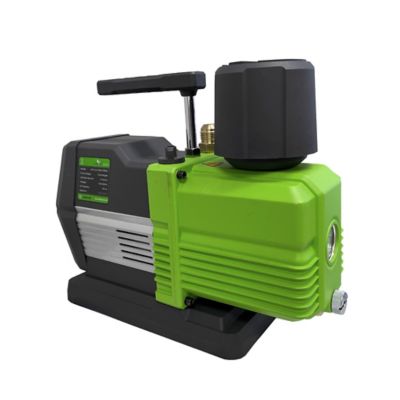
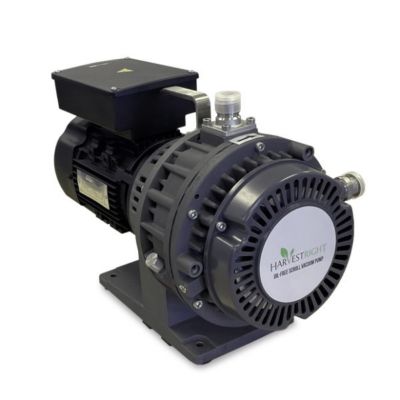
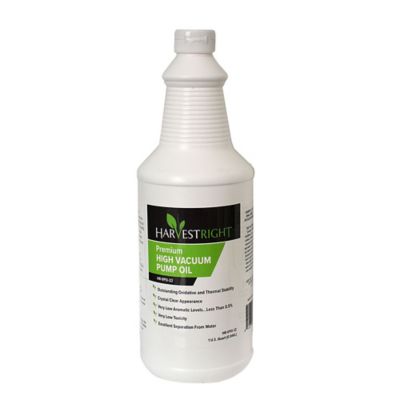
Space and household setup matter just as much as tray capacity. A freeze dryer is not a lightweight countertop gadget that can be tucked away after every use. Even smaller models need a sturdy, level location with room for airflow and access to the door, trays, drain line and vacuum pump. Larger machines can weigh well over 100 pounds and take up a footprint similar to a substantial kitchen appliance, so a utility room, pantry, enclosed porch, basement or dedicated work area may be a better fit than a crowded countertop. Check the electrical requirements before ordering. Many small and medium home units operate from a standard 110-volt outlet, while larger models may call for a dedicated 20-amp circuit. When in doubt, have the outlet and circuit checked by a qualified electrician. It is also smart to consider sound. The vacuum pump does much of the work during a cycle, and operating noise commonly falls in the range of a running conversation or household appliance, roughly 62 to 67 decibels. A location away from bedrooms and quiet living areas can make long cycles less noticeable. Freeze-drying usually takes longer than people expect; a complete batch may run about 20 to 40 hours depending on the food, the amount loaded and the water content. That timing makes planning worthwhile. Food should be cut into fairly even pieces, cooked foods cooled before loading, and fatty or especially sugary foods handled according to the manufacturer’s instructions. The machine also needs routine care. Oil-pump systems generally require filtering or changing oil after several batches, while other pump styles may have different maintenance needs. Look for clear directions, accessible replacement parts and support that will still be useful after the first few batches.
The finished food needs protection from moisture, oxygen, heat and light, or all that careful work can lose its value in storage. Mylar bags, airtight containers, oxygen absorbers and a dependable heat sealer are commonly used together for long-term storage. Let food cool and dry completely before packaging, label each package with the contents and date, and store it in a cool, dark, dry place. A pantry shelf or dedicated storage room is usually better than a hot shed, damp basement corner or area exposed to direct sunlight. Keep in mind that freeze-drying does not replace safe food handling. Use sound, clean ingredients, follow tested preparation practices and pay attention to storage instructions for meat, dairy-based dishes and other foods that may require extra care. Home freeze dryers can also make thoughtful gifts for gardeners, homesteaders, outdoorsmen, meal planners and families who enjoy cooking from their own harvest. They are a substantial gift, so accessories such as storage bags, oxygen absorbers, labels, shelving or a sealer may be a better choice when you are not sure about available space or electrical capacity. During the cooler months, a freeze dryer can help turn the last garden harvest into shelf-stable ingredients and make it easier to build a useful pantry before the next growing season. The best choice comes down to a realistic match between batch size, available room, electrical service, noise tolerance, maintenance habits and the foods you expect to prepare. Taking those details into account will help you choose a home freeze dryer that fits the way your household cooks, stores food and spends time together.